
 EN
EN


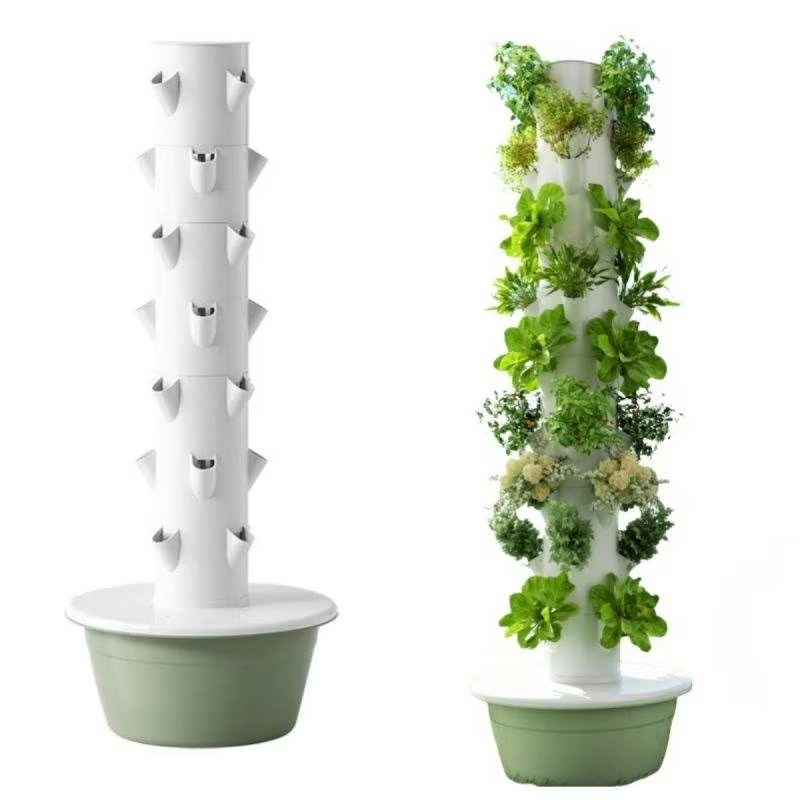
Vertical farming solutions represent a transformative approach to modern agriculture, enabling producers to grow crops in controlled indoor environments that maximize yield while minimizing resource consumption. As global food demand continues to rise and arable land becomes increasingly scarce, vertical farming solutions offer a practical pathway to sustainable crop production that addresses environmental and economic pressures simultaneously. These systems integrate advanced technologies with agricultural science to create closed-loop production cycles that reduce water usage, eliminate pesticide dependence, and generate consistent harvests regardless of seasonal or climate constraints.

The integration of vertical farming solutions into sustainable crop production systems fundamentally changes how agricultural operations function. Unlike traditional farming, which depends heavily on weather patterns, seasonal cycles, and extensive land use, vertical farming solutions enable growers to operate year-round in urban and semi-urban locations. This shift reduces transportation distances, lowers carbon footprints, and creates local food security while supporting environmental stewardship goals that modern consumers and regulatory frameworks increasingly demand.
Resource Efficiency Through Vertical Farming Solutions
Water Conservation in Vertical Farming Solutions
Water scarcity represents one of the most pressing challenges in global agriculture, making efficient water management a cornerstone of sustainable crop production. Vertical farming solutions utilize hydroponic and aeroponic systems that recirculate water through growing mediums, reducing consumption by up to 95 percent compared to conventional soil-based farming. This closed-loop approach means that vertical farming solutions capture and reuse water that would otherwise be lost to evaporation or soil absorption, enabling sustainable crop production in regions where water availability is severely limited.
The precision irrigation capabilities inherent in vertical farming solutions allow growers to deliver exact nutrient and water amounts to each plant based on real-time growth data. By eliminating runoff and waste, vertical farming solutions support sustainable crop production systems that can operate in water-stressed environments while maintaining or exceeding yield outputs of traditional methods. This technology is particularly valuable in arid regions and areas experiencing prolonged drought conditions.
Nutrient Management and Chemical Reduction
Sustainable crop production requires minimizing chemical inputs while maintaining nutritional crop quality, a goal that vertical farming solutions accomplish through precision nutrient delivery systems. In hydroponic vertical farming solutions, nutrients dissolve directly in recycled water, eliminating the need for synthetic pesticides and reducing fungal diseases that typically require chemical intervention. Vertical farming solutions create controlled microclimates that naturally suppress pest populations, enabling sustainable crop production without reliance on harmful agrochemicals that damage soil ecosystems and contaminate groundwater.
The data-driven approach embedded in modern vertical farming solutions allows growers to monitor nutrient levels continuously and adjust formulations in real time, ensuring optimal plant health and reducing waste. This precision supports sustainable crop production by maximizing nutrient uptake efficiency and minimizing environmental leaching that occurs in traditional agriculture. Vertical farming solutions thus enable growers to produce high-quality crops while protecting water quality and soil health for future agricultural generations.
Environmental Impact and Climate Benefits
Reducing Agricultural Carbon Footprint
Transportation and energy inputs represent significant carbon contributors in conventional agricultural systems, making localized production a key sustainability lever. Vertical farming solutions operate in urban and suburban locations, dramatically reducing the distance between production and consumer, thereby lowering transportation emissions inherent in traditional supply chains. When powered by renewable energy sources, vertical farming solutions can achieve net-zero or carbon-negative operations that actively support sustainable crop production goals within climate action frameworks.
The controlled environment within vertical farming solutions enables optimized growing conditions that accelerate crop development and reduce production cycles compared to field-based farming. Faster harvests mean more production cycles per year within the same physical footprint, multiplying yields and further reducing the carbon cost per unit of food produced. This efficiency makes vertical farming solutions an increasingly viable contributor to sustainable crop production in regions committed to emissions reduction targets.
Land Use and Biodiversity Protection
Conventional agriculture consumes vast land areas that could otherwise support natural ecosystems and wildlife habitat, contributing to biodiversity loss and habitat fragmentation. Vertical farming solutions require significantly less land per unit of food produced, enabling preservation of existing natural areas and restoration of degraded ecosystems. By reducing agricultural land pressure, vertical farming solutions support sustainable crop production systems that align with conservation goals and protect biodiversity critical to ecosystem resilience.
The spatial efficiency of vertical farming solutions means that a single indoor facility can produce equivalent yields to multiple acres of traditional farmland, freeing agricultural land for alternative uses such as reforestation or wetland restoration. This land liberation creates opportunities for sustainable crop production models that coexist with nature conservation rather than competing for finite natural resources. Urban vertical farming solutions particularly support sustainable crop production by transforming underutilized urban spaces into productive food sources.
Production Consistency and Food Security
Year-Round Growing Capacity
Traditional agriculture faces inherent seasonality constraints that limit production periods and create supply volatility affecting food prices and availability. Vertical farming solutions eliminate seasonal restrictions through climate control systems that maintain optimal growing conditions throughout the year, enabling consistent sustainable crop production regardless of external weather patterns. This reliability transforms agricultural planning from seasonal cycles to continuous production models that strengthen food security and support more stable pricing for consumers.
The predictability offered by vertical farming solutions allows businesses to commit to sustainable crop production contracts with confidence, as yields and delivery schedules become verifiable and consistent. Retailers and food service operations benefit from reliable supply chains that reduce inventory uncertainty and food waste, while vertical farming solutions simultaneously improve environmental outcomes through reduced waste and optimized resource allocation. This combination makes vertical farming solutions particularly attractive for sustainable crop production in regions subject to extreme weather or climate variability.
Quality and Safety Enhancement
Vertical farming solutions operate in enclosed, monitored environments that eliminate exposure to soil-borne pathogens, environmental contaminants, and unpredictable weather damage that compromise crop safety in traditional agriculture. Every stage of growth within vertical farming solutions can be documented and tracked, creating detailed records that support food safety certification and traceability requirements for sustainable crop production. This transparency enables producers to demonstrate safety and quality compliance to increasingly demanding consumers and regulatory bodies.
The controlled conditions within vertical farming solutions allow growers to produce crops with consistent nutritional profiles and sensory qualities, meeting specific market requirements for sustainable crop production operations. Pest and disease pressure remains minimal without chemical intervention, resulting in cleaner, safer crops that appeal to health-conscious consumers. Vertical farming solutions thus support sustainable crop production that meets both environmental and quality standards simultaneously.
FAQ
How much water do vertical farming solutions save compared to traditional agriculture?
Vertical farming solutions reduce water consumption by approximately 90 to 95 percent relative to conventional field-based farming through recirculation systems that capture and reuse water continuously. In traditional agriculture, significant water losses occur through soil absorption, evaporation, and runoff, whereas vertical farming solutions operate closed-loop hydroponic and aeroponic systems that minimize waste. This dramatic reduction makes vertical farming solutions ideal for sustainable crop production in water-scarce regions and supports climate adaptation strategies as drought becomes more frequent in many agricultural areas.
Can vertical farming solutions eliminate the need for pesticides in sustainable crop production?
Yes, vertical farming solutions substantially reduce or eliminate pesticide requirements by maintaining controlled environments that naturally suppress pest populations and prevent fungal diseases common in outdoor farming. The isolation provided by vertical farming solutions prevents exposure to field-based pests and pathogens, while regulated humidity and air circulation levels inhibit microbial growth that typically necessitates chemical intervention. Vertical farming solutions thus enable sustainable crop production that meets organic and chemical-free standards, appealing to environmentally conscious consumers and supporting public health goals.
What types of crops can vertical farming solutions produce effectively?
Vertical farming solutions excel at producing leafy greens, herbs, microgreens, and fast-growing vegetables that generate high revenue per square foot and complete growing cycles within weeks. While vertical farming solutions can theoretically support fruiting crops and root vegetables, current economic optimization focuses on high-value crops that maximize returns on infrastructure investment. As technology advances and energy costs decline, vertical farming solutions will expand sustainable crop production capabilities to include broader crop varieties, further diversifying local food production and enhancing food security across regions.