ประสิทธิภาพในการใช้พื้นที่อย่างโดดเด่นและการจัดระเบียบที่ยอดเยี่ยม
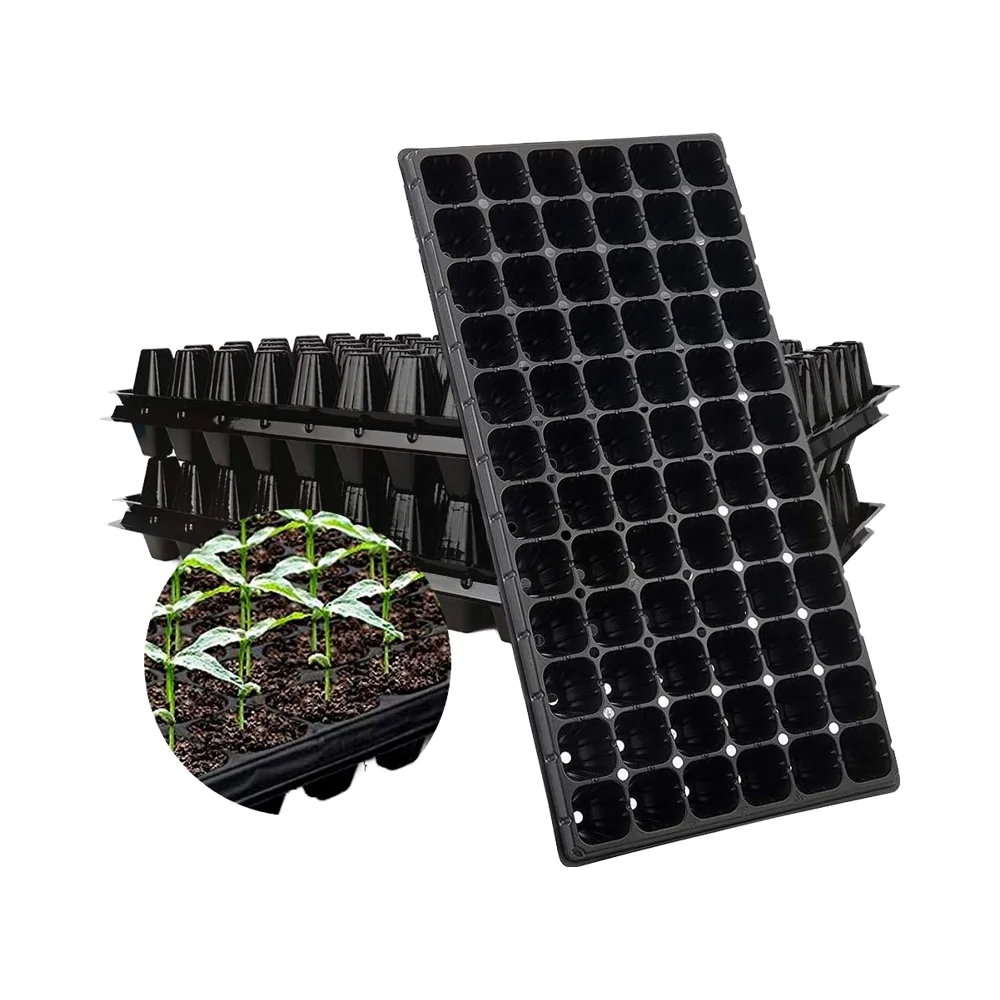
พื้นที่สำหรับการเพาะปลูกสมัยใหม่ต้องการโซลูชันอัจฉริยะที่สามารถเพิ่มศักยภาพในการเจริญเติบโตสูงสุด พร้อมรักษาความเป็นระเบียบและระบบการเพาะปลูกที่ควบคุมได้อย่างมีประสิทธิภาพ โดยถาดเพาะเมล็ดสำหรับโรงเรือน (nursery seed tray) มอบประสิทธิภาพในการใช้พื้นที่อย่างเหนือชั้น ซึ่งปฏิวัติการเพาะปลูกทั้งในเชิงพาณิชย์และสำหรับการใช้งานส่วนบุคคลอย่างแท้จริง ถาดเพาะเมล็ดมาตรฐานสำหรับโรงเรือนหนึ่งถาดสามารถรองรับต้นกล้าแต่ละต้นได้ระหว่าง 72 ถึง 288 ต้น ภายในพื้นที่เดียวกันที่กระถางแบบดั้งเดิมอาจบรรจุได้เพียง 6 ถึง 12 ต้นเท่านั้น ซึ่งในหลายกรณีหมายถึงการปรับปรุงประสิทธิภาพการใช้พื้นที่มากกว่า 1,000 เปอร์เซ็นต์ การเพิ่มความหนาแน่นของการเพาะปลูกอย่างก้าวกระโดดนี้ช่วยให้ผู้ประกอบการโรงเรือนสามารถใช้พื้นที่เพาะปลูกอันมีค่าของตนได้อย่างสูงสุด ในขณะที่นักทำสวนส่วนบุคคลก็สามารถดำเนินโครงการเพาะปลูกที่ท้าทายได้แม้ในพื้นที่จำกัด เช่น ห้องว่าง ห้องใต้ดิน หรือโครงสร้างโรงเรือนขนาดเล็ก ขนาดมาตรฐานของระบบถาดเพาะเมล็ดสำหรับโรงเรือนระดับมืออาชีพ รับประกันความเข้ากันได้อย่างสมบูรณ์แบบกับอุปกรณ์เพาะปลูกมาตรฐานอุตสาหกรรม รวมถึงแผ่นทำความร้อน (heating mats), โคมไฟเพาะปลูก (grow lights) และระบบให้น้ำ ทำให้เกิดการผสานรวมอย่างไร้รอยต่อกับโครงสร้างพื้นฐานที่มีอยู่แล้ว ความสามารถในการซ้อนทับกันได้ (stack-ability) ถือเป็นข้อได้เปรียบสำคัญอีกประการหนึ่งของการออกแบบถาดเพาะเมล็ดคุณภาพสูง ซึ่งช่วยให้จัดวางการเพาะปลูกในแนวตั้งได้ และยิ่งเพิ่มประสิทธิภาพการใช้พื้นที่ให้สูงขึ้นอีกเท่าตัว ถาดหลายใบสามารถซ้อนกันได้อย่างปลอดภัยในระยะเริ่มต้นของการงอก เมื่อต้นกล้ายังไม่ต้องการพื้นที่แนวตั้งมากนัก จากนั้นจึงแยกถาดออกเมื่อพืชเริ่มเติบโต ทำให้สามารถบริหารจัดการพื้นที่ได้อย่างยืดหยุ่นตลอดวงจรการเพาะปลูก รูปแบบตารางที่เป็นระบบโดยธรรมชาติของถาดเพาะเมล็ดสำหรับโรงเรือน ช่วยอำนวยความสะดวกในการระบุชื่อและบันทึกข้อมูลอย่างเป็นระบบ ทำให้ผู้เพาะปลูกสามารถติดตามวันที่เพาะเมล็ด สายพันธุ์ ชนิดและเวลาของการรักษา รวมถึงอัตราการงอกได้อย่างแม่นยำยิ่งกว่าที่เคยมีมา ความสามารถในการจัดระบบเช่นนี้มีคุณค่าอย่างยิ่งต่อการดำเนินงานเชิงพาณิชย์ที่จำเป็นต้องจัดทำบันทึกอย่างละเอียดเพื่อการควบคุมคุณภาพและการจัดการสินค้าคงคลัง นักทำสวนส่วนบุคคลก็ได้รับประโยชน์จากแนวทางเชิงระบบเช่นกัน เนื่องจากโครงสร้างของถาดเพาะเมล็ดสำหรับโรงเรือนทำให้สามารถวางแผนการหมุนเวียนพืช (crop rotation), กำหนดตารางการปลูกแบบต่อเนื่อง (succession planting) และทดลองสายพันธุ์ต่าง ๆ ได้อย่างสะดวก ซึ่งหากใช้วิธีการเพาะปลูกแบบดั้งเดิมแล้วจะเกิดความยุ่งเหยิงหรือแทบเป็นไปไม่ได้เลย
 ×
×

 EN
EN