Hindi Katumbas na Mga Benepisyo sa Portabilidad at Optimal na Pag-optimize ng Espasyo
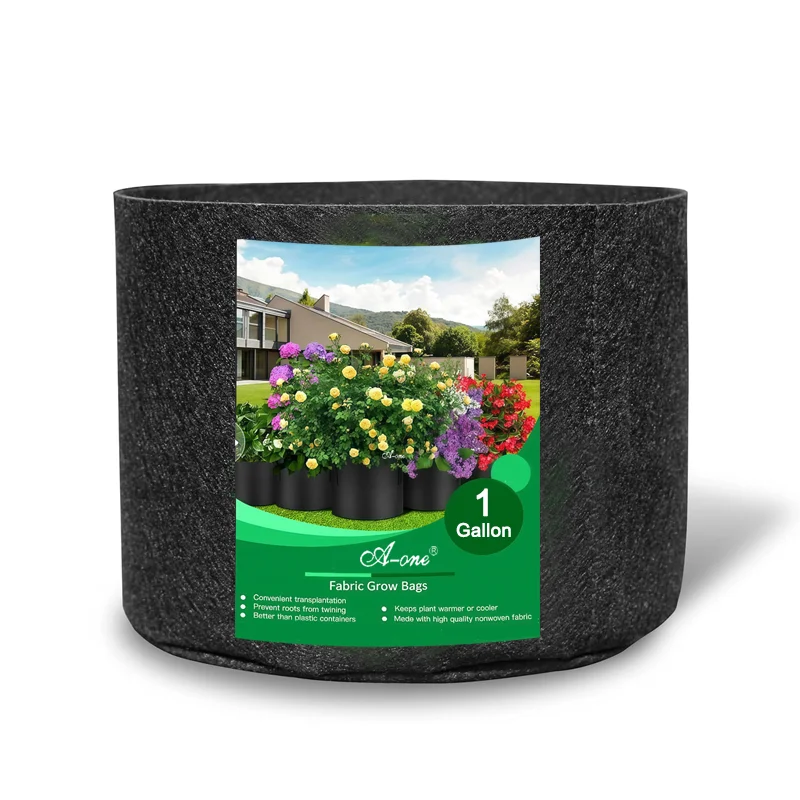
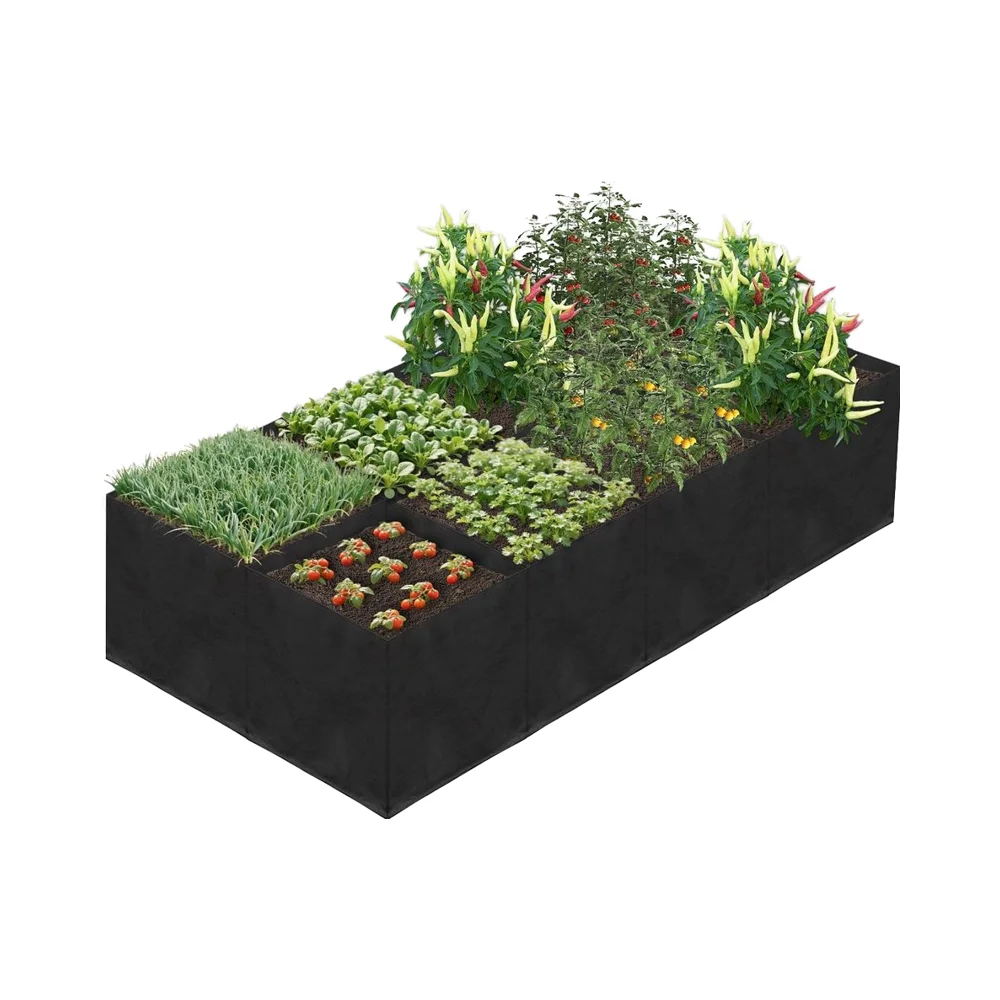
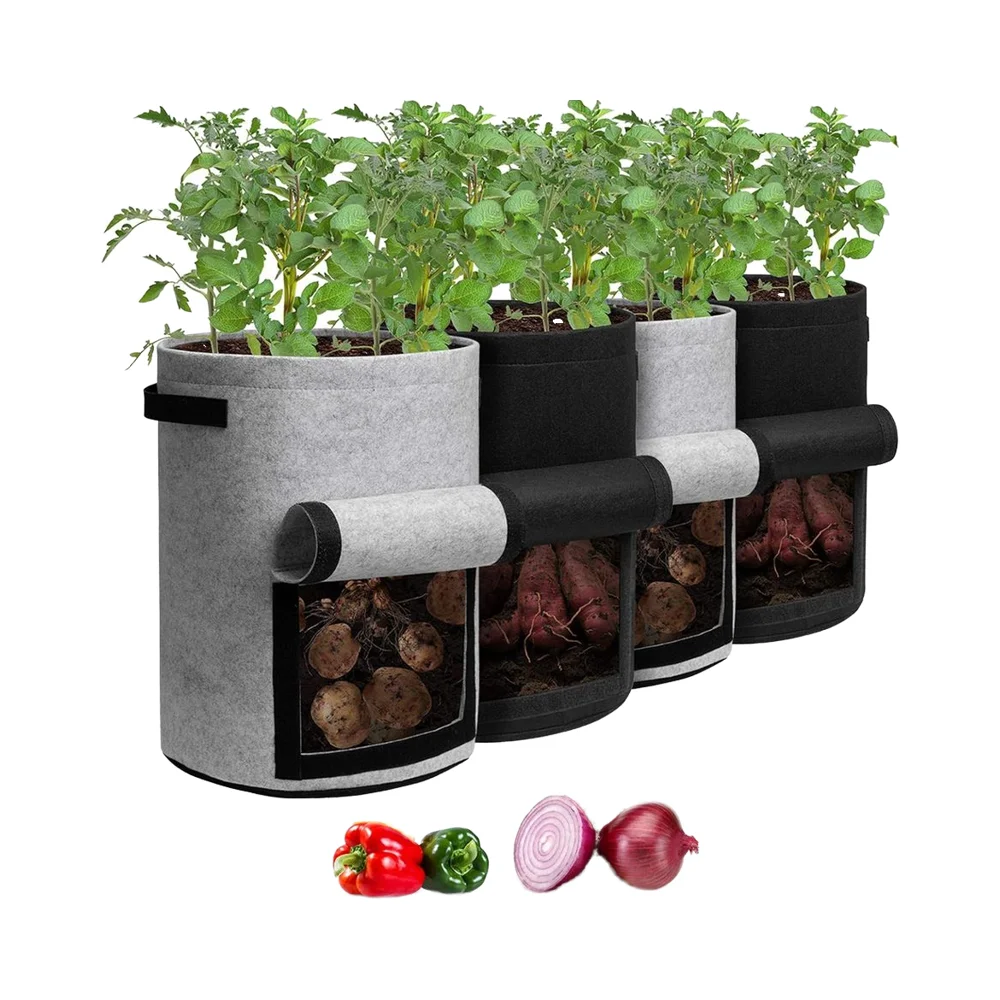
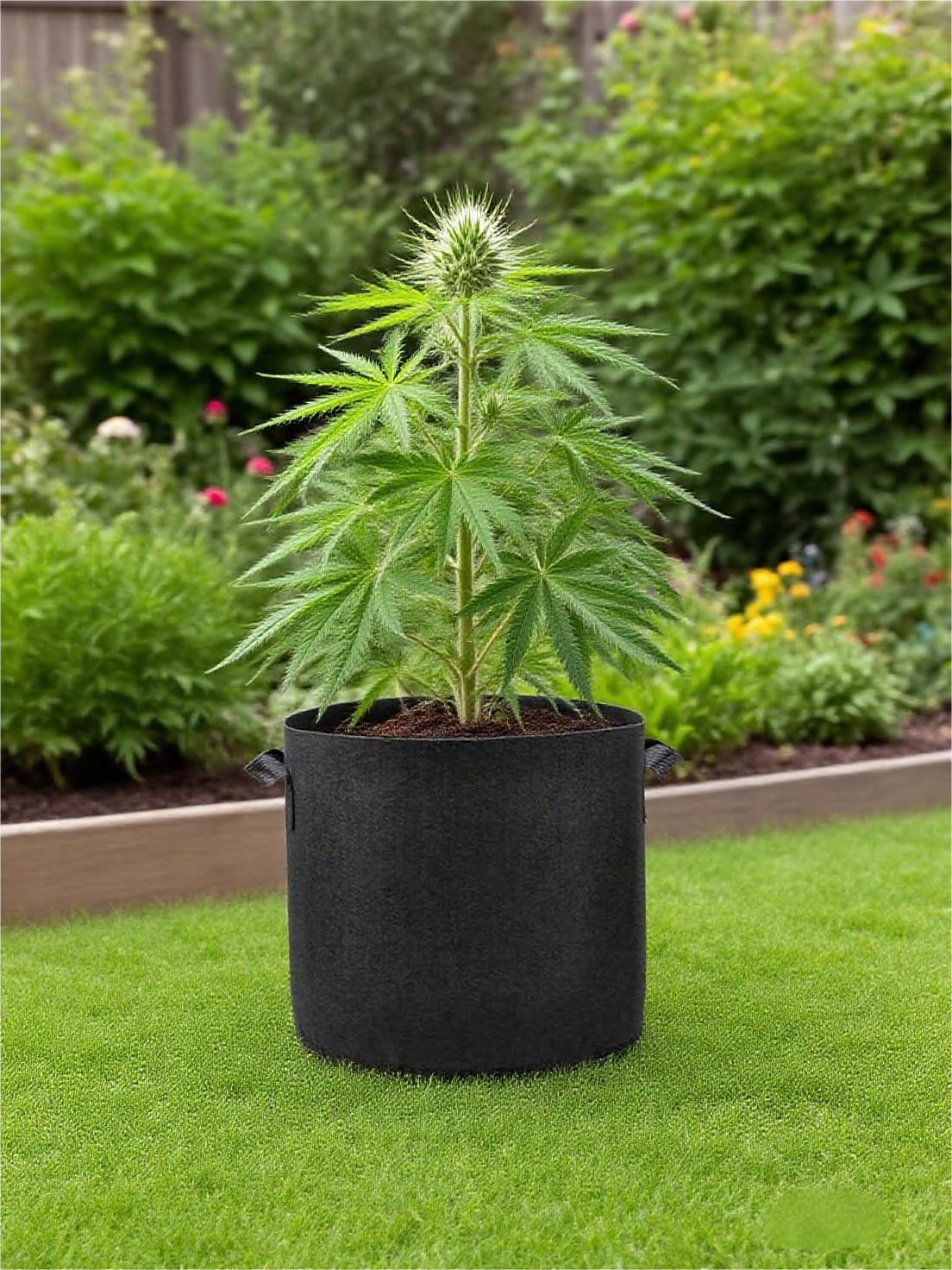
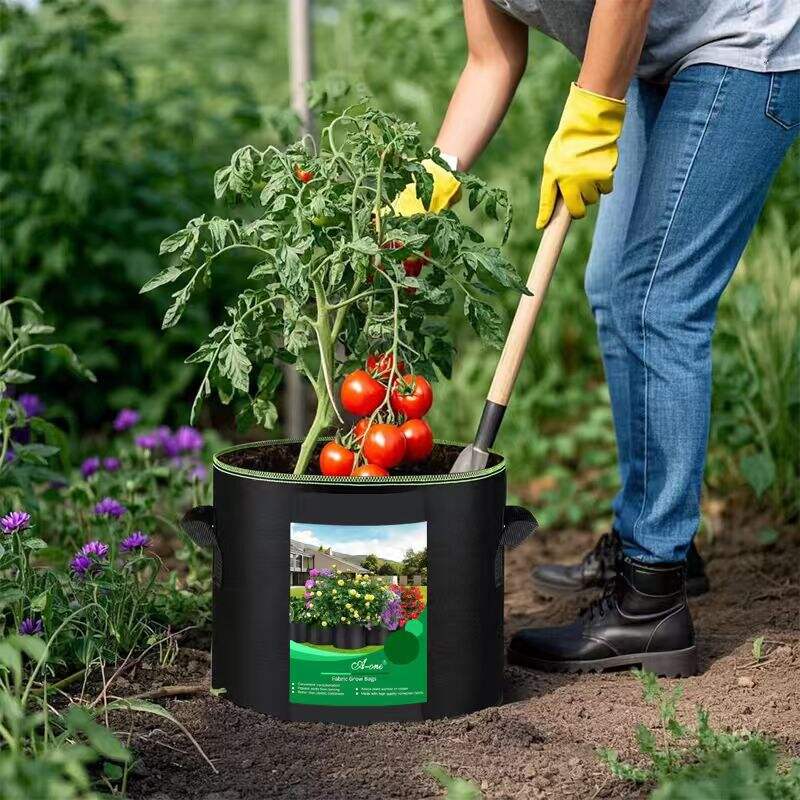
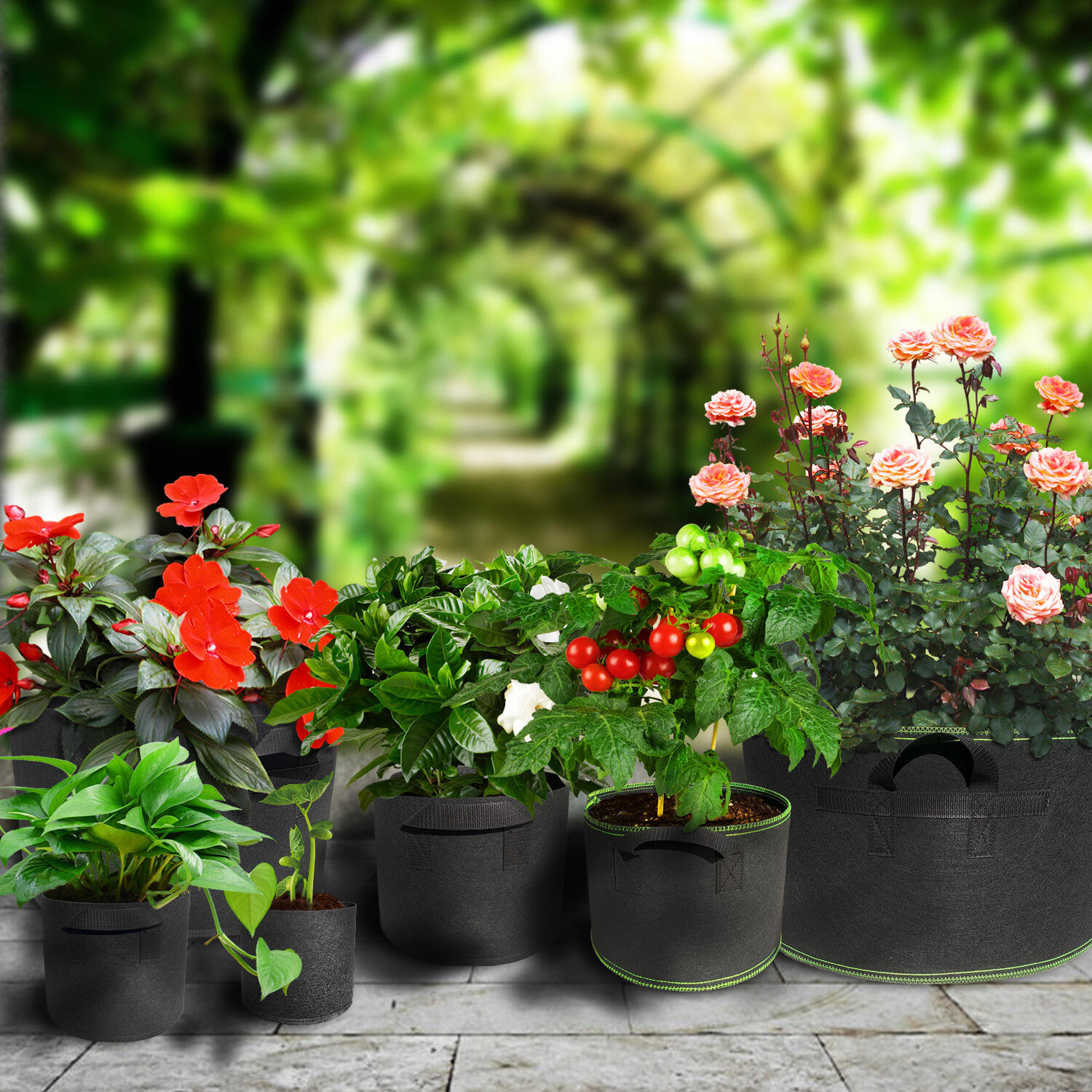
Ang mga exceptional na katangian ng portabilidad at optimisasyon ng espasyo ng mga gardening bag para sa pagtatanim ay nagpapabago nang radikal kung paano tinatayo ng mga magsasaka ang mga halaman, lalo na sa mga urbanong kapaligiran kung saan ang kawalan ng sapat na espasyo at ang palagiang pagbabago ng kondisyon ay nangangailangan ng pinakamataas na kakayahang umangkop. Ang tradisyonal na container gardening ay umaasa sa mga mabibigat na ceramic na paso, kahoy na planter, o matitigas na plastic na lalagyan na naging halos hindi maisasalin kapag puno na ng lupa at mga halaman. Ang mga konbensyonal na lalagyan na ito ay naglilimita sa mga magsasaka sa mga istatikong pagkakahanay na hindi kayang umangkop sa palagiang pagbabago ng pattern ng sikat ng araw, kondisyon ng panahon, o pangangailangan sa espasyo. Ang mga gardening bag para sa pagtatanim ay binabago ang limitasyong ito sa isang oportunidad sa pamamagitan ng kanilang magaan at flexible na konstruksyon na nananatiling ganap na funsyonal habang malaki ang pagbawas ng timbang kumpara sa mga matitigas na alternatibo. Ang isang karaniwang gardening bag para sa pagtatanim ay may timbang na 90% na mas mabaga kaysa sa katumbas nitong ceramic na lalagyan, na ginagawa itong madaling ilipat ng mga magsasaka sa buong panahon ng pagtubo. Ang mobility na ito ay napakahalaga upang mapabilis ang mga kondisyon ng pagtubo, dahil maaaring ilipat ng mga magsasaka ang mga halaman upang sundin ang pattern ng sikat ng araw, protektahan sila laban sa matitinding hangin, o dalhin sa loob ng bahay habang may ekstremong kondisyon ng panahon. Ang kakayahang i-optimize ang espasyo ng mga gardening bag para sa pagtatanim ay lumalawig hindi lamang sa kanilang magaan na disenyo kundi pati na rin sa kanilang kakayahang mabuhat at epektibong itago. Kapag hindi ginagamit, ang mga gardening bag para sa pagtatanim ay maaaring buuin nang lubos na patag, na kumuha ng hindi hihigit sa 5% ng espasyong kinakailangan ng mga matitigas na lalagyan. Ang kahusayan sa pag-iimbak na ito ay nagbibigay-daan sa mga magsasaka na panatilihin ang malawak na koleksyon ng mga lalagyan nang hindi kailangang maglaan ng mahalagang espasyo para sa mga walang laman na paso sa panahon ng off-season. Lalo pang nakikinabang ang mga urbanong magsasaka mula sa disenyo na nakakatipid ng espasyo ng mga gardening bag para sa pagtatanim, dahil ang mga balkonahe ng apartment, rooftop garden, at maliit na patio ay maaaring maglaman ng mas malaking kapasidad sa pagtatanim kapag gumagamit ng flexible na lalagyan imbes na ng tradisyonal na matitigas na opsyon. Ang portabilidad ng mga gardening bag para sa pagtatanim ay nagbibigay-daan din sa mga estratehiya sa seasonal gardening na imposible gamit ang mga mabibigat na lalagyan. Maaaring ilipat ng mga magsasaka nang madali ang mga pananim para sa cool season sa mga lugar na may mas kaunti ang sikat ng araw habang tumitindi ang init ng tag-araw, ilipat ang mga delikadong halaman sa mga protektadong lugar habang may bagyo, o dalhin ang buong hardin kapag nagmumove ng tirahan. Ang flexibility na ito ay nagpapahaba ng mga panahon ng pagtubo at nagpapabuti ng survival rate ng mga halaman habang binabawasan ang pisikal na pagsisikap na kasama sa container gardening. Ang komersyal na aplikasyon ng mga gardening bag para sa pagtatanim ay gumagamit ng mga pakinabang ng portability na ito para sa mga pansamantalang instalasyon, trade show, at seasonal display kung saan ang kahusayan sa pag-setup at pag-breakdown ay direktang nakaaapekto sa kita.
 ×
×

 EN
EN