
 EN
EN



Vertical Farming Machines, Greenhouse Cultivation & Hydroponics: Reshaping the Future of Agriculture
As the global population continues to expand and arable land shrinks at an alarming rate, the agricultural industry is facing an unprecedented challenge to meet the growing demand for food while reducing resource consumption. In response, three innovative technologies – vertical farming machines, greenhouse cultivation, and hydroponic farming – have emerged as game-changers, driving a new wave of sustainable agricultural transformation and redefining the way food is produced.
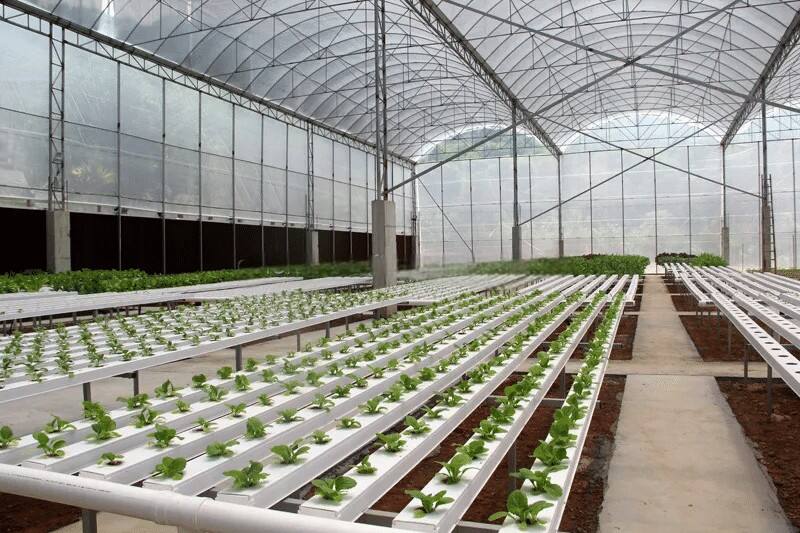
Hydroponic farming, a soilless cultivation method, has become a cornerstone of modern agriculture due to its remarkable resource efficiency. Unlike traditional soil-based farming that relies heavily on water and chemical fertilizers, hydroponic systems deliver nutrient-rich solutions directly to plant roots, eliminating water waste and improving fertilizer utilization. Data shows that hydroponic farming can save up to 95% of water compared to conventional methods and increase crop yields by 30% to 50%, making it ideal for regions with water scarcity and limited land resources. From leafy greens to strawberries, hydroponic systems are widely adopted globally, offering consistent quality and shorter growth cycles.
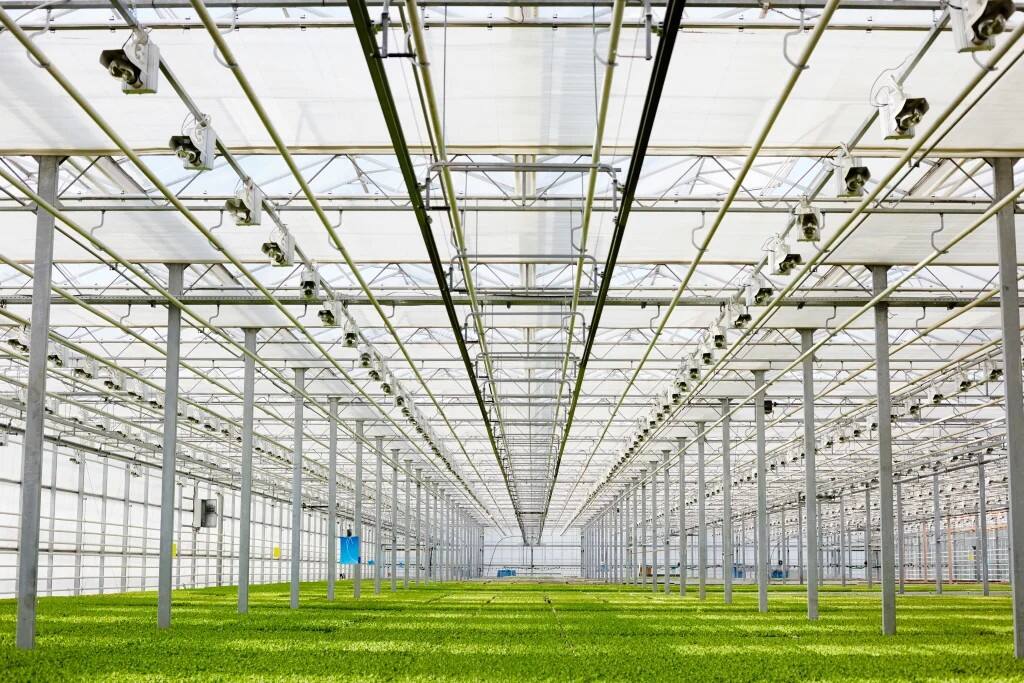
 Greenhouse cultivation complements hydroponics by creating a controlled growing environment that mitigates the impact of extreme weather and seasonal changes. Equipped with advanced temperature, humidity, and light control systems, modern greenhouses maintain optimal growing conditions year-round, allowing farmers to cultivate crops regardless of external climates. This technology not only ensures stable production but also reduces the risk of pests and diseases, minimizing the need for pesticides. The global smart greenhouse market reached USD 2.24 billion in 2025 and is projected to grow at a CAGR of 10.96% to USD 3.77 billion by 2030, reflecting its rising popularity in the agricultural sector.
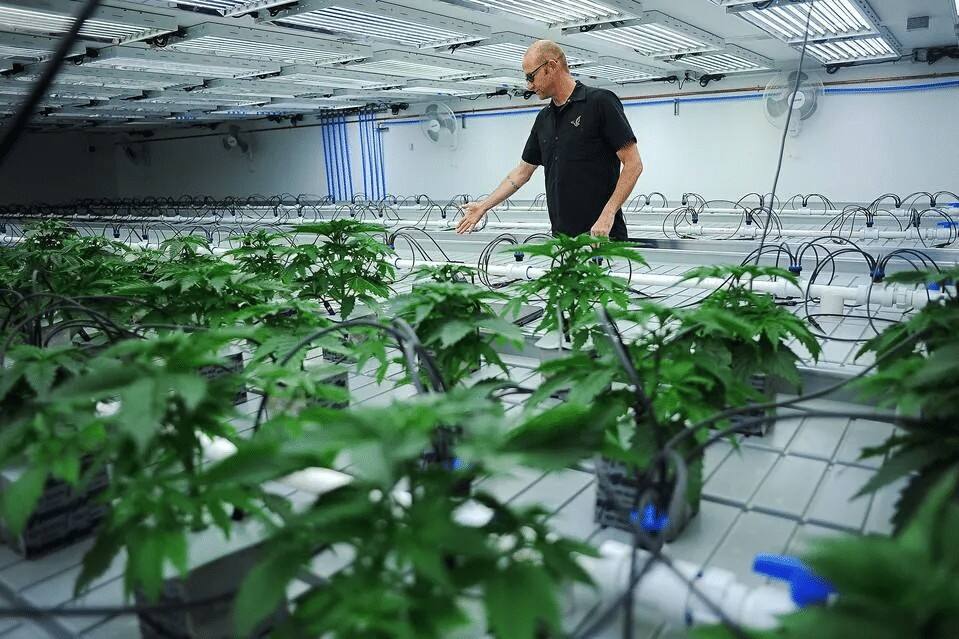
 Vertical farming machines take sustainable agriculture to new heights by utilizing vertical space, a breakthrough that addresses the scarcity of arable land. These intelligent machines stack growing layers vertically, maximizing land use efficiency and enabling crop cultivation in urban areas, warehouses, and even small spaces. Integrated with automation and AI technologies, vertical farming machines can monitor crop growth in real time, adjust nutrient supply and light exposure automatically, and reduce labor costs by up to 70%. The global vertical agricultural equipment market is expected to exceed USD 100 billion by 2030, driven by the increasing demand for urban agriculture and efficient food production.
Industry experts predict that the integration of vertical farming machines, greenhouse cultivation, and hydroponics will become the mainstream of future agriculture, offering a viable solution to global food security and environmental challenges. With continuous technological innovation, these sustainable farming methods will continue to evolve, contributing to a greener and more food-secure world.