Commercial Vertical Hydroponic Systems: Revolutionary Indoor Farming Solutions for Maximum Yield

Get a Free Quote

Our representative will contact you soon.
Email
Name
Company Name
Message
0/1000

commercial vertical hydroponic system

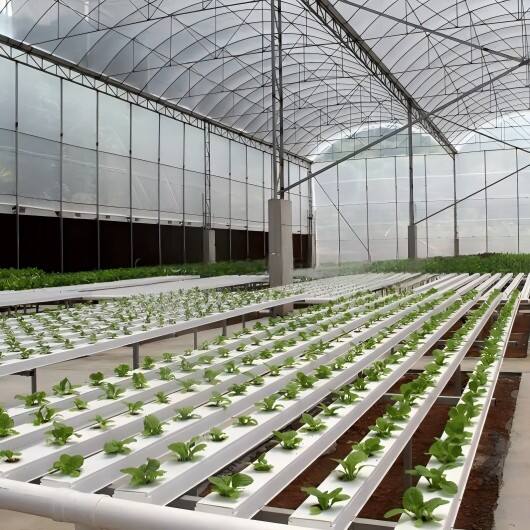
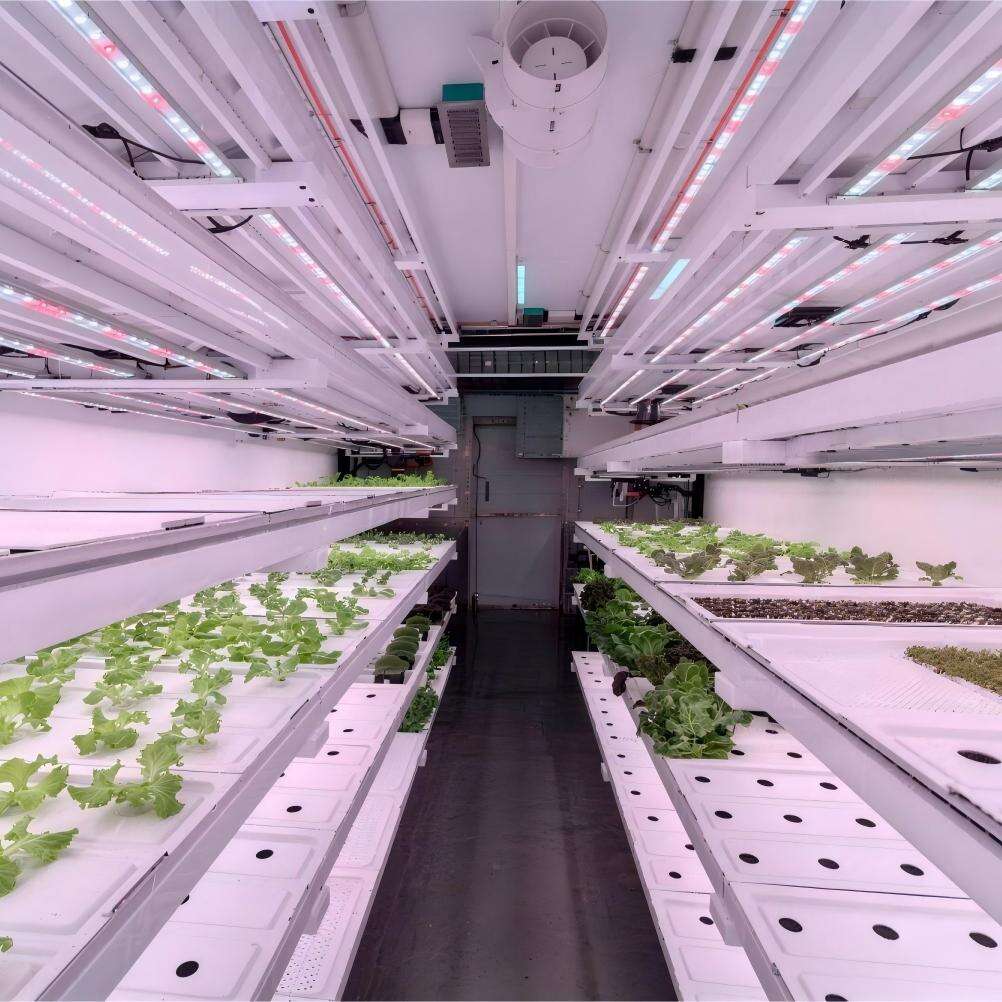
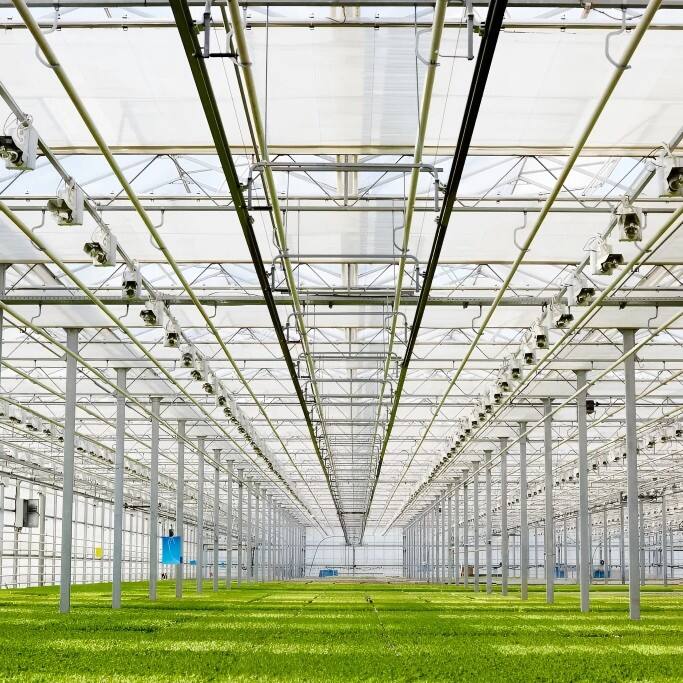
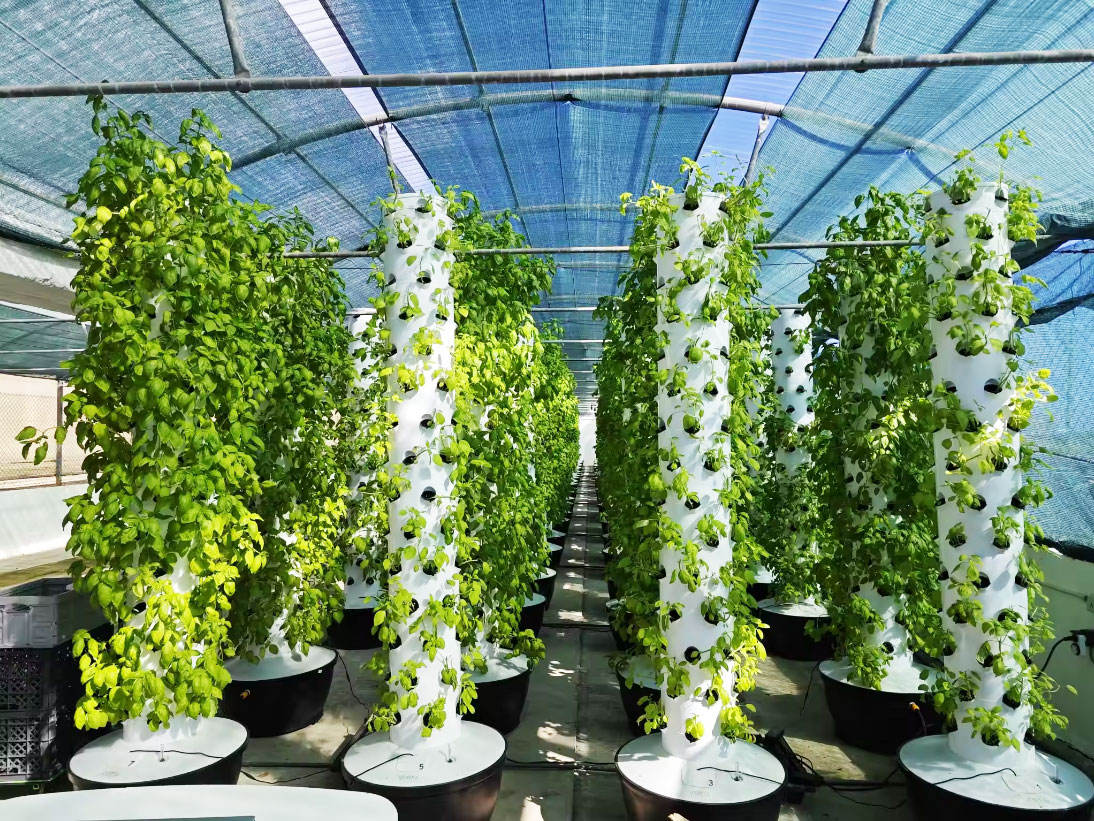
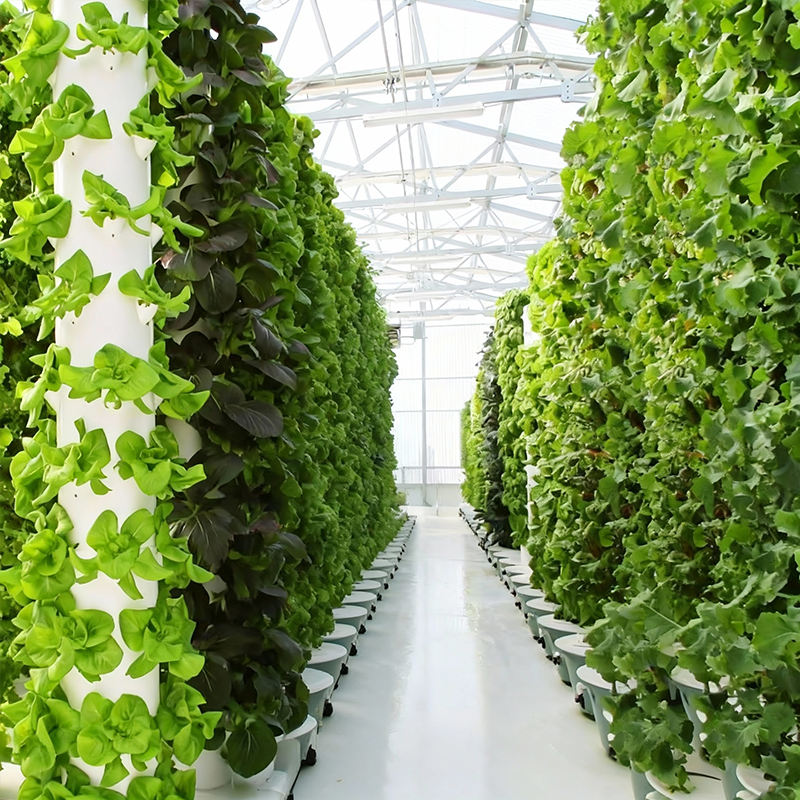
The commercial vertical hydroponic system represents a revolutionary approach to modern agriculture, transforming how businesses cultivate crops in controlled environments. This innovative farming technology eliminates the need for soil by utilizing nutrient-rich water solutions to feed plants directly through their root systems. The commercial vertical hydroponic system maximizes growing space by stacking multiple growing levels vertically, creating towers of productivity that can produce significantly more yield per square foot than traditional farming methods. These sophisticated systems integrate automated irrigation networks, precise nutrient delivery mechanisms, and advanced environmental controls to create optimal growing conditions. The main functions include automated water circulation, nutrient monitoring, pH balance management, and climate regulation. Key technological features encompass LED lighting systems specifically designed for plant photosynthesis, programmable timers for irrigation cycles, sensors for monitoring plant health, and computerized control panels for system management. Commercial vertical hydroponic systems find applications across various sectors including restaurants seeking fresh ingredients, grocery stores maintaining local produce supplies, urban farms serving metropolitan areas, educational institutions teaching sustainable agriculture, and research facilities conducting plant studies. The technology enables year-round cultivation regardless of weather conditions or seasonal limitations. These systems accommodate diverse crop varieties from leafy greens and herbs to fruiting plants and microgreens. The modular design allows businesses to scale operations according to demand and available space. Installation flexibility means commercial vertical hydroponic systems can operate in warehouses, greenhouses, shipping containers, or purpose-built facilities, making them suitable for both indoor and protected outdoor environments.
Popular Products

Commercial vertical hydroponic systems deliver exceptional space efficiency that revolutionizes agricultural productivity for modern businesses. These systems produce up to ten times more crops per square foot compared to traditional soil-based farming, making them ideal for urban environments where land costs remain prohibitively expensive. The vertical design maximizes growing capacity within limited footprints, allowing restaurants, retailers, and farms to generate substantial harvests in compact spaces. Water conservation represents another compelling advantage, as commercial vertical hydroponic systems use up to 95% less water than conventional agriculture through recirculating nutrient solutions and eliminating runoff waste. This efficiency reduces operational costs while supporting environmental sustainability goals. The controlled environment eliminates weather dependencies, enabling consistent year-round production regardless of climate conditions, seasonal changes, or natural disasters. Businesses can plan harvests predictably, ensuring steady supply chains and reducing procurement uncertainties. Faster plant growth cycles typically occur in commercial vertical hydroponic systems, with many crops maturing 25-50% quicker than soil-grown alternatives due to optimized nutrient delivery and environmental conditions. This acceleration increases annual yields and improves return on investment timelines. Pesticide elimination becomes possible since closed-loop systems prevent pest infiltration, producing cleaner crops without chemical treatments while reducing health risks and regulatory compliance burdens. Labor efficiency improves significantly as ergonomic designs position plants at comfortable working heights, reducing physical strain and increasing harvesting speed. Automated features minimize manual interventions, allowing staff to focus on higher-value activities. Quality consistency remains superior since controlled conditions eliminate variables that affect crop characteristics, ensuring uniform size, color, and nutritional content that meets commercial standards. Location independence means commercial vertical hydroponic systems can operate anywhere with basic utilities, enabling businesses to establish local food production closer to consumers, reducing transportation costs and carbon footprints while improving freshness.

Latest News

Hydroponic Vertical Farming_ Empowering Legal Cultivation Markets Globally

09

Feb

Hydroponic Vertical Farming_ Empowering Legal Cultivation Markets Globally

View More
Planting Containers: Unlocking New Possibilities for Smart Agriculture, Creating Efficient and Movable Planting Spaces

11

Mar

Planting Containers: Unlocking New Possibilities for Smart Agriculture, Creating Efficient and Movable Planting Spaces

View More
Vertical Farming Machines, Greenhouse Cultivation & Hydroponics: Reshaping the Future of Agriculture

09

Feb

Vertical Farming Machines, Greenhouse Cultivation & Hydroponics: Reshaping the Future of Agriculture

View More

Get a Free Quote

Our representative will contact you soon.
Email
Name
Company Name
Message
0/1000

commercial vertical hydroponic system

Maximum Space Utilization Through Innovative Vertical Architecture

Maximum Space Utilization Through Innovative Vertical Architecture

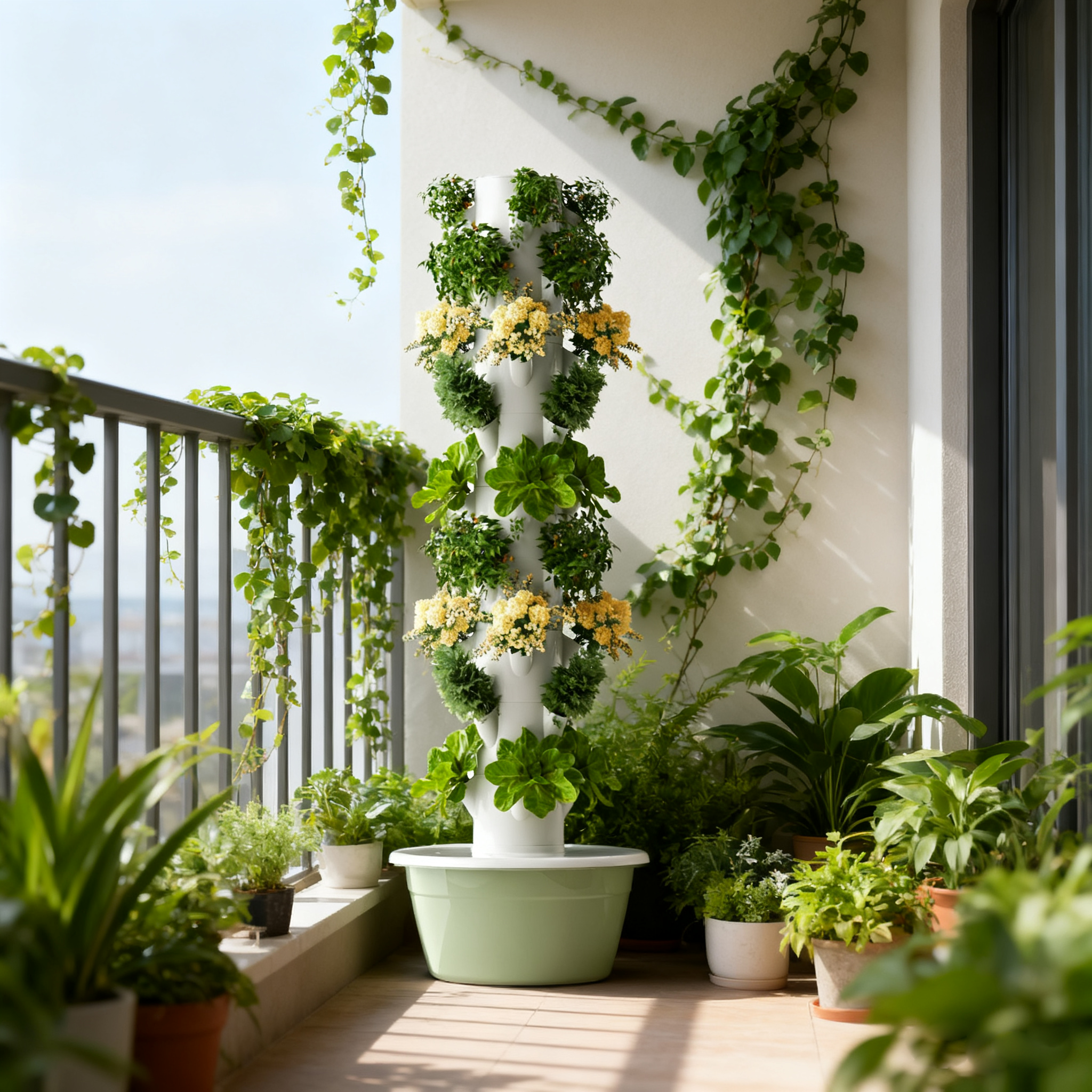
The commercial vertical hydroponic system transforms limited growing spaces into highly productive agricultural facilities through revolutionary vertical architecture design. This innovative approach stacks multiple growing levels in tower configurations, typically reaching heights of 8-20 feet depending on facility constraints and crop requirements. Each level operates independently while sharing common infrastructure for water, nutrients, and electrical systems, creating exceptional efficiency in resource utilization. The vertical design philosophy maximizes cubic footage rather than just floor space, allowing businesses to achieve remarkable plant density ratios that would be impossible with traditional horizontal farming methods. Smart engineering ensures proper spacing between levels to accommodate plant growth while maintaining adequate light penetration and air circulation throughout the entire system. The modular construction enables businesses to customize configurations according to specific crop requirements, available space, and production goals. Heavy-duty materials and precision engineering support substantial weight loads from growing media, water systems, and mature plants without compromising structural integrity. Professional-grade components ensure long-term reliability under continuous operation conditions. The space efficiency becomes particularly valuable in urban environments where real estate costs significantly impact operational profitability. Businesses can establish productive growing operations in warehouses, retail spaces, rooftops, or dedicated facilities that would otherwise remain underutilized. The commercial vertical hydroponic system design accommodates various plant types simultaneously, from compact microgreens on upper levels to larger leafy vegetables on lower tiers. This flexibility allows diverse crop rotations and mixed cultivation strategies that optimize revenue potential per square foot. Installation adaptability means systems can fit into existing structures with minimal modifications, reducing initial capital requirements and accelerating project timelines from concept to production.
Automated Precision Control for Optimal Growing Conditions

Automated Precision Control for Optimal Growing Conditions

Advanced automation technology distinguishes commercial vertical hydroponic systems through sophisticated control mechanisms that maintain optimal growing conditions with minimal human intervention. Computerized monitoring systems continuously track critical parameters including nutrient concentration, pH levels, water temperature, humidity, lighting intensity, and air circulation throughout the entire growing environment. Precision sensors provide real-time data that enables immediate adjustments to maintain ideal conditions for plant health and maximum growth rates. The automated nutrient delivery system ensures plants receive perfectly balanced mineral solutions at precise intervals, eliminating guesswork and reducing the risk of over-fertilization or nutrient deficiencies that can damage crops or reduce yields. Programmable irrigation cycles can be customized for different plant varieties and growth stages, delivering exact water quantities when plants need them most. Smart lighting systems utilize energy-efficient LED technology with programmable spectrums that mimic natural sunlight cycles while providing optimal wavelengths for photosynthesis and plant development. The commercial vertical hydroponic system automation extends to environmental controls that regulate temperature, humidity, and air circulation to prevent disease conditions and stress factors that impact plant quality. Alert systems notify operators of any parameter deviations or equipment malfunctions, enabling rapid responses that protect valuable crops. Data logging capabilities track system performance over time, providing valuable insights for optimizing growing protocols and improving operational efficiency. Remote monitoring options allow managers to oversee operations from any location using mobile devices or computers, providing flexibility for busy agricultural entrepreneurs. The automation reduces labor requirements significantly while improving consistency and reliability compared to manual management approaches. Training requirements remain minimal since user-friendly interfaces guide operators through routine maintenance tasks and system adjustments, making commercial vertical hydroponic systems accessible to users with varying technical backgrounds.
Sustainable Resource Management and Environmental Benefits

Sustainable Resource Management and Environmental Benefits

The commercial vertical hydroponic system champions environmental sustainability through innovative resource management that dramatically reduces ecological impact while maintaining high productivity levels. Water conservation stands as the most significant environmental benefit, with closed-loop systems recycling nutrient solutions continuously rather than allowing waste runoff that contaminates groundwater and nearby ecosystems. This efficient approach reduces water consumption by up to 95% compared to traditional agriculture, making commercial vertical hydroponic systems particularly valuable in drought-prone regions or areas with limited water resources. The precise nutrient delivery eliminates fertilizer waste and prevents agricultural runoff that contributes to environmental pollution and ecosystem damage. Controlled environment cultivation eliminates the need for pesticides and herbicides since enclosed systems prevent pest infiltration naturally, protecting both human health and environmental quality. Energy efficiency improvements come from LED lighting systems that consume significantly less electricity than traditional grow lights while producing superior plant growth results. The vertical design maximizes production output per unit of energy consumed, improving overall system sustainability. Local food production capabilities reduce transportation requirements and associated carbon emissions, enabling businesses to serve nearby markets with ultra-fresh produce while supporting community food security goals. Year-round growing seasons eliminate the need for importing out-of-season produce from distant locations, further reducing environmental transportation impacts. Soil conservation benefits occur since commercial vertical hydroponic systems require no arable land, preserving natural ecosystems and preventing erosion or degradation of fertile agricultural areas. Urban integration possibilities enable food production within city limits, reducing suburban sprawl pressure on natural habitats. The commercial vertical hydroponic system design supports organic certification requirements by maintaining chemical-free growing conditions that meet strict organic standards. Waste reduction occurs through precise resource usage that minimizes excess materials and packaging requirements compared to conventional supply chains.

Get a Free Quote

Our representative will contact you soon.
Email
Name
Company Name
Message
0/1000