hydroponic tower farming
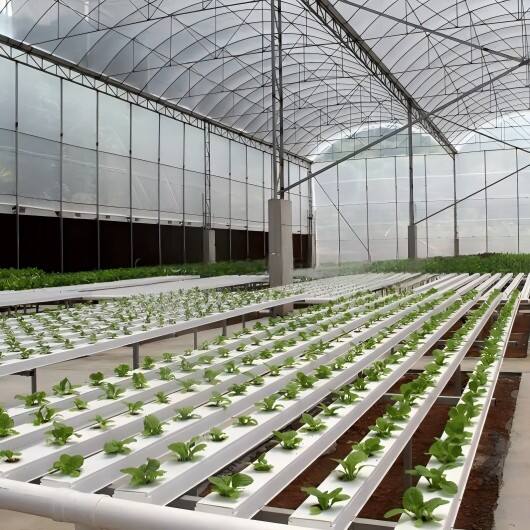
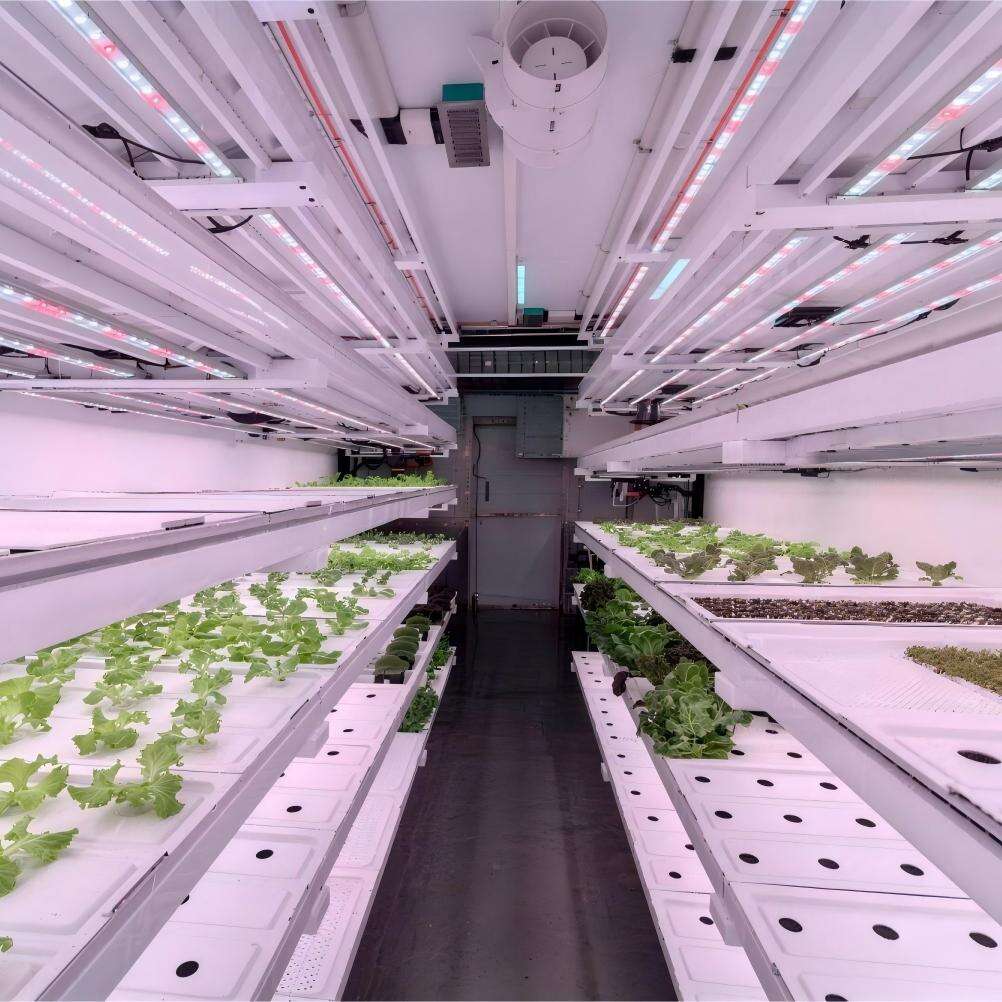
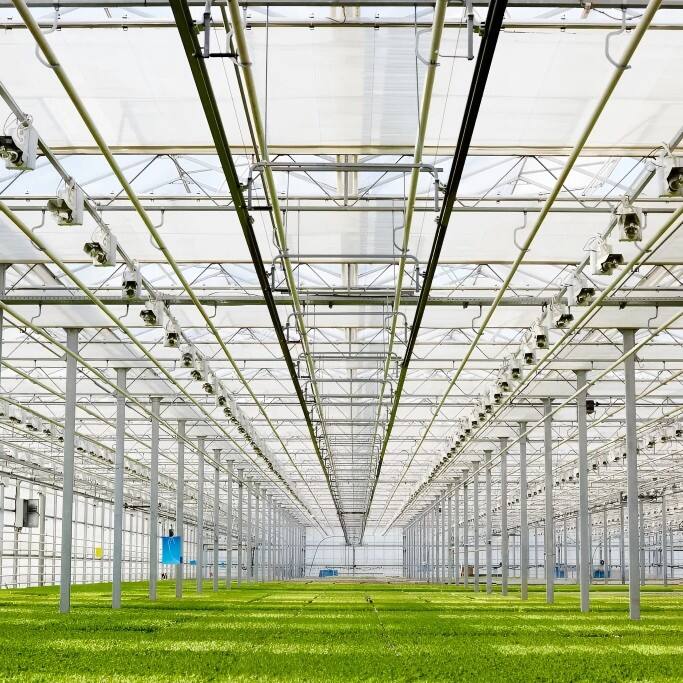
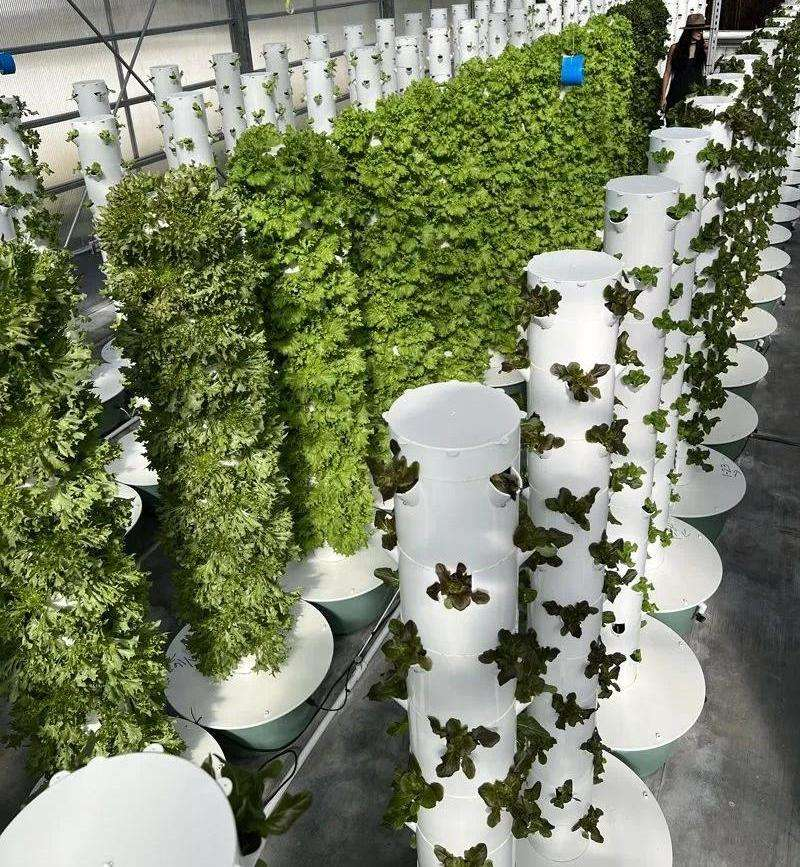
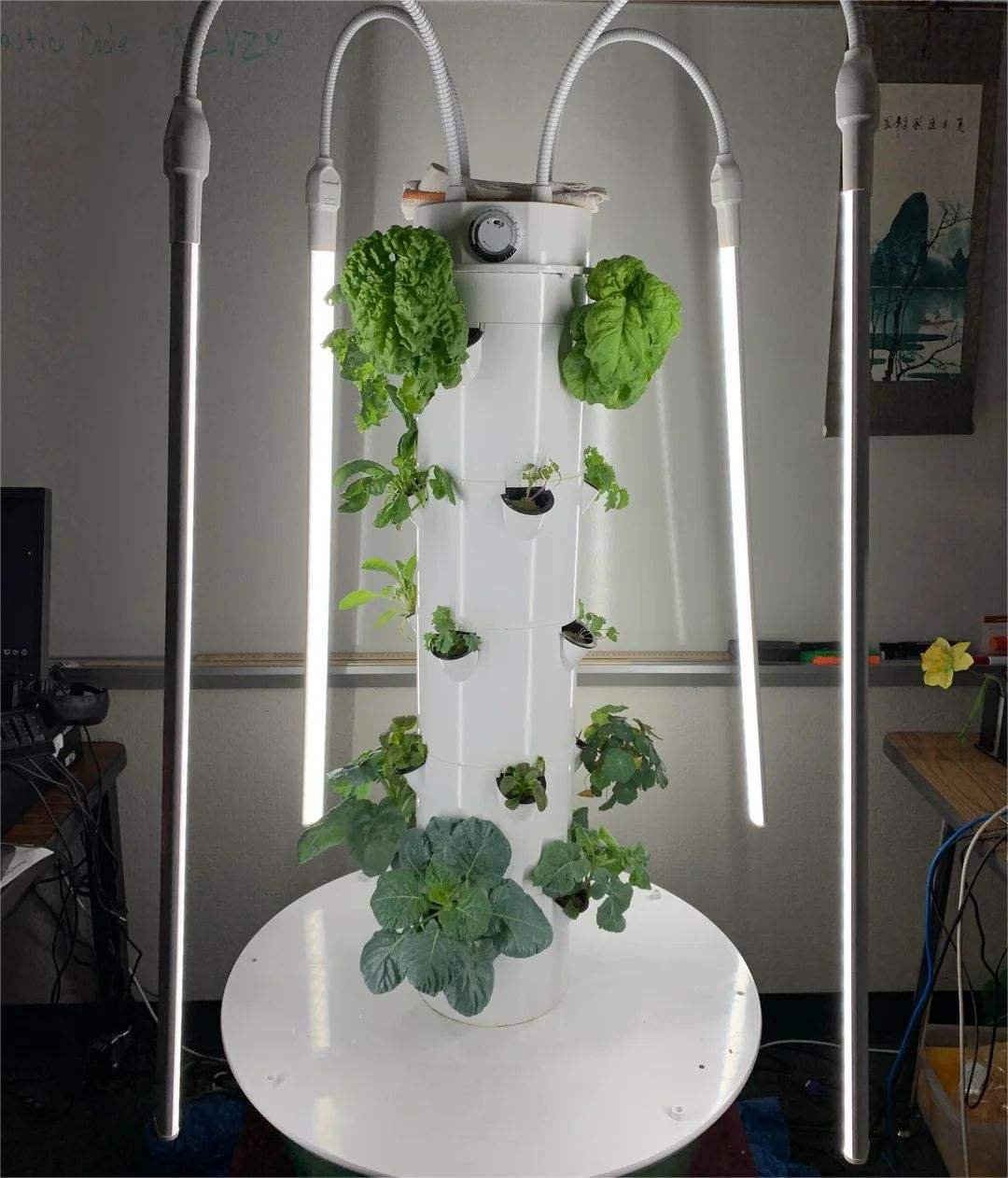
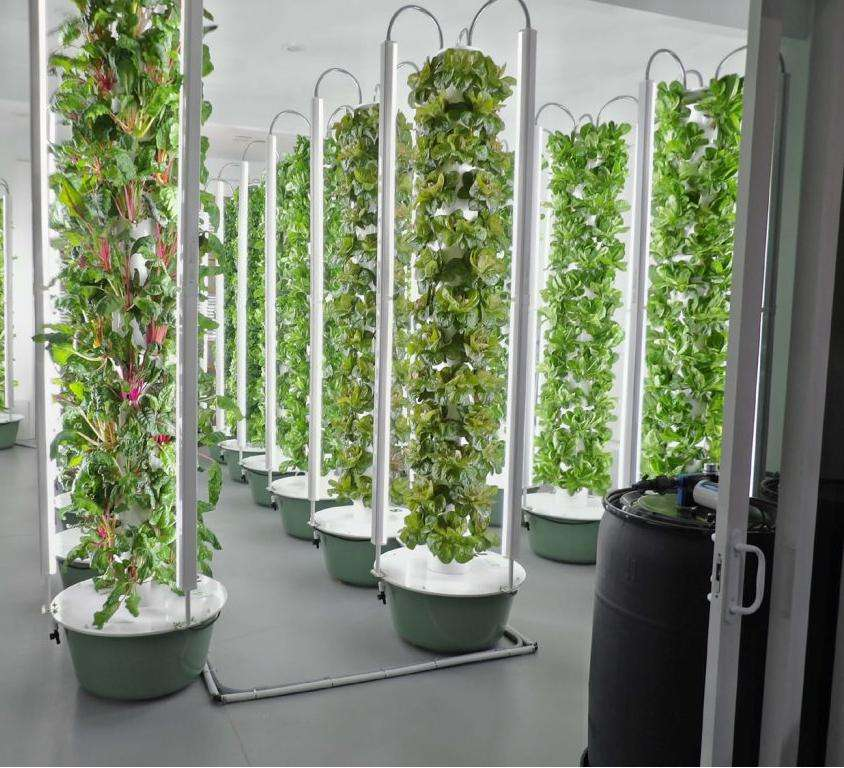
Hydroponic tower farming represents a revolutionary approach to modern agriculture that maximizes growing space through vertical cultivation systems. This innovative farming method utilizes soilless growing techniques, where plants receive nutrients through carefully balanced water solutions delivered directly to their root systems. The hydroponic tower farming structure consists of cylindrical or rectangular towers that can reach heights of 6-12 feet, accommodating multiple planting levels in a compact footprint. Each tower incorporates advanced irrigation systems, LED grow lights, and climate control mechanisms to create optimal growing conditions year-round. The main functions of hydroponic tower farming include nutrient delivery through automated systems, water circulation management, environmental monitoring, and space optimization. Technological features encompass programmable nutrient dosing systems, pH and EC monitoring sensors, automated lighting schedules, temperature regulation, and mobile app connectivity for remote monitoring. The towers utilize various growing media such as rockwool, perlite, or coconut coir to support plant roots while allowing proper drainage and aeration. Applications span commercial agriculture, urban farming initiatives, educational institutions, restaurants seeking fresh produce, and residential gardening enthusiasts. Hydroponic tower farming systems can cultivate leafy greens, herbs, strawberries, tomatoes, peppers, and numerous other crops with remarkable efficiency. The controlled environment eliminates seasonal limitations, enabling continuous harvesting throughout the year. These systems prove particularly valuable in areas with limited arable land, harsh climatic conditions, or water scarcity issues. Modern hydroponic tower farming integrates Internet of Things technology, allowing farmers to monitor and adjust growing parameters remotely through smartphones or computers, ensuring optimal plant health and maximizing yields while minimizing resource consumption and labor requirements.
 ×
×

 EN
EN