
 EN


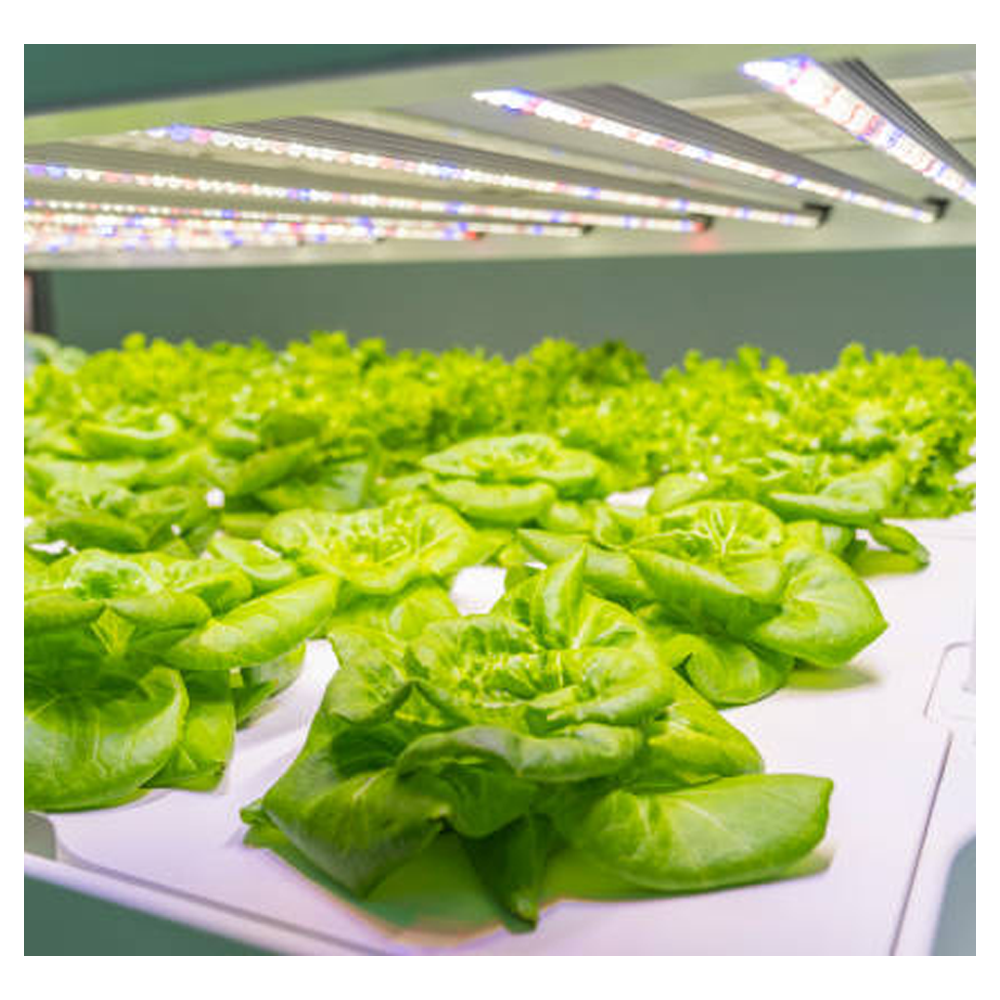
Year-round plant cultivation presents significant challenges for traditional agriculture, from unpredictable weather patterns to seasonal limitations that restrict growing periods and reduce overall productivity. An indoor farm addresses these obstacles by creating a controlled environment where plants receive consistent conditions regardless of external weather or seasonal changes. This technology fundamentally transforms agricultural operations by eliminating weather dependency, extending growing seasons indefinitely, and enabling stable, predictable harvests throughout every month of the year.
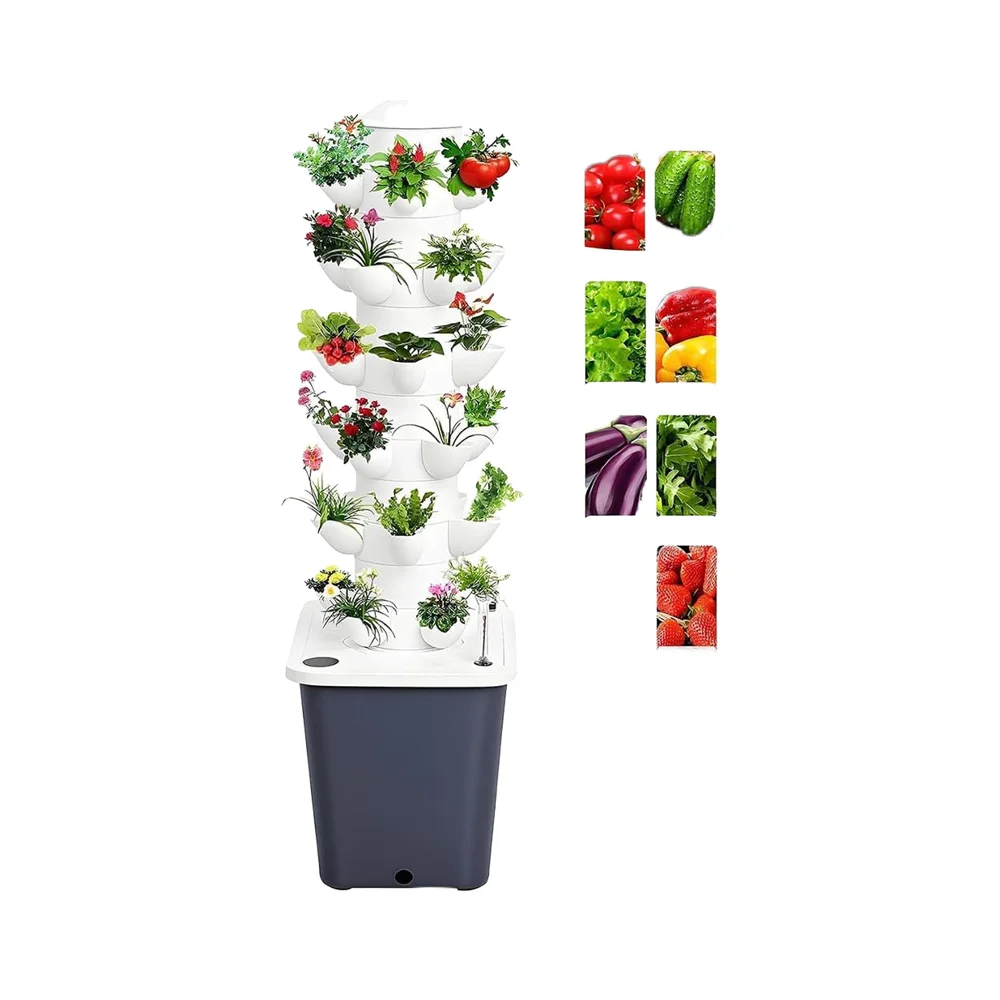
The stability advantage of an indoor farm extends far beyond mere convenience. By maintaining precise environmental controls, these systems deliver consistent nutrient availability, optimal light exposure, and ideal temperature ranges that support vigorous plant development. Agricultural operations using an indoor farm report reduced crop failures, higher yield consistency, and the ability to plan production schedules with confidence. This reliability translates directly into competitive advantages for growers, retailers, and food producers who depend on steady, year-round supply chains.
Climate Control and Environmental Stability
Precision Temperature Management
An indoor farm maintains stable temperatures within narrow parameters that individual crops require for optimal growth. Unlike traditional greenhouses or outdoor fields where temperature fluctuations occur daily and seasonally, an indoor farm environment remains consistent through mechanical heating and cooling systems. This stability eliminates stress on plants that would otherwise experience temperature shock or slow growth during cold seasons. Growers operating an indoor farm can confidently grow heat-sensitive or cold-sensitive varieties year-round without worrying about external weather disrupting their cultivation timeline.
Humidity and Moisture Optimization
Moisture management is critical for plant health, and an indoor farm automates this process with precision that outdoor cultivation cannot achieve. Humidity sensors and automated ventilation systems ensure moisture levels remain within the ideal range for each crop type, preventing both drought stress and fungal diseases that thrive in overly humid conditions. An indoor farm eliminates rain damage, waterlogging, and inconsistent soil moisture that plague outdoor agriculture. This controlled moisture environment is particularly valuable for delicate herbs, leafy greens, and specialty vegetables that require stable conditions to develop quality and flavor profiles consistently.
Nutrient Delivery and Plant Nutrition Stability
Hydroponic System Precision
An indoor farm typically incorporates hydroponic or soilless growing systems that deliver nutrients directly to plant roots in precisely calibrated solutions. These systems eliminate the nutrient variability found in traditional soil cultivation, where weather, seasonal changes, and soil degradation affect nutrient availability. An indoor farm using hydroponic technology ensures every plant receives identical nutrient concentrations throughout its growth cycle, resulting in uniform crop development and predictable maturity timelines. This precision nutrient delivery makes an indoor farm ideal for commercial operations requiring consistent product quality and harvest scheduling.
Elimination of Seasonal Nutrient Depletion
Outdoor and traditional greenhouse cultivation experiences nutrient cycling challenges related to seasons and weather patterns. Soil-based farming requires seasonal fallow periods or cover cropping to restore fertility, interrupting production cycles. An indoor farm maintains continuous nutrient cycling through monitored, recycled hydroponic solutions that remain consistent regardless of external season or weather. Growers can maintain an indoor farm in continuous production mode, harvesting one crop while immediately starting the next without downtime for soil recovery or seasonal transitions. This continuous operational capacity makes an indoor farm dramatically more productive than seasonal or outdoor alternatives over a twelve-month period.
Light Management and Photosynthetic Stability
LED Technology and Light Consistency
An indoor farm relies on LED lighting systems calibrated to deliver precise wavelengths and light intensity that natural sunlight cannot provide consistently. Natural outdoor light varies by season, time of day, cloud cover, and geographic location, creating unpredictable conditions for plant photosynthesis and growth rates. An indoor farm eliminates this variability by providing identical, optimized light exposure every single day of the year. Plants grown in an indoor farm experience no seasonal light reduction, no cloud-related diminishment, and no geographic limitations, enabling growers to achieve consistent growth rates that outdoor cultivation cannot match.
Photoperiod Control for Flowering and Yield
Many crops require specific day-length conditions to trigger flowering and fruiting, and an indoor farm provides complete control over photoperiod through programmable lighting systems. Growers can manipulate the timing of plant reproductive cycles independently of natural seasons, enabling an indoor farm to produce multiple harvests of flowering crops like strawberries or tomatoes annually. This photoperiod control makes an indoor farm invaluable for high-value crops where timing and year-round availability command premium prices. An indoor farm eliminates the long winter day-length restrictions that outdoor growers face, enabling continuous production scheduling that outdoor fields cannot achieve.
Production Predictability and Operational Stability
Consistent Crop Cycles and Harvest Planning
Traditional agriculture struggles with crop variability caused by weather, pest pressures, and seasonal changes that create unpredictable yields and harvest timing. An indoor farm removes these variables, enabling growers to predict maturity dates, harvest volumes, and crop quality with remarkable accuracy. This predictability allows businesses to commit to supply agreements, plan logistics, and schedule staffing with confidence that an indoor farm operations will deliver as promised. The operational stability of an indoor farm translates into reliable revenue streams, reduced inventory risk, and the ability to serve customers with consistent product availability year-round.
Reduced Crop Loss and Quality Consistency
Outdoor and seasonal cultivation experiences crop losses from weather events, pest infestations, and disease outbreaks that vary unpredictably from year to year. An indoor farm dramatically reduces these losses through climate control that prevents weather damage and through isolation from external pest populations. An indoor farm also eliminates the chemical pesticide applications required in conventional agriculture, enabling growers to produce cleaner, higher-quality crops with more consistent nutritional profiles. This combination of reduced loss and improved quality makes an indoor farm increasingly attractive to premium market segments and food retailers seeking reliable, year-round supply of high-quality produce.
FAQ
How does an indoor farm maintain consistent growing conditions throughout the year?
An indoor farm uses automated climate control systems, LED lighting, and hydroponic nutrient delivery to maintain precise temperature, humidity, light, and nutrition levels independent of external seasons or weather. These controlled parameters remain identical year-round, enabling plants to grow at consistent rates and mature on predictable schedules regardless of whether it is January or July outside the facility.
Can an indoor farm achieve higher yields than traditional outdoor cultivation?
Yes, an indoor farm typically achieves significantly higher yields per square foot because it eliminates seasonal production gaps, optimizes light and nutrients, and reduces crop losses from weather and pests. Because an indoor farm can operate continuously without seasonal downtime, annual production volume per facility often exceeds outdoor farms by 400% to 600% depending on the crop type and system design.
What types of crops benefit most from indoor farm cultivation?
Leafy greens, herbs, microgreens, and specialty vegetables thrive in indoor farm environments because they grow quickly under controlled conditions and command premium prices for year-round availability. However, an indoor farm can also cultivate strawberries, tomatoes, peppers, and cucumbers by providing appropriate photoperiod control and structural support, making nearly any crop viable for year-round indoor farm production in commercial settings.