
 EN


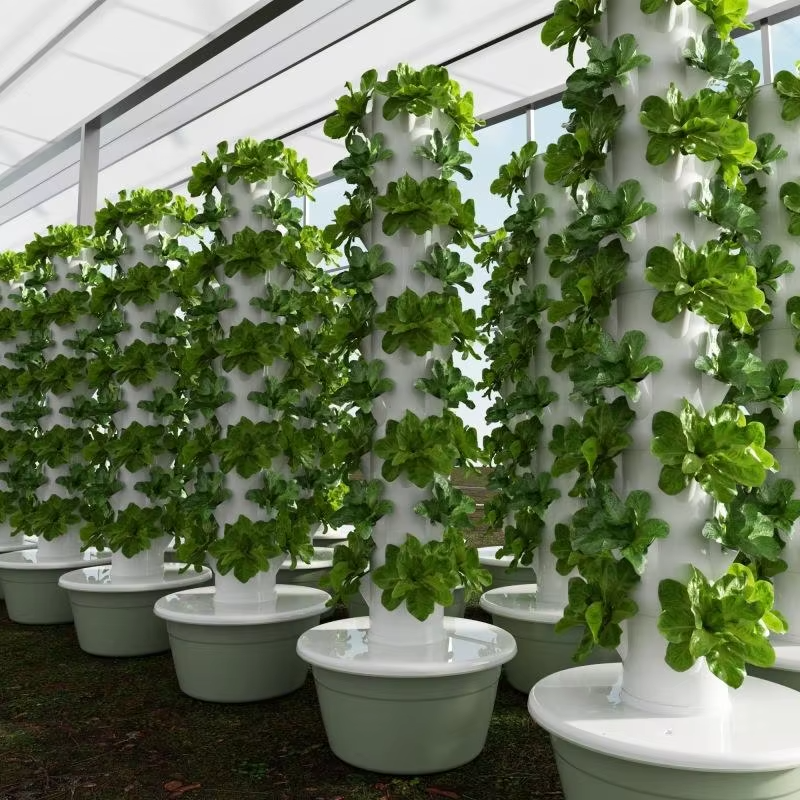
Vertical farming solutions have become a transformative force in modern agriculture, fundamentally changing how food is grown and distributed globally. The adoption of vertical farming solutions across the controlled environment agriculture sector reflects a strategic shift toward sustainability, efficiency, and year-round production capability. Growers and agricultural enterprises are increasingly turning to vertical farming solutions because they address critical challenges in traditional farming, including land scarcity, water waste, climate dependency, and unpredictable yields. Understanding why vertical farming solutions have achieved such widespread adoption provides valuable insight into the future of food production and the competitive advantages these systems deliver.
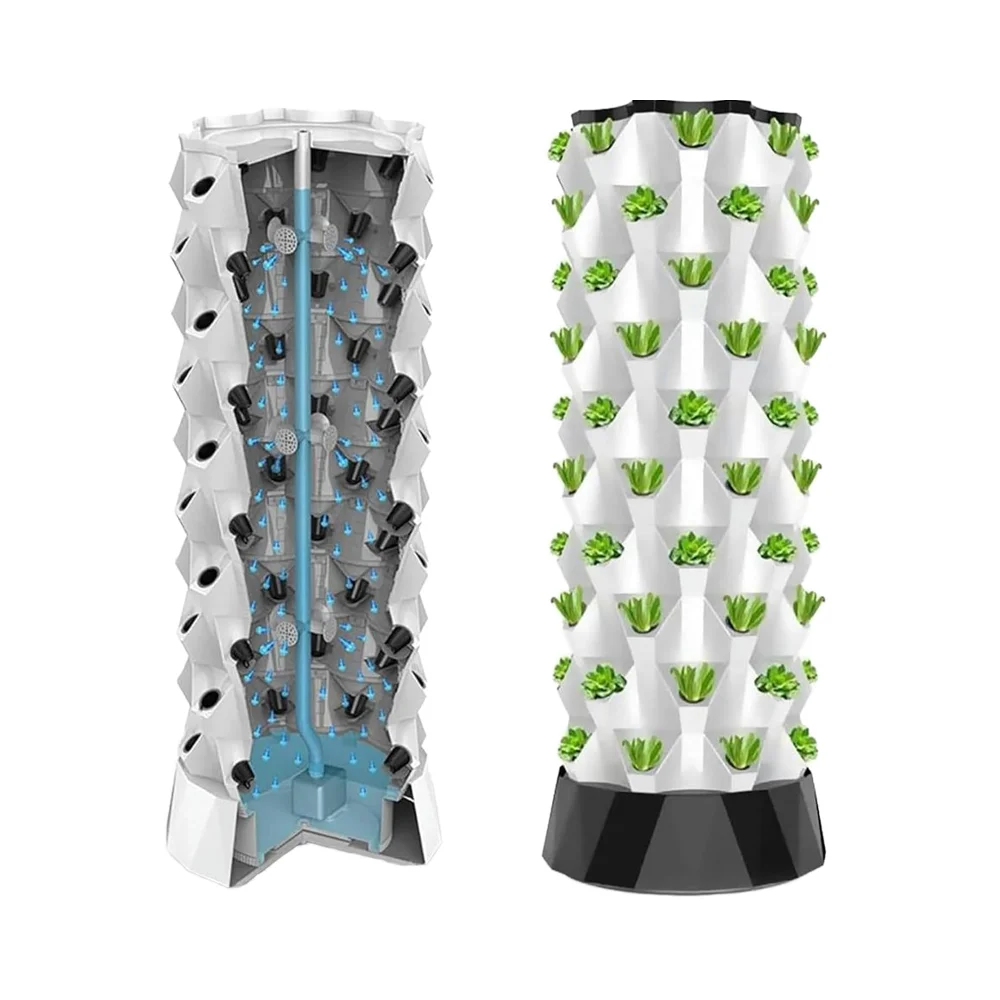
The shift toward vertical farming solutions represents more than a technological trend; it reflects a fundamental change in how producers approach resource management and food security. Vertical farming solutions enable controlled environment agriculture operations to optimize every variable—from light spectrum and nutrient delivery to temperature and humidity levels—creating conditions that maximize plant growth while minimizing environmental impact. This level of control and precision has made vertical farming solutions the preferred choice for operations seeking to boost productivity, reduce operational costs, and meet growing consumer demand for locally produced, pesticide-free crops.
Operational Efficiency and Year-Round Production
Consistent Yields Through Environmental Control
One of the primary reasons vertical farming solutions have gained widespread adoption is their ability to deliver consistent, predictable yields regardless of external weather conditions. Traditional field agriculture faces inherent uncertainty: unpredictable rainfall, temperature fluctuations, frost damage, and pest pressure all threaten crop viability. Vertical farming solutions eliminate these variables by maintaining precise environmental parameters within controlled structures. Growers using vertical farming solutions can produce crops year-round without seasonal interruption, dramatically increasing annual output per square foot of land. This consistency transforms agriculture from a weather-dependent gamble into a reliable, scalable business model.
Extended Growing Seasons and Multiple Crop Cycles
Vertical farming solutions enable multiple harvest cycles per year, fundamentally changing crop economics. A conventional greenhouse or field-based operation may harvest leafy greens three to four times annually, but vertical farming solutions can support six, eight, or even more productive cycles within the same timeframe. This multiplication of crop cycles directly increases revenue per square foot and justifies the capital investment in controlled environment infrastructure. Vertical farming solutions also allow growers to extend production into off-season periods when market prices are highest, creating significant competitive and financial advantages. The ability to control photoperiod, nutrient availability, and climate conditions means vertical farming solutions compress growth cycles—some crops mature 20–30% faster than in traditional systems.
Resource Efficiency and Sustainability Impact
Water Conservation and Nutrient Optimization
Water scarcity is one of the most pressing challenges in global agriculture, making vertical farming solutions increasingly critical for sustainable food production. Vertical farming solutions use up to 95% less water than field-based agriculture through recirculating hydroponic and aeroponic systems that capture and reuse nutrient solutions. This dramatic reduction resonates strongly with environmentally conscious consumers, regulators focused on water conservation, and producers operating in water-stressed regions. Vertical farming solutions also enable precise nutrient delivery—plants receive exactly what they need, when they need it—eliminating runoff pollution and reducing fertilizer waste. For agricultural enterprises operating under water restrictions or high water costs, vertical farming solutions provide an economically and environmentally superior alternative to conventional farming.
Reduced Chemical Input and Disease Management
Vertical farming solutions create enclosed, controlled environments where pest pressure and disease incidence are dramatically lower than in open-field agriculture. Because vertical farming solutions operate in sealed or highly controlled structures, pesticide requirements drop substantially—many operations eliminate synthetic pesticides entirely. This reduction in chemical inputs appeals to premium market segments demanding organic or pesticide-free produce and simplifies regulatory compliance across multiple jurisdictions. Vertical farming solutions also reduce fungal and bacterial diseases by controlling humidity, airflow, and sanitization protocols. Growers adopting vertical farming solutions often achieve superior food safety profiles and can command higher prices through premium positioning.
Land Use and Urban Agriculture Expansion
Maximizing Productivity in Limited Space
Urban and peri-urban regions face severe land constraints, making traditional agriculture economically unviable. Vertical farming solutions directly address this challenge by producing ten to twenty times more food per square foot compared to field agriculture. A single vertical farming solutions facility occupying one acre of land can produce output equivalent to five to ten conventional acres. This dramatic land use efficiency makes vertical farming solutions the viable pathway for urban agriculture initiatives, rooftop farms, and food production in densely populated regions. Vertical farming solutions also reduce transportation distances, lowering logistics costs and carbon footprint while improving product freshness—critical value drivers for urban consumers.
Accessibility for Emerging and Developing Markets
Vertical farming solutions are particularly transformative in regions with limited arable land, degraded soils, or challenging climates. Countries in arid regions, areas with contaminated agricultural land, or densely populated nations with minimal farmland can deploy vertical farming solutions to achieve food self-sufficiency without depending on agricultural imports. Vertical farming solutions adapt to any climate—from arctic regions to tropical areas—because the growing environment is engineered rather than dependent on natural conditions. This universality has driven rapid adoption of vertical farming solutions across diverse geographic regions and economic contexts, making controlled environment agriculture accessible to markets previously dependent on imported fresh produce.
Economic Viability and Market Positioning
Premium Market Segments and Price Differentiation
Produce grown using vertical farming solutions commands premium pricing in multiple consumer segments: organic buyers, local food advocates, health-conscious consumers, and restaurants seeking consistent, pesticide-free supplies. Vertical farming solutions enable producers to communicate compelling value propositions—year-round availability, superior freshness, pesticide-free certification, and locally produced credentials—that justify price premiums of 20–50% above conventional produce. This price advantage directly improves profitability per unit, offsetting the higher operational costs associated with vertical farming solutions infrastructure. Vertical farming solutions also enable supply chain differentiation: restaurants and retailers can highlight local vertical farming solutions partnerships, creating competitive advantages and customer loyalty.
Labor Efficiency and Automation Integration
Vertical farming solutions streamline labor requirements through mechanized harvesting, automated nutrient dosing, climate control systems, and data-driven monitoring. Modern vertical farming solutions integrate sensors, automation, and artificial intelligence to optimize growing conditions and reduce manual intervention. Labor cost reductions of 30–50% are achievable through vertical farming solutions compared to traditional greenhouse operations, particularly when harvesting is mechanized. As labor costs continue rising globally, this economic advantage reinforces the competitive positioning of vertical farming solutions. Integration of automation into vertical farming solutions also attracts investment capital and improves operational scalability—investors view automation-enabled vertical farming solutions as lower-risk, higher-growth assets.
FAQ
What specific crops are best suited to vertical farming solutions?
Leafy greens including lettuce, spinach, arugula, and microgreens remain the primary crops grown in vertical farming solutions due to short growth cycles, high market value, and suitability for stacked growing systems. However, vertical farming solutions technology is expanding to include herbs, peppers, strawberries, and specialty crops. The economics of vertical farming solutions favor crops with rapid growth cycles, high market prices, and minimal root depth requirements. As vertical farming solutions technology improves and production costs decline, profitability expands to broader crop categories, making the range of viable vertical farming solutions crops continuously wider.
How do vertical farming solutions compare to traditional greenhouse operations?
Vertical farming solutions offer superior environmental control, higher productivity per square foot, and lower water consumption compared to traditional greenhouses, but require higher capital investment and more sophisticated management. Vertical farming solutions enable stacking and year-round production independent of outdoor climate, while greenhouses remain partially dependent on natural light and seasonal conditions. Vertical farming solutions justify higher operational costs through premium pricing, multiple crop cycles, and reduced resource waste. For operations targeting premium markets and seeking maximum productivity from limited land, vertical farming solutions outperform conventional greenhouses economically.
What are the key challenges in implementing vertical farming solutions?
Initial capital costs, energy consumption for artificial lighting, technical expertise requirements, and market access remain primary challenges for vertical farming solutions adoption. Energy efficiency improvements and declining LED costs are rapidly reducing this barrier. Vertical farming solutions also require skilled management and data literacy—operations must monitor and optimize multiple environmental parameters continuously. Market access and distribution logistics can challenge smaller vertical farming solutions producers, though cooperative models and aggregation platforms are emerging to address this constraint. Despite these challenges, vertical farming solutions adoption continues accelerating as technology matures and economic benefits become increasingly demonstrable.