
 EN


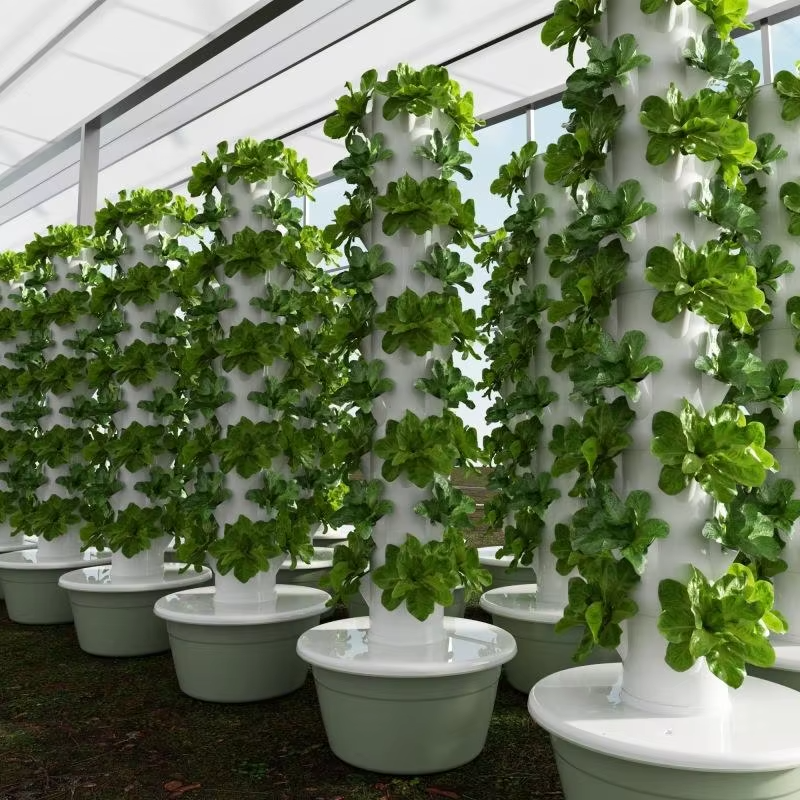
Vertical farming solutions represent a fundamental shift in how modern agriculture approaches food production, environmental sustainability, and resource efficiency. These integrated systems leverage controlled environment agriculture to grow crops in vertically stacked layers, dramatically increasing yield per square foot while minimizing water consumption and eliminating soil-based constraints. Understanding how vertical farming solutions optimize production requires examining the technological framework, operational mechanics, and strategic advantages that make these systems essential for contemporary growers seeking to meet growing food demand in urban and resource-limited environments.
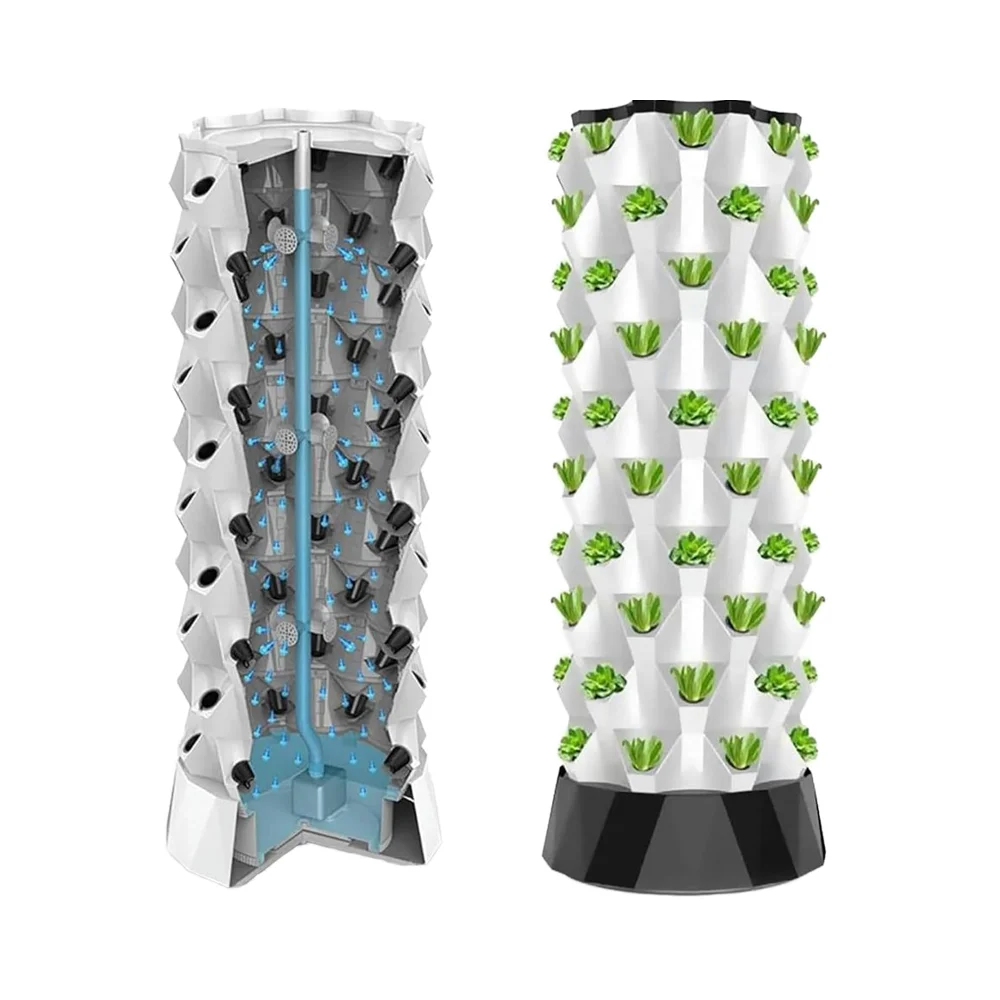
The optimization potential of vertical farming solutions extends across every dimension of agricultural production, from lighting and climate control to nutrient delivery and harvest scheduling. Growers implementing these systems typically report yield increases of 400 to 500 percent compared to traditional field agriculture, achieved through precise environmental management and continuous growing cycles. This article explores the core mechanisms through which vertical farming solutions enhance production efficiency, reduce operational costs, and enable year-round cultivation in any geographic location or climate condition.
Core Technology and System Architecture in Vertical Farming Solutions
Hydroponic and Aeroponic Integration
Modern vertical farming solutions rely on hydroponic and aeroponic systems that deliver nutrients directly to plant roots without soil. These vertical farming solutions use nutrient-rich water solutions circulated through channels, towers, or mist chambers, ensuring optimal absorption while reducing waste by up to 95 percent compared to traditional irrigation. The precision of vertical farming solutions in nutrient dosing eliminates deficiencies and toxicities, producing healthier crops with superior nutritional density. Aeroponic variants within vertical farming solutions nebulize nutrient solutions directly onto roots, further reducing water consumption and accelerating growth cycles while maintaining root aeration for vigorous development.
Lighting Systems and Spectrum Optimization
Vertical farming solutions integrate advanced LED lighting systems calibrated to specific wavelengths required for photosynthesis, eliminating dependence on natural sunlight. These vertical farming solutions employ spectrum optimization technology that adjusts light wavelengths throughout crop growth stages, maximizing photosynthetic efficiency and reducing energy consumption by 30 to 40 percent compared to earlier lighting technologies. The precision of vertical farming solutions in light delivery allows for 24-hour growing cycles or customized photoperiods that accelerate crop maturation and improve yield quality. Growers implementing vertical farming solutions report consistent crop quality and predictable harvest schedules because environmental variables remain stable regardless of external weather or seasonal conditions.
Environmental Control and Production Optimization
Climate and Atmosphere Regulation
Vertical farming solutions employ sophisticated HVAC systems that maintain optimal temperature, humidity, and carbon dioxide levels throughout cultivation cycles. These vertical farming solutions create microclimate precision that prevents fungal diseases, pest infestations, and environmental stress, reducing crop losses to near zero while eliminating pesticide requirements. The environmental consistency achieved through vertical farming solutions allows growers to predict crop performance with remarkable accuracy, enabling precise scheduling of plantings, harvests, and resource allocation. Advanced vertical farming solutions incorporate real-time monitoring sensors that track dozens of environmental parameters and trigger automated adjustments, ensuring continuous optimization without manual intervention or environmental fluctuation.
Water Conservation and Resource Efficiency
Vertical farming solutions conserve water through closed-loop recycling systems that capture and recirculate nutrient solutions, reducing consumption by 95 to 99 percent compared to field agriculture. This resource efficiency is particularly valuable in water-stressed regions where traditional agriculture becomes economically and environmentally unsustainable. Vertical farming solutions eliminate agricultural runoff and groundwater contamination, delivering environmental benefits beyond production optimization. The water savings from vertical farming solutions translate directly to reduced operational costs and long-term sustainability advantages, making these systems increasingly attractive to growers operating in areas facing water scarcity or environmental regulations restricting agricultural water withdrawal.
Operational Efficiency and Economic Performance
Labor Reduction and Scalability
Vertical farming solutions reduce labor requirements through automation of planting, irrigation, environmental monitoring, and harvesting processes. Many vertical farming solutions incorporate robotic systems that perform detailed crop management tasks, allowing small teams to manage production volumes that would require dozens of workers in traditional agriculture. The scalability of vertical farming solutions enables growers to expand production by adding vertical layers or facility modules without proportionally increasing labor costs. This operational efficiency transforms vertical farming solutions into viable business models even in high-wage regions where traditional farming struggles with labor economics, opening cultivation opportunities in urban centers and developed economies previously inaccessible to agricultural production.
Predictable Yields and Crop Planning
Vertical farming solutions deliver unprecedented yield predictability because environmental variables remain constant and controlled, eliminating crop failure risks from weather, pests, or soil depletion. Growers deploying vertical farming solutions can forecast production volumes months in advance with confidence, enabling reliable supply contracts and buyer commitments impossible with field agriculture. The consistency provided by vertical farming solutions reduces inventory uncertainty and spoilage, improving working capital efficiency and market responsiveness. Advanced vertical farming solutions track historical data from thousands of crop cycles, generating performance algorithms that predict optimal planting dates, nutrient schedules, and harvest timing to maximize quality and yield for specific crop varieties.
FAQ
What types of crops grow best in vertical farming solutions?
Leafy greens including lettuce, spinach, kale, and microgreens perform exceptionally well in vertical farming solutions because they require moderate light and nutrient levels while delivering high market value. Herbs such as basil, cilantro, and parsley thrive in vertical farming solutions and command premium prices in fresh markets. Strawberries and other high-value specialty crops are increasingly cultivated using vertical farming solutions due to improved yields and extended growing seasons. Lower-value staple crops like corn and wheat remain challenging in vertical farming solutions due to higher energy requirements and reduced economic advantage, though technology continues advancing toward wider crop compatibility.
What is the initial investment required for vertical farming solutions?
Initial investment for vertical farming solutions ranges from $250,000 to $2 million depending on facility size, automation level, and technology sophistication. Small-scale vertical farming solutions suitable for local market supply may cost $100,000 to $400,000, while commercial-scale facilities require investments approaching $5 million or more. Operating costs for vertical farming solutions typically range from $5 to $15 per pound of produce, varying based on crop type, energy pricing, and labor availability. Return on investment for vertical farming solutions generally occurs within 3 to 7 years, depending on market prices, facility utilization rates, and operational efficiency, making these systems financially viable despite higher upfront capital requirements compared to traditional agriculture.
How do vertical farming solutions compare to traditional greenhouse agriculture?
Vertical farming solutions achieve 4 to 10 times higher yields per square foot than traditional greenhouses through vertical stacking and optimization of every environmental variable. While greenhouses depend partially on natural light and seasonal conditions, vertical farming solutions operate independently of external weather or geographic location, enabling cultivation anywhere. Vertical farming solutions consume 95 percent less water than greenhouses and eliminate pesticide use entirely through controlled environments, delivering superior environmental performance. Traditional greenhouses typically cost less to construct initially but deliver lower yields and production consistency, making vertical farming solutions increasingly competitive as technology matures and energy costs stabilize across markets.