
 EN


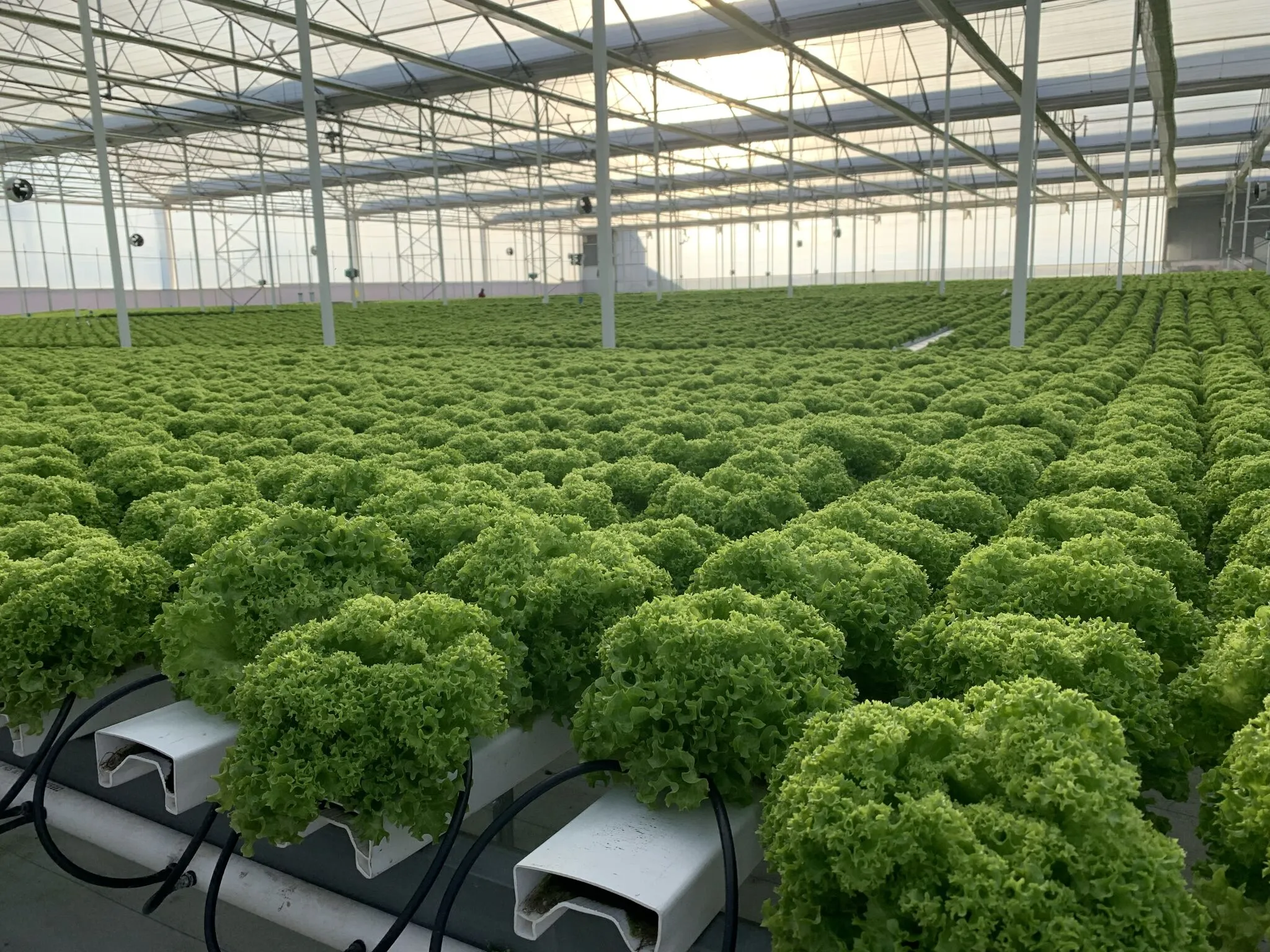
The global agricultural sector faces unprecedented pressure to produce more food with fewer resources. Vertical farming solutions represent a transformative approach to modern farming that directly addresses this challenge by fundamentally reimagining how crops are grown. Unlike traditional field-based agriculture, vertical farming solutions leverage advanced technology, controlled environments, and innovative growing methods to maximize output while minimizing resource consumption. Organizations adopting vertical farming solutions are discovering that these systems deliver substantial improvements in water efficiency, energy optimization, and land utilization. This transformation extends far beyond simple productivity gains; vertical farming solutions reshape the entire economics and sustainability profile of farming operations.
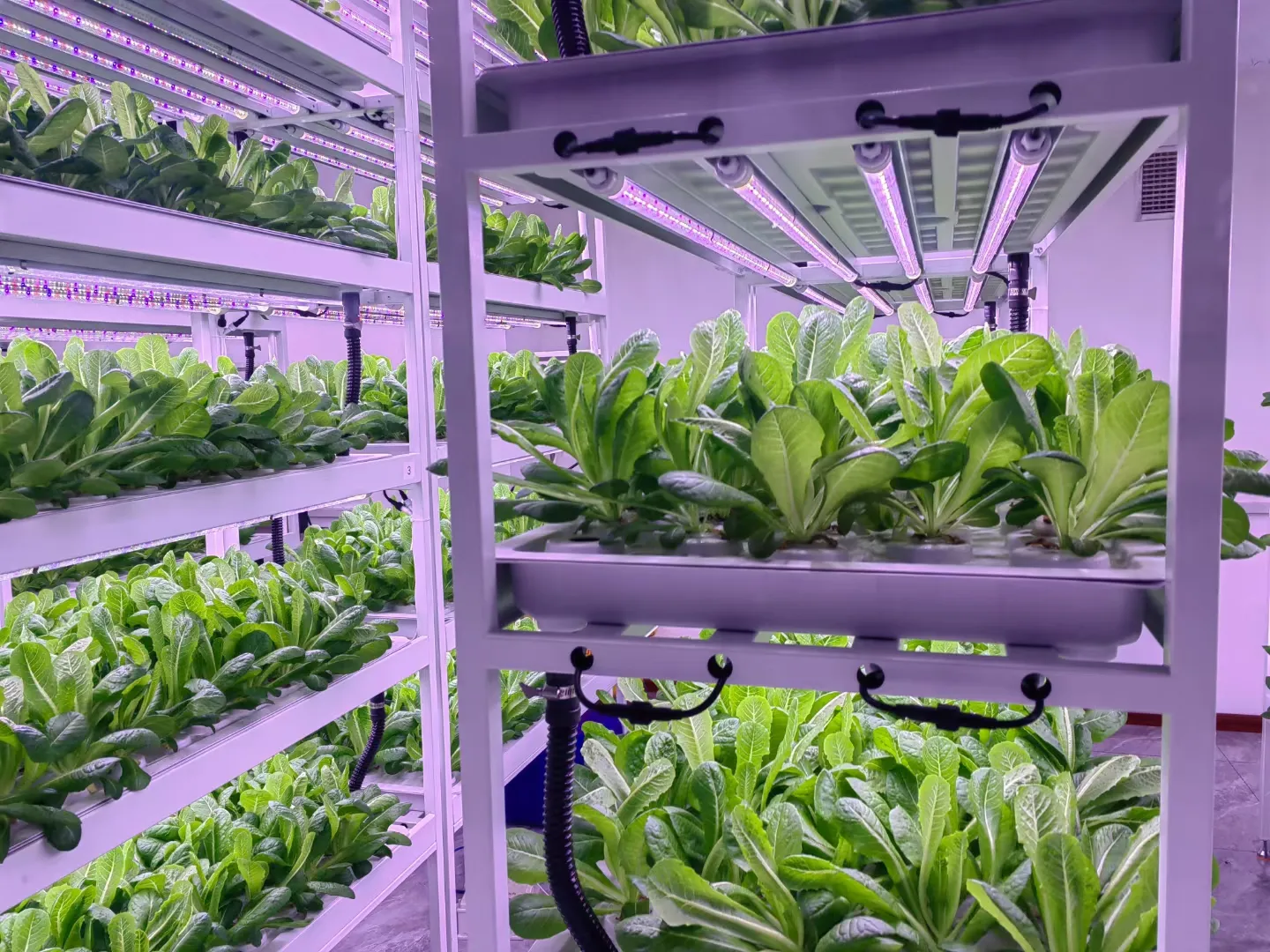
Understanding how vertical farming solutions improve resource efficiency requires examining the specific mechanisms that distinguish them from conventional agriculture. Vertical farming solutions integrate hydroponic and aeroponic growing systems, artificial lighting, climate control technology, and data-driven monitoring into cohesive platforms that operate with unprecedented precision. When farming operations implement vertical farming solutions, they gain control over virtually every environmental variable that affects crop growth, from nutrient delivery to light exposure to humidity levels. This level of control enables vertical farming solutions to eliminate waste, reduce dependency on natural weather cycles, and accelerate crop maturation cycles. The result is a farming model where every cubic foot of space, every drop of water, and every kilowatt of energy generates measurable economic and environmental value.
Water Efficiency Through Advanced Vertical Farming Solutions
Precision Water Delivery in Vertical Farming Solutions
Water scarcity represents one of the most pressing challenges for modern agriculture globally. Vertical farming solutions address this crisis directly by delivering water to crops with extraordinary precision, reducing waste to near-zero levels. Traditional field agriculture loses approximately seventy percent of water to evaporation and runoff, while vertical farming solutions capture and recirculate nearly ninety-five percent of water used in the growing process. The hydroponic and aeroponic systems embedded in vertical farming solutions deliver nutrient-rich water directly to plant roots, eliminating the inefficiencies of soil-based irrigation. Farms implementing vertical farming solutions report water consumption reductions of up to ninety-five percent compared to conventional outdoor growing, translating directly into lower operating costs and reduced environmental impact.
Closed-Loop Water Systems in Vertical Farming Solutions
The closed-loop nature of vertical farming solutions fundamentally transforms water management in farming operations. Vertical farming solutions utilize recycling mechanisms that capture excess water, filter it, rebalance nutrient content, and return it to the growing system for continuous reuse. This circular approach means that vertical farming solutions require only minimal water replenishment to account for plant uptake and evaporative loss. The integrated monitoring systems in modern vertical farming solutions track water quality parameters in real time, automatically adjusting filtration and nutrient composition to maintain optimal conditions. Farms that deploy vertical farming solutions across multiple growing zones can aggregate and optimize water management across entire operations, creating enterprise-scale efficiencies impossible in traditional farming structures.
Energy Optimization and Resource Management in Vertical Farming Solutions
Smart Lighting Systems Within Vertical Farming Solutions
Lighting represents the largest energy expense in indoor vertical farming solutions, yet modern technology has dramatically reduced these costs through intelligent system design. Vertical farming solutions employ LED technology with spectral tuning capabilities that deliver precisely the wavelengths plants require for photosynthesis, eliminating wasteful energy consumption on unused light spectrum regions. Advanced vertical farming solutions incorporate motion sensors, growth-stage algorithms, and daylight harvesting systems that automatically adjust lighting intensity and duration based on actual crop needs and ambient light conditions. These intelligent vertical farming solutions reduce lighting energy consumption by thirty to forty percent compared to earlier generation systems while simultaneously improving crop yields and quality. The economic advantage becomes clear when farming operations calculate cumulative energy savings across thousands of plants and multiple growing cycles annually.
Climate Control Efficiency in Vertical Farming Solutions
Environmental control in vertical farming solutions extends beyond simple temperature management to encompass humidity, carbon dioxide levels, and air circulation patterns optimized for crop performance. Vertical farming solutions leverage insulation, waste-heat recovery systems, and demand-controlled ventilation to minimize heating and cooling requirements while maintaining ideal growing conditions. The enclosed structure of vertical farming solutions prevents heat loss to external environments and captures thermal energy from LED lighting systems for redistribution within growing zones. Automated climate systems in vertical farming solutions adjust all environmental parameters simultaneously, preventing energy waste from competing subsystems or manual adjustments. Farms utilizing vertical farming solutions achieve year-round climate stability independent of external weather, enabling consistent harvests and eliminating crop losses to seasonal weather extremes.
Land Efficiency and Crop Yield Multiplication Through Vertical Farming Solutions
Spatial Productivity in Vertical Farming Solutions
Vertical farming solutions multiply productive growing space by stacking cultivation layers vertically, enabling ten to fifty times greater annual crop production per square foot compared to field agriculture. Traditional farming operations producing lettuce on a single-acre plot might harvest approximately ten tons annually, while the same footprint dedicated to vertical farming solutions could generate more than one hundred tons of identical crops in the same time period. This dramatic productivity multiplication emerges from the complete control that vertical farming solutions provide over growth conditions, enabling accelerated maturation cycles and multiple consecutive crops annually from identical growing space. Urban farming operations benefit particularly from vertical farming solutions because they enable food production on small land parcels in densely populated regions, fundamentally changing the economics and sustainability profile of local food systems. The elimination of fallow periods and weather-induced dormancy in vertical farming solutions means that every square foot generates revenue continuously throughout the year.
Crop Quality and Consistency in Vertical Farming Solutions
The standardized, controlled growing environment of vertical farming solutions produces crops with superior consistency, nutritional density, and shelf life compared to field-grown alternatives. Vertical farming solutions eliminate pesticide applications entirely because enclosed environments prevent pest infiltration, producing cleaner crops that require minimal post-harvest processing. The precise nutrient delivery mechanisms in vertical farming solutions enable growers to optimize mineral composition and flavor profiles within specific crop varieties, commanding price premiums in specialty and fresh produce markets. Farming operations deploying vertical farming solutions experience virtually zero crop losses to weather, pests, or disease, translating every investment in cultivation into harvestable product. The quality consistency enabled by vertical farming solutions allows growers to establish supply contracts with restaurants, retailers, and institutional buyers who demand uniform produce characteristics.
FAQ
What specific water and energy savings should I expect from vertical farming solutions?
Farms implementing vertical farming solutions typically achieve water savings of eighty-five to ninety-five percent compared to conventional field agriculture, with energy reductions of thirty to fifty percent through optimized LED systems and climate control. These improvements translate to operational cost reductions of forty to sixty percent per pound of crop produced over five-year operating periods. The exact savings depend on crop type, initial system design, local utility costs, and existing water availability, but virtually all vertical farming solutions demonstrate measurable resource efficiency advantages within twelve to eighteen months of operation.
How do vertical farming solutions compare to traditional hydroponic farming systems?
While traditional hydroponic farming improves over field agriculture, vertical farming solutions integrate hydroponic technology with vertical stacking, automated climate control, intelligent lighting, and data monitoring into comprehensive platforms that deliver superior efficiency. Vertical farming solutions specifically address the space utilization limitations of horizontal hydroponic operations, enabling production in urban environments and creating scalability advantages. The integrated automation in vertical farming solutions reduces labor requirements significantly compared to traditional systems while improving crop consistency and reducing resource waste through real-time optimization.
Can vertical farming solutions work for all crop types?
Vertical farming solutions perform exceptionally well for high-value leafy greens, herbs, microgreens, and specialty vegetables with short maturation cycles and high per-unit market value. Root vegetables and grains with lengthy growing periods present economic challenges in vertical farming solutions due to extended resource consumption periods, though technology advances continue expanding viable crop options. vertical farming solutions designed for specific crop categories deliver better returns than generalized systems, making crop selection optimization essential for farming operation profitability.