
 EN



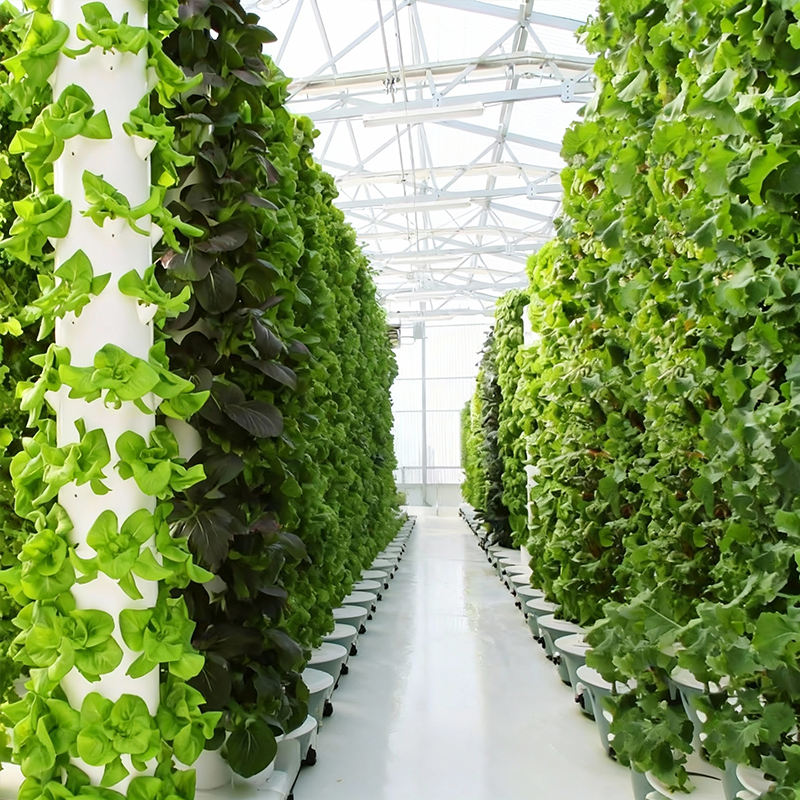
A hydroponic farming system fundamentally changes how plants access nutrients by delivering them directly through water rather than soil. This method requires careful balance to ensure plant roots absorb the right amount of nutrients without experiencing deficiency or toxicity. Unlike traditional soil farming where nutrient availability fluctuates with microbial activity and mineral weathering, a hydroponic farming system provides stable, measurable nutrient concentrations that growers can adjust in real time. Understanding how a hydroponic farming system maintains this nutrient equilibrium is essential for anyone planning to implement this advanced growing technology in commercial or residential settings.
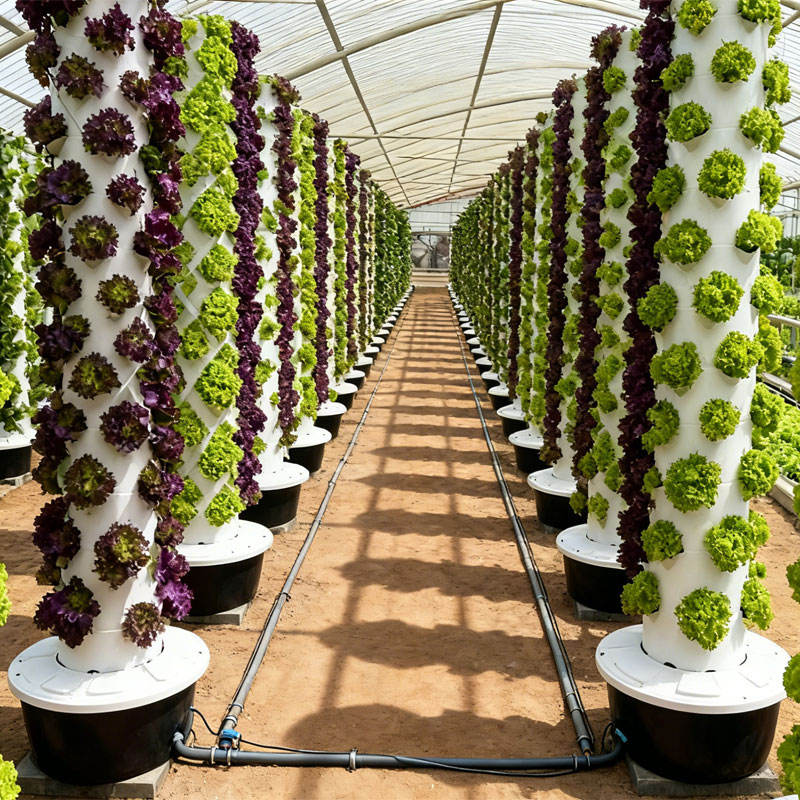
The success of any hydroponic farming system depends on maintaining optimal conditions in the nutrient solution that bathes the plant roots. When a hydroponic farming system operates correctly, roots remain in constant contact with dissolved nutrients, water, and oxygen. However, this direct exposure means that any imbalance in the solution composition directly affects plant health. A hydroponic farming system must continuously monitor electrical conductivity, pH levels, and nutrient concentrations to prevent root burn, nutrient lockout, or stunted growth. This article explores the mechanisms through which a hydroponic farming system achieves nutrient balance and the practical strategies growers use to maintain it.
Nutrient Solution Composition in Hydroponic Farming Systems
Understanding Macro and Micronutrient Ratios
A properly formulated hydroponic farming system nutrient solution contains all 16 essential plant elements in precise ratios. The macronutrients nitrogen, phosphorus, and potassium form the foundation of the solution, while secondary nutrients like calcium, magnesium, and sulfur support specific plant functions. A hydroponic farming system must supply micronutrients including iron, manganese, zinc, copper, boron, and molybdenum in much smaller quantities. The hydroponic farming system grower must source these nutrients from hydroponic-grade fertilizers specifically formulated for soilless cultivation. When a hydroponic farming system maintains correct nutrient ratios, plant roots absorb elements proportionally to their growth stage requirements.
pH Balance and Nutrient Availability
A hydroponic farming system cannot deliver nutrients effectively if pH falls outside the optimal range of 5.5 to 6.5 for most vegetable crops. At this pH range, a hydroponic farming system ensures that all nutrient ions remain in forms that plant roots can readily absorb. When a hydroponic farming system's pH becomes too acidic or too alkaline, certain nutrients precipitate out of solution or become chemically locked, even though they technically exist in the tank. A hydroponic farming system operator must check pH daily and adjust it using pH Up or pH Down solutions to prevent nutrient lockout. This constant vigilance exemplifies why a hydroponic farming system demands more technical attention than conventional soil farming methods.
Water Quality and Electrical Conductivity Management
Monitoring Electrical Conductivity
Electrical conductivity measures the total dissolved solids in the nutrient solution, providing a quick indication of overall nutrient concentration. A hydroponic farming system operator can measure EC with a conductivity meter to verify that nutrient levels remain within the target range for each growth stage. A hydroponic farming system typically maintains EC between 1.2 and 2.0 depending on crop type and growing phase. As plants absorb nutrients, EC gradually decreases, signaling that the hydroponic farming system needs nutrient replenishment or solution changes. If a hydroponic farming system's EC climbs too high, roots experience osmotic stress and nutrient toxicity, while low EC indicates insufficient nutrient availability for optimal growth.
Water Source Quality and Its Impact
The quality of source water used to fill and maintain a hydroponic farming system significantly influences nutrient balance. Water containing high calcium or magnesium hardness disrupts the nutrient ratios in the hydroponic farming system because these minerals already contribute to secondary nutrient levels. A hydroponic farming system in regions with hard water may require reverse osmosis filtration to start with mineral-free water. Additionally, a hydroponic farming system fed with chlorinated municipal water may benefit from letting water sit 24 hours to allow chlorine to off-gas, as chlorine can interfere with root function. Understanding source water composition allows a hydroponic farming system operator to calculate adjustments and maintain consistent conditions.
Root Zone Oxygen and Nutrient Transport Mechanisms
Dissolved Oxygen Requirements
A hydroponic farming system must provide adequate dissolved oxygen to roots because nutrient uptake is an energy-intensive process requiring active metabolism. When a hydroponic farming system lacks oxygen, roots cannot effectively absorb nutrients even if the solution contains them in correct concentrations. Air stones, water circulation, and surface agitation ensure that a hydroponic farming system maintains dissolved oxygen above 5 parts per million. A hydroponic farming system using techniques like deep water culture, nutrient film technique, or flood-and-drain all employ different aeration strategies to support root respiration. Without proper aeration, a hydroponic farming system quickly develops anaerobic conditions that promote root rot and nutrient absorption failure.
Nutrient Uptake Patterns and Plant Demand
Plants growing in a hydroponic farming system exhibit changing nutrient demands throughout their lifecycle, requiring the system to adjust nutrient concentrations accordingly. A young seedling in a hydroponic farming system needs lower nutrient levels to prevent root burn, while a flowering plant demands higher phosphorus and potassium. A hydroponic farming system operator must understand the specific nutrient demands of their crop at each growth stage to optimize yields and quality. As plants mature within a hydroponic farming system, they may develop nutrient deficiencies if the solution composition remains static. This dynamic nature of a hydroponic farming system explains why experience and observation matter more in hydroponics than in static soil growing conditions.
Practical Balancing Techniques and System Management
Regular Testing and Solution Adjustments
Successful management of a hydroponic farming system requires frequent testing of the nutrient solution using either colorimetric kits or digital meters. A hydroponic farming system operator should test pH, EC, and ideally individual nutrient levels at least twice weekly to catch problems early. When testing reveals that a hydroponic farming system's nutrient solution has drifted from target values, the operator can add concentrated nutrient solutions to correct the imbalance. Some hydroponic farming system operators implement complete solution changes every three to four weeks to eliminate accumulated salts and reset nutrient ratios. This proactive maintenance approach distinguishes successful hydroponic farming system operations from those that suffer from chronically imbalanced conditions.
System-Specific Balancing Strategies
Different hydroponic farming system designs require tailored balancing approaches based on their water management principles. A hydroponic farming system using the deep water culture method maintains stagnant water, so EC increases as plants absorb water without removing nutrients. A hydroponic farming system employing nutrient film technique recirculates solution continuously, requiring less frequent testing but more attention to pump function and emitter clogging. A hydroponic farming system with a drip-feed design allows precise nutrient delivery but demands careful monitoring of solution strength at the root zone. Understanding how your specific hydroponic farming system operates allows you to implement the most effective balancing protocol for your situation.
FAQ
How often should I test nutrient solution in a hydroponic farming system?
A hydroponic farming system should have its nutrient solution tested at least twice weekly, ideally every 2-3 days during peak growing periods. Testing pH, EC, and visible plant symptoms helps you catch imbalances before they cause crop loss. Many experienced growers test their hydroponic farming system daily when first establishing it, then settle into a twice-weekly routine once conditions stabilize. The more frequently you test, the better your hydroponic farming system will perform, especially during rapid growth phases when nutrient demands shift quickly.
Can I use regular fertilizer in a hydroponic farming system?
Regular soil-based fertilizers are not suitable for a hydroponic farming system because they contain insoluble components that clog irrigation lines and cloud the nutrient solution. A hydroponic farming system requires specially formulated hydroponic fertilizers that dissolve completely and maintain consistent nutrient availability. Using the wrong fertilizer in a hydroponic farming system can damage your plants and equipment, so always invest in quality hydroponic-grade nutrient solutions designed for your specific crop type.
What happens when nutrient concentration gets too high in a hydroponic farming system?
When a hydroponic farming system develops excessively high nutrient concentration, plant roots experience osmotic stress and cannot absorb water properly, causing wilting and leaf burn. This condition, called nutrient toxicity or salt burn, damages a hydroponic farming system's crop and requires immediate correction through dilution or partial solution changes. If a hydroponic farming system reaches this point, remove excess nutrients by replacing 25-50% of the solution with fresh water to rapidly lower EC and restore plant health.