
 EN



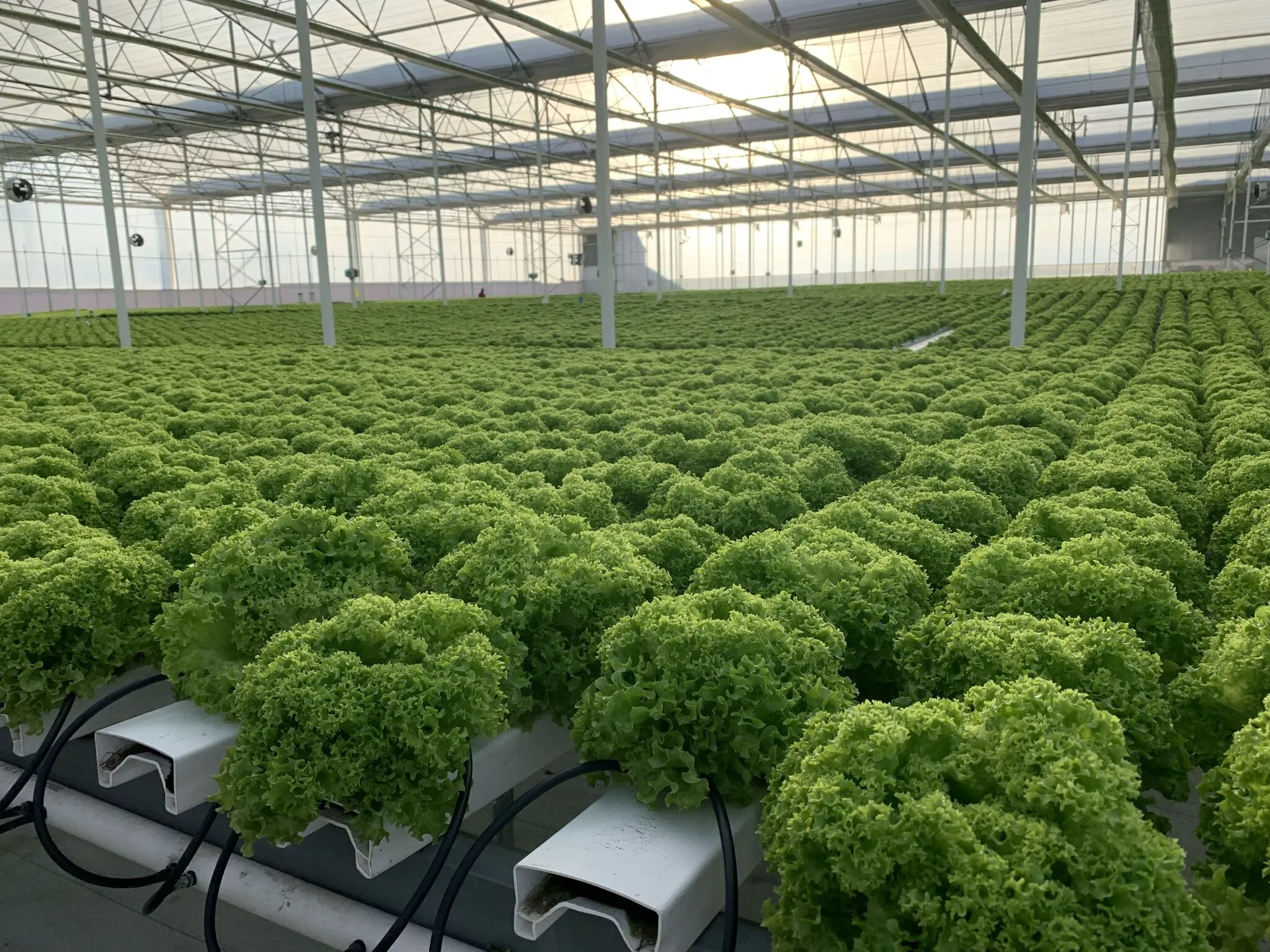
Water scarcity represents one of the most pressing challenges facing modern agriculture globally. Traditional soil-based farming consumes approximately 70 percent of the world's freshwater resources, yet hydroponic farming system offers a transformative alternative that dramatically reduces water consumption while increasing crop productivity. Understanding why a hydroponic farming system has become essential for water efficient agriculture development reveals the critical intersection between resource conservation and food security in our changing climate.
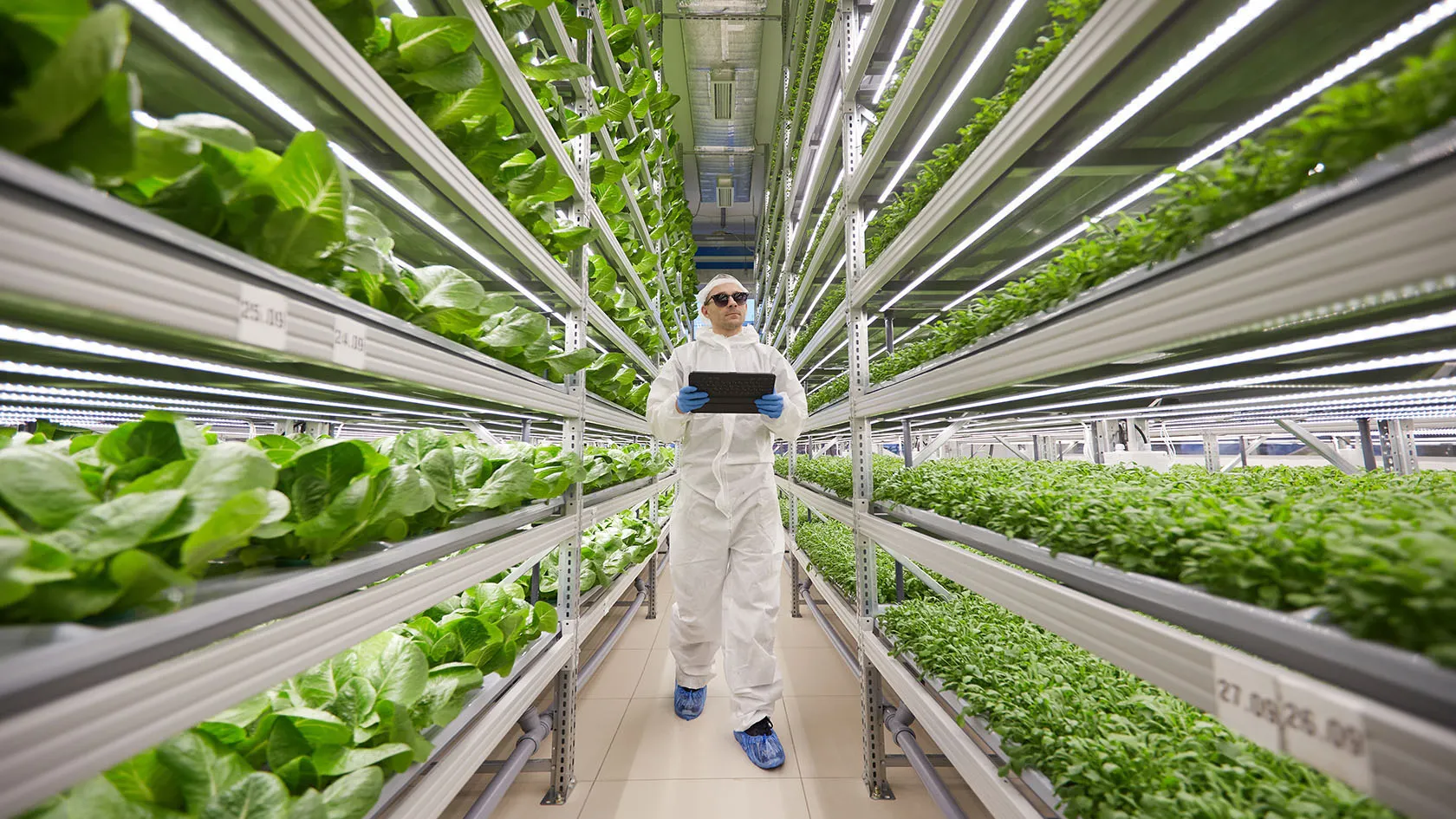
The hydroponic farming system fundamentally reimagines how we grow food by eliminating soil dependency and recirculating nutrient-rich water directly to plant roots. This closed-loop approach means a hydroponic farming system uses up to 95 percent less water than conventional agriculture, making it an urgent solution for regions facing drought stress and water rationing. For agricultural developers, policymakers, and farming enterprises seeking sustainable pathways, adopting a hydroponic farming system represents both an environmental imperative and a practical business advantage.
Core Benefits of Hydroponic Farming System for Water Conservation
Dramatic Water Reduction and Reuse Efficiency
A hydroponic farming system conserves water through continuous recirculation, where the same water feeds multiple crop cycles before requiring replacement. Unlike traditional irrigation that loses water to soil absorption, evaporation, and runoff, every drop in a hydroponic farming system remains in the controlled environment until plants fully utilize it. This efficiency gain becomes critical in arid climates and water-stressed regions where agriculture competes with municipal and industrial demands. The water savings from deploying a hydroponic farming system can free millions of gallons annually for alternative uses, directly supporting sustainable development goals.
Nutrient Precision and Reduced Chemical Waste
A hydroponic farming system delivers precise nutrient ratios directly to roots, eliminating the excess fertilizer runoff that contaminates soil and groundwater in traditional farms. By controlling nutrient concentration within the hydroponic farming system, growers apply only what plants consume, reducing chemical waste by up to 50 percent compared to conventional methods. This precision makes a hydroponic farming system particularly valuable in environmentally sensitive watersheds and regions with strict water quality regulations. The reduced chemical footprint of a hydroponic farming system supports long-term soil health and ecosystem balance in surrounding agricultural areas.
Agricultural Productivity and Yield Advantages
Increased Crop Output Per Cubic Meter
A hydroponic farming system enables vertical cultivation, stacking growing layers upward rather than spreading across land horizontally. This spatial efficiency means a hydroponic farming system can produce 5 to 10 times more crops per square foot of floor space than conventional farms. In urban centers and land-limited regions, a hydroponic farming system transforms marginal spaces into productive growing zones, bringing fresh produce closer to consumers and reducing transportation emissions. The yield density achievable with a hydroponic farming system directly addresses food security challenges in densely populated areas with limited arable land.
Year-Round Growing Capability
A hydroponic farming system operates independently of seasonal constraints and weather patterns, enabling consistent production throughout the year. By controlling temperature, humidity, light, and nutrient delivery within the hydroponic farming system, growers eliminate harvest interruptions caused by frost, drought, or excessive rainfall. This reliability makes a hydroponic farming system ideal for regions with harsh climates or unpredictable growing seasons where traditional agriculture faces significant risk. The consistent output from a hydroponic farming system allows agricultural businesses to meet year-round market demand without supply gaps.
Economic and Development Implications
Cost Reduction and Long-Term Sustainability
While initial setup costs for a hydroponic farming system exceed traditional farming infrastructure, the operational savings quickly offset this investment through reduced water bills, lower chemical expenses, and minimized labor for irrigation and weeding. A hydroponic farming system typically achieves payback within 3 to 5 years in most regions, after which it generates substantial profit margins through lower input costs. For developing agricultural sectors seeking sustainable growth models, adopting a hydroponic farming system provides a pathway to profitability without depleting regional water resources. The economic case for a hydroponic farming system strengthens as water scarcity increases and traditional inputs become more expensive.
Climate Resilience and Food Security Strategy
Climate change intensifies droughts and unpredictable precipitation patterns, making traditional agriculture increasingly risky in vulnerable regions. A hydroponic farming system removes climate variability from crop planning by creating a controlled microenvironment protected from external weather extremes. Governments and organizations advancing food security strategies recognize that integrating a hydroponic farming system into national agricultural frameworks reduces dependence on rainfall and groundwater depletion. The climate-resilient nature of a hydroponic farming system makes it an essential component of development planning for countries facing prolonged water stress.
Implementation Considerations for Agricultural Development
Technology Accessibility and Local Adaptation
Implementing a hydroponic farming system requires technical knowledge, electrical infrastructure, and reliable water supply, creating barriers in regions with limited resources or technical expertise. However, simplified versions of a hydroponic farming system, using passive or semi-automated approaches, can function effectively in developing agricultural areas without advanced technology. Training programs and hydroponic farming system support networks help local farmers overcome adoption barriers and build sustainable operations. Scaling a hydroponic farming system across regions requires investment in education, infrastructure, and technical support services that create lasting agricultural transformation.
Integration with Existing Water Infrastructure
A hydroponic farming system can operate with treated wastewater, collected rainwater, or recycled agricultural runoff, complementing existing water management systems rather than competing for fresh supplies. Integrating a hydroponic farming system into regional water strategies allows communities to optimize every available water source while maintaining consistent food production. Agricultural planners increasingly view a hydroponic farming system as part of comprehensive water stewardship rather than an isolated technology, creating synergies with irrigation management and wastewater treatment initiatives. This integrated approach maximizes the environmental and economic benefits of a hydroponic farming system within local contexts.
FAQ
How much water does a hydroponic farming system actually save compared to traditional agriculture?
A hydroponic farming system uses approximately 90 to 95 percent less water than conventional soil-based farming because it recirculates nutrient solutions instead of losing water to soil absorption and evaporation. In regions where a hydroponic farming system is deployed at scale, water savings can amount to millions of gallons annually while producing comparable or higher crop yields. The exact water reduction depends on crop type, climate, and hydroponic farming system design, but the efficiency advantage remains substantial across all applications.
Can a hydroponic farming system produce crops profitably in developing countries with limited infrastructure?
Yes, simplified versions of a hydroponic farming system can operate effectively in developing regions with basic electricity and water access, though initial training and technical support are essential for success. Many developing agricultural sectors have adopted small-scale hydroponic farming system operations that generate higher incomes per square meter than traditional farming while using minimal resources. Success requires targeted investment in farmer education, access to affordable hydroponic farming system equipment, and local supply chains for nutrients and replacement parts.
What crops grow best in a hydroponic farming system for sustainable agriculture development?
Leafy greens, herbs, tomatoes, peppers, and strawberries thrive in a hydroponic farming system due to their rapid growth cycles and market demand, making them ideal for commercial applications. A hydroponic farming system can also cultivate root vegetables and fruiting crops successfully with appropriate design modifications, offering diverse options for agricultural development. Crop selection for a hydroponic farming system should align with local market preferences and climate conditions to maximize profitability and food security impact.
Table of Contents
- Core Benefits of Hydroponic Farming System for Water Conservation
- Agricultural Productivity and Yield Advantages
- Economic and Development Implications
- Implementation Considerations for Agricultural Development
-
FAQ
- How much water does a hydroponic farming system actually save compared to traditional agriculture?
- Can a hydroponic farming system produce crops profitably in developing countries with limited infrastructure?
- What crops grow best in a hydroponic farming system for sustainable agriculture development?