
 EN
EN



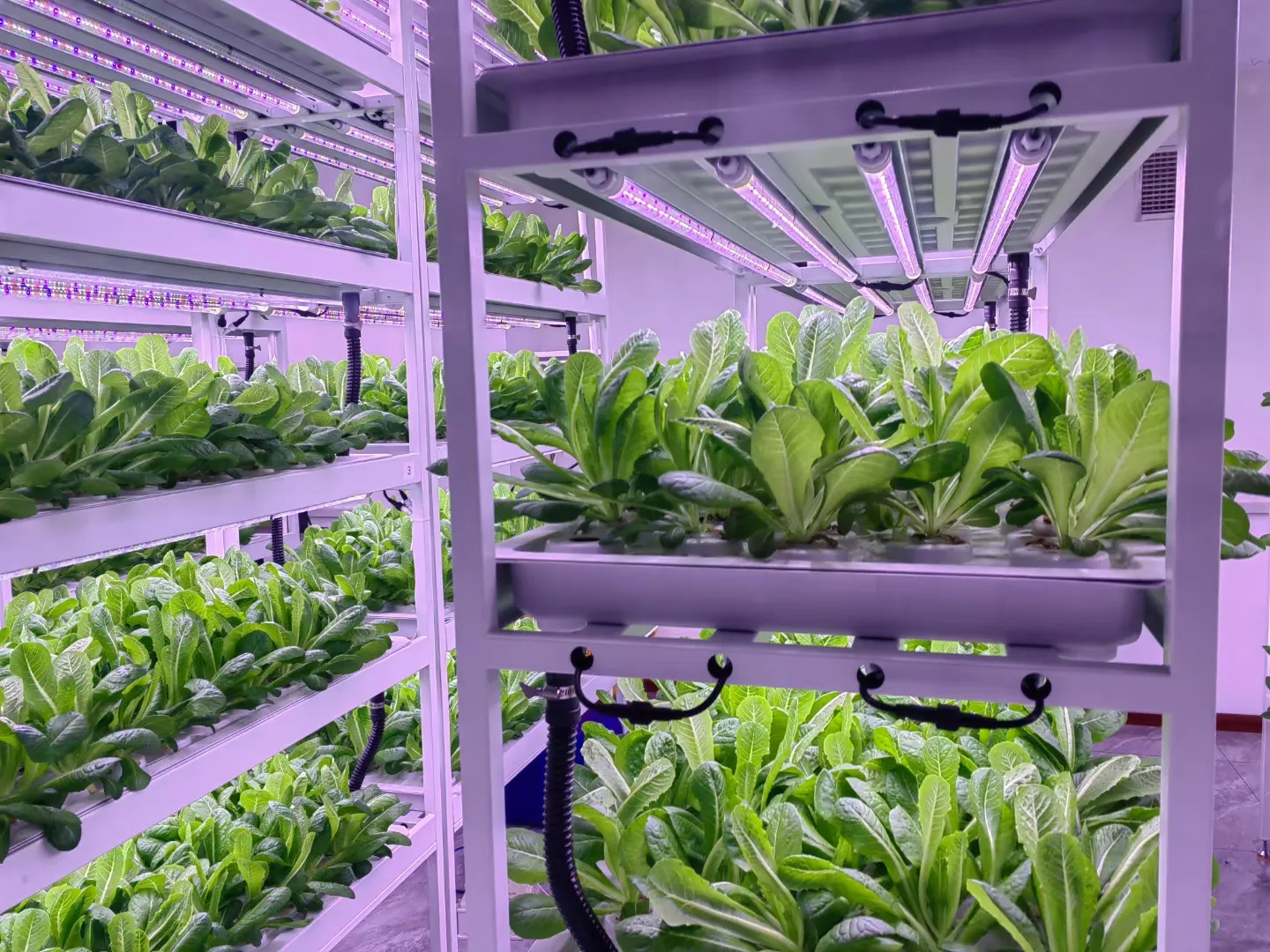
Traditional farmland faces mounting pressure from climate variability, soil depletion, and resource scarcity. An indoor farm represents a transformative solution that fundamentally restructures how agriculture operates by shifting production away from weather-dependent outdoor systems into controlled environments. This paradigm shift allows producers to reduce their dependency on traditional farmland resources while maintaining or even exceeding crop yields through precision agriculture techniques.
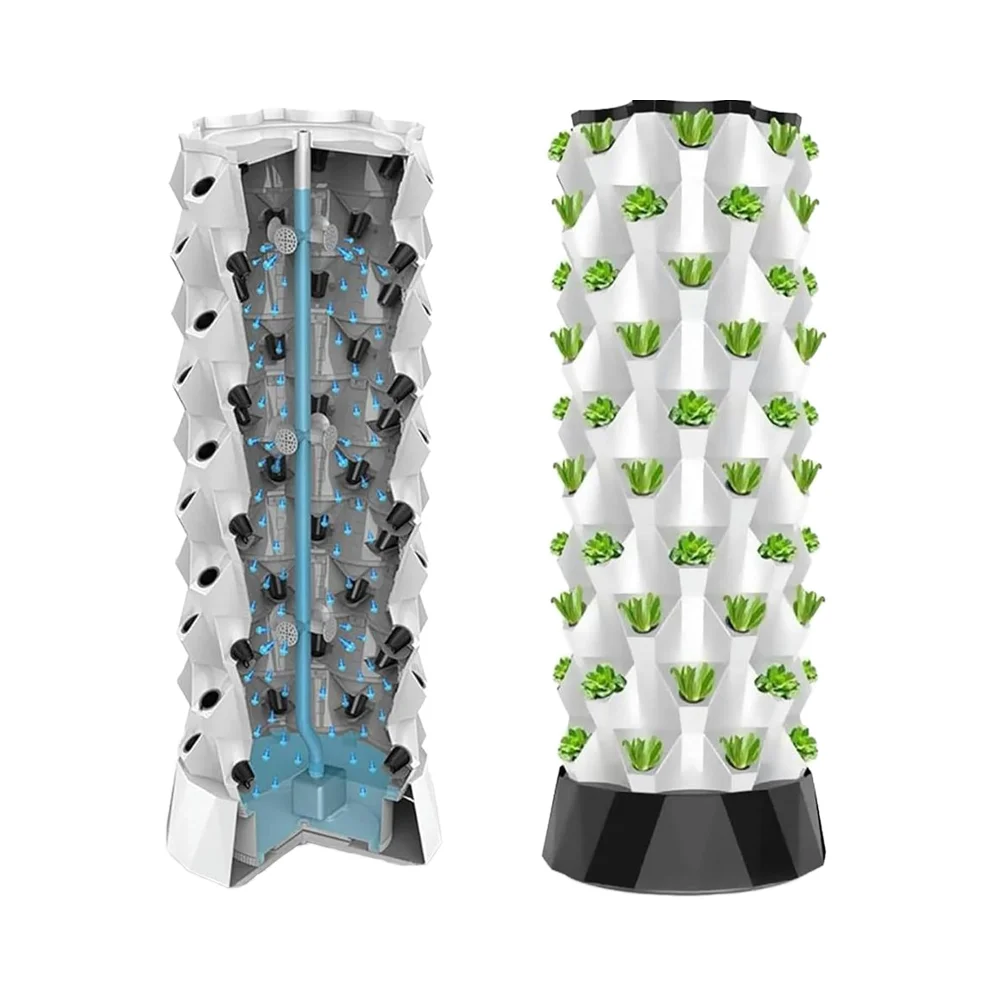
An indoor farm operates as a closed-loop agricultural system where environmental factors including light, temperature, humidity, and nutrient delivery are precisely controlled and optimized. Unlike traditional farming, which depends on natural precipitation, seasonal cycles, and large geographic footprints, an indoor farm produces crops year-round in compact urban or peri-urban locations. This efficiency fundamentally changes the relationship between agriculture and land resource consumption, making it possible to grow significantly more food using substantially less acreage, water, and chemical inputs than conventional farming methods demand.
Water Efficiency and Resource Conservation
Dramatic Water Reduction in Indoor Farm Operations
Water represents one of the most critical resources in global agriculture, and traditional farmland consumes enormous quantities through surface irrigation, rainfall dependency, and soil absorption losses. An indoor farm uses hydroponic and aeroponic systems that recirculate water continuously, reducing consumption by up to 95 percent compared to conventional field agriculture. In a hydroponic indoor farm, plant roots absorb nutrients from recirculated water solutions rather than soil, eliminating runoff and ensuring every drop serves a productive function. This closed-system approach means that an indoor farm can sustain production in water-scarce regions where traditional farmland is simply not viable or where groundwater depletion has already compromised agricultural capacity.
Nutrient Optimization Without Soil Depletion
Traditional farmland loses soil fertility over time through nutrient extraction, erosion, and microbial degradation, requiring farmers to continuously apply chemical fertilizers and practice crop rotation. An indoor farm eliminates these constraints by delivering nutrients through precisely formulated solutions that match each crop's exact requirements at each growth stage. Because an indoor farm recycles nutrient solutions, waste is minimized and resource efficiency is maximized. This nutrient precision also means that an indoor farm can maintain consistent crop quality and nutritional density without the soil depletion cycle that undermines long-term traditional farmland productivity.
Land Use Reduction and Urban Integration
Vertical Growing Maximizes Spatial Efficiency
Traditional farmland requires sprawling horizontal acreage, fragmenting landscapes and consuming valuable ecosystems. An indoor farm instead stacks crops vertically, producing the equivalent of multiple hectares of traditional farmland output within a single compact building. A vertical indoor farm with ten growing layers achieves roughly ten times the production density of equivalent traditional farmland. This spatial multiplication means cities and regions can substantially reduce their dependency on distant rural farmland by establishing local indoor farm facilities that require only a fraction of the land area. The reduced transportation distance between production and consumption further decreases resource intensity across the entire supply chain.
Year-Round Production Independence
Traditional farmland operates within seasonal windows determined by climate and latitude, forcing supply chain dependency on distant regions during off-seasons or requiring crops to be stored and transported over long distances. An indoor farm produces consistently throughout the year regardless of external weather or season, eliminating the resource-intensive storage and long-distance logistics required by traditional farmland systems. This production consistency allows regions to reduce their farmland acreage dependency significantly because local indoor farm systems can reliably supply fresh produce during periods when traditional farmland in that region cannot. The independence from seasonal constraints transforms agricultural planning from a constrained, weather-dependent model into a predictable, resource-optimized system.
Chemical Reduction and Pest Management Innovation
Eliminating Pesticide Dependency Through Environmental Control
Traditional farmland relies heavily on chemical pesticides to manage insects, diseases, and weeds across large open areas where pest populations thrive and spread easily. An indoor farm creates a sealed, controlled environment where pest entry is prevented through air filtration, strict access protocols, and sanitation procedures. Because an indoor farm eliminates the pest pressure that outdoor farming experiences, growers can reduce or eliminate chemical pesticide applications entirely. This reduction represents a significant decrease in resource-intensive chemical manufacturing and application infrastructure that traditional farmland depends on. Additionally, an indoor farm reduces the environmental contamination and water pollution caused by pesticide runoff from traditional farmland, thereby protecting natural ecosystems that traditional agriculture has historically stressed.
Disease Prevention and Crop Consistency
Traditional farmland faces constant pressure from soil-borne pathogens, fungal infections, and crop diseases that spread rapidly across large field areas, resulting in yield loss and increased chemical treatment needs. An indoor farm prevents disease occurrence by maintaining pathogen-free growing media, controlling humidity to suppress fungal growth, and isolating crops from wild pathogen reservoirs. This disease prevention capability means that an indoor farm consistently produces healthy, reliable yields without the crop failure risks and recovery periods that traditional farmland must plan for. The result is that an indoor farm can permanently replace significant traditional farmland acreage because it provides both higher productivity and higher reliability than weather-dependent outdoor systems.
Climate Independence and Supply Chain Resilience
Decoupling Production from Climate Variability
Climate change increasingly disrupts traditional farmland through drought, flooding, unseasonal frosts, and shifting pest ranges. An indoor farm operates entirely independently of external climate conditions because temperature, light, humidity, and precipitation are all artificially controlled and regulated. This climate independence means regions can reduce indoor farm dependency on distant traditional farmland by building local production capacity that remains unaffected by regional weather disruptions. As climate volatility increases, the resource-dependency ratio between traditional farmland and indoor farm systems continues to shift favorably toward indoor production, making local food security increasingly tied to controlled-environment agriculture rather than unpredictable outdoor systems.
Localizing Food Production Systems
Traditional farmland concentrates production in specific geographic regions optimized for climate and soil conditions, forcing distant regions to depend on long-distance supply chains. An indoor farm can be located anywhere infrastructure exists, including cities, arid regions, and areas with poor soil quality or unfavorable climate. This geographic flexibility means that indoor farm systems can substitute for traditional farmland dependency by producing crops locally, reducing transportation, storage, and intermediary handling costs and emissions. Communities implementing indoor farm technology reduce their agricultural vulnerability while simultaneously decreasing the resource intensity required to feed their populations, creating a more resilient and sustainable food system than traditional farmland-dependent models provide.
FAQ
How much water does an indoor farm save compared to traditional farmland?
An indoor farm typically uses up to 95 percent less water than traditional farmland because hydroponic and aeroponic systems recirculate nutrient solutions continuously. Traditional farmland loses water through soil absorption, surface runoff, and evaporation from exposed ground, whereas an indoor farm captures and reuses nearly every water molecule. In drought-prone regions, an indoor farm can produce crops sustainably where traditional farmland is no longer viable due to water scarcity.
Can an indoor farm really produce enough to replace traditional farmland?
Yes, vertical indoor farm systems can produce equivalent yields to traditional farmland using only 5 to 10 percent of the land area because growing layers multiply production density. An indoor farm with ten vertical layers produces roughly ten times the yield of equivalent horizontal traditional farmland acreage. As technology improves and indoor farm systems scale, they increasingly replace traditional farmland as the primary source of fresh produce in urban and resource-limited regions.
What crops grow best in an indoor farm environment?
High-value leafy greens, herbs, microgreens, and specialty vegetables thrive in indoor farm systems because they require less space, grow quickly, and command premium prices. An indoor farm can successfully produce tomatoes, peppers, strawberries, and other fruiting crops with appropriate lighting and structural support, though these require more energy investment than leafy crops. As indoor farm technology advances, the range of economically viable crops continues to expand, gradually replacing more traditional farmland categories.