
 EN
EN


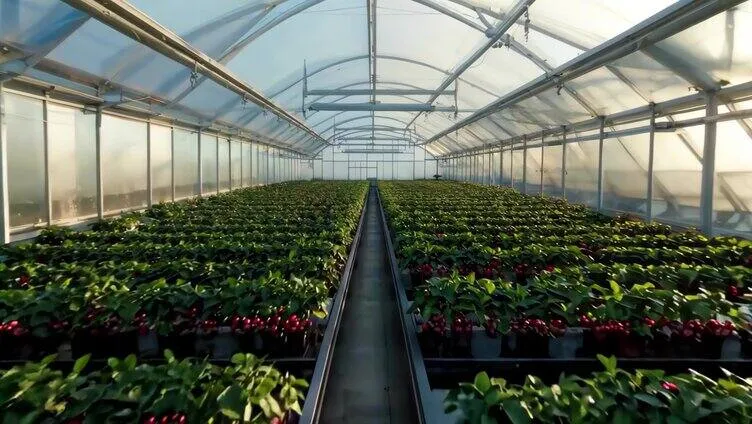
An indoor farm represents a transformative approach to modern agriculture by eliminating dependency on external weather patterns and seasonal constraints. Traditional outdoor farming relies heavily on climate conditions, rainfall timing, and seasonal cycles that farmers cannot control. In contrast, an indoor farm operates within a controlled environment where temperature, humidity, light intensity, and CO2 levels are precisely managed to optimize plant growth year-round. This fundamental shift in how we produce food makes an indoor farm exceptionally suitable for climate independent agriculture systems that prioritize consistency, reliability, and resource efficiency across all geographic regions and climates.
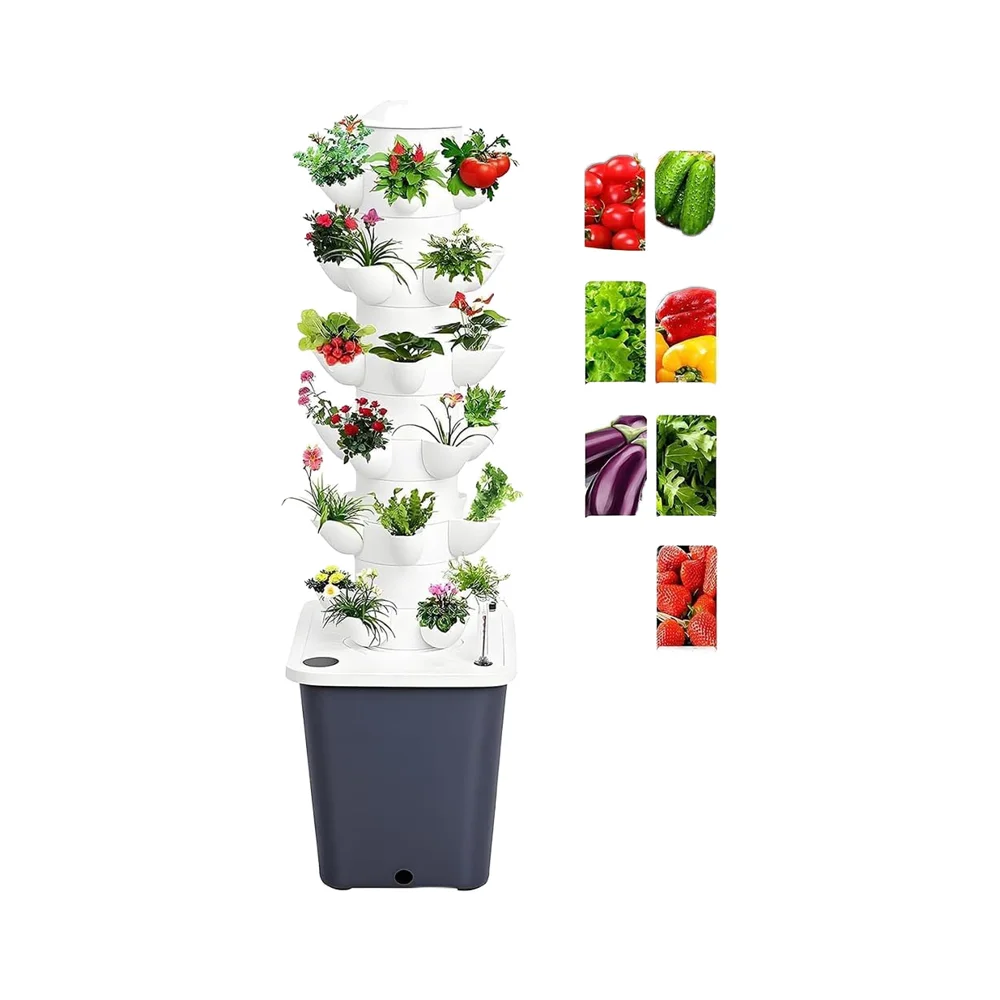
The suitability of an indoor farm for climate independent agriculture extends beyond mere weather protection. Every variable that impacts crop productivity becomes a controllable input within an indoor farm environment. Growers can adjust light spectrum and duration to match the physiological needs of different crop types. Water delivery systems within an indoor farm can be optimized to reduce consumption by up to ninety-five percent compared to field agriculture. Nutrient delivery in an indoor farm follows precise formulations tailored to each growth stage, ensuring plants receive exactly what they need without waste. This technological precision makes an indoor farm the foundation of climate independent agriculture that performs consistently regardless of droughts, floods, extreme temperatures, or geographic location.
Environmental Control and Year-Round Production
Eliminating Weather Dependency Through Controlled Environments
The core strength of an indoor farm lies in its ability to create a stable microclimate independent of external weather. Traditional agriculture faces unpredictable challenges from frost, excessive heat, hail, and sudden precipitation patterns that damage crops and reduce yields. An indoor farm shields plants entirely from these external pressures by housing them within structure walls where environmental conditions remain constant. Temperature within an indoor farm can be maintained within a narrow optimal range year-round. Humidity levels in an indoor farm are precisely controlled to prevent fungal diseases while supporting transpiration. This consistency means an indoor farm can produce the same crop variety with identical growth cycles whether it operates in arctic regions, deserts, or tropical zones.
Enabling Continuous Harvest Cycles
Because an indoor farm operates independently from seasonal growing windows, growers can implement continuous planting schedules that deliver harvests every week rather than once or twice annually. This production frequency transforms an indoor farm from a seasonal operation into a consistent supply source. Multiple crop rotations within a single calendar year become standard practice when using an indoor farm system. Growers managing an indoor farm can stagger plantings so mature plants are harvested while new seedlings are establishing, creating an uninterrupted production pipeline. For regions experiencing extended winters or harsh dry seasons, an indoor farm provides the only viable path to local fresh produce production. The predictability of an indoor farm harvest schedule enables reliable supply agreements and eliminates the inventory volatility associated with climate dependent agriculture.
Resource Efficiency and Sustainable Production
Water Conservation in Controlled Growing Systems
Water scarcity represents an escalating global challenge that outdoor agriculture cannot effectively address. An indoor farm utilizes hydroponic or aeroponic systems that recycle water continuously rather than allowing it to evaporate or drain into soil. Field agriculture typically loses seventy to eighty percent of applied water to evaporation and runoff, whereas an indoor farm recaptures ninety-five percent of water for reuse. This dramatic efficiency advantage makes an indoor farm ideal for arid regions, water-stressed communities, and agricultural areas facing groundwater depletion. The water savings delivered by an indoor farm enable profitable food production in locations where traditional farming has become economically or environmentally unsustainable. Furthermore, the closed-loop water system within an indoor farm prevents nutrient runoff and chemical pollution of natural water resources, supporting regional environmental sustainability.
Optimized Resource Management and Reduced Chemical Inputs
An indoor farm environment eliminates exposure to soil-borne diseases and outdoor pest pressures that force conventional farmers to apply heavy pesticide regimens. Without outdoor pest threats, an indoor farm can operate with minimal or zero chemical inputs, producing genuinely organic crops in a controlled setting. Nutrient delivery within an indoor farm follows scientific precision rather than guesswork, reducing fertilizer waste and environmental contamination. Energy efficiency has become central to modern indoor farm design, with LED lighting systems consuming significantly less power than older technologies. The combination of water conservation, chemical elimination, and optimized energy use makes an indoor farm a model for climate independent agriculture that operates sustainably without depleting natural resources.
Geographic Flexibility and Food Security
Enabling Local Production in Previously Unsuitable Climates
Traditional agriculture confines food production to regions with favorable natural climates, creating geographic inequities in food access and security. An indoor farm breaks this limitation by enabling profitable crop production anywhere electricity and water infrastructure exist. Communities in extreme climates, remote locations, or regions with poor soil quality can establish food security through an indoor farm investment rather than depending on imported produce. An indoor farm operation in a cold climate achieves identical yields and crop quality compared to an indoor farm in a warm climate because weather becomes irrelevant. This geographic independence transforms an indoor farm into a strategic asset for developing nations, food-insecure communities, and regions experiencing climate change impacts that render traditional agriculture unreliable.
Reducing Supply Chain Vulnerability and Improving Resilience
Global food supply chains depend on stable production from climate zones that may face growing environmental instability. An indoor farm located near consuming populations eliminates transportation delays, spoilage, and vulnerability to regional climate disasters. When an indoor farm operates within urban centers or nearby rural areas, fresh produce reaches consumers within hours of harvest rather than weeks. This proximity advantage makes an indoor farm particularly valuable during supply disruptions caused by weather events, transportation failures, or trade restrictions. The resilience provided by distributed indoor farm networks supports national food security objectives while reducing the carbon footprint associated with long-distance agricultural transport. For institutions, municipalities, and businesses prioritizing supply chain reliability, an indoor farm investment creates competitive advantage and operational stability.
Scalability and Economic Viability of Indoor Farming
Modular Growth and Technology Accessibility
Modern indoor farm systems come in modular designs that allow operators to start small and expand capacity as market demand grows. An entry-level indoor farm may occupy a single room or small warehouse, requiring moderate initial investment while delivering immediate production. As revenue grows, operators can add layers, expand growing areas, or upgrade technology without abandoning existing infrastructure. This scalability makes an indoor farm accessible to small-scale entrepreneurs, community organizations, and established agricultural businesses. Technology costs for establishing an indoor farm have declined significantly as LED pricing dropped and automation systems became standardized. The economic accessibility of indoor farm technology democratizes fresh produce production and enables entrepreneurial ventures that were previously impossible in marginal climates or limited-space urban environments.
Financial Returns and Market Positioning
An indoor farm generating multiple harvests annually significantly outperforms single-season field crops on a per-square-foot revenue basis. Premium market pricing for locally-grown, pesticide-free produce from an indoor farm supports healthy profit margins. Corporate purchasers and retail chains increasingly seek consistent, year-round supply from an indoor farm to strengthen their sustainability messaging. The predictable production schedule of an indoor farm enables long-term supply contracts with guaranteed pricing, providing revenue certainty that outdoor farmers rarely achieve. Educational institutions, hotels, and restaurants have adopted indoor farm installations to demonstrate environmental commitment while reducing produce costs. These diverse revenue streams and premium positioning make an indoor farm financially viable for operators willing to invest in climate independent agriculture infrastructure.
FAQ
Why is an indoor farm better suited to climate independent agriculture than traditional greenhouses?
Traditional greenhouses rely on passive solar heating and natural outdoor air quality, making them partially dependent on external weather conditions and seasons. An indoor farm, by contrast, uses mechanical systems to create completely artificial growing environments with full control over temperature, humidity, light spectrum, and CO2 concentration. This technological distinction means an indoor farm achieves consistent performance regardless of geographic location or season, whereas greenhouses still experience seasonal production variations. An indoor farm represents true climate independence, while greenhouses represent climate adaptation rather than climate independence.
What crop types can be grown successfully in an indoor farm?
An indoor farm excels at producing leafy greens, herbs, microgreens, and specialty vegetables that have relatively short growth cycles and modest height requirements. Lettuce, spinach, kale, basil, arugula, and similar crops represent the current mainstream focus for commercial indoor farm operations. However, advancing indoor farm technology is expanding into fruiting plants like strawberries, tomatoes, and peppers, though these require greater light intensity and growing space. Root vegetables and grains present greater technical challenges within an indoor farm due to soil requirements and growth characteristics. The profitability and success of any indoor farm project depends on selecting crops that match the system's technological capabilities while meeting market demand in the target region.
How much does it cost to establish an indoor farm operation?
Initial investment for an indoor farm varies dramatically based on scale, technology sophistication, and location. A small indoor farm in a single room might require fifteen to fifty thousand dollars including structure, lighting, climate control, and hydroponic systems. A medium-scale commercial indoor farm in a dedicated greenhouse space typically costs one hundred fifty thousand to five hundred thousand dollars. Large-scale indoor farm facilities with full automation can exceed several million dollars. The key financial consideration is that indoor farm operating expenses include consistent energy costs for lighting and climate control, but these investments are offset by higher yields, premium market pricing, and the elimination of crop losses from weather or pests. Detailed financial modeling for your specific indoor farm project should account for local electricity rates, target crops, and expected market prices to determine return on investment timing.