
 EN
EN



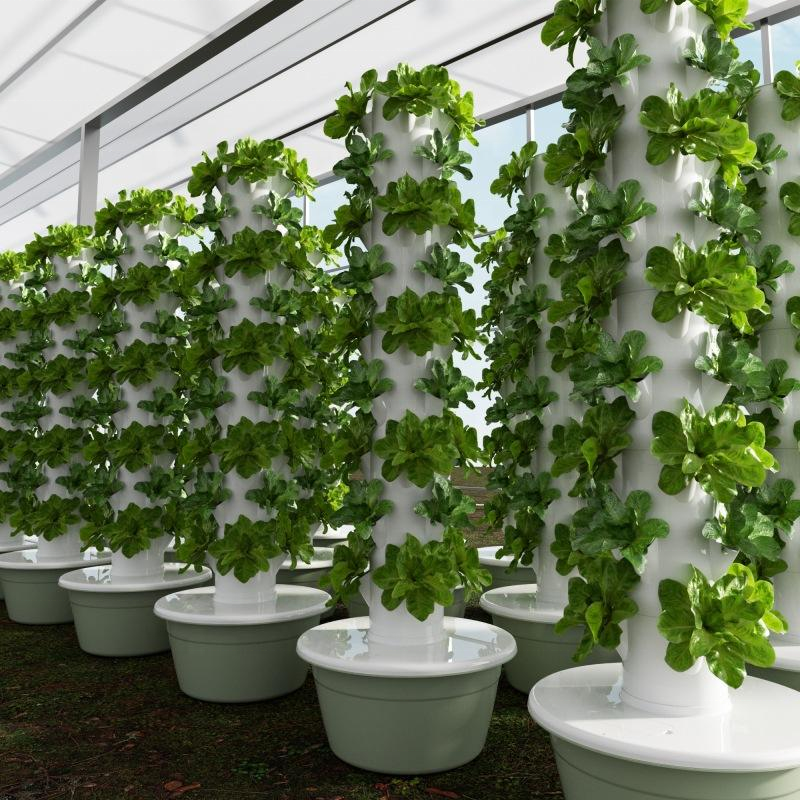
The global food system faces unprecedented pressure from climate change, population growth, and shrinking arable land. Traditional agriculture consumes vast amounts of water, relies heavily on chemical inputs, and contributes significantly to greenhouse gas emissions. An indoor farm represents a transformative solution to these challenges by reimagining how we grow food in controlled environments. Unlike conventional farming, an indoor farm operates year-round with minimal water waste, reduced pesticide use, and zero dependence on seasonal weather patterns. This shift toward indoor farm technology is not merely a trend but a critical necessity for building a truly sustainable food future.
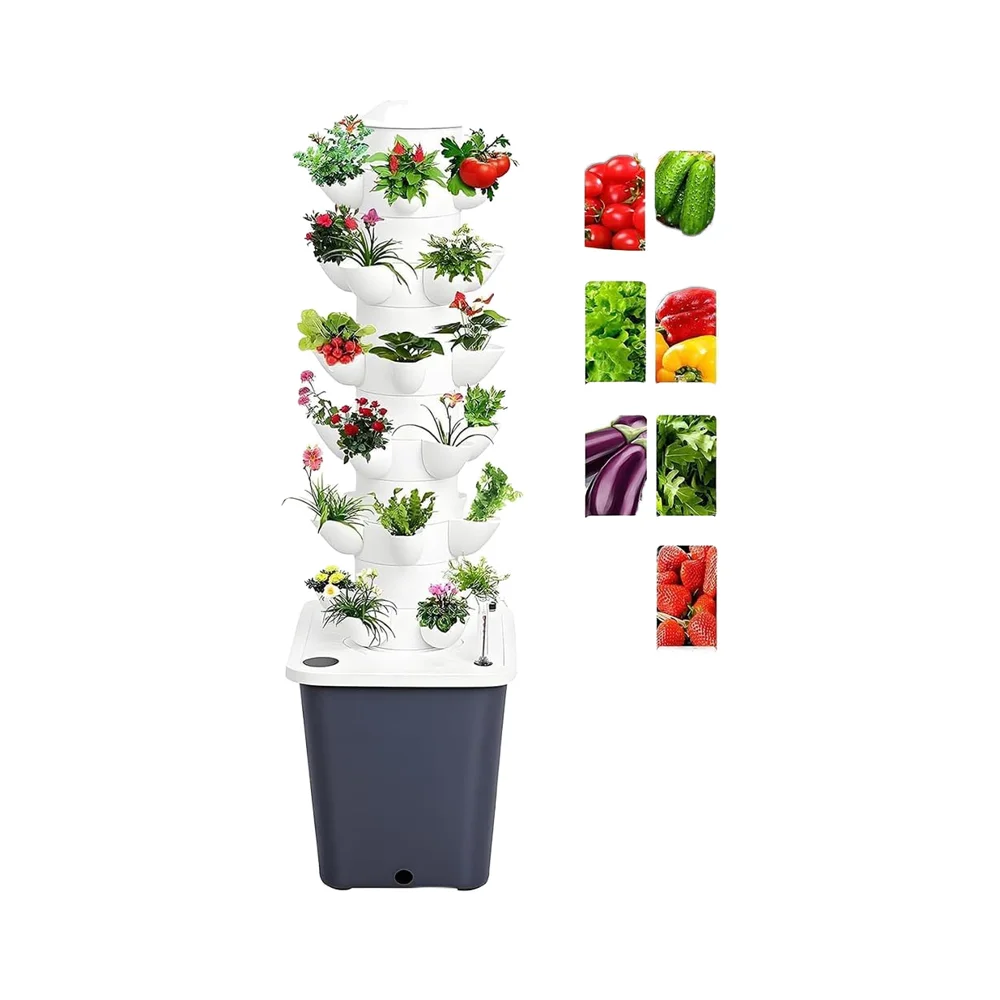
An indoor farm fundamentally changes the relationship between agriculture and environmental stewardship. By growing food in vertical stacks within climate-controlled facilities, an indoor farm maximizes land use efficiency and minimizes ecological impact. This approach aligns perfectly with the United Nations Sustainable Development Goals, particularly those addressing food security, sustainable production, and climate action. As urbanization accelerates and farmland continues to diminish, understanding why an indoor farm matters becomes essential for stakeholders across agriculture, food security, and environmental policy sectors.
Environmental Impact and Resource Conservation
Water Efficiency and Sustainability
Water scarcity threatens food production in many regions worldwide, making an indoor farm an increasingly vital technology. Traditional outdoor agriculture accounts for approximately 70% of global freshwater consumption, much of which is lost to evaporation and soil absorption. An indoor farm, particularly those using hydroponic and aeroponic systems, recirculates water through closed-loop systems that reduce consumption by up to 95% compared to conventional farming. This dramatic reduction means that an indoor farm can produce the same quantity of fresh vegetables using a fraction of the water required by field agriculture. For arid regions and water-stressed countries, implementing an indoor farm offers a pathway to local food production without depleting precious groundwater resources.
Elimination of Chemical Runoff
Chemical fertilizers and pesticides used in conventional farming contaminate waterways, damage aquatic ecosystems, and persist in soil for years. An indoor farm operates in a controlled environment where nutrient delivery is precise and pest populations are managed through environmental controls rather than chemical sprays. This means an indoor farm eliminates agricultural runoff entirely, protecting downstream water systems and coastal ecosystems from nutrient pollution. The shift toward an indoor farm also reduces the carbon footprint associated with manufacturing, transporting, and applying agrochemicals, further strengthening its environmental case. Communities adopting an indoor farm technology witness measurable improvements in local water quality and ecosystem health.
Food Security and Local Production
Year-Round Production Independence
Climate variability, seasonal disruptions, and extreme weather events increasingly threaten crop yields in outdoor agriculture. An indoor farm operates consistently regardless of external weather conditions, producing fresh vegetables, herbs, and leafy greens every single day of the year. This reliability transforms food security from a weather-dependent gamble into a predictable, controllable system. Urban areas and regions with harsh climates that previously struggled with local food production can now support thriving agricultural operations through an indoor farm. The ability to grow food locally means reduced transportation costs, fresher produce for consumers, and economic resilience for farming communities. An indoor farm eliminates seasonal shortages and price volatility that traditionally plague fresh produce markets.
Reduced Transportation and Supply Chain Risk
Conventional agriculture often requires produce to travel thousands of miles from farms to consumers, consuming fuel and generating emissions while quality deteriorates. An indoor farm located near urban centers dramatically shortens supply chains, delivering produce from harvest to consumer in hours rather than weeks. This proximity advantage means an indoor farm can supply local restaurants, retailers, and communities with peak-freshness products at lower transportation costs. Supply chain disruptions that devastated food access during recent global crises highlighted the vulnerability of centralized, long-distance food systems. An indoor farm built within cities and surrounding regions provides resilience by decentralizing food production, ensuring that communities maintain food independence even during logistical disruptions.
Economic and Employment Benefits
Job Creation and Skill Development
An indoor farm represents a new agricultural sector that creates diverse employment opportunities beyond traditional farming roles. Operating an indoor farm requires technicians, systems managers, data analysts, quality control specialists, and horticultural experts. These positions typically offer year-round employment with competitive wages, unlike seasonal agricultural work. Urban communities benefit from an indoor farm through local job creation in farming operations, equipment maintenance, logistics, and value-added processing. Training programs supporting an indoor farm workers develop skills in climate control systems, nutrient management, automation, and data analysis. The diversification of agricultural careers through an indoor farm helps attract younger workers to farming, reversing the trend of agricultural labor shortage and generational decline in rural farming communities.
Improved Yield and Land Efficiency
An indoor farm produces significantly higher yields per square foot than traditional agriculture because vertical stacking multiplies growing surface area without expanding land footprint. Where conventional farms produce one crop per growing season, an indoor farm harvests continuously, delivering multiple crop cycles annually from the same space. This efficiency means an indoor farm converts limited urban real estate into productive agricultural space, making it economically viable to farm within cities and industrial zones. The high yield-to-land ratio makes an indoor farm particularly valuable in densely populated regions where land acquisition costs are prohibitive for conventional farming. Return on investment accelerates as an indoor farm operators achieve higher productivity and reduce per-unit production costs through automation and optimization.
Technology and Innovation Integration
Precision Growing and Data-Driven Optimization
Modern indoor farm systems leverage sensors, artificial intelligence, and real-time monitoring to optimize every aspect of plant growth. Temperature, humidity, light spectrum, nutrient concentration, and carbon dioxide levels are continuously adjusted to peak growing conditions. An indoor farm operator can track performance metrics and make immediate adjustments that maximize yield and nutritional quality. This data-driven approach transforms agriculture from an art dependent on experience into a science based on measurable, repeatable results. An indoor farm produces consistent quality crops with predictable yields, enabling reliable supply planning and customer satisfaction. The technological sophistication of an indoor farm also positions agriculture at the intersection of food production and advanced manufacturing, attracting investment and innovation.
Adaptability and Future-Ready Agriculture
An indoor farm is inherently adaptable to emerging agricultural challenges and evolving market demands. As climate change intensifies, an indoor farm maintains stable production while outdoor farms struggle with unpredictable weather. New crop varieties can be tested and implemented within an indoor farm rapidly, allowing producers to respond quickly to consumer preferences and market opportunities. Urban agriculture through an indoor farm can be deployed in abandoned warehouses, brownfield sites, and underutilized industrial spaces, transforming communities while addressing food deserts. The scalability of an indoor farm technology means solutions can range from small neighborhood operations to large commercial facilities. Investment in an indoor farm infrastructure today ensures food security infrastructure remains flexible and responsive to future challenges.
FAQ
How does an indoor farm contribute to reducing carbon emissions?
An indoor farm reduces emissions through multiple mechanisms: elimination of agricultural chemical production and transportation, elimination of long-distance produce shipping, reduced machinery use since no tilling or field preparation is needed, and efficient LED lighting systems that consume far less energy than outdoor farming's equipment. While an indoor farm does require electricity for climate control and lighting, modern systems increasingly use renewable energy sources, making carbon impact substantially lower than conventional agriculture when accounting for the entire supply chain. Additionally, an indoor farm eliminates nitrous oxide emissions from soil, a greenhouse gas roughly 300 times more potent than carbon dioxide.
Can an indoor farm be profitable for small-scale operators?
Yes, an indoor farm can achieve profitability at various scales, though initial capital investment is significant. Small-scale an indoor farm operations targeting local markets, restaurants, or specialty crops can generate revenue quickly by focusing on high-value products like microgreens, herbs, and specialty lettuce varieties. An indoor farm businesses benefit from premium pricing for locally-grown, chemical-free produce and reduced transportation costs. Success requires careful attention to crop selection, energy efficiency, and market positioning. Community-supported agriculture models and direct-to-consumer sales channels help small an indoor farm operators maximize margins and build customer loyalty.
What crops grow best in an indoor farm environment?
Leafy greens, herbs, and microgreens are the most successful crops in an indoor farm systems currently, as they require less light, mature quickly, and command strong market prices. Tomatoes, cucumbers, peppers, and strawberries also perform well in an indoor farm facilities with appropriate vertical structure. Root vegetables and grains require greater soil depth and are less suited to typical an indoor farm configurations, though specialized systems are being developed. An indoor farm operators typically focus on crops with high labor costs in conventional production, strong quality premiums for locally-grown status, and relatively short growing cycles. The flexibility of an indoor farm means crop selection can evolve as technology advances and market demand shifts.