
 EN
EN



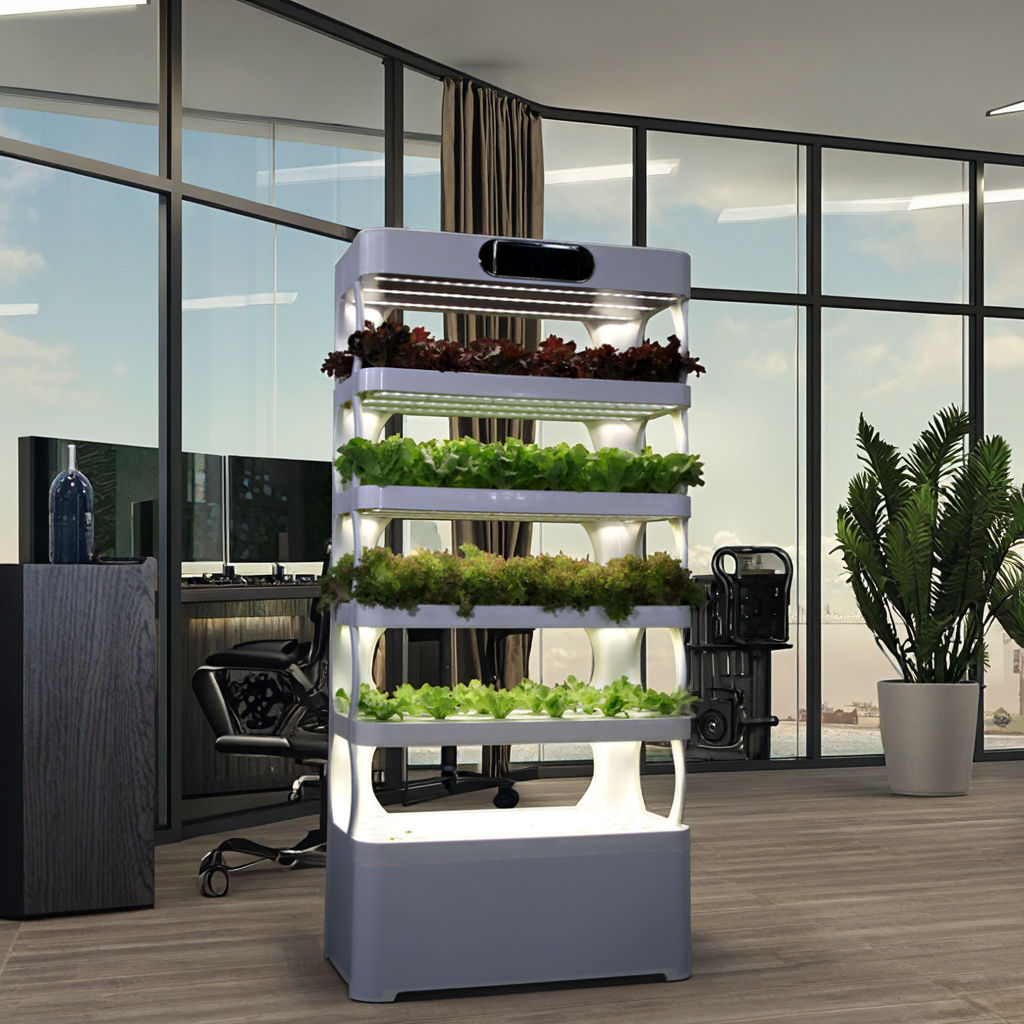
The global food system faces mounting pressure from climate change, population growth, and resource scarcity. Traditional agriculture consumes vast quantities of water, land, and energy while remaining vulnerable to weather disruption and seasonal limitations. Vertical agriculture represents a fundamental shift in how we produce food, offering a solution that addresses these challenges head-on. This innovative approach stacks crops in controlled indoor environments, dramatically reducing resource consumption while increasing yield per square foot. As urbanization accelerates and arable land becomes scarcer, vertical agriculture emerges as a practical, scalable pathway to food security.
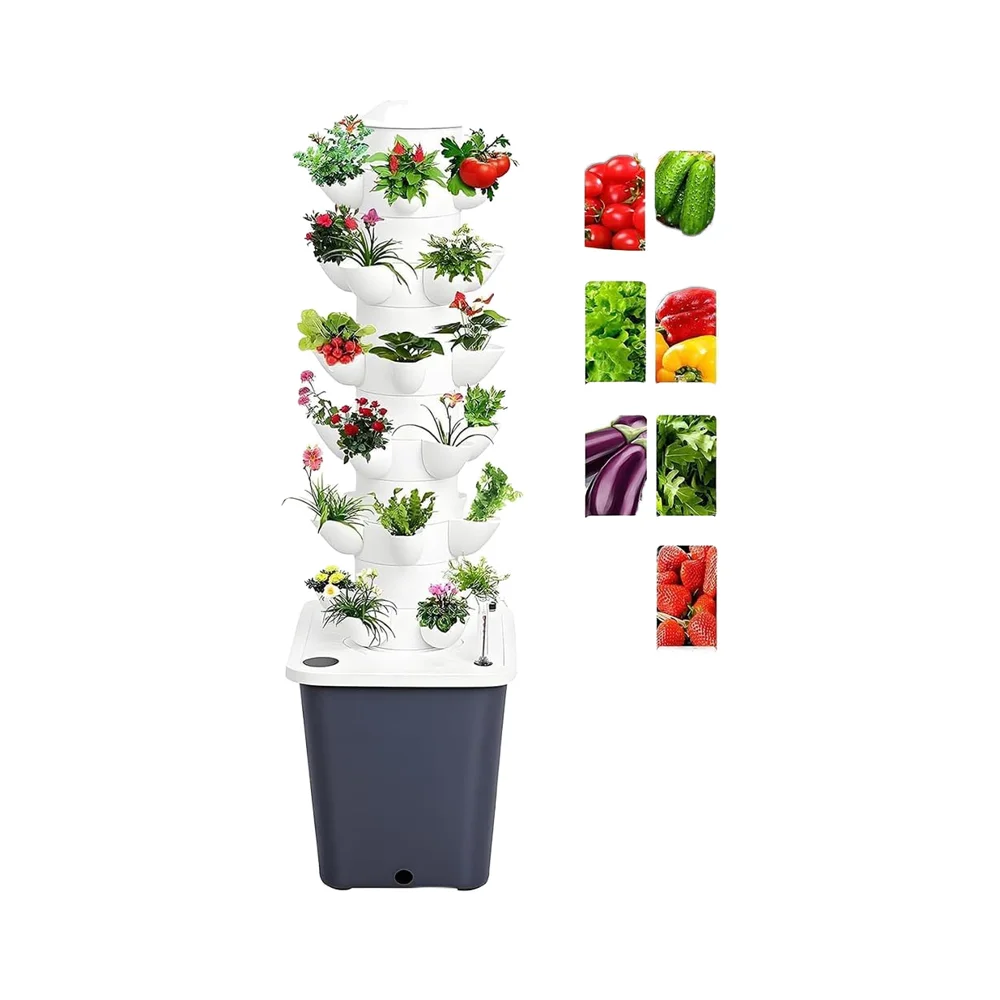
Vertical agriculture integrates advanced technology with controlled environment agriculture to create year-round growing systems independent of weather patterns. The sector combines hydroponics, aeroponics, LED lighting, and climate management to optimize every growth variable. This technological foundation makes vertical agriculture increasingly viable for commercial operations, restaurants, distribution centers, and residential installations. Understanding why vertical agriculture matters requires examining its environmental benefits, economic efficiency, and strategic role in reshaping global food networks.
Environmental Sustainability and Resource Efficiency
Water Conservation and Land Use Optimization
Traditional field agriculture accounts for approximately 70 percent of global freshwater consumption, yet much of this water is lost to evaporation and soil runoff. Vertical agriculture systems reduce water usage by up to 95 percent through closed-loop hydroponic and aeroponic technologies that recirculate nutrient solutions. Because vertical agriculture operates in controlled indoor environments, water loss to weather and soil absorption becomes virtually eliminated. This efficiency proves critical in regions facing drought, water restrictions, or geographical limitations that prevent conventional farming. The space efficiency of vertical agriculture is equally transformative, enabling food production on 99 percent less land compared to traditional row crops while delivering superior yields per square meter.
Carbon Footprint and Transportation Benefits
Vertical agriculture facilities located within or near urban centers dramatically reduce transportation distances from farm to consumer. This localized production model cuts the carbon emissions associated with long-distance food logistics, a significant contributor to agricultural greenhouse gases. LED technology in vertical agriculture systems has become increasingly efficient, and when powered by renewable energy sources, the carbon footprint of vertical agriculture approaches near-zero levels. Growing food locally through vertical agriculture also eliminates the need for pesticides and chemical fertilizers that contaminate waterways and degrade soil health in traditional agriculture regions.
Economic Viability and Market Opportunity
Year-Round Production and Yield Consistency
Weather dependency has always constrained agricultural profitability and supply consistency. Vertical agriculture eliminates seasonal gaps by providing controlled conditions that enable continuous harvesting throughout the year. This consistency allows vertical agriculture businesses to maintain steady revenue streams and supply relationships with restaurants, retailers, and food service providers. The predictability of vertical agriculture yields also attracts institutional buyers seeking reliable sourcing and reduced supply chain volatility. Higher yields per square foot, combined with multiple harvest cycles annually, create an economic model where vertical agriculture can achieve profitability more rapidly than conventional farming operations.
Reduced Input Costs and Operational Efficiency
While initial capital investment in vertical agriculture infrastructure requires significant upfront spending, ongoing operational expenses decline substantially compared to field agriculture. Vertical agriculture eliminates expenses for soil preparation, machinery maintenance, pesticide application, and seasonal labor fluctuations. Precise nutrient delivery in vertical agriculture systems ensures minimal waste and maximum plant absorption, reducing input costs while improving crop quality. Automation technologies integrated into modern vertical agriculture facilities further decrease labor requirements for routine tasks, enabling smaller teams to manage larger production volumes. The scalability of vertical agriculture infrastructure allows operators to expand production incrementally without the land acquisition costs associated with traditional agricultural expansion.
Strategic Role in Food Security and Urban Development
Meeting Growing Urban Demand Locally
More than half the global population now lives in urban centers, yet most cities import 80 to 90 percent of their food from distant agricultural regions. This dependency creates vulnerability to supply disruptions, price volatility, and food safety risks. Vertical agriculture enables cities to produce fresh vegetables, leafy greens, and herbs within metropolitan areas, reducing import dependency and strengthening local food resilience. The proximity of vertical agriculture to consumers also ensures superior freshness and nutritional quality compared to produce that travels weeks through supply chains. Strategic deployment of vertical agriculture in urban zones addresses food desert problems while generating local employment and strengthening community food systems.
Adaptation to Climate Variability and Extreme Weather
Climate change intensifies drought, flooding, and extreme temperature events that devastate traditional crops and create crop failures across agricultural regions. Vertical agriculture operates independently of external weather patterns, providing reliable production regardless of climate disruptions affecting conventional farming. This resilience makes vertical agriculture increasingly valuable for food-insecure regions where climate variability threatens harvests and livelihoods. Countries and regions investing in vertical agriculture infrastructure today position themselves advantageously as climate impacts accelerate agricultural stress globally. The technology enables adaptation strategies that maintain food production capacity even during severe environmental disruption or geographic isolation.
FAQ
What crops can be grown using vertical agriculture methods?
Vertical agriculture systems excel at producing high-value leafy greens, herbs, microgreens, and specialty vegetables that command premium prices in markets. Lettuce, spinach, kale, basil, cilantro, and arugula thrive in controlled vertical agriculture environments with rapid growth cycles. Tomatoes, peppers, and strawberries also perform well in advanced vertical agriculture setups with proper support structures and pollination management. The profitability of vertical agriculture depends on crop selection, as faster-growing, higher-margin crops generate superior returns on invested capital and facility costs.
How much does it cost to set up a vertical agriculture facility?
Initial costs for vertical agriculture facilities vary widely based on scale, technology sophistication, and location. Small-scale vertical agriculture systems for residential or boutique commercial use may cost between five thousand and fifty thousand dollars, while commercial vertical agriculture operations require investments ranging from one hundred thousand to several million dollars. Operational costs for vertical agriculture include electricity, nutrients, seeds, labor, and facility maintenance, typically totaling 30 to 50 percent of revenue for established operations. Many vertical agriculture projects achieve positive cash flow within three to five years, making the investment economically feasible for serious operators.
Is vertical agriculture suitable for all regions and climates?
One of vertical agriculture's greatest advantages is its independence from local climate and geography. Vertical agriculture systems operate equally effectively in cold climates, desert regions, tropical areas, or locations with poor soil quality where traditional agriculture faces severe constraints. Energy costs represent the primary regional variable affecting vertical agriculture viability, as areas with lower electricity prices and renewable energy access enjoy superior operating economics. Vertical agriculture remains viable globally, though location-specific analysis of energy costs, labor availability, and market demand determines optimal profitability for any proposed vertical agriculture facility.