
 EN
EN



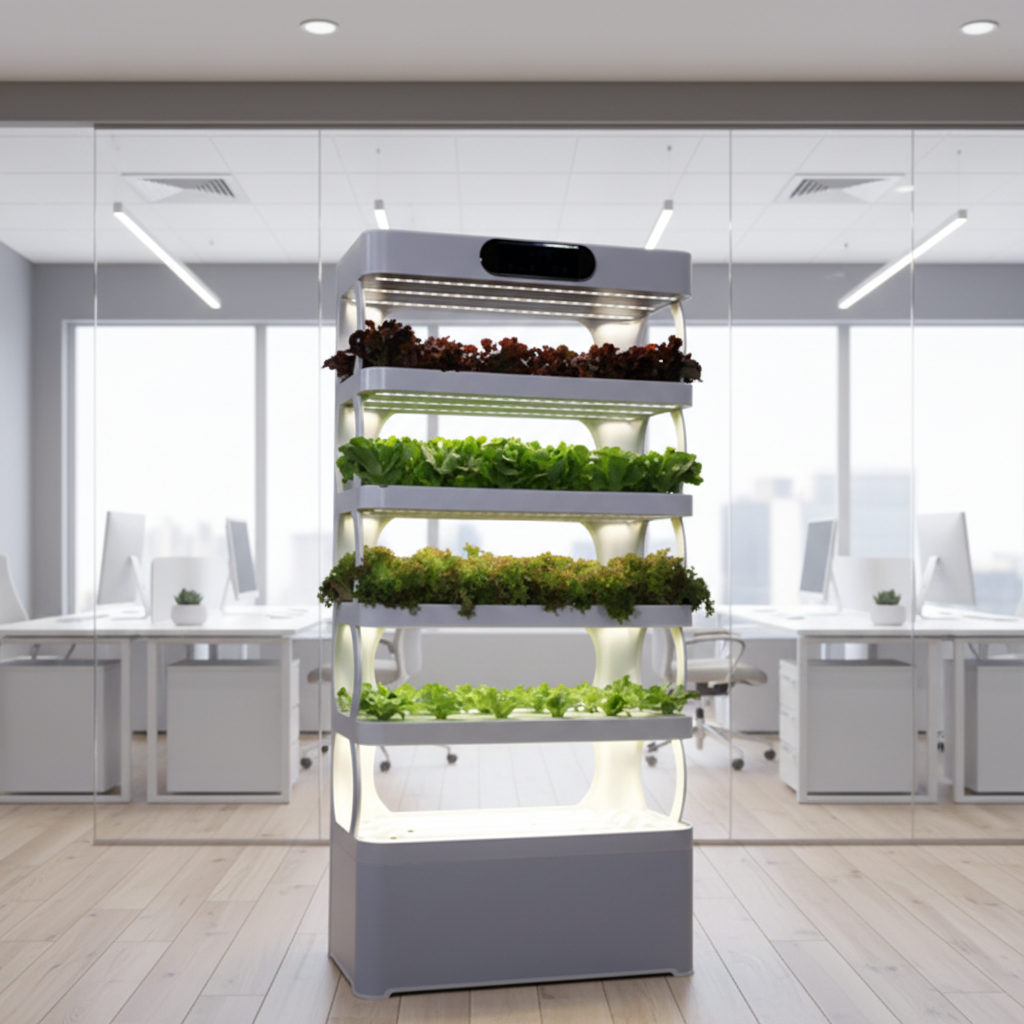
A vertical hydroponic system represents one of the most effective innovations in modern controlled-environment agriculture, particularly when the goal is to sustain uninterrupted plant growth across multiple layers and growth cycles. Unlike traditional soil-based cultivation, where nutrient distribution depends heavily on soil composition and root depth, a well-engineered vertical hydroponic system delivers a precisely formulated nutrient solution directly and consistently to each plant's root zone. This foundational difference makes it especially valuable in continuous plant growth environments, where even brief nutrient disruptions can slow growth rates, reduce yield quality, or stress plants at critical development stages.
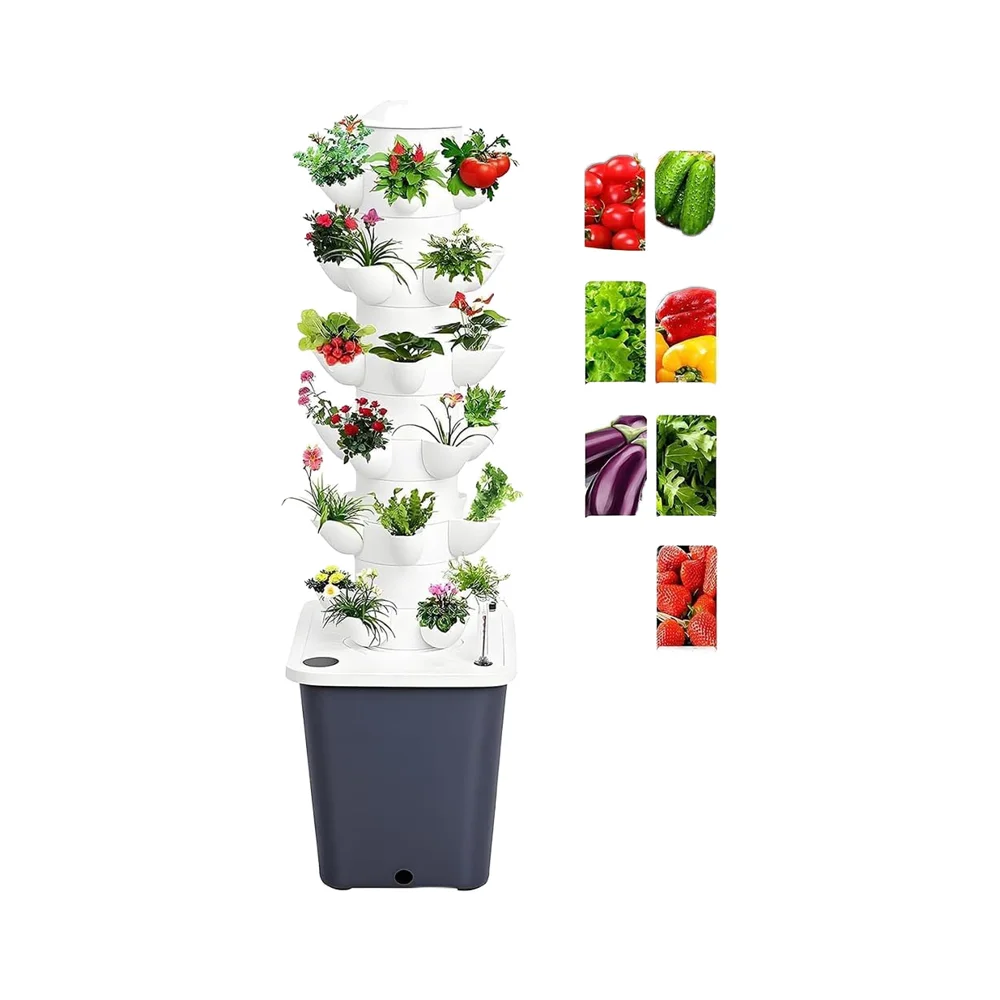
Understanding how a vertical hydroponic system stabilizes nutrient delivery requires examining the interplay between system architecture, water circulation mechanics, timing controls, and solution chemistry management. These factors work together to create a predictable, repeatable nutrient environment that plants can rely on throughout every stage of their lifecycle. This article breaks down the core mechanisms that enable this stability, and explains why continuous-growth operations increasingly depend on a vertical hydroponic system to maintain production consistency.
The Architecture of Nutrient Flow in a Vertical Hydroponic System
Layered Design and Gravity-Assisted Distribution
The physical structure of a vertical hydroponic system plays a defining role in how nutrients move through the growing environment. By stacking growing pods or channels vertically rather than spreading them horizontally, the system creates a natural gravity-assisted flow path for the nutrient solution. Water enriched with dissolved minerals is pumped upward to the highest tier, then allowed to cascade or drip downward through successive layers, ensuring each plant zone receives exposure to the nutrient stream as it descends.
This design is particularly significant in continuous-growth systems because it eliminates the need for complex horizontal piping networks that can develop pressure inconsistencies or blockages. The vertical hydroponic system instead uses a compact, centralized flow path that simplifies maintenance while maintaining reliable coverage. Each layer receives a consistent volume of nutrient-rich solution per delivery cycle, which prevents upper-tier plants from monopolizing resources at the expense of lower-tier growth zones.
High-rigidity structural frames further support this flow architecture by holding each pod or channel at a fixed, calibrated angle or position. Any warping or misalignment in a frame could redirect flow unevenly, leaving some roots over-saturated while others receive insufficient nutrient contact. A structurally stable vertical hydroponic system prevents these deviations from occurring, which is why frame rigidity is considered a non-negotiable feature in professional continuous-growth installations.
Pod Spacing and Root Zone Access
Beyond the macro-level flow path, the spacing and geometry of individual growing pods within a vertical hydroponic system directly influence how effectively nutrients reach each plant's root system. Pods that are positioned too closely together can cause roots from adjacent plants to intertwine, restricting individual root access to the nutrient stream. Thoughtful pod spacing ensures that each plant's root zone remains open and exposed to the circulating solution without interference from neighboring plants.
In a continuous-growth vertical hydroponic system, plants are often at different stages of development simultaneously. Younger seedlings in early stages require gentler nutrient concentrations, while mature plants in peak production demand higher nutrient densities. The pod layout in a well-designed system allows operators to manage these different zones without disrupting the overall flow, supporting a rolling harvest model where one tier can be refreshed with new seedlings while others continue to produce.
Pump and Timer Integration for Consistent Nutrient Scheduling
The Role of Water Pumps in Delivery Precision
The water pump is the mechanical heart of any vertical hydroponic system, and its performance characteristics directly determine the consistency of nutrient delivery. A pump that delivers an irregular flow rate will cause some plants to receive too much solution in one cycle and too little in the next, creating the kind of fluctuation that stresses roots and disrupts nutrient absorption rhythms. For continuous-growth systems where plant metabolism is operating on a constant basis, pump reliability is not optional — it is the foundation of stable output.
Submersible pumps used in a vertical hydroponic system must be sized appropriately for the height and volume of the installation. A pump that is underpowered for a six-layer system, for example, may struggle to lift the nutrient solution to the uppermost tier during peak demand periods, resulting in dry intervals that deprive top-level plants of water and nutrients. Correctly specified pump capacity ensures that the full vertical hydroponic system receives uniform solution coverage regardless of how many layers are active.
Regular pump maintenance is equally critical. Mineral deposits from nutrient solutions can accumulate on pump impellers over time, gradually reducing flow output. In a continuous-growth operation, this progressive degradation can go unnoticed until it causes visible plant stress. Preventive maintenance schedules that include pump inspection and cleaning are a standard practice in well-managed vertical hydroponic system environments, preserving delivery consistency over the long term.
Timer Controls and Nutrient Cycle Optimization
Paired with the pump, a programmable timer transforms a vertical hydroponic system from a passive watering setup into an actively managed nutrient delivery mechanism. Timers allow operators to define precise on and off cycles for the pump, creating a repeating pattern of nutrient solution exposure and dry intervals that mimics the natural alternation between hydration and aeration that plant roots need. This rhythm supports strong root development while preventing waterlogging, which can lead to root rot and oxygen deprivation.
In continuous-growth contexts, the timer also serves as a tool for differentiating nutrient schedules based on plant growth stage, light cycle, and ambient temperature. During warmer periods, plants transpire more rapidly and may require more frequent nutrient cycles. A vertical hydroponic system equipped with a flexible timer allows growers to adjust delivery frequency without altering the nutrient solution concentration, providing a fine-grained level of control that soil-based systems cannot match.
Advanced timer setups can also coordinate nutrient delivery with lighting schedules, ensuring that plants receive a fresh nutrient pulse at the onset of the light period when metabolic activity and nutrient uptake are at their peak. This synchronization between light and nutrient delivery is one of the key reasons that a properly timed vertical hydroponic system can outperform less structured growing methods in terms of growth rate and consistency.
Nutrient Solution Management Within a Vertical Hydroponic System
Reservoir Design and Solution Stability
The nutrient reservoir is where solution chemistry originates, and its design has a direct bearing on how stable nutrient concentrations remain throughout a continuous-growth cycle. In a vertical hydroponic system, the reservoir is typically located at the base of the installation, serving as the collection and redistribution point for the recirculating solution. This positioning not only uses gravity efficiently but also centralizes the point where nutrient adjustments can be made.
Reservoir volume is an important variable in maintaining solution stability. A reservoir that is too small relative to the total plant load in the vertical hydroponic system will experience rapid depletion of key nutrients as plants absorb them, causing solution composition to drift significantly between top-up intervals. A larger reservoir buffers these fluctuations, maintaining a more consistent nutrient profile over time and reducing the frequency of corrective adjustments needed by the operator.
Light exclusion is another critical reservoir characteristic. Algae growth thrives in nutrient-rich water exposed to light, and even a moderate algae bloom can consume dissolved oxygen, compete with plants for nutrients, and clog delivery channels within a vertical hydroponic system. Opaque reservoir materials or light-blocking covers are a practical design feature that protects solution purity and maintains delivery system cleanliness over extended continuous-growth cycles.
EC, pH, and Dissolved Oxygen Monitoring
Three chemical parameters govern whether a vertical hydroponic system is delivering nutrients in a form that plants can actually absorb: electrical conductivity (EC), pH level, and dissolved oxygen content. EC measures the total concentration of dissolved mineral salts in the solution, giving operators a proxy indicator of overall nutrient strength. pH determines which ionic forms nutrients take in solution, directly influencing root uptake efficiency. Dissolved oxygen supports root respiration and beneficial microbial activity at the root zone.
In a continuous-growth vertical hydroponic system, these parameters must be monitored regularly and maintained within target ranges throughout the growing cycle. As plants absorb nutrients selectively — taking up more of certain minerals than others — EC levels can drop while the solution becomes chemically imbalanced. Regular testing and targeted top-up additions keep the solution composition aligned with plant needs at each growth stage, preventing deficiencies that would otherwise undermine the system's delivery stability.
pH drift is a particularly common challenge in recirculating vertical hydroponic system setups. As plant roots release carbon dioxide and organic acids, solution pH tends to shift over time. Periodic pH adjustment using appropriate buffering agents restores the solution to the optimal range, typically between 5.5 and 6.5 for most crops, ensuring that nutrient ions remain in their most plant-available forms throughout each delivery cycle.
Modular Scalability and Its Impact on Nutrient Delivery Consistency
Scaling Without Sacrificing Balance
One of the practical advantages of a modular vertical hydroponic system is its ability to scale production capacity without fundamentally disrupting the nutrient delivery architecture. Adding additional layers or pod modules to an existing installation increases the total plant load, but if the system has been designed with scalability in mind, the pump capacity, reservoir volume, and timer schedules can be adjusted proportionally to maintain consistent delivery across the expanded setup.
This scalability is especially important in continuous-growth operations where production targets evolve over time. A vertical hydroponic system that can accommodate incremental expansion allows operators to test new crops, adjust plant density, or respond to market demand changes without rebuilding their infrastructure from scratch. Each expansion step can be validated against delivery performance data before the next module is added, ensuring that nutrient stability is preserved at every stage of growth.
Modular design also simplifies troubleshooting in a continuous-growth vertical hydroponic system. If one layer or pod cluster shows signs of nutrient stress, it can be isolated and inspected without interrupting the rest of the installation. This containment capability is a practical asset in commercial environments where downtime directly translates to lost production value.
Indoor and Outdoor Deployment Considerations
A vertical hydroponic system deployed indoors benefits from a controlled ambient environment that reduces the variables affecting nutrient solution stability. Temperature, humidity, and light can all be managed artificially, allowing the nutrient delivery schedule to remain consistent regardless of seasonal changes. This level of environmental control makes indoor vertical hydroponic system installations particularly well-suited to year-round continuous-growth production models.
Outdoor deployments of a vertical hydroponic system face additional challenges, including temperature fluctuations that affect both plant metabolism and solution chemistry. During hot periods, increased evaporation concentrates the nutrient solution in the reservoir, raising EC levels beyond target ranges. During cooler periods, reduced plant metabolic activity means that nutrient uptake slows, and solution concentrations can build up if delivery frequency is not adjusted accordingly. Operators managing an outdoor vertical hydroponic system in a continuous-growth context must account for these seasonal dynamics in their monitoring and adjustment routines.
FAQ
How often should the nutrient solution be changed in a vertical hydroponic system used for continuous growth?
In a continuous-growth vertical hydroponic system, the nutrient solution should typically be fully replaced every one to two weeks, depending on plant load, reservoir volume, and the rate of nutrient uptake. Between full replacements, operators should top up the reservoir with fresh water and targeted nutrient additions to maintain consistent EC and pH levels. More frequent monitoring during hot weather or high-density planting periods is advisable to catch any drift in solution composition before it affects plant health.
Can a vertical hydroponic system handle multiple plant species with different nutrient requirements simultaneously?
It is possible to grow multiple species in a vertical hydroponic system, but doing so requires careful planning around nutrient solution composition. Species with significantly different EC or pH preferences can be difficult to accommodate in a shared recirculating system. A practical approach is to group plants with similar nutrient profiles on the same system and manage species with markedly different requirements on separate installations. This preserves the delivery stability that makes a vertical hydroponic system effective for continuous production.
What is the most common cause of nutrient delivery inconsistency in a vertical hydroponic system?
The most common cause of delivery inconsistency in a vertical hydroponic system is pump performance degradation, often resulting from mineral scale buildup on the pump impeller or inlet screen. This reduces flow rate gradually, causing upper-tier plants to receive less solution than intended. Regular pump inspection and cleaning, combined with consistent reservoir maintenance, are the most effective measures for preventing this type of inconsistency in a continuous-growth vertical hydroponic system.
How does a timer improve nutrient stability in a vertical hydroponic system compared to continuous pump operation?
A timer improves nutrient stability in a vertical hydroponic system by introducing structured dry intervals between delivery cycles. Continuous pump operation can over-saturate root zones, depleting dissolved oxygen and creating anaerobic conditions that inhibit nutrient absorption. Timed cycles allow roots to access both nutrients and fresh oxygen alternately, supporting stronger root health and more efficient mineral uptake. This rhythm-based delivery approach is one of the key mechanisms by which a vertical hydroponic system maintains stable plant nutrition throughout continuous-growth cycles.
Table of Contents
- The Architecture of Nutrient Flow in a Vertical Hydroponic System
- Pump and Timer Integration for Consistent Nutrient Scheduling
- Nutrient Solution Management Within a Vertical Hydroponic System
- Modular Scalability and Its Impact on Nutrient Delivery Consistency
-
FAQ
- How often should the nutrient solution be changed in a vertical hydroponic system used for continuous growth?
- Can a vertical hydroponic system handle multiple plant species with different nutrient requirements simultaneously?
- What is the most common cause of nutrient delivery inconsistency in a vertical hydroponic system?
- How does a timer improve nutrient stability in a vertical hydroponic system compared to continuous pump operation?