
 EN


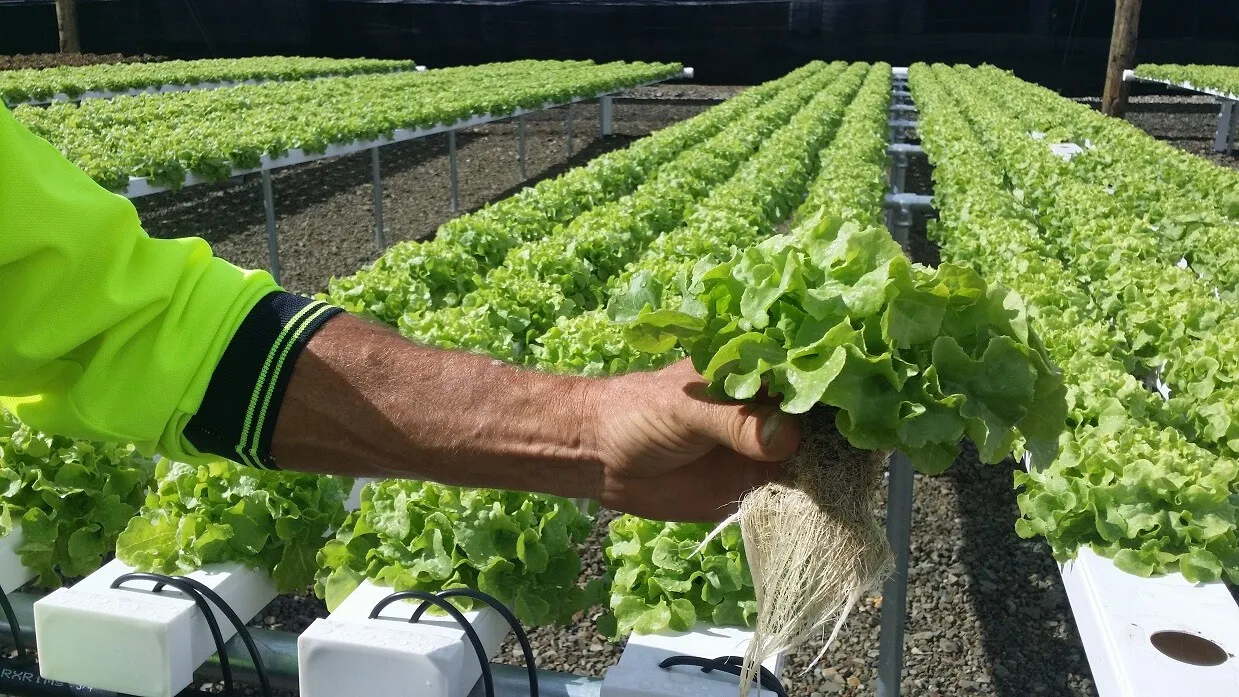
Modern agriculture faces mounting pressure to produce more food with fewer resources, and a hydroponic farming system represents one of the most innovative solutions available today. Unlike traditional soil-based farming, a hydroponic farming system eliminates the need for soil entirely, instead delivering nutrients directly to plant roots through carefully controlled water solutions. This fundamental shift in cultivation methodology has transformed how growers approach food production in urban settings, controlled environments, and regions where arable land is scarce or contaminated. Understanding how a hydroponic farming system works and its advantages is essential for anyone considering soil-free cultivation as a viable agricultural strategy.
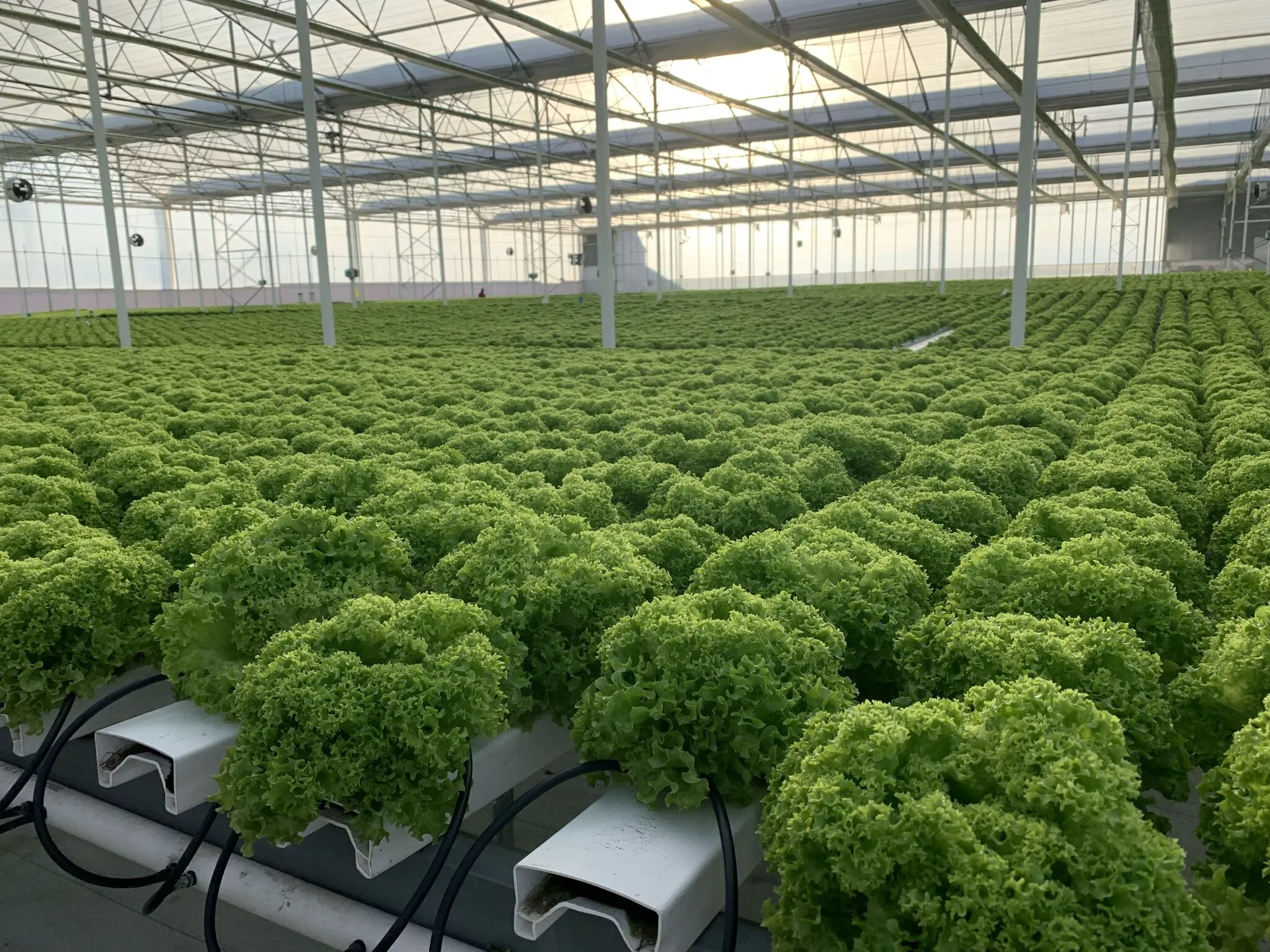
The core principle behind a hydroponic farming system is nutrient film technique, deep water culture, or aeroponic delivery methods that provide plants with exact nutrient ratios while maintaining optimal root zone conditions. By operating within controlled environments, a hydroponic farming system allows growers to regulate temperature, humidity, light duration, and CO2 levels with precision that soil farming cannot match. This level of control translates directly into faster plant growth cycles, higher yields per square foot, and superior product quality. Whether you operate a commercial greenhouse or manage a small-scale indoor garden, a hydroponic farming system offers scalable solutions that adapt to your specific production goals and spatial constraints.
How a Hydroponic Farming System Delivers Nutrients in Soil-Free Cultivation
Water-Based Nutrient Delivery Mechanisms
The fundamental advantage of any hydroponic farming system is its ability to deliver nutrients through water rather than soil extraction. In traditional agriculture, plant roots must search through soil to find nutrients, water, and oxygen, a process that is inefficient and resource-intensive. A hydroponic farming system eliminates this inefficiency by dissolving precisely measured nutrient solutions into water and circulating them directly to the root zone. The nutrient concentrations in a hydroponic farming system can be adjusted hourly if needed, ensuring that plants receive exactly what they require at each growth stage. This precision feeding mechanism is impossible in soil cultivation, where nutrient availability depends on soil chemistry, microbial activity, and seasonal variation.
Different hydroponic farming system designs employ distinct nutrient delivery approaches optimized for different crops and growth rates. Nutrient film technique systems run a thin film of nutrient solution over plant roots, ensuring constant contact with nutrients and dissolved oxygen. Deep water culture systems suspend roots in nutrient solution, allowing plants to absorb nutrients continuously while oxygen is provided through air stones. Aeroponic hydroponic farming system configurations mist roots with nutrient solution at intervals, maximizing oxygen availability for explosive growth. Each methodology within a hydroponic farming system framework offers tradeoffs between complexity, water usage, and yield optimization, allowing operators to choose the best approach for their specific crops and production targets.
Root Zone Control and Oxygen Management
One critical distinction between a hydroponic farming system and soil farming is the level of control over the root environment. In a hydroponic farming system, operators can maintain root zone temperature within a narrow band, typically 65 to 72 degrees Fahrenheit, which optimizes nutrient uptake and prevents root disease. The dissolved oxygen concentration in a hydroponic farming system is actively managed through air pumps, water circulation, and oxygenation methods that keep roots healthy and vigorous. Soil farming offers no such control; roots experience temperature fluctuations and oxygen depletion that stress plants and reduce nutrient uptake efficiency. By engineering precise root zone conditions, a hydroponic farming system accelerates plant metabolism and growth rates compared to conventional methods.
Water reuse represents another significant advantage of operating a hydroponic farming system in controlled environments. Because nutrient solution circulates continuously within a closed or semi-closed loop, a hydroponic farming system uses 90 percent less water than traditional field agriculture. This efficiency becomes critical in arid regions, water-scarce climates, or situations where groundwater depletion is a concern. The nutrient solution in a hydroponic farming system can be monitored electronically and automatically adjusted, eliminating guesswork and reducing waste. Over a growing season, a commercial hydroponic farming system can save millions of gallons of water while producing higher yields, making it economically and environmentally superior to soil-based alternatives.
Controlled Environment Benefits of Soil-Free Hydroponic Cultivation
Climate and Light Optimization in Hydroponic Systems
Operating a hydroponic farming system indoors or in controlled greenhouses allows growers to manipulate every environmental variable that influences plant growth. Temperature, humidity, and CO2 concentration can be maintained at optimal levels throughout the year, eliminating seasonal variation and weather-related crop failures. A hydroponic farming system paired with LED grow lights enables year-round production of herbs, vegetables, and specialty crops regardless of outdoor climate. Plants in a hydroponic farming system receive consistent photoperiods tailored to their specific light requirements, accelerating flowering and fruiting stages. This environmental consistency means that a hydroponic farming system can produce harvests on predictable schedules, enabling reliable supply chain planning and reduced food waste.
Pest and disease pressure decreases dramatically when operating a hydroponic farming system in sealed or semi-sealed environments. Soil-borne pathogens, fungal spores, and harmful insects that devastate outdoor crops are effectively excluded from a hydroponic farming system facility. This biosecurity advantage means that a hydroponic farming system operator can reduce or eliminate chemical pesticide use, producing cleaner food with fewer residues. The controlled environment maintained by a hydroponic farming system also allows for precise humidity management that prevents powdery mildew and other moisture-related diseases. By eliminating these production risks, a hydroponic farming system increases overall crop reliability and reduces the financial uncertainty inherent in outdoor agriculture.
Space Efficiency and Vertical Growing Potential
The soil-free design of a hydroponic farming system enables vertical stacking and high-density planting arrangements that soil farming cannot accommodate. Root systems in a hydroponic farming system require far less space than soil-grown plants because they do not need to expand laterally searching for nutrients. This spatial efficiency allows operators to construct multi-layer hydroponic farming system installations in warehouses, repurposed buildings, and urban centers where traditional farming is impossible. A single acre of vertical hydroponic farming system installation can produce equivalent yields to five to ten acres of outdoor field cultivation, dramatically increasing land productivity.
Urban farming and local food production become economically viable when powered by a hydroponic farming system technology that requires minimal land footprint and maximum output. Cities can support distributed hydroponic farming system networks within existing structures, reducing transportation costs and food spoilage associated with long-distance distribution. Community gardens, restaurants with integrated hydroponic farming system operations, and education centers can grow fresh food locally using compact systems. This localization trend, enabled entirely by hydroponic farming system innovation, reduces food system vulnerability and builds resilience against supply chain disruptions.
Essential Setup and Operation Considerations for Hydroponic Systems
Initial System Design and Component Selection
Choosing the right hydroponic farming system configuration requires careful assessment of your intended crops, available space, budget, and production targets. Small-scale hobbyist hydroponic farming system setups can cost a few hundred dollars and fit in a closet, while commercial-grade hydroponic farming system installations requiring environmental controls, backup systems, and redundancy may exceed six figures. The hydroponic farming system framework you select should account for expansion potential, ease of maintenance, and compatibility with available utilities. Commercially available hydroponic farming system kits simplify startup for beginners, while experienced operators often customize hydroponic farming system components to match specific crop requirements and facility constraints.
Key components within any hydroponic farming system include nutrient reservoirs, growing media, water circulation pumps, air pumps, lighting fixtures, environmental monitors, and backup power systems. The quality and reliability of these hydroponic farming system components directly impact crop health and production consistency. Choosing food-grade materials for a hydroponic farming system is essential to prevent contamination and ensure safe crop output. System redundancy in a hydroponic farming system operation protects against equipment failure during critical growth phases; without backup pumps or power systems, an entire hydroponic farming system crop can be lost in hours.
Maintenance, Monitoring, and Troubleshooting
Successful long-term operation of a hydroponic farming system depends on consistent monitoring of nutrient concentrations, pH levels, dissolved oxygen, and temperature. Modern hydroponic farming system setups increasingly incorporate automated sensors and data logging that alert operators to deviations before they impact plant health. Nutrient solution in a hydroponic farming system must be tested and adjusted regularly, typically daily for commercial operations. The electrical conductivity meter in a hydroponic farming system indicates overall nutrient concentration, while pH testing ensures that plants can absorb available nutrients effectively. Neglecting these monitoring duties causes a hydroponic farming system to deliver imbalanced nutrition, stunting growth and inviting crop losses.
Routine maintenance of a hydroponic farming system includes cleaning filter screens, checking and replacing air stones, inspecting hoses for leaks, and removing algae buildup that competes with plants for nutrients. Between crop cycles, a complete system flush and sanitization prevents pathogen carryover into subsequent hydroponic farming system plantings. Troubleshooting problems in a hydroponic farming system requires methodical diagnosis; yellowing leaves might indicate nutrient deficiency, pH imbalance, or inadequate light, each requiring different interventions. Keeping detailed records of hydroponic farming system performance across growing cycles helps identify patterns and optimize future operations. With proper care, a well-built hydroponic farming system remains productive and profitable for many years.
FAQ
What types of plants grow best in a hydroponic farming system?
Leafy greens, herbs, and fruiting vegetables like tomatoes and peppers thrive in a hydroponic farming system due to their relatively shallow root systems and moderate nutrient demands. These crops achieve faster growth cycles in a hydroponic farming system compared to soil cultivation, often maturing 20 to 30 percent faster. Root vegetables and large trees are generally less suitable for a hydroponic farming system because they require deeper growing medium or excessive space. Strawberries, microgreens, and specialty crops have found commercial success in a hydroponic farming system format because they command premium prices and benefit from year-round production capability.
How much does it cost to start a hydroponic farming system operation?
A small-scale hobby hydroponic farming system for home use might cost between 300 and 1000 dollars, including nutrient solutions and growing medium. Medium-sized hydroponic farming system installations for local market production typically range from 5000 to 50000 dollars depending on crop type and facility size. Commercial-scale hydroponic farming system operations with environmental controls, greenhouse structures, and full automation can require 100000 dollars to several million dollars in capital investment. The return on investment for a hydroponic farming system varies by location, crop selection, and market demand, but profitable operations generally recover initial costs within three to five growing seasons.
Can a hydroponic farming system reduce environmental impact compared to conventional agriculture?
Yes, a hydroponic farming system significantly reduces water consumption, eliminates soil runoff and chemical leaching, and enables localized food production that cuts transportation emissions. A hydroponic farming system typically uses 90 percent less water than field agriculture while producing superior yields per unit of water consumed. However, a hydroponic farming system powered by renewable electricity is far more sustainable than one relying on fossil fuel-generated power for pumps and lighting. The environmental advantage of a hydroponic farming system depends heavily on energy source, nutrient source sustainability, and waste disposal practices for spent nutrient solution and growing media.