EN
EN




Introduction
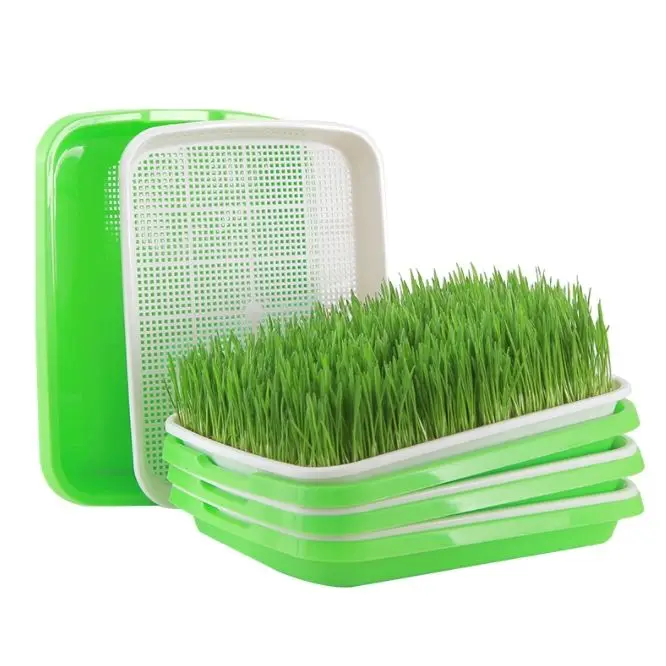
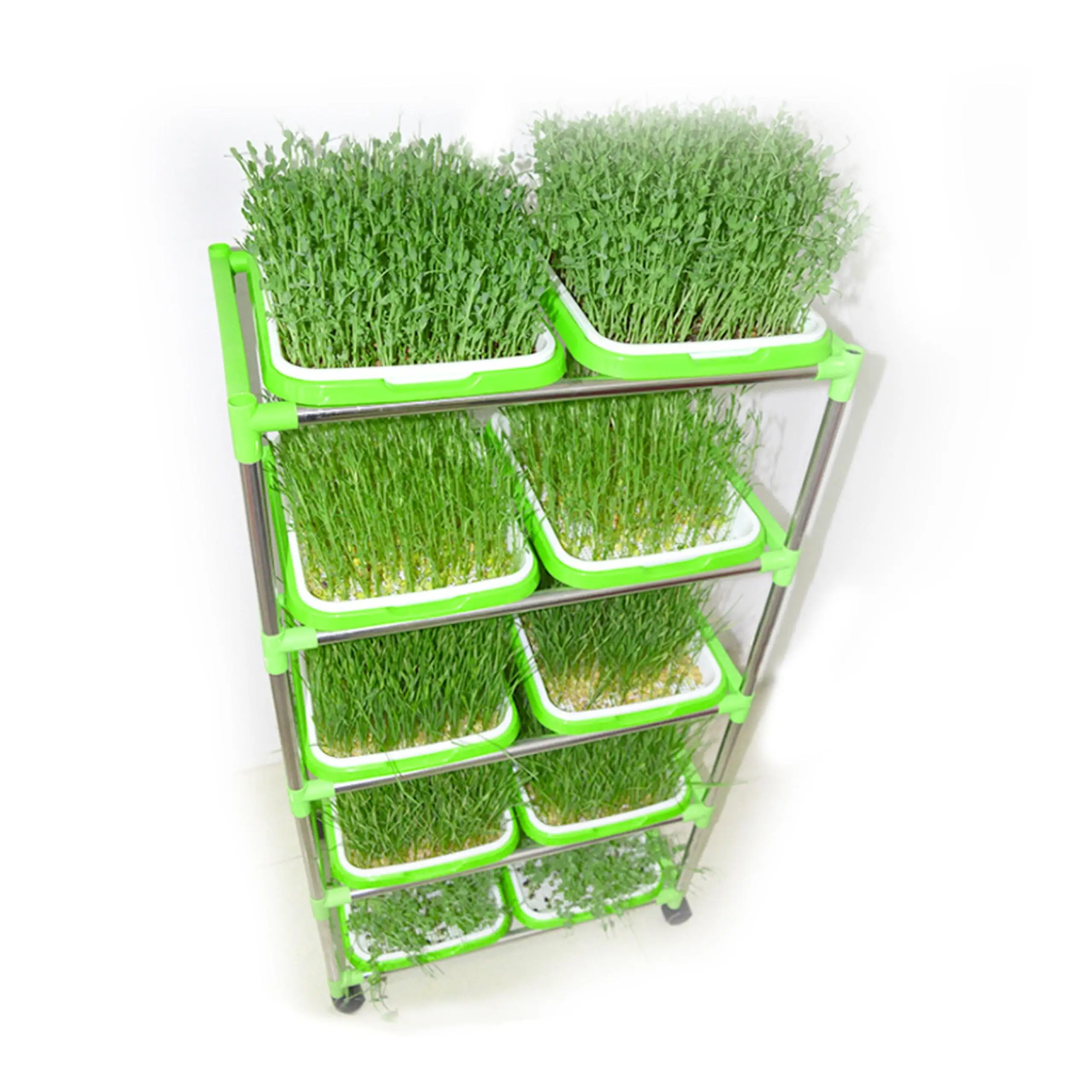
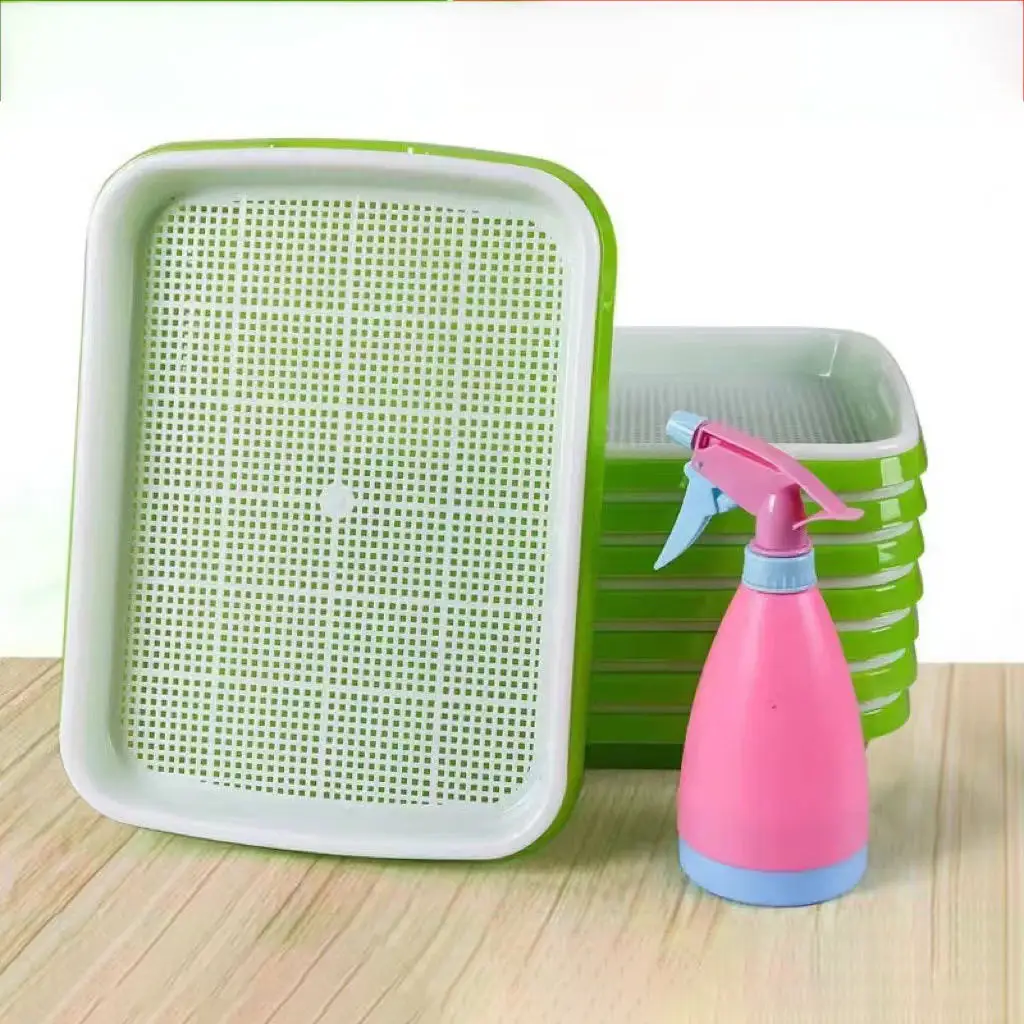
The modern agricultural landscape is experiencing a transformative shift toward sustainable indoor cultivation methods, with microgreen production leading this revolutionary change. Home Growing Microgreen Tray Growing Seeding Pot Systems Indoor Seedling Trays represent the pinnacle of innovative hydroponic and soil-based growing solutions designed to meet the increasing global demand for fresh, nutrient-dense microgreens. These sophisticated growing systems bridge the gap between traditional outdoor farming and controlled environment agriculture, offering unprecedented convenience for both commercial growers and home gardening enthusiasts.
As urban populations continue to expand and arable land becomes increasingly scarce, indoor growing solutions have emerged as essential tools for food security and sustainable agriculture. The microgreen cultivation sector has witnessed remarkable growth as consumers recognize the exceptional nutritional value and culinary versatility of these young vegetable greens. Professional-grade seedling tray systems provide the foundation for successful microgreen production, enabling consistent harvests regardless of external weather conditions or seasonal limitations.
Product Overview
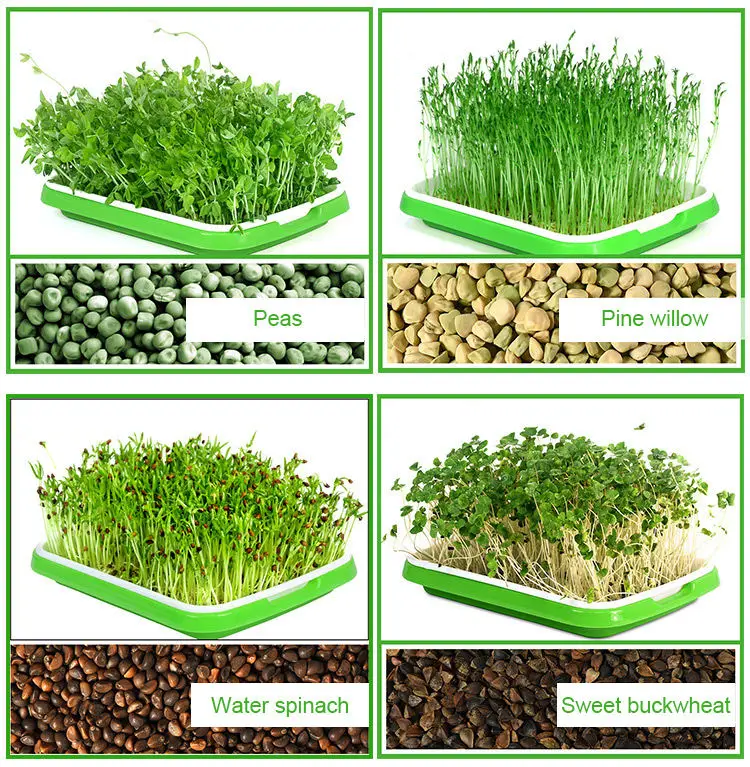
Our comprehensive Home Growing Microgreen Tray Growing Seeding Pot Systems Indoor Seedling Trays encompass a complete ecosystem of precision-engineered growing components designed to optimize plant development from germination through harvest. These advanced cultivation systems integrate cutting-edge materials science with practical growing methodology to deliver exceptional results across diverse microgreen varieties including broccoli, radish, pea shoots, sunflower greens, and numerous other popular species.
The modular design philosophy ensures maximum flexibility while maintaining consistent growing conditions across all cultivation zones. Each tray system incorporates carefully calculated drainage patterns, optimal depth configurations, and surface treatments that promote healthy root development and prevent common issues such as mold formation or uneven germination. The growing medium compatibility extends across soil-based substrates, hydroponic solutions, and soilless growing media, providing cultivators with versatile options to match their specific growing preferences and local resource availability.
Professional-grade construction materials ensure long-term durability and resistance to the constant moisture exposure inherent in microgreen production. The thoughtful engineering behind these seedling systems addresses critical factors including air circulation, moisture retention, temperature regulation, and light distribution, creating an ideal microenvironment for accelerated plant growth and maximum yield potential.
Features & Benefits
Advanced Material Engineering
The construction of our indoor seedling trays utilizes premium food-grade materials that maintain structural integrity throughout extended growing cycles while ensuring complete safety for edible crop production. The specialized surface treatments resist bacterial growth and facilitate thorough cleaning between growing cycles, supporting hygienic cultivation practices essential for commercial food production standards. These materials demonstrate exceptional resistance to UV degradation, chemical corrosion from fertilizers and growing solutions, and mechanical stress from repeated handling and stacking.
Optimized Drainage and Aeration
Precision-engineered drainage systems prevent waterlogging while maintaining optimal moisture levels throughout the growing substrate. The strategic placement of drainage apertures ensures uniform water distribution across the entire growing surface, eliminating dry spots that can result in uneven germination patterns. Enhanced aeration features promote healthy root development and prevent anaerobic conditions that lead to root rot and other moisture-related plant diseases. The intelligent design balances water retention with excess moisture evacuation, creating ideal growing conditions for rapid microgreen development.
Stackable and Space-Efficient Design
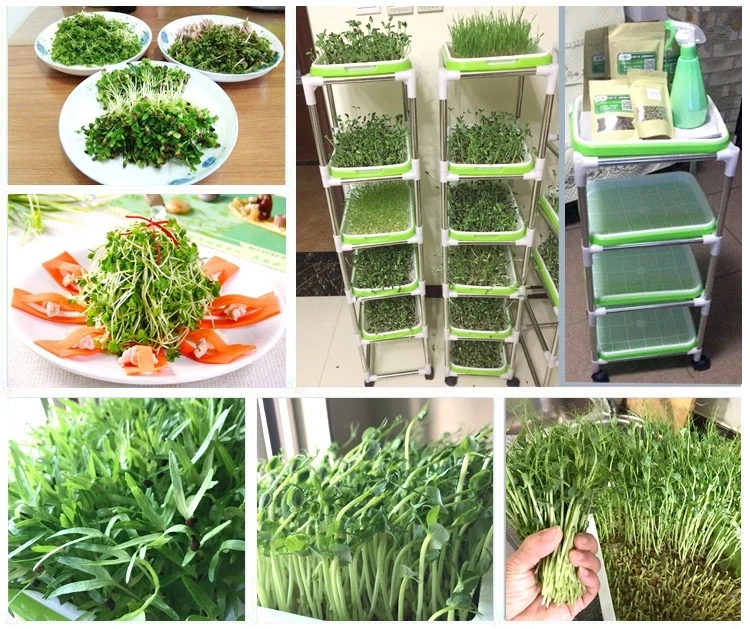
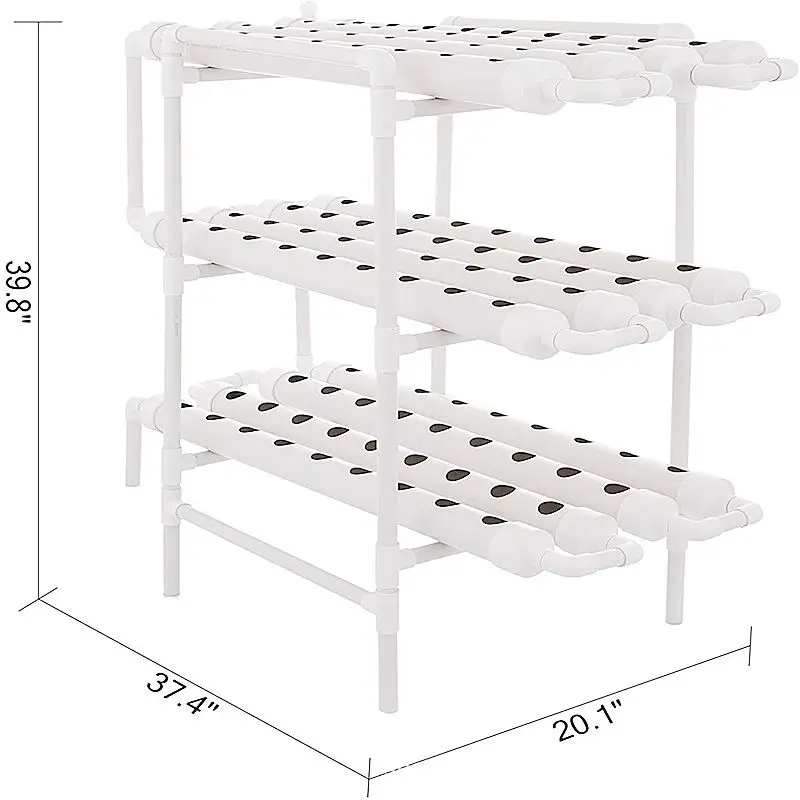
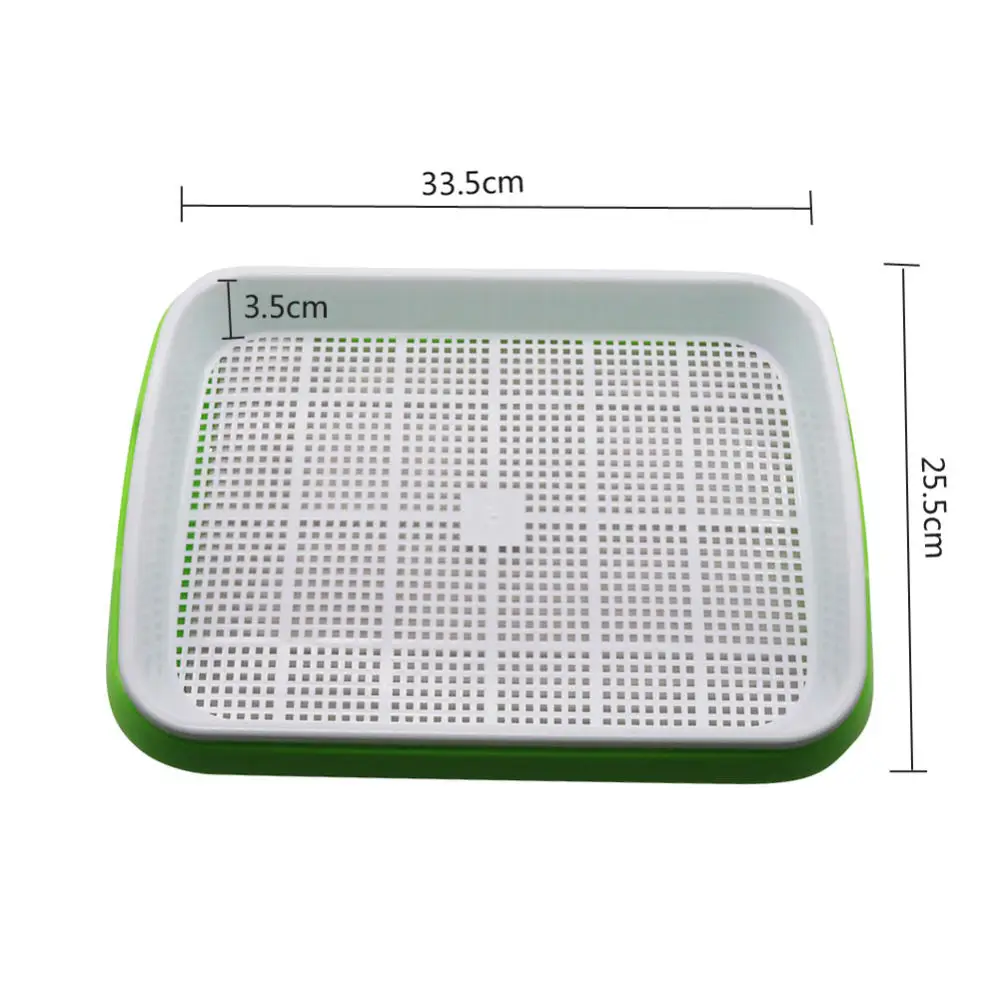
The compact footprint and stackable architecture maximize growing capacity within limited space constraints, making these systems ideal for urban environments, commercial growing facilities, and residential applications where space optimization is paramount. The interlocking design ensures stable stacking configurations while maintaining adequate air circulation between growing levels. This vertical growing capability dramatically increases production density compared to traditional horizontal growing methods, enabling higher yields from smaller cultivation areas.
Temperature and Humidity Control
Integrated thermal management features help maintain consistent growing temperatures, while moisture regulation systems create optimal humidity levels for different growth phases. The thermal mass properties of the tray materials provide natural temperature buffering that reduces fluctuations caused by ambient environmental changes. These climate control characteristics are particularly valuable in regions with extreme temperature variations or in growing environments without sophisticated HVAC systems.
Applications & Use Cases
Commercial microgreen producers rely on these Home Growing Microgreen Tray Growing Seeding Pot Systems Indoor Seedling Trays to establish consistent production schedules that meet market demands throughout the year. Restaurant suppliers utilize these systems to provide fresh, locally-grown microgreens that enhance culinary presentations while reducing transportation costs and environmental impact. The reliability and predictable yields enable precise inventory planning and consistent product availability that foodservice establishments require.
Educational institutions integrate these growing systems into agricultural curricula, providing students with hands-on experience in modern cultivation techniques and sustainable food production methods. Research facilities employ these standardized growing platforms for botanical studies, nutritional analysis, and agricultural experimentation where consistent growing conditions are essential for reliable data collection. The controlled environment capabilities support scientific research into plant development, genetic expression, and optimization of growing parameters.
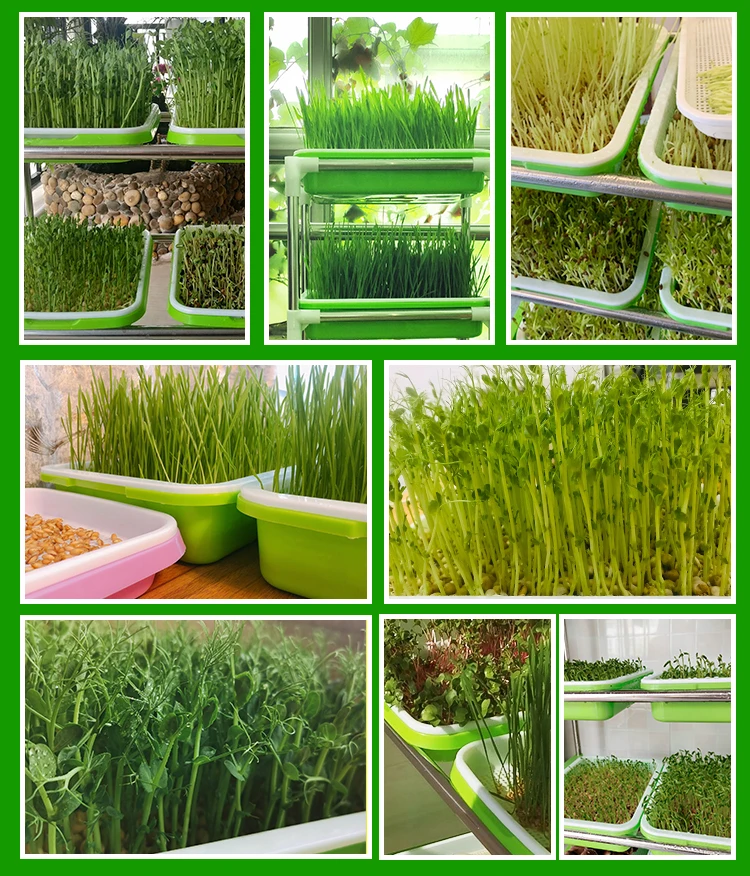
Home gardening enthusiasts appreciate the convenience and reliability of indoor microgreen production, especially in regions with harsh climates or limited outdoor growing seasons. These systems enable year-round fresh produce cultivation in apartments, condominiums, and homes without traditional garden space. The compact nature and aesthetic design make them suitable for kitchen countertops, basement growing rooms, or dedicated indoor gardening spaces.
Therapeutic gardening programs in healthcare facilities and senior living communities benefit from the accessibility and low-maintenance requirements of these growing systems. The rapid growth cycle of microgreens provides immediate gratification and encourages continued participation in gardening activities that promote mental and physical well-being. The lightweight construction and ergonomic design considerations make these systems suitable for individuals with mobility limitations or reduced physical strength.
Quality Control & Compliance
Manufacturing processes adhere to stringent international quality standards that ensure consistent product performance and safety for food production applications. Comprehensive material testing protocols verify chemical composition, structural integrity, and long-term stability under typical growing conditions. Each production batch undergoes rigorous inspection procedures that evaluate dimensional accuracy, surface finish quality, and functional performance characteristics.
Food safety compliance represents a fundamental priority throughout the design and manufacturing process, with materials selected specifically for their safety in direct contact with edible crops. The production facility maintains clean room standards and follows Good Manufacturing Practices that meet or exceed industry requirements for food-contact surfaces. Traceability systems track material sources and production history, enabling complete accountability for product quality and safety.
Environmental responsibility guides material selection and manufacturing processes, prioritizing recyclable materials and energy-efficient production methods. The durability engineering extends product lifespan, reducing replacement frequency and minimizing environmental impact over the product lifecycle. Packaging materials utilize recycled content where possible, and waste reduction initiatives continuously improve resource efficiency throughout the supply chain.
Customization & Branding Options
Extensive customization capabilities accommodate specific growing requirements and branding needs for commercial customers and private label applications. Custom packaging manufacturer services provide tailored solutions that reflect brand identity while maintaining product protection during shipping and storage. The flexibility in design modifications allows adaptation to unique growing methodologies or specific crop varieties that may require specialized tray configurations or surface treatments.
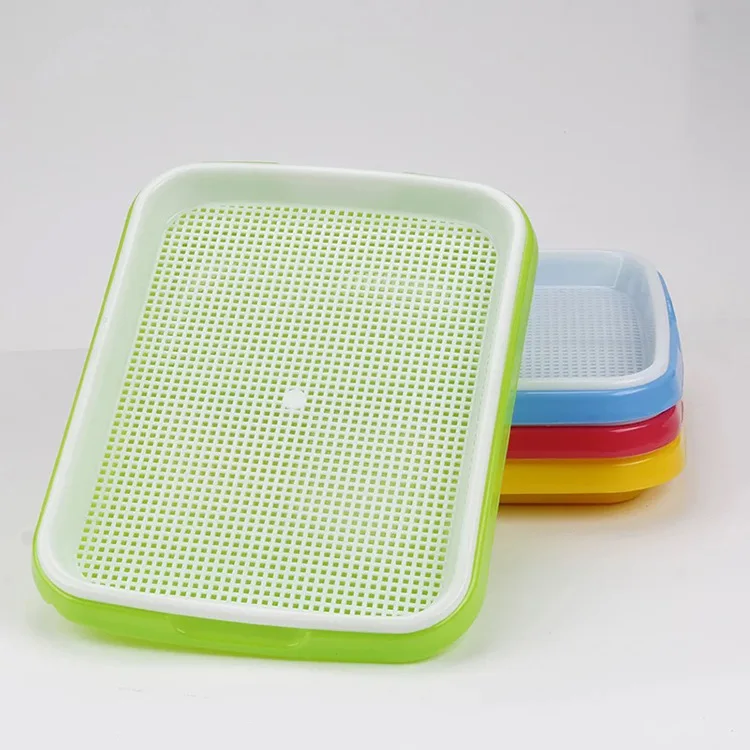
Color customization options enable brand differentiation and product identification within commercial growing operations where multiple product lines or growing stages require visual distinction. Surface texture modifications can optimize growing conditions for specific microgreen varieties or growing media types. Custom labeling and marking services provide permanent identification that withstands repeated washing and sterilization cycles.
OEM manufacturing partnerships support large-scale distribution and private label programs with dedicated production runs and quality assurance protocols. The manufacturing flexibility accommodates varying volume requirements while maintaining consistent quality standards across all production quantities. Technical support services assist customers in optimizing tray configurations for their specific growing applications and environmental conditions.
Packaging & Logistics Support
Comprehensive packaging solutions protect products during international shipping while optimizing container utilization for cost-effective distribution. The packaging design incorporates sustainable materials that provide adequate protection while minimizing environmental impact and disposal costs for recipients. Palletization strategies maximize shipping efficiency and reduce handling requirements throughout the distribution chain.
Global logistics expertise ensures reliable delivery schedules and competitive shipping costs to international markets. The packaging engineering accommodates various climate conditions encountered during transit, maintaining product integrity regardless of seasonal weather variations or extended shipping durations. Documentation support simplifies customs clearance and regulatory compliance for international shipments.
Inventory management services provide flexible stocking solutions that align with customer demand patterns and seasonal variations in growing activity. The distribution network enables regional warehousing that reduces delivery times and shipping costs for high-volume customers. Order consolidation services optimize shipping efficiency for customers purchasing multiple product lines or accessories.
Why Choose Us
Our company brings extensive experience in agricultural equipment manufacturing and has established a strong presence in international markets through consistent quality and reliable service. We maintain long-standing relationships with distributors and importers worldwide who recognize our commitment to product excellence and customer satisfaction. The manufacturing facility incorporates advanced production technologies and quality control systems that ensure consistent product performance across all markets.
As a specialized custom tin box supplier and metal packaging manufacturer, we understand the critical importance of precision engineering and material quality in agricultural applications. Our expertise extends across multiple industries, enabling us to apply best practices from various sectors to create superior growing system solutions. This multi-industry experience provides unique insights into durability requirements, user interface design, and manufacturing efficiency that benefit our customers.
Continuous innovation drives product development initiatives that anticipate market trends and customer needs in the rapidly evolving indoor growing industry. The research and development team collaborates with agricultural experts, commercial growers, and academic institutions to identify opportunities for performance improvements and new feature development. This commitment to advancement ensures that our products remain at the forefront of growing system technology.
Technical support services provide ongoing assistance to customers implementing these growing systems, from initial setup guidance through troubleshooting and optimization recommendations. The customer service team includes experienced horticulturists who understand both the technical aspects of the products and the practical challenges of microgreen cultivation. This expertise enables valuable consultation that helps customers achieve optimal growing results and maximize their investment returns.
Conclusion
The Home Growing Microgreen Tray Growing Seeding Pot Systems Indoor Seedling Trays represent a comprehensive solution for modern indoor agriculture that addresses the diverse needs of commercial producers, educational institutions, and home gardening enthusiasts. The combination of advanced materials, thoughtful engineering, and proven growing methodology creates a reliable platform for consistent microgreen production regardless of external environmental conditions. The versatility and scalability of these systems make them suitable for applications ranging from small-scale home production to large commercial operations, while the quality construction ensures long-term value and performance reliability. As the indoor growing industry continues to expand and evolve, these innovative growing systems provide the foundation for sustainable, efficient, and productive microgreen cultivation that meets the increasing global demand for fresh, nutritious produce.