hydroponic culture
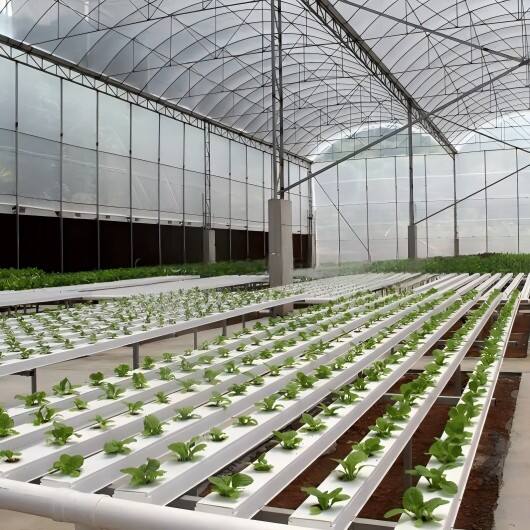
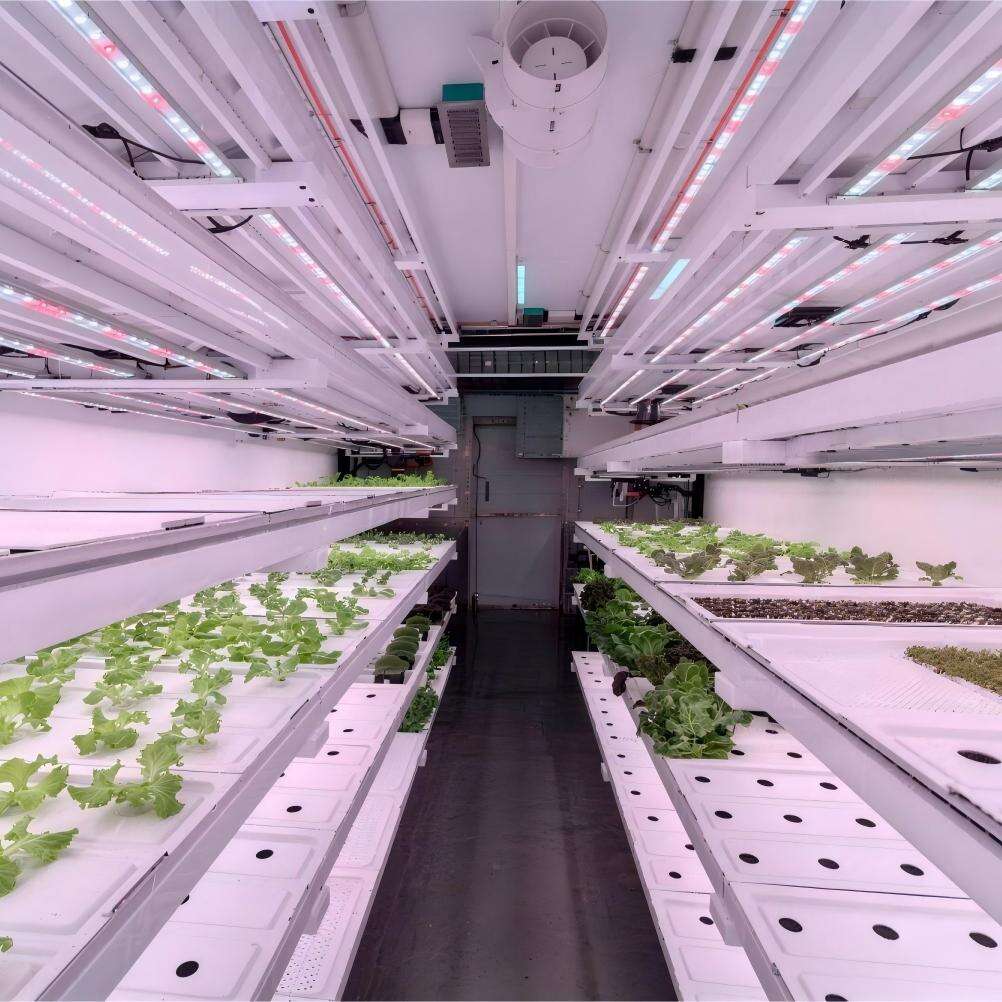
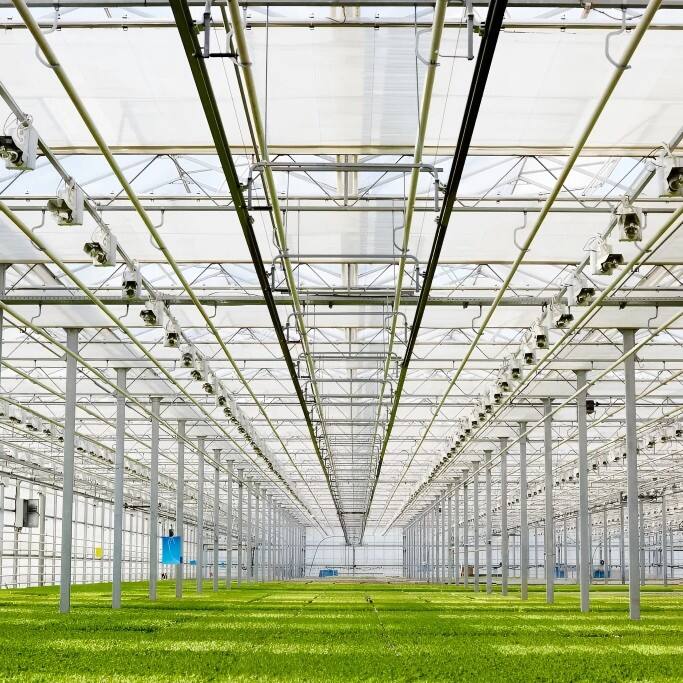
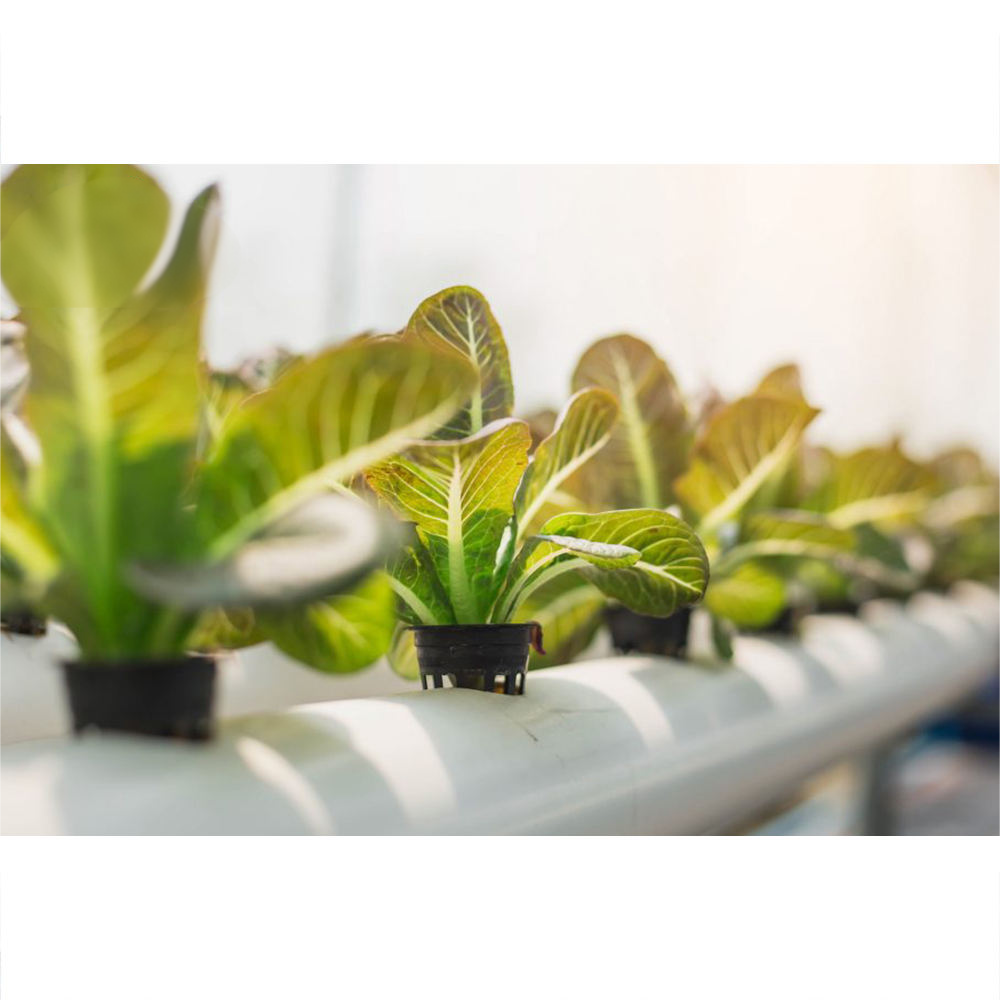
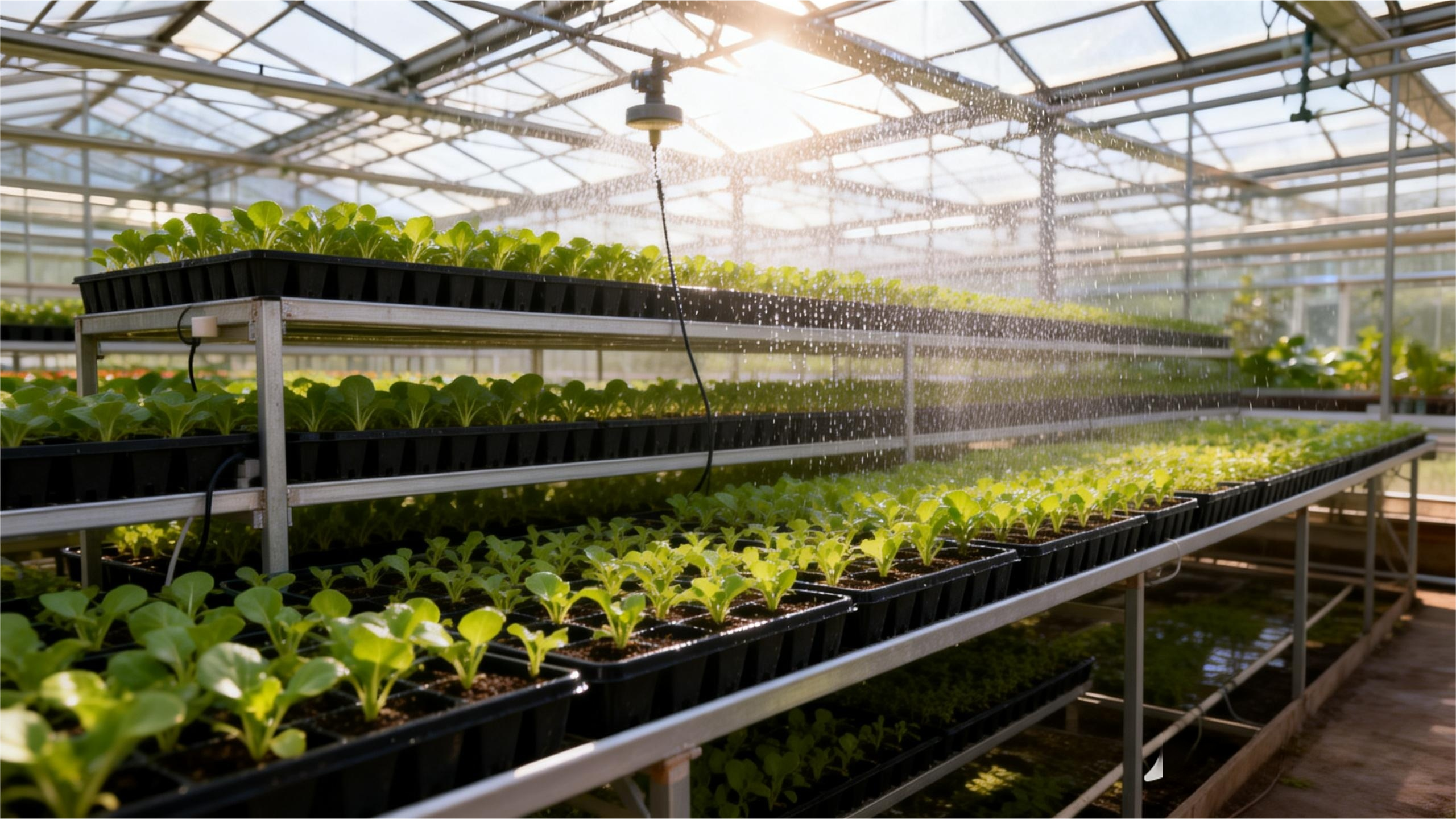
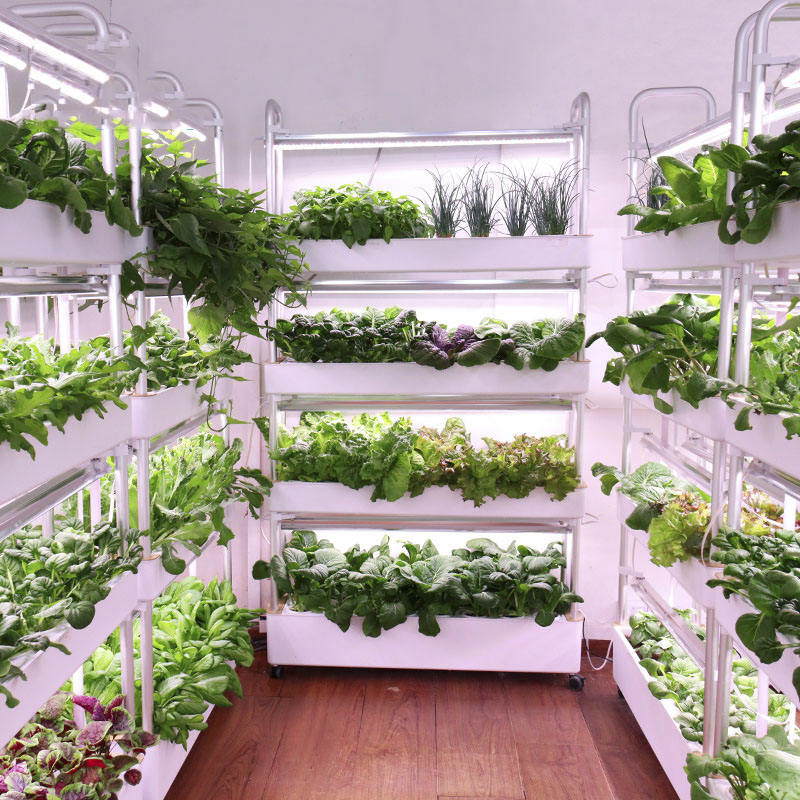
Hydroponic culture represents a revolutionary agricultural method that grows plants without traditional soil, utilizing nutrient-rich water solutions to deliver essential minerals directly to plant roots. This innovative farming technique has transformed modern agriculture by offering precise control over growing conditions and maximizing crop yields in controlled environments. The hydroponic culture system operates through various methods including deep water culture, nutrient film technique, and drip irrigation systems, each designed to optimize plant nutrition and growth rates. The primary functions of hydroponic culture include eliminating soil-borne diseases, reducing water consumption through recirculation systems, and enabling year-round cultivation regardless of climate conditions. Technological features of hydroponic culture encompass automated pH monitoring, electrical conductivity sensors, and computerized nutrient delivery systems that maintain optimal growing conditions. These systems integrate advanced sensors, pumps, and control units to create a fully automated growing environment. The hydroponic culture method allows farmers to grow crops in urban settings, greenhouses, and indoor facilities where traditional agriculture would be impossible. Applications span from commercial vegetable production to home gardening systems, with particular success in growing leafy greens, herbs, tomatoes, and peppers. Research facilities utilize hydroponic culture for plant breeding programs and agricultural studies due to its controlled environment capabilities. The technology supports sustainable agriculture initiatives by reducing pesticide use, minimizing water waste, and eliminating agricultural runoff. Modern hydroponic culture systems incorporate renewable energy sources and smart technology integration, making them increasingly efficient and environmentally friendly. This growing method has gained popularity among urban farmers, commercial growers, and sustainability advocates seeking efficient food production solutions that maximize output while minimizing environmental impact.
 ×
×

 EN
EN