Superior Plant Organization and Maintenance Efficiency
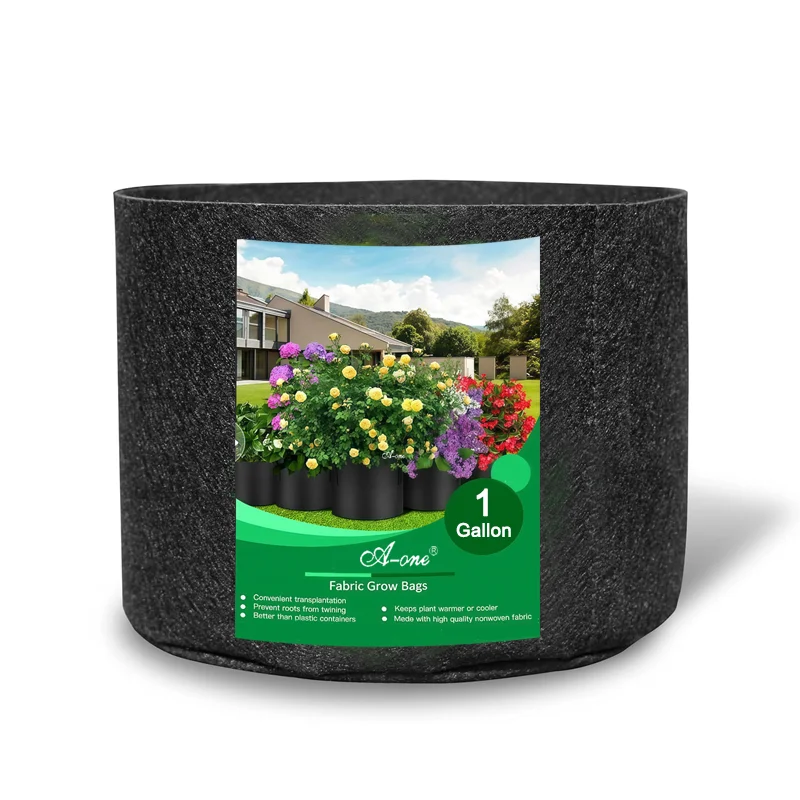
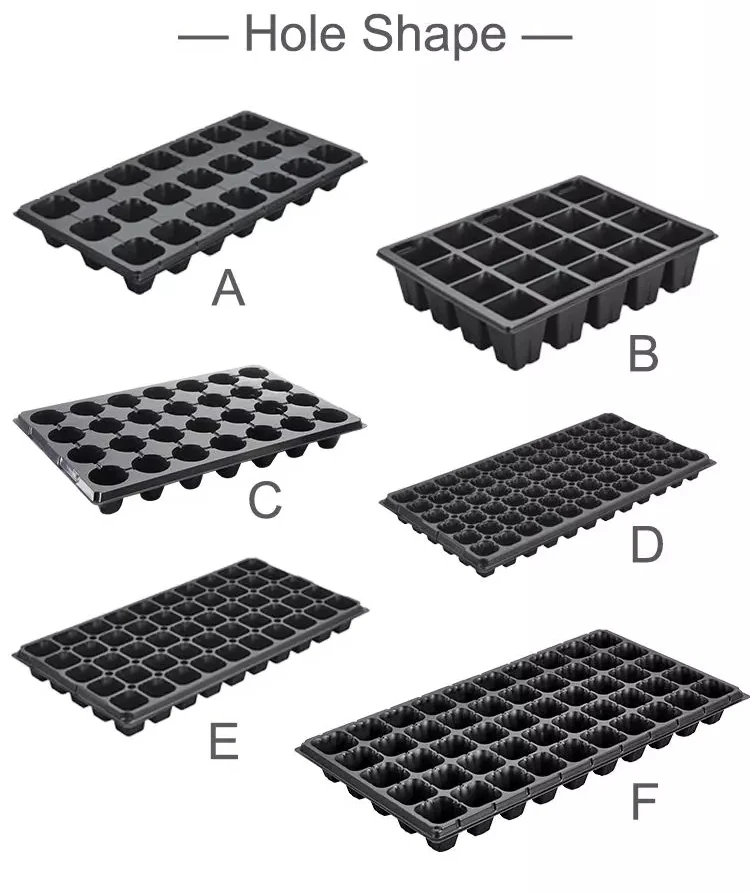
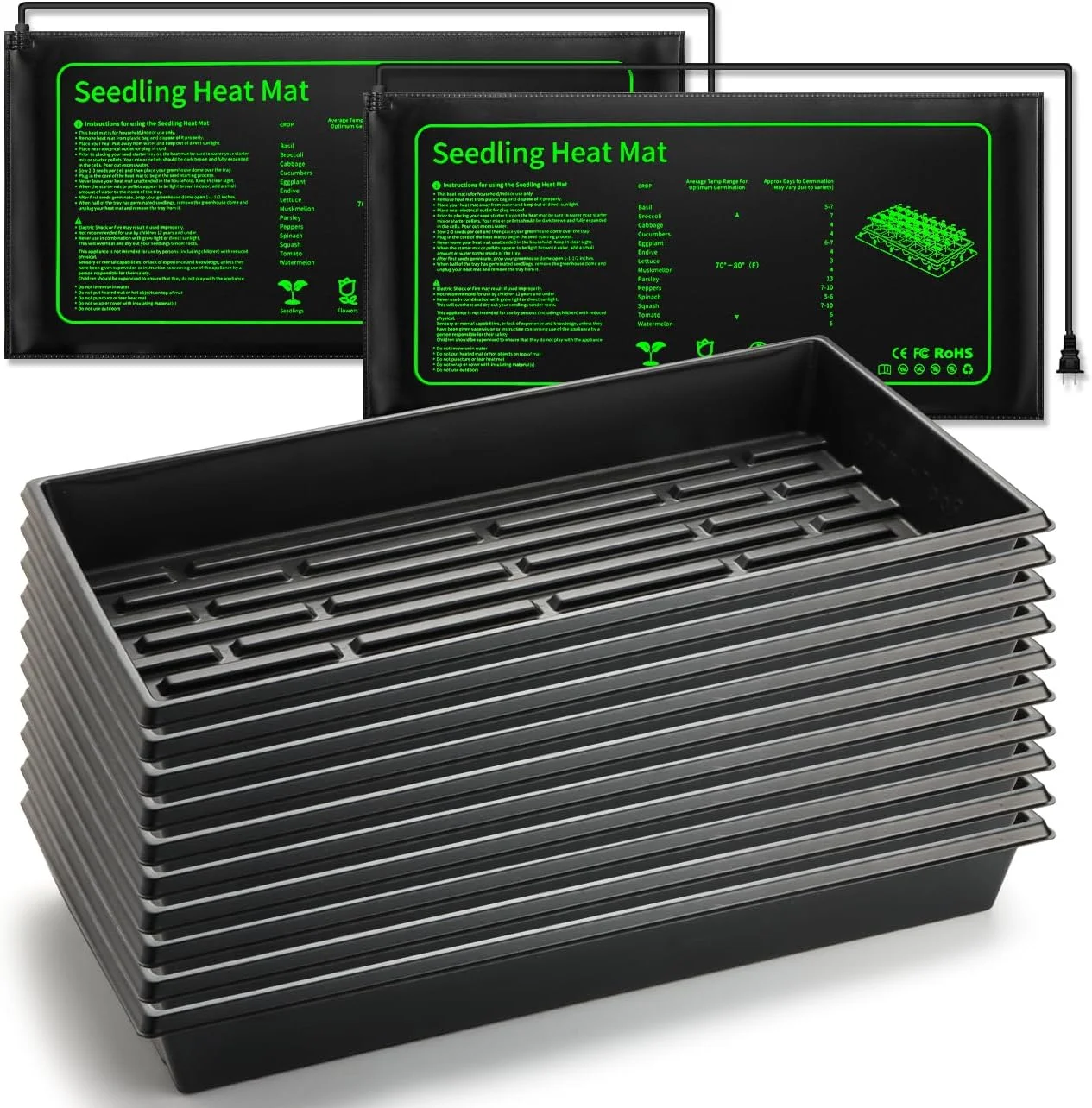
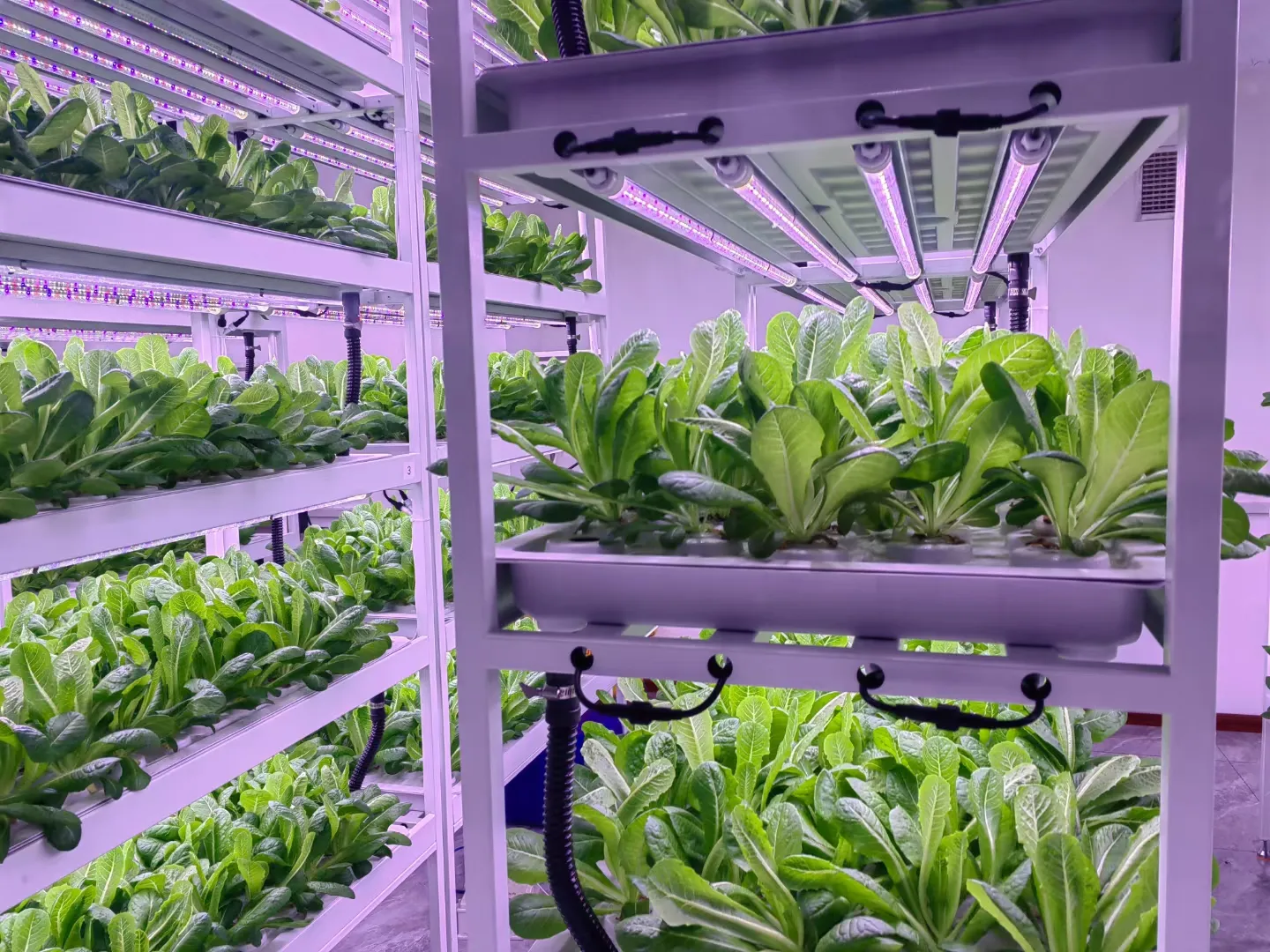
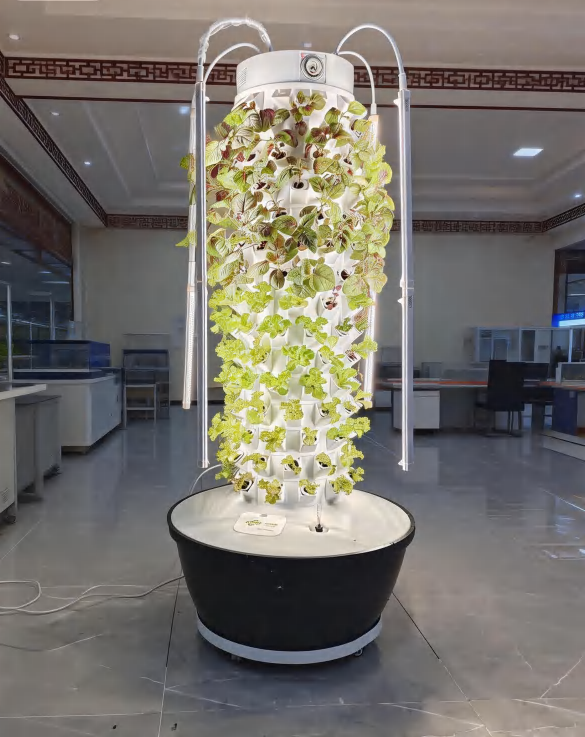
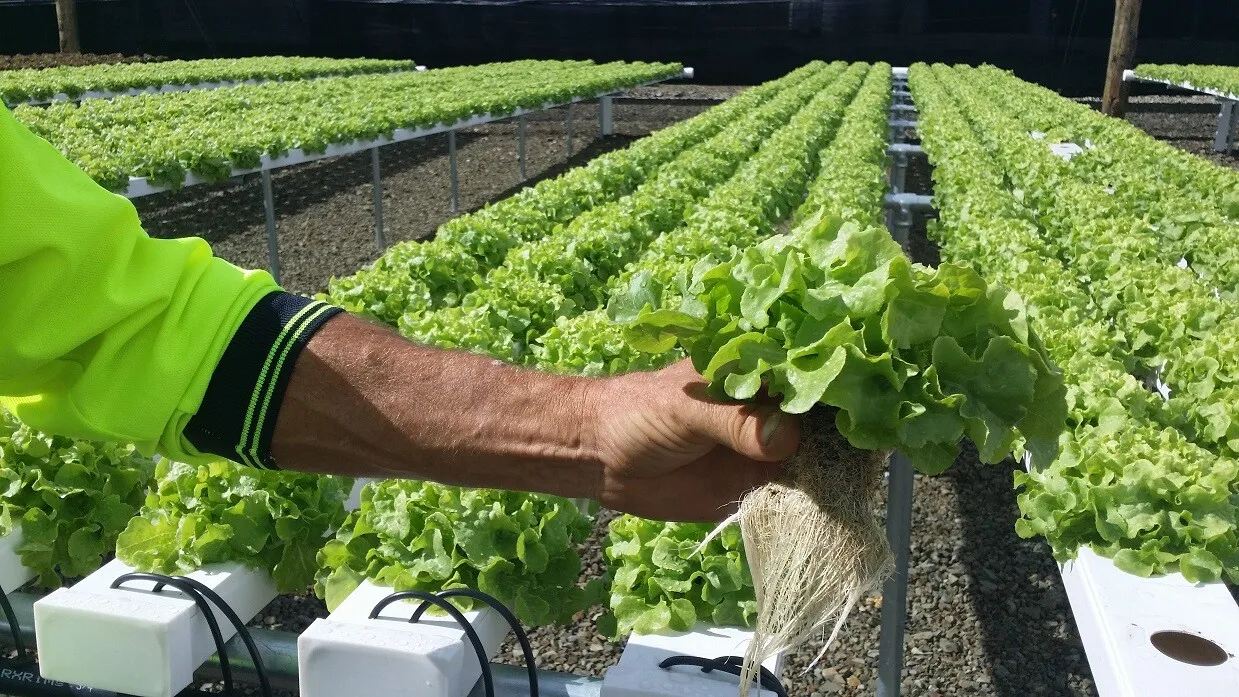
The organizational and maintenance advantages of nursery pots with tray systems create a gardening environment that promotes both plant health and gardener efficiency through systematic plant management and simplified care routines. This structured approach to cultivation eliminates many of the complications associated with traditional gardening methods while providing clear benefits for plant monitoring, treatment, and overall garden management. Individual plant containment within nursery pots with tray systems prevents root competition and allows each plant to develop its full potential without interference from neighboring specimens. This separation proves crucial for maintaining plant health, as diseases, pests, or nutrient deficiencies can be addressed on a plant-by-plant basis without affecting the entire garden. Gardeners can isolate problematic plants immediately, apply targeted treatments, or remove affected specimens entirely without disturbing healthy plants nearby. This containment strategy significantly reduces the spread of plant diseases and pest infestations that commonly plague traditional garden beds where plants share soil space. The systematic arrangement possible with nursery pots with tray systems facilitates comprehensive plant monitoring and record-keeping practices essential for successful cultivation. Each plant occupies a designated position, making it easy to track individual progress, flowering schedules, harvest timing, and treatment applications. This organization proves invaluable for gardeners growing multiple varieties of the same species or conducting growing experiments with different cultivation techniques. Professional operations benefit from simplified inventory management, quality control, and harvest scheduling that standardized nursery pots with tray systems provide. Maintenance tasks become significantly more efficient with the organized structure that nursery pots with tray systems create. Watering, fertilizing, pruning, and pest inspection can be performed systematically, ensuring that no plants are overlooked or receive inconsistent care. The elevated position of plants in many tray systems reduces back strain during maintenance activities, making gardening more comfortable and accessible for people with mobility limitations. Soil management becomes more precise, as each pot can receive customized soil mixtures appropriate for specific plant requirements, and soil replacement or amendment can be performed selectively without disturbing other plants. The contained system also simplifies crop rotation practices, as pots can be easily rearranged or relocated to implement rotating growing patterns that maintain soil health and prevent pest buildup over multiple growing seasons.
 ×
×

 EN
EN