Professional Nursery Pot Trays - Advanced Plant Growing Systems for Commercial & Home Use

Get a Free Quote

Our representative will contact you soon.
Email
Name
Company Name
Message
0/1000

nursery pot trays

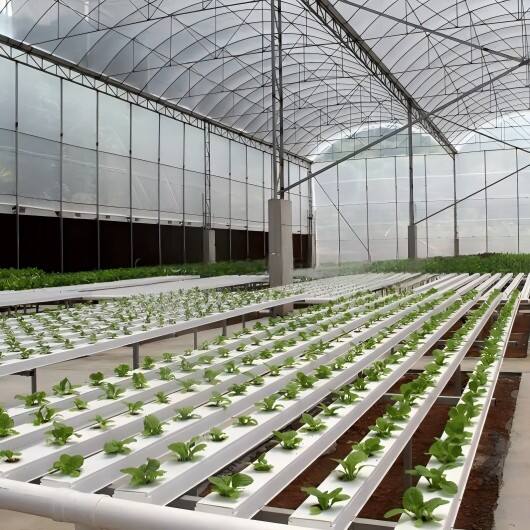
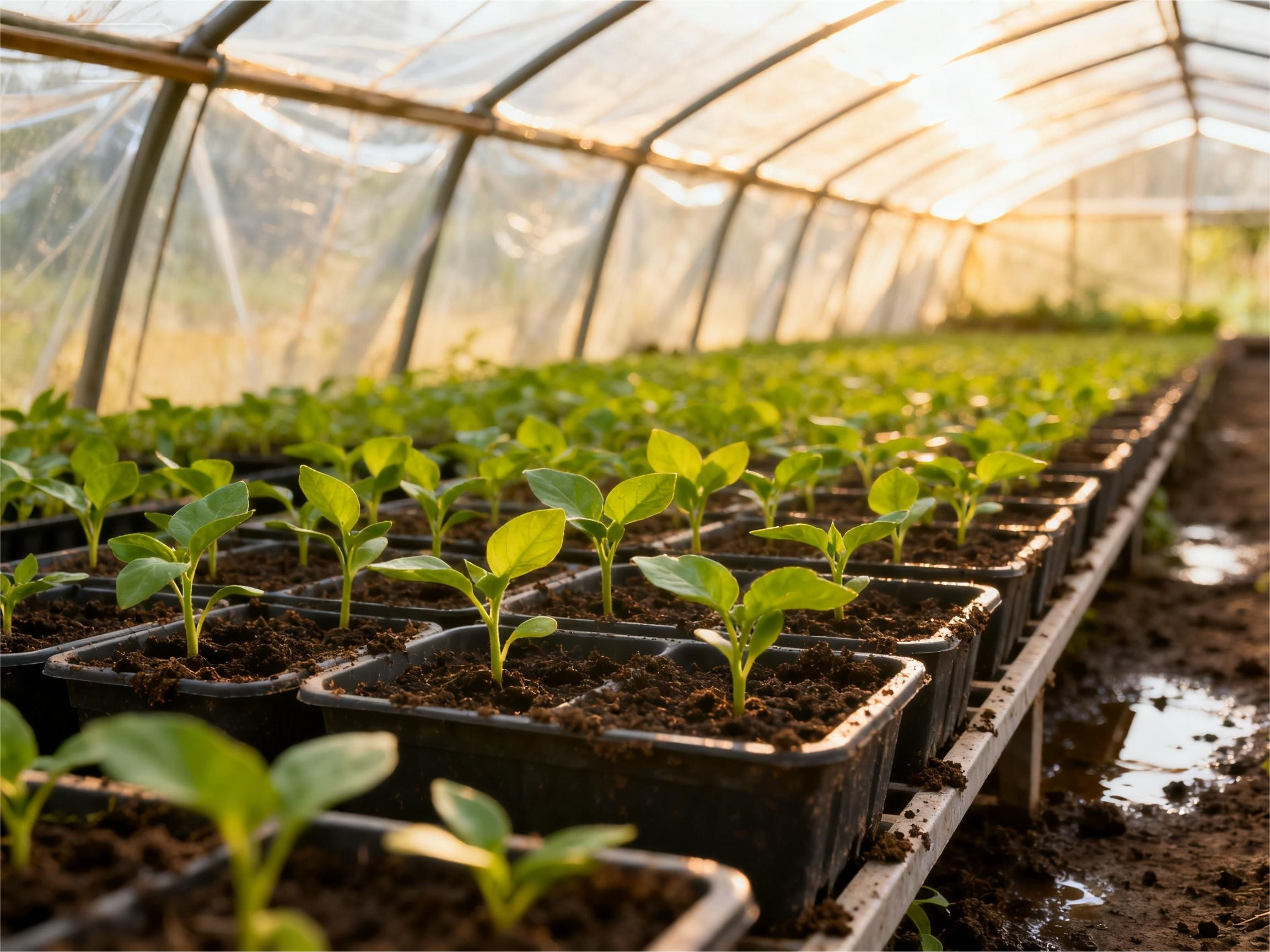
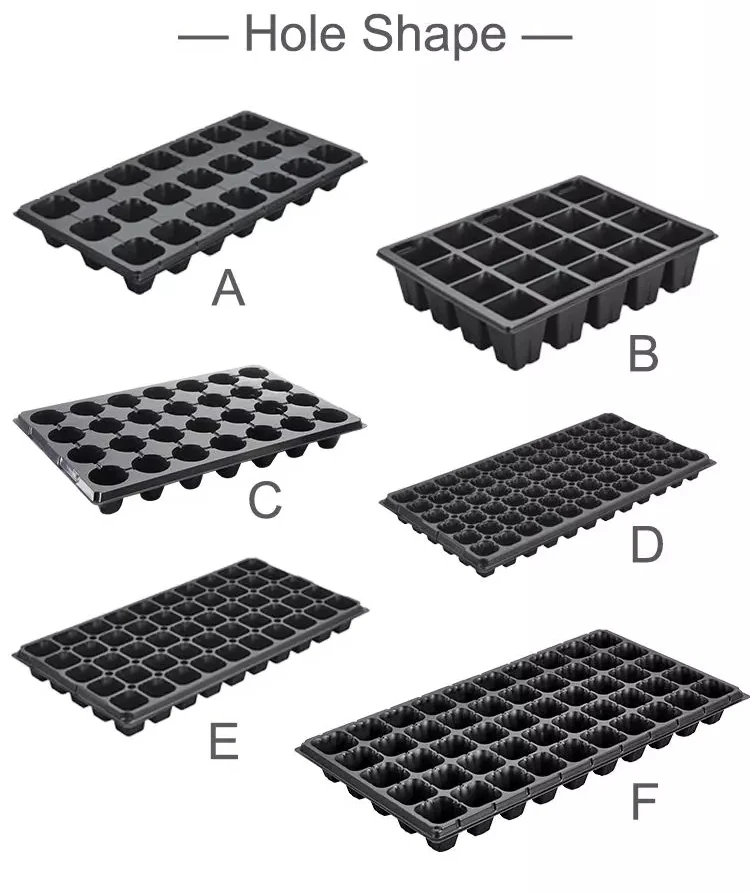
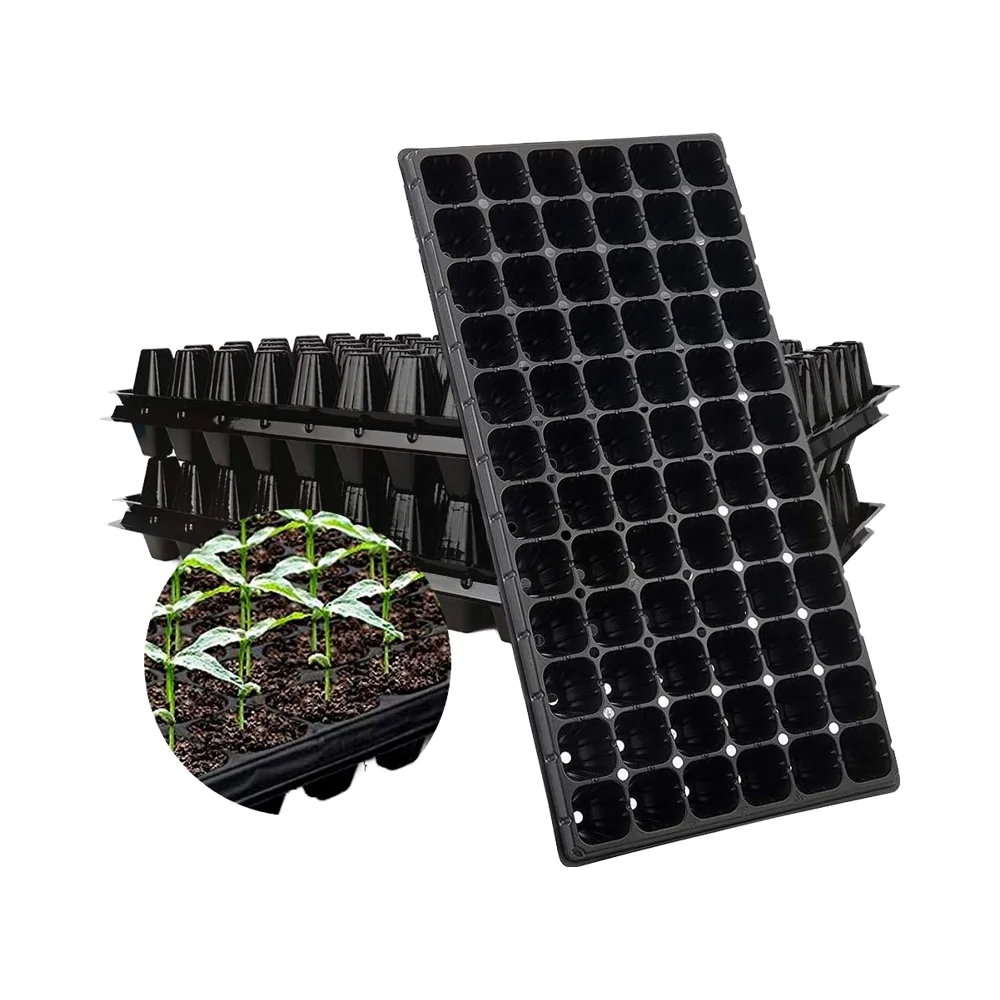
Nursery pot trays represent essential infrastructure for modern horticultural operations, providing organized and efficient solutions for plant propagation and seedling development. These specialized containers serve as the foundation for successful commercial nurseries, greenhouses, and home gardening enterprises. Nursery pot trays are engineered to accommodate multiple individual growing containers while maximizing space utilization and streamlining plant care routines. The primary function of nursery pot trays centers on creating systematic arrangements that facilitate proper drainage, air circulation, and root development across multiple plants simultaneously. These trays feature precisely designed cavities or slots that securely hold various pot sizes, preventing containers from shifting during transport or daily maintenance activities. The technological features of modern nursery pot trays incorporate advanced materials science and ergonomic design principles. High-quality polypropylene or recycled plastic construction ensures durability while maintaining lightweight characteristics essential for handling large quantities of plants. Drainage systems integrated into nursery pot trays prevent water accumulation that could lead to root rot or fungal diseases. Reinforced structural elements provide stability under heavy loads while maintaining flexibility for seasonal storage requirements. The applications of nursery pot trays extend across diverse agricultural and horticultural sectors. Commercial plant producers utilize these systems for large-scale seedling production, ensuring consistent growing conditions across thousands of individual plants. Retail garden centers benefit from the organized display capabilities that nursery pot trays provide, creating attractive presentations while maintaining plant health. Research institutions employ these trays for controlled experiments requiring standardized growing environments. Home gardeners appreciate the space-saving benefits and improved organization that nursery pot trays deliver for personal growing projects. Educational facilities use these systems to teach students about plant biology and cultivation techniques in structured learning environments.

New Product Recommendations

Nursery pot trays deliver substantial cost savings through improved efficiency and reduced labor requirements in plant production facilities. These systems eliminate the need for individual pot placement on surfaces, dramatically reducing setup time and allowing workers to focus on higher-value activities such as plant monitoring and care. The standardized dimensions of nursery pot trays enable precise space planning, maximizing growing capacity within limited greenhouse or outdoor areas. This optimization translates directly into increased revenue potential for commercial operations while reducing overhead costs per plant produced. The durability of quality nursery pot trays provides long-term value through multiple growing seasons, eliminating frequent replacement costs associated with inferior alternatives. Material efficiency represents another significant advantage, as these trays reduce plastic waste compared to single-use growing containers. The modular design of nursery pot trays facilitates easy expansion or reconfiguration of growing operations as business needs evolve. Transportation benefits include simplified movement of multiple plants simultaneously, reducing handling time and minimizing plant stress during relocation processes. Nursery pot trays enhance plant health outcomes through superior drainage management and improved air circulation around root systems. The elevated positioning prevents direct soil contact, reducing pest infiltration and disease transmission between plants. Standardized spacing ensures optimal light distribution and prevents overcrowding that can stunt plant development. Water management becomes more precise with nursery pot trays, as excess moisture drains away efficiently while maintaining consistent soil moisture levels. Quality control improves significantly when using these systems, as plant monitoring becomes more systematic and defective specimens can be easily identified and removed. The professional appearance of organized nursery pot trays enhances customer perception in retail environments, potentially increasing sales through improved product presentation. Seasonal storage capabilities allow for compact stacking when trays are not in active use, minimizing storage space requirements. Environmental benefits include reduced water usage through improved irrigation efficiency and decreased chemical runoff through contained growing systems. The versatility of nursery pot trays accommodates various pot sizes and plant types, providing flexibility for diverse growing operations and seasonal crop rotations.

Practical Tips

Hydroponic Vertical Farming_ Empowering Legal Cultivation Markets Globally

09

Feb

Hydroponic Vertical Farming_ Empowering Legal Cultivation Markets Globally

View More
Planting Containers: Unlocking New Possibilities for Smart Agriculture, Creating Efficient and Movable Planting Spaces

11

Mar

Planting Containers: Unlocking New Possibilities for Smart Agriculture, Creating Efficient and Movable Planting Spaces

View More
Vertical Farming Machines, Greenhouse Cultivation & Hydroponics: Reshaping the Future of Agriculture

09

Feb

Vertical Farming Machines, Greenhouse Cultivation & Hydroponics: Reshaping the Future of Agriculture

View More

Get a Free Quote

Our representative will contact you soon.
Email
Name
Company Name
Message
0/1000

nursery pot trays

Advanced Drainage Technology and Root Health Management

Advanced Drainage Technology and Root Health Management

The sophisticated drainage technology integrated into modern nursery pot trays represents a revolutionary advancement in plant cultivation systems that directly impacts root health and overall plant vitality. This innovative feature addresses one of the most critical challenges in container gardening: preventing waterlogged conditions that can devastate entire plant populations. The drainage system typically consists of strategically positioned channels and elevated platforms that allow excess water to flow away from plant roots while maintaining optimal moisture levels in the growing medium. This technology prevents the accumulation of stagnant water that creates anaerobic conditions hostile to healthy root development. The design incorporates subtle slopes and textured surfaces that guide water movement efficiently without disrupting the stability of individual containers. Advanced nursery pot trays feature multiple drainage pathways that ensure consistent performance even when some channels become temporarily blocked by debris or root growth. The elevation provided by these trays creates an air gap beneath containers, promoting crucial air circulation around the root zone that enhances oxygen availability for root respiration. This improved oxygenation stimulates vigorous root growth and increases nutrient uptake efficiency, resulting in stronger, more resilient plants. The drainage technology also facilitates precise irrigation management, as growers can monitor water retention and adjust watering schedules based on actual plant needs rather than guesswork. This precision reduces water waste while ensuring plants receive optimal hydration levels throughout their development cycle. The system prevents salt accumulation that can occur in poorly drained containers, maintaining healthy soil chemistry for sustained plant growth. Additionally, the drainage features make cleaning and sanitization procedures more effective, as residual nutrients and potential pathogens are efficiently removed between growing cycles. The long-term benefits of this drainage technology include reduced plant mortality rates, decreased susceptibility to root diseases, and improved overall crop yields that justify the investment in quality nursery pot trays for serious growing operations.
Space Optimization and Modular Design Flexibility

Space Optimization and Modular Design Flexibility

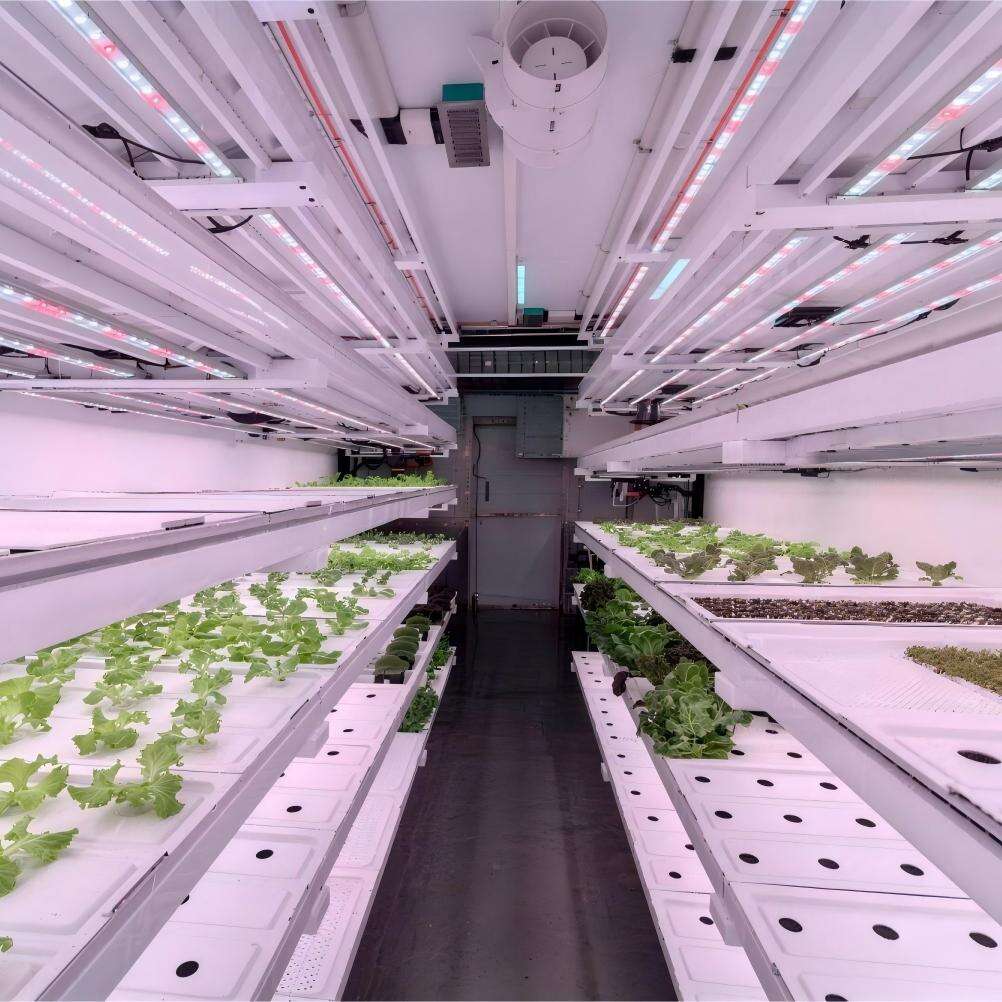
The modular design philosophy behind nursery pot trays delivers unprecedented space optimization capabilities that transform how growing operations manage their available area while maintaining flexibility for diverse cultivation needs. This systematic approach to space utilization maximizes productive capacity within existing infrastructure, whether in commercial greenhouses, retail garden centers, or residential growing areas. The modular construction allows nursery pot trays to be configured in countless arrangements that adapt to specific space constraints and operational requirements. Standard dimensions ensure compatibility between different tray units, enabling seamless expansion or reconfiguration as growing needs evolve over time. The interlocking design features of quality nursery pot trays create stable, unified growing platforms that can accommodate hundreds of plants in organized, accessible arrangements. This modularity extends to vertical growing systems, where multiple tray levels can be implemented to dramatically increase growing density without expanding horizontal footprint requirements. The standardized pot positions within each tray ensure optimal spacing between plants, preventing competition for light resources while maximizing the number of plants that can be accommodated in available space. The design flexibility accommodates various pot sizes through interchangeable inserts or adjustable cavity systems, allowing growers to adapt quickly to different plant types or market demands without investing in entirely new infrastructure. Transport and storage benefits emerge from the modular design, as empty trays stack efficiently for compact storage during off-seasons or when not in active use. The systematic organization created by modular nursery pot trays streamlines inventory management and plant tracking procedures, reducing labor costs and improving accuracy in commercial operations. Maintenance activities become more efficient when plants are organized in standardized formations, allowing workers to move systematically through growing areas without wasted motion or missed plants. The professional appearance of well-organized modular systems enhances customer experience in retail environments and creates positive impressions for potential business partners or investors touring production facilities.
Enhanced Plant Monitoring and Quality Control Systems

Enhanced Plant Monitoring and Quality Control Systems

The structured organization provided by nursery pot trays creates an advanced platform for plant monitoring and quality control that transforms how growers track plant development and maintain consistent production standards. This systematic approach enables precise observation and intervention protocols that significantly improve overall crop quality while reducing losses due to undetected problems. The uniform arrangement of plants in nursery pot trays facilitates systematic inspection routines where growers can quickly identify variations in growth patterns, detect early signs of pest infestations, or spot disease symptoms before they spread to neighboring plants. This organized layout creates clear pathways for monitoring activities, ensuring that every plant receives regular attention without disrupting the growing environment. The standardized positioning makes it possible to implement automated monitoring systems, including sensors for moisture levels, temperature variations, and growth measurements that provide real-time data for precision agriculture applications. Quality control protocols become more effective when plants are arranged in predictable patterns, as comparison between individual specimens reveals performance variations that might indicate underlying problems with growing conditions, genetics, or care procedures. The traceability benefits of organized nursery pot trays support compliance with agricultural regulations and certification programs that require detailed record-keeping for plant origins, treatment histories, and quality metrics. Individual plant identification becomes practical when containers are held in fixed positions, enabling detailed tracking of specific specimens throughout their development cycle. This capability supports breeding programs, research activities, and premium plant production where individual plant histories add significant value. The systematic organization facilitates targeted interventions, such as selective fertilization, pest control applications, or environmental modifications that address specific plant needs without affecting the entire population. Data collection activities become more accurate and efficient when plants are arranged in nursery pot trays, as researchers or quality control personnel can implement sampling protocols that ensure representative coverage of growing populations. The improved oversight capabilities reduce crop losses through early problem detection and enable proactive management strategies that maintain optimal growing conditions across entire plant populations.

Get a Free Quote

Our representative will contact you soon.
Email
Name
Company Name
Message
0/1000