Professional Agriculture Nursery Trays - Advanced Plant Propagation Solutions for Commercial Growing

Get a Free Quote

Our representative will contact you soon.
Email
Name
Company Name
Message
0/1000

agriculture nursery tray

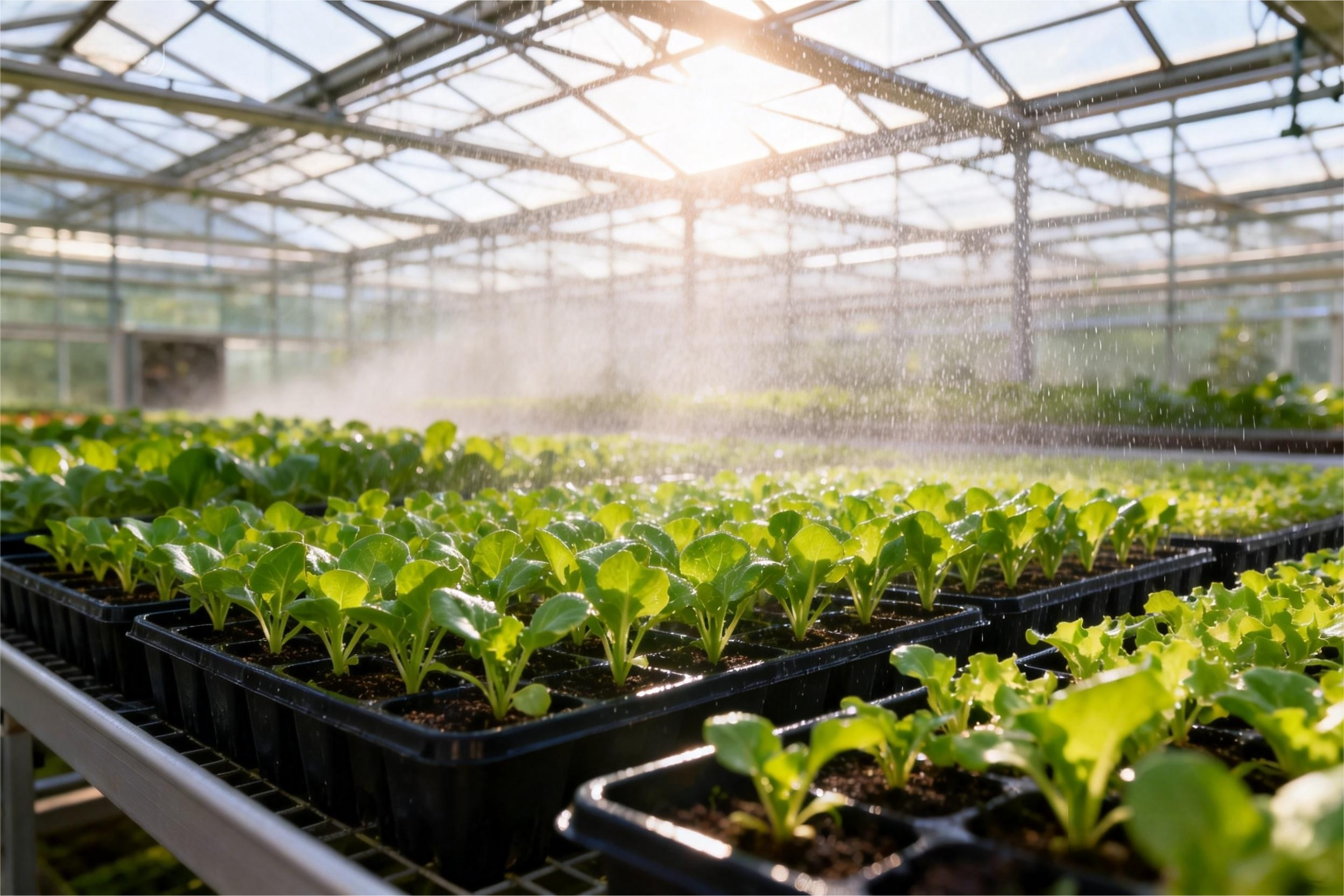
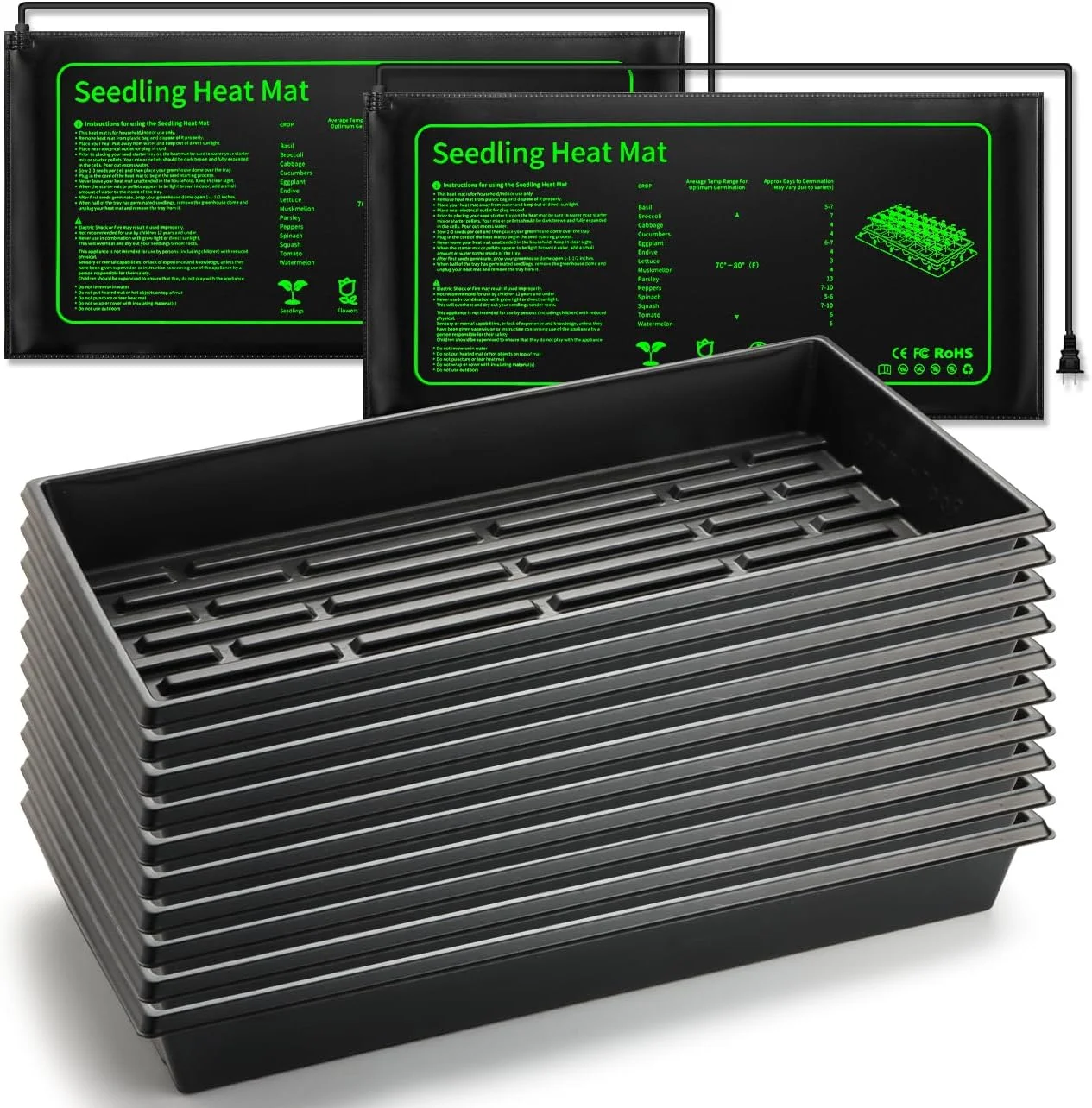
The agriculture nursery tray represents a fundamental innovation in modern plant cultivation, serving as an essential tool for commercial growers, nurseries, and agricultural operations worldwide. This specialized container system transforms how seedlings and young plants are propagated, offering unprecedented control over growing conditions while maximizing efficiency and productivity. Agriculture nursery trays are engineered plastic containers featuring multiple individual cells or compartments, each designed to house a single seedling throughout its initial growth phase. These trays come in various sizes, configurations, and materials, accommodating different plant species and cultivation requirements. The primary function of an agriculture nursery tray centers on providing optimal growing environments for seedlings while facilitating easy handling, transportation, and transplantation processes. Each cell within the tray maintains proper root development by preventing root binding and ensuring adequate spacing between plants. The standardized dimensions allow for seamless integration with automated seeding equipment, greenhouse benching systems, and transportation infrastructure. Technological features of modern agriculture nursery trays include advanced drainage systems that prevent waterlogging while maintaining optimal moisture levels. The materials used in construction typically involve high-quality plastics that resist UV degradation, chemical damage, and temperature fluctuations. Many trays incorporate specialized bottom designs with drainage holes, air pruning slots, and root guidance channels that promote healthy root development. The cell walls are often tapered to facilitate easy plant removal during transplanting operations. Applications for agriculture nursery trays span across vegetable production, ornamental plant cultivation, forestry seedling production, and research facilities. Commercial vegetable growers utilize these trays for starting tomatoes, peppers, lettuce, and countless other crops before field transplantation. Ornamental plant nurseries depend on these systems for producing flowering plants, shrubs, and decorative species. Forest nurseries employ specialized versions for tree seedling production, supporting reforestation and landscape projects globally.

Popular Products

The agriculture nursery tray delivers substantial benefits that revolutionize plant production efficiency and success rates for growers of all scales. Space optimization represents one of the most significant advantages, as these trays maximize growing area utilization through systematic organization and vertical stacking capabilities. Growers can produce significantly more plants per square foot compared to traditional growing methods, directly translating to increased profitability and reduced operational costs. The standardized format of agriculture nursery trays enables precise planning and inventory management, allowing operators to calculate exact plant quantities and spacing requirements with mathematical precision. Labor efficiency improvements constitute another major benefit, as these trays streamline numerous cultivation processes from seeding through transplantation. Workers can handle multiple plants simultaneously, reducing the time and effort required for watering, fertilizing, and monitoring operations. The uniform cell size ensures consistent plant development, eliminating the guesswork associated with irregular growing containers and enabling predictable harvest timing. Transportation advantages become apparent when moving plants between locations, as agriculture nursery trays stack securely and integrate seamlessly with standard shipping pallets and greenhouse carts. This compatibility reduces handling damage and transportation costs while maintaining plant health during transit. Root development benefits emerge from the controlled environment each cell provides, preventing root entanglement between adjacent plants and promoting robust root system formation. The agriculture nursery tray design facilitates air pruning, a process where roots naturally stop growing when exposed to air at drainage holes, resulting in denser, more fibrous root systems that transplant successfully with minimal shock. Water and nutrient management becomes more efficient and economical, as the contained environment allows for precise application rates and reduces waste through controlled drainage systems. Disease prevention capabilities are enhanced because individual cells limit pathogen spread between plants, and the elevated design promotes air circulation that reduces humidity-related problems. Environmental sustainability benefits include reduced water consumption, minimized chemical inputs, and the reusable nature of quality agriculture nursery trays, which can serve multiple growing cycles before replacement becomes necessary.

Latest News

Hydroponic Vertical Farming_ Empowering Legal Cultivation Markets Globally

09

Feb

Hydroponic Vertical Farming_ Empowering Legal Cultivation Markets Globally

View More
Planting Containers: Unlocking New Possibilities for Smart Agriculture, Creating Efficient and Movable Planting Spaces

11

Mar

Planting Containers: Unlocking New Possibilities for Smart Agriculture, Creating Efficient and Movable Planting Spaces

View More
Vertical Farming Machines, Greenhouse Cultivation & Hydroponics: Reshaping the Future of Agriculture

09

Feb

Vertical Farming Machines, Greenhouse Cultivation & Hydroponics: Reshaping the Future of Agriculture

View More

Get a Free Quote

Our representative will contact you soon.
Email
Name
Company Name
Message
0/1000

agriculture nursery tray

Advanced Cell Design Technology for Optimal Root Development

Advanced Cell Design Technology for Optimal Root Development

The sophisticated cell architecture of modern agriculture nursery trays represents a breakthrough in horticultural engineering, specifically designed to promote superior root system development that directly impacts plant health and transplant success rates. Each individual cell within an agriculture nursery tray features carefully calculated dimensions and specialized structural elements that guide root growth in beneficial patterns. The tapered cell walls serve multiple purposes, facilitating easy plant removal during transplanting while encouraging roots to grow downward rather than circling around the container walls, a common problem known as root binding that can severely compromise plant health. The bottom drainage system incorporates strategically placed holes that serve dual functions of preventing waterlogging while enabling air pruning, a natural process where root tips cease elongation when exposed to air, triggering the development of secondary roots that create denser, more fibrous root systems. This enhanced root architecture translates to stronger, more resilient plants that establish quickly after transplantation with minimal shock or stress. The vertical ribs or channels molded into many agriculture nursery tray designs further guide root development, preventing spiraling growth patterns that can persist even after transplantation and potentially girdle the mature plant. Material selection plays a crucial role in this advanced design, with high-quality plastics chosen for their durability, chemical resistance, and thermal properties that maintain stable growing conditions. The cell depth varies according to intended crop types, with deeper cells accommodating plants requiring extensive root development while shallow cells suit crops destined for quick transplantation. These engineering innovations result in agriculture nursery trays that consistently produce plants with superior root systems, leading to higher transplant survival rates, faster establishment times, and ultimately improved crop yields that justify the investment in quality growing containers.
Enhanced Labor Efficiency and Workflow Optimization

Enhanced Labor Efficiency and Workflow Optimization

The agriculture nursery tray system revolutionizes greenhouse and nursery operations by dramatically improving labor efficiency through streamlined workflows and ergonomic design principles that reduce physical strain while increasing productivity. Traditional plant production methods often require workers to handle individual pots or containers, leading to repetitive motions, frequent bending, and inefficient use of time and energy. Agriculture nursery trays eliminate these challenges by enabling batch processing of multiple plants simultaneously, allowing workers to complete seeding, watering, fertilizing, and monitoring tasks across dozens of plants in single operations. The standardized dimensions and modular design of these trays integrate seamlessly with greenhouse equipment, including automated seeding machines, conveyor systems, and specialized carts that further reduce manual handling requirements. Workers can efficiently transport entire trays using wheeled carts or overhead rail systems, moving hundreds of plants with minimal physical effort while maintaining precise organization and inventory control. The elevated growing position provided by standard benching systems compatible with agriculture nursery trays reduces the need for workers to bend repeatedly, significantly decreasing back strain and fatigue associated with ground-level cultivation. Watering operations become substantially more efficient as the uniform cell arrangement allows for consistent coverage using overhead sprinklers, drip irrigation systems, or flood benches, ensuring each plant receives appropriate moisture levels without the time-intensive individual attention required by traditional methods. Quality control and plant monitoring processes benefit from the organized layout, enabling workers to quickly identify and address issues such as pest problems, nutrient deficiencies, or disease symptoms before they spread throughout the crop. The agriculture nursery tray system also facilitates accurate record-keeping and inventory management, as workers can easily count plants, track germination rates, and monitor development progress using the standardized grid format that eliminates guesswork and human counting errors.
Superior Environmental Control and Resource Management

Superior Environmental Control and Resource Management

The agriculture nursery tray system provides unprecedented environmental control capabilities that optimize growing conditions while maximizing resource efficiency, delivering substantial economic and ecological benefits for commercial operations. The contained cell environment created by each agriculture nursery tray compartment allows for precise management of moisture, nutrition, and air circulation at the individual plant level, eliminating the waste and inconsistency associated with open-field or traditional container growing methods. Water management becomes highly efficient through the controlled drainage systems built into quality agriculture nursery trays, which prevent both waterlogging and excessive drying by maintaining optimal moisture levels in the growing medium. This precision reduces water consumption by up to forty percent compared to conventional methods while ensuring consistent hydration across all plants in the production system. Nutrient application efficiency improves dramatically as the contained environment prevents fertilizer runoff and enables targeted feeding programs that deliver exact nutrient concentrations to each plant, reducing chemical costs while maximizing plant health and growth rates. The elevated design of agriculture nursery tray systems promotes superior air circulation around individual plants, reducing humidity levels that contribute to fungal diseases and pest problems, thereby decreasing the need for chemical interventions and creating healthier growing environments. Temperature regulation benefits from the thermal mass provided by the tray material and growing medium, which buffers against rapid temperature fluctuations that can stress young plants and compromise development. The modular nature of agriculture nursery trays enables growers to implement zone-specific environmental controls, adjusting conditions for different crop varieties or growth stages within the same facility. Disease management becomes more effective as the individual cell isolation prevents pathogen spread between plants, while the standardized format facilitates systematic sanitation procedures between growing cycles. These environmental control advantages translate to higher germination rates, faster plant development, reduced crop losses, and improved overall quality that commands premium prices in competitive markets, making agriculture nursery trays essential investments for serious horticultural operations.

Get a Free Quote

Our representative will contact you soon.
Email
Name
Company Name
Message
0/1000