Advanced Vertical Farming Racks - Maximize Crop Yields with Space-Efficient Growing Systems

Get a Free Quote

Our representative will contact you soon.
Email
Name
Company Name
Message
0/1000

vertical farming racks

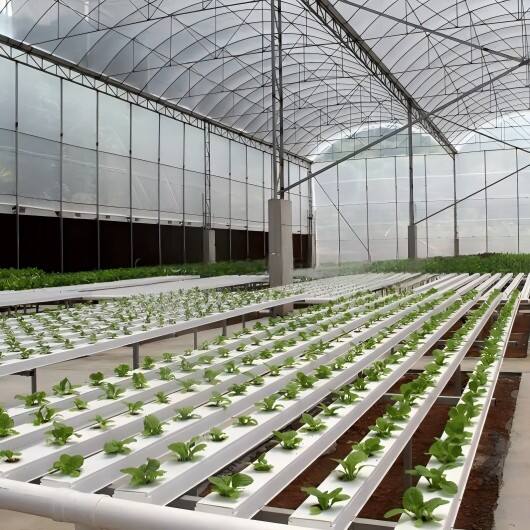
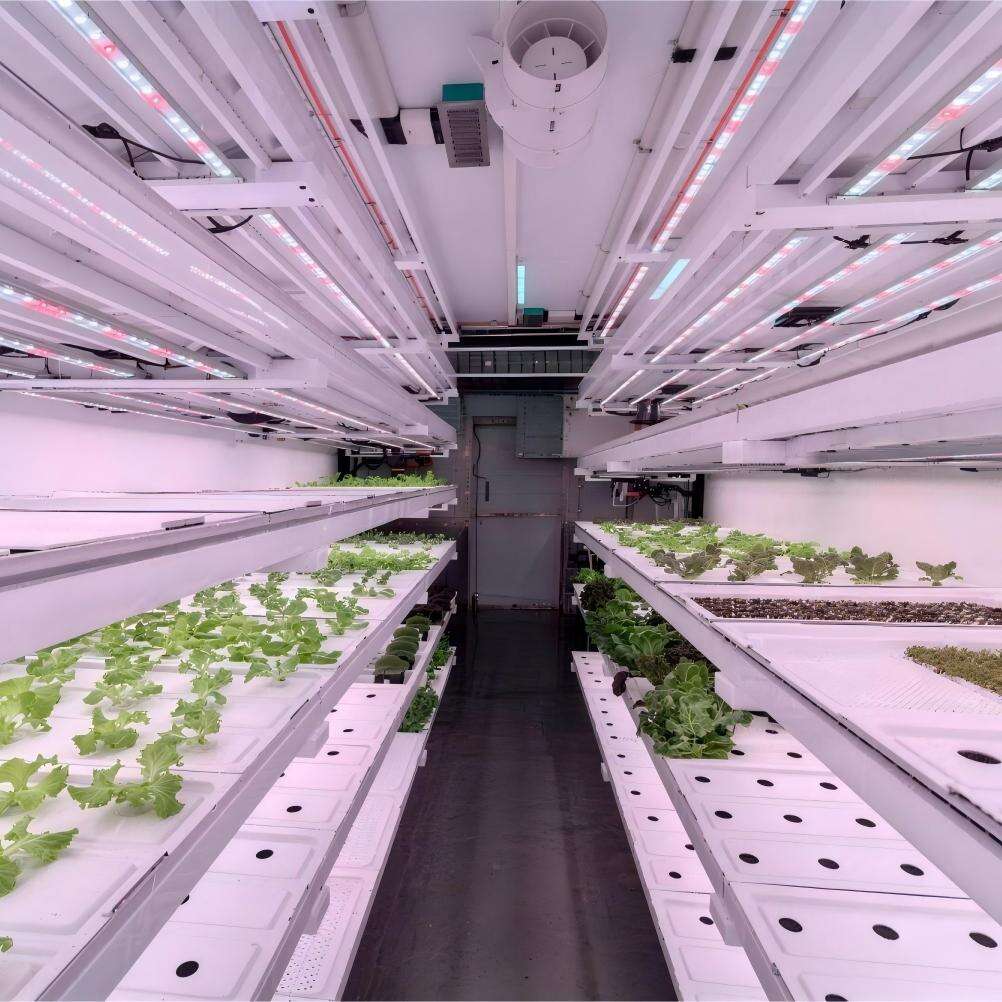
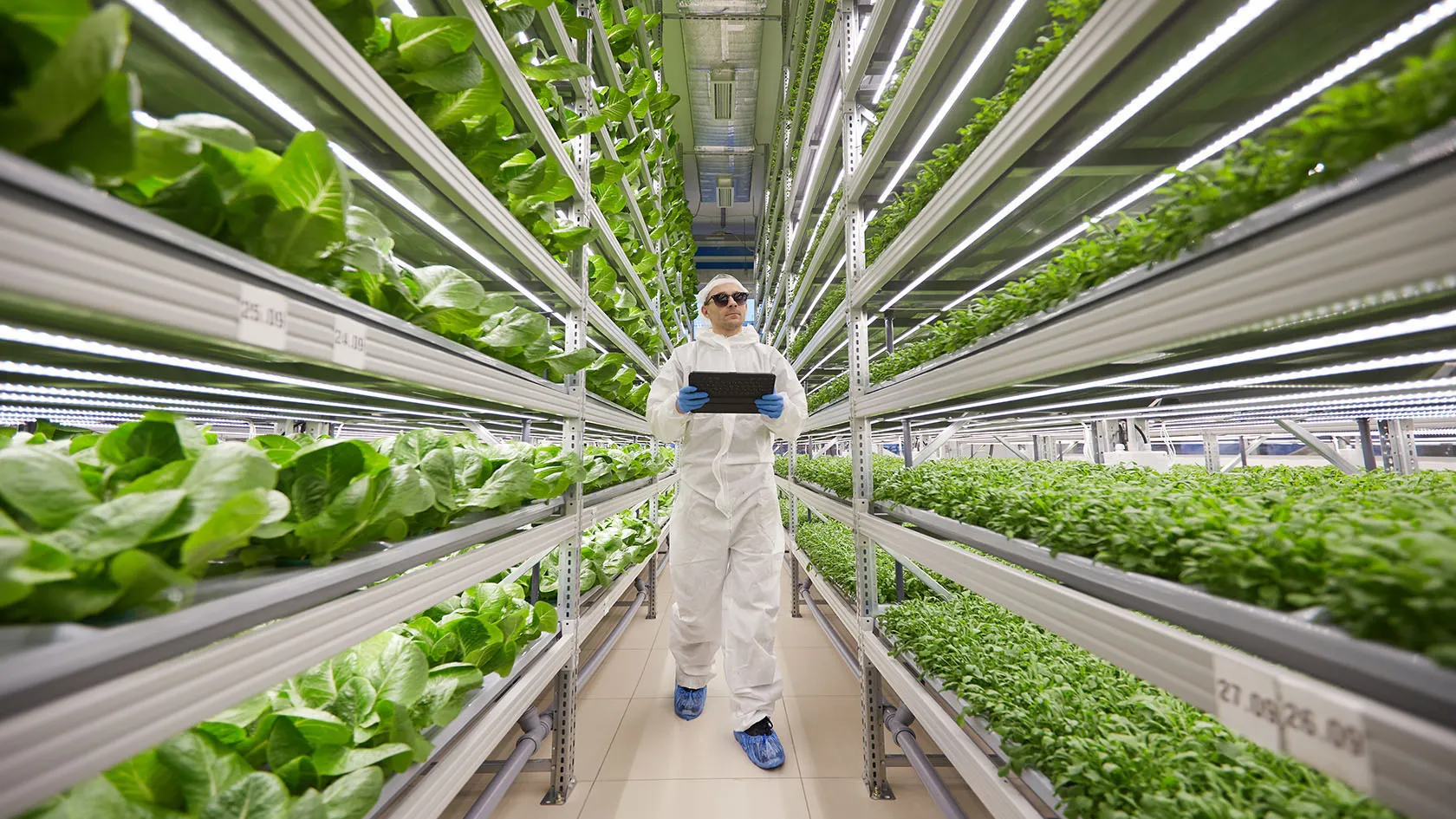
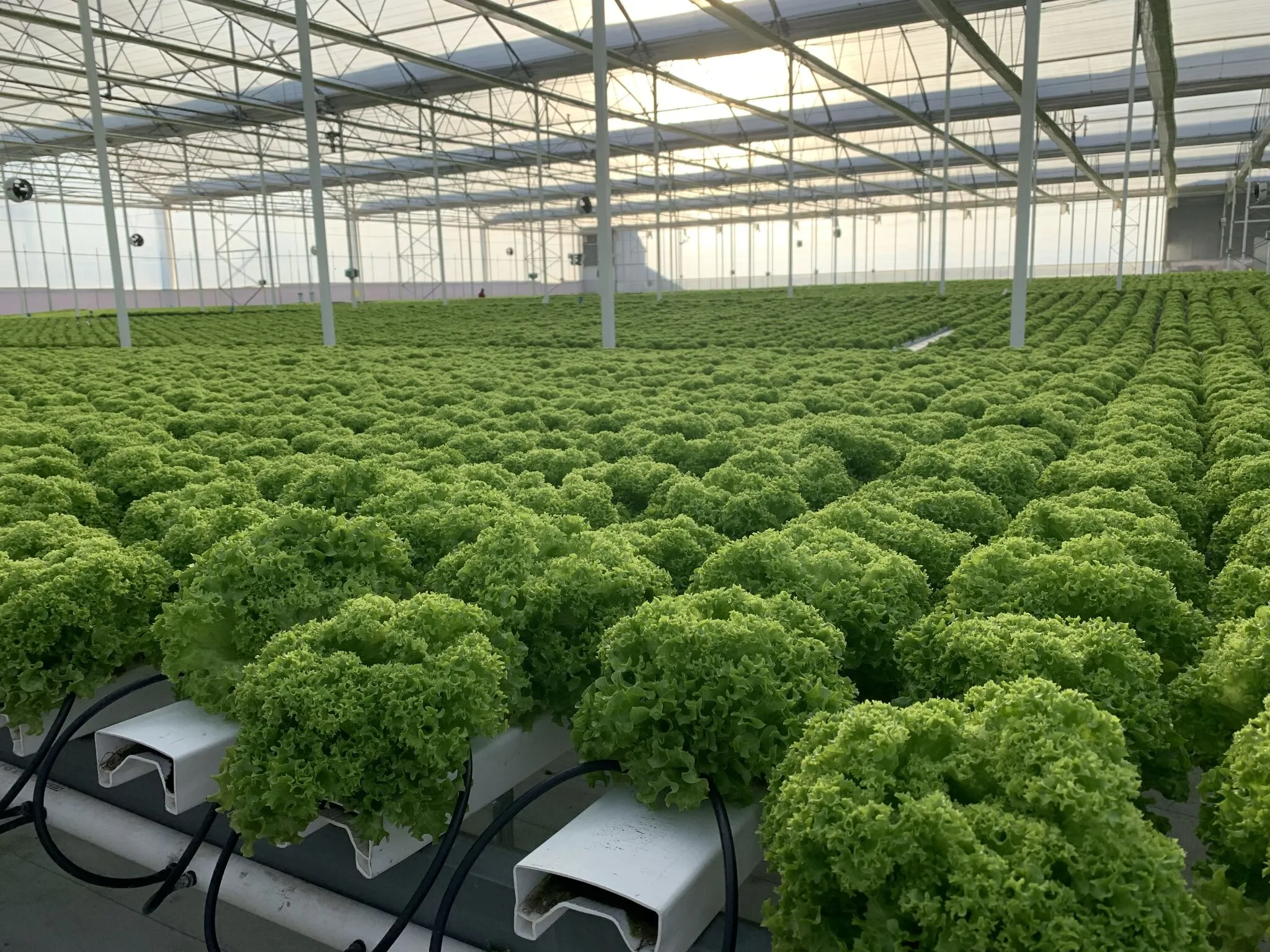
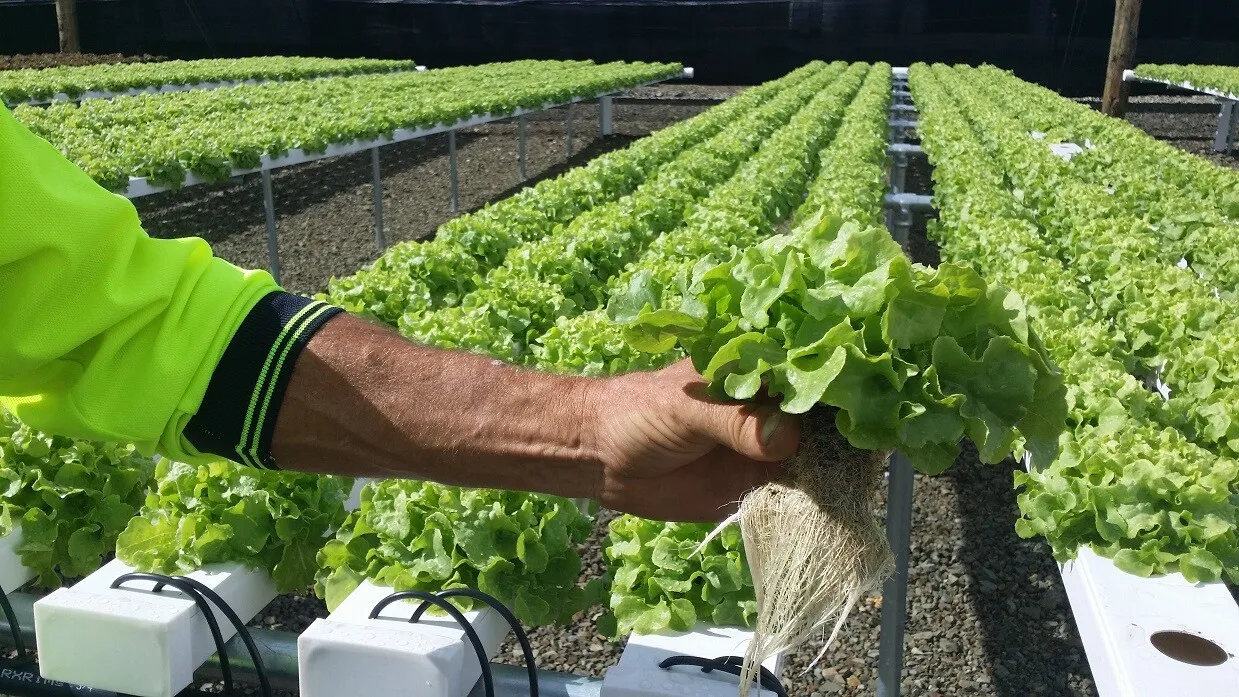
Vertical farming racks represent a revolutionary approach to modern agriculture, designed to maximize crop production within minimal floor space through innovative multi-tier growing systems. These sophisticated structures enable farmers to cultivate plants in vertically stacked layers, creating an efficient three-dimensional growing environment that dramatically increases yield per square foot compared to traditional horizontal farming methods. The core functionality of vertical farming racks centers around their ability to house multiple growing levels within a single footprint, typically ranging from three to twenty tiers depending on ceiling height and specific crop requirements. Each level incorporates integrated LED lighting systems, precisely calibrated to deliver optimal photosynthetic active radiation for plant growth throughout all stages of development. The technological features of these systems include advanced climate control mechanisms, automated irrigation networks, and sophisticated monitoring sensors that continuously track environmental parameters such as temperature, humidity, CO2 levels, and nutrient concentrations. Modern vertical farming racks utilize hydroponic or aeroponic growing methods, eliminating the need for soil while providing plants with perfectly balanced nutrient solutions delivered directly to root systems. The structural design typically employs lightweight yet durable materials such as aluminum alloys or steel frameworks, ensuring long-term stability while maintaining ease of assembly and reconfiguration. Applications for vertical farming racks span numerous industries and settings, from commercial produce operations and research facilities to urban agriculture projects and controlled environment agriculture ventures. These systems prove particularly valuable in areas with limited arable land, harsh climatic conditions, or contaminated soil, enabling year-round production regardless of external weather patterns. Educational institutions utilize vertical farming racks for agricultural research and student training programs, while restaurants and grocery stores implement smaller-scale units for fresh herb and microgreen production. The modular nature of vertical farming racks allows for scalable implementation, accommodating everything from small residential units to large commercial operations spanning thousands of square feet.

New Product Releases

Vertical farming racks deliver exceptional space efficiency, allowing growers to produce up to 390 times more crops per square foot compared to traditional field agriculture. This remarkable productivity increase stems from the multi-level growing approach, where each tier functions as an independent growing zone, effectively multiplying the available cultivation area without expanding the physical footprint. Farmers can establish profitable operations in urban warehouses, abandoned buildings, or small parcels of land that would otherwise be unsuitable for conventional farming. The controlled environment provided by vertical farming racks ensures consistent crop quality and predictable harvests throughout the year. Unlike outdoor farming, which remains subject to weather fluctuations, seasonal limitations, and pest invasions, these systems maintain optimal growing conditions 24/7. This reliability enables farmers to plan production schedules with confidence and meet consistent supply commitments to retailers and distributors. Water conservation represents another significant advantage, with vertical farming racks using up to 95% less water than traditional agriculture through recirculating hydroponic systems that capture and reuse nutrient solutions. The closed-loop irrigation design prevents water waste while ensuring plants receive precisely measured nutrient delivery for optimal growth rates. Energy efficiency continues to improve as LED technology advances, with modern lighting systems consuming significantly less electricity while delivering superior light spectrums for photosynthesis. These systems eliminate the need for pesticides, herbicides, and fungicides, producing completely organic crops free from chemical contamination. The absence of soil-borne diseases and pest issues creates healthier growing conditions while reducing operational costs associated with chemical treatments. Labor efficiency increases substantially with vertical farming racks, as workers can access all growing levels ergonomically without bending or kneeling, reducing physical strain and increasing productivity. Harvest operations become streamlined when plants grow at comfortable working heights, enabling faster picking and processing times. The year-round growing capability eliminates seasonal employment fluctuations, providing stable job opportunities for agricultural workers. Transportation costs decrease dramatically when vertical farms operate near urban consumption centers, reducing the distance fresh produce travels from farm to table. This proximity ensures superior freshness, longer shelf life, and reduced carbon footprints associated with long-distance shipping. Local production also provides greater food security for communities, reducing dependence on imported produce that may face supply chain disruptions or quality degradation during transport.

Latest News

Hydroponic Vertical Farming_ Empowering Legal Cultivation Markets Globally

09

Feb

Hydroponic Vertical Farming_ Empowering Legal Cultivation Markets Globally

View More
Planting Containers: Unlocking New Possibilities for Smart Agriculture, Creating Efficient and Movable Planting Spaces

11

Mar

Planting Containers: Unlocking New Possibilities for Smart Agriculture, Creating Efficient and Movable Planting Spaces

View More
Vertical Farming Machines, Greenhouse Cultivation & Hydroponics: Reshaping the Future of Agriculture

09

Feb

Vertical Farming Machines, Greenhouse Cultivation & Hydroponics: Reshaping the Future of Agriculture

View More

Get a Free Quote

Our representative will contact you soon.
Email
Name
Company Name
Message
0/1000

vertical farming racks

Maximum Space Utilization and Scalable Design

Maximum Space Utilization and Scalable Design

The exceptional space utilization capabilities of vertical farming racks transform how growers approach agricultural production, enabling unprecedented crop yields within confined areas through ingenious multi-tier architecture. Each vertical farming rack system maximizes every cubic foot of available space by stacking growing platforms in precise vertical arrangements, creating multiple growing zones that operate independently while sharing common infrastructure elements. This three-dimensional approach to agriculture allows a single 1,000 square foot facility to achieve the same production output as 10 to 15 acres of traditional farmland, making vertical farming racks an ideal solution for urban agriculture ventures, indoor growing operations, and facilities with space constraints. The scalable design philosophy ensures that vertical farming racks adapt seamlessly to various facility sizes and production goals, from compact residential units measuring just a few feet wide to massive commercial installations spanning entire warehouses. Modular construction allows farmers to start with basic configurations and expand systematically as their operations grow, adding additional tiers, extending rack lengths, or incorporating specialized growing modules for different crop varieties. This flexibility proves invaluable for businesses seeking to test market demand before committing to large-scale investments, as they can begin with smaller vertical farming rack installations and scale up based on actual performance data and market response. The intelligent use of vertical space also extends to auxiliary systems, with water reservoirs, nutrient mixing tanks, and control equipment integrated efficiently within the overall footprint. Advanced vertical farming racks incorporate adjustable shelf spacing, allowing growers to optimize tier heights for specific crops, from low-profile microgreens requiring minimal clearance to taller plants like tomatoes or cucumbers needing substantial vertical room. This adaptability ensures maximum space utilization regardless of crop selection, while tool-free adjustment mechanisms enable quick reconfiguration as growing plans evolve. The compact design of vertical farming racks makes them particularly valuable in expensive urban real estate markets, where traditional farming would be economically unfeasible, opening new opportunities for local food production and reducing the environmental impact associated with long-distance transportation of fresh produce.
Advanced Climate Control and Environmental Monitoring

Advanced Climate Control and Environmental Monitoring

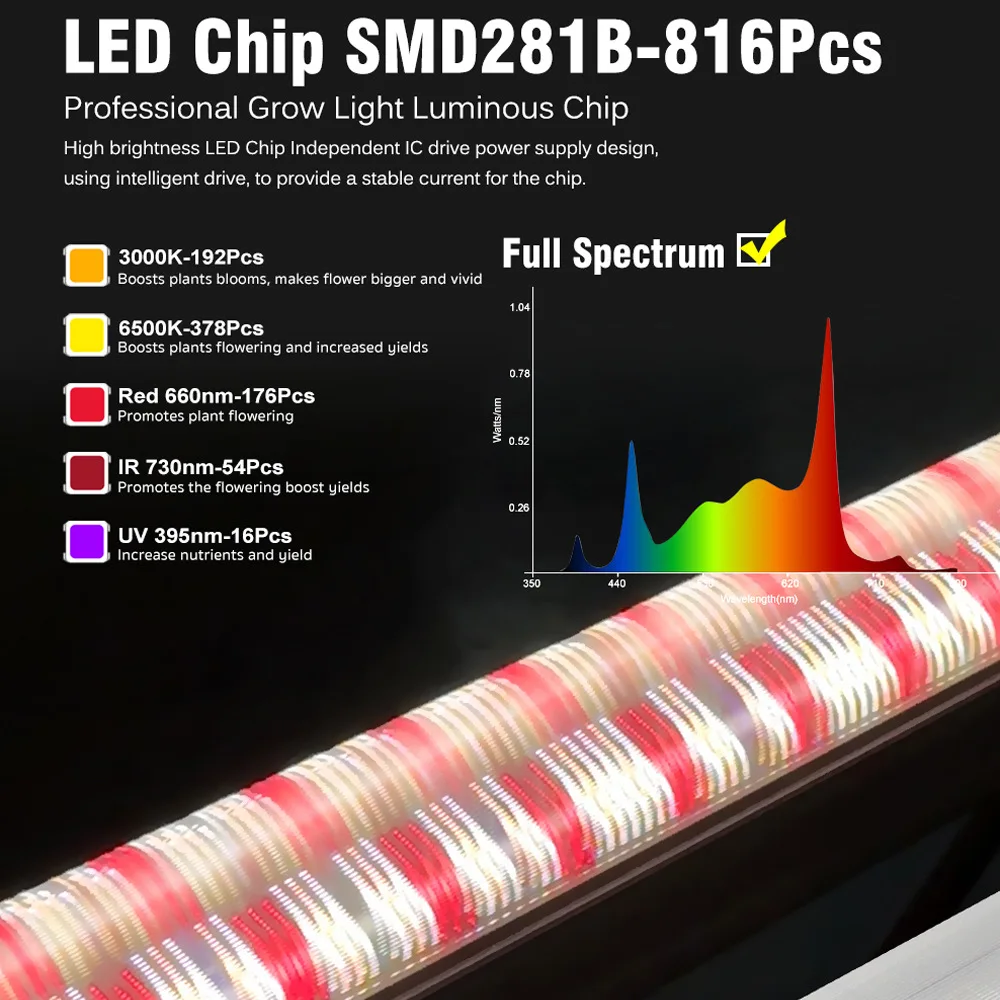
The sophisticated environmental control systems integrated into modern vertical farming racks create perfect growing conditions that surpass what nature can provide, ensuring optimal plant development through precise management of temperature, humidity, lighting, and atmospheric composition. These advanced climate control capabilities represent a quantum leap beyond traditional greenhouse technology, offering farmers unprecedented control over every environmental variable that influences plant growth and development. Each tier within vertical farming racks maintains its own microclimate, allowing simultaneous cultivation of different crop varieties with unique environmental requirements within the same facility. Temperature regulation systems utilize efficient heating and cooling elements strategically positioned throughout the growing zones, maintaining optimal temperatures within one-degree accuracy regardless of external weather conditions. Humidity control mechanisms prevent both excessive moisture that can lead to fungal issues and insufficient humidity that may stress plants, creating ideal transpiration conditions that promote robust growth while preventing disease problems. The integrated LED lighting systems in vertical farming racks go far beyond simple illumination, incorporating full-spectrum light recipes that can be adjusted throughout the growing cycle to optimize photosynthesis, influence plant morphology, and even enhance nutritional content in harvested crops. Advanced lighting controllers enable farmers to program custom photoperiods, light intensities, and spectral compositions for each growing tier independently, accommodating the specific needs of different plant varieties and growth stages. Real-time environmental monitoring sensors continuously track dozens of parameters including air temperature, root zone temperature, relative humidity, CO2 concentrations, light intensity, and nutrient solution pH and electrical conductivity. This comprehensive data collection enables automatic adjustments to maintain perfect growing conditions while providing farmers with detailed insights into how environmental factors influence crop performance. The sophisticated monitoring systems can detect potential problems before they become visible, triggering alerts and automatic corrections that prevent crop losses and maintain consistent quality. Integration with mobile applications and remote monitoring platforms allows farmers to oversee their vertical farming racks from anywhere, receiving instant notifications about system status and environmental conditions, ensuring rapid response to any issues that may arise during critical growing periods.
Sustainable Resource Management and Year-Round Production

Sustainable Resource Management and Year-Round Production

Vertical farming racks revolutionize agricultural sustainability through innovative resource management systems that dramatically reduce water consumption, eliminate chemical inputs, and enable continuous year-round production cycles that guarantee consistent harvests regardless of seasonal limitations or climate challenges. The closed-loop hydroponic and aeroponic systems integrated into these vertical farming racks achieve remarkable water efficiency by recycling nutrient solutions continuously, capturing and filtering all water used in the growing process to prevent waste while maintaining optimal nutrient concentrations. This revolutionary approach reduces water consumption by up to 95% compared to traditional field agriculture, making vertical farming racks an essential technology for regions facing water scarcity or seeking to minimize their environmental footprint. The precise delivery of nutrients directly to plant root systems eliminates runoff and groundwater contamination issues associated with conventional farming, while automated monitoring ensures plants receive exactly the right nutrient concentrations at all times. The controlled environment within vertical farming racks eliminates the need for pesticides, herbicides, fungicides, and other chemical treatments, producing completely clean crops free from harmful residues while protecting workers and consumers from chemical exposure. This pesticide-free approach not only creates healthier food but also eliminates the environmental damage caused by agricultural chemicals, including soil contamination, water pollution, and harm to beneficial insects and wildlife. Year-round production capabilities transform the economics of farming by enabling continuous harvests that generate steady revenue streams throughout all seasons, eliminating the boom-and-bust cycles associated with seasonal agriculture. Farmers using vertical farming racks can plan multiple growing cycles per year, often achieving 6 to 12 harvests annually compared to the single yearly harvest typical of outdoor farming for many crops. This production consistency allows for better business planning, improved cash flow management, and more reliable supply agreements with retailers and distributors. The climate-controlled environment protects crops from weather-related disasters such as droughts, floods, hail storms, and temperature extremes that can devastate traditional farms, providing food security and stable production even during adverse conditions. Energy-efficient LED lighting and smart climate control systems minimize electricity consumption while maximizing growing efficiency, with many vertical farming rack installations incorporating renewable energy sources such as solar panels to achieve carbon-neutral operations that contribute to environmental sustainability goals.

Get a Free Quote

Our representative will contact you soon.
Email
Name
Company Name
Message
0/1000