Advanced Vertical Farming Solutions: Maximize Crop Yields with Precision Agriculture Technology

Get a Free Quote

Our representative will contact you soon.
Email
Name
Company Name
Message
0/1000

vertical farming solutions

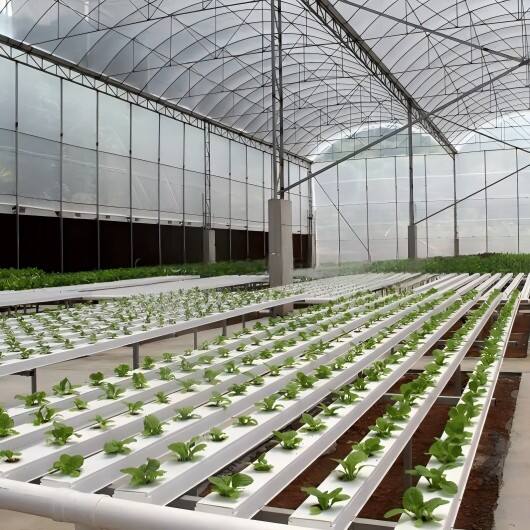
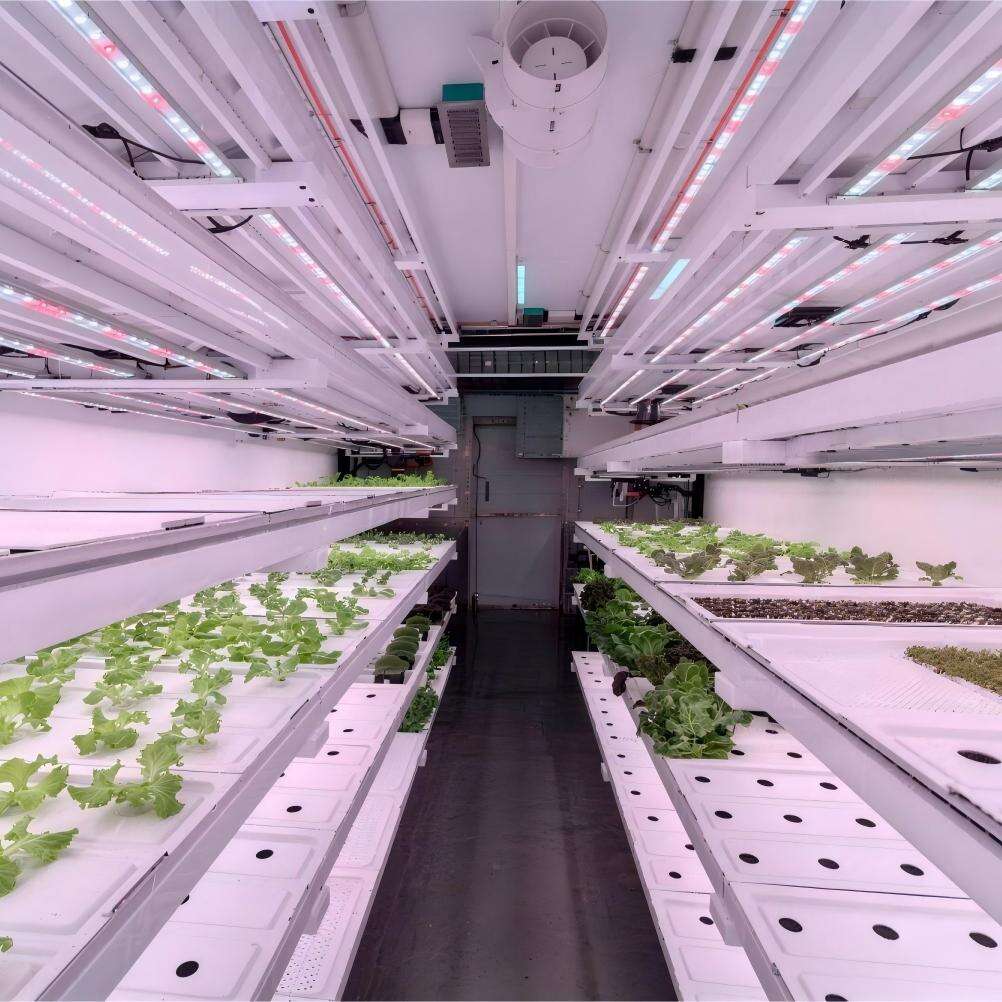
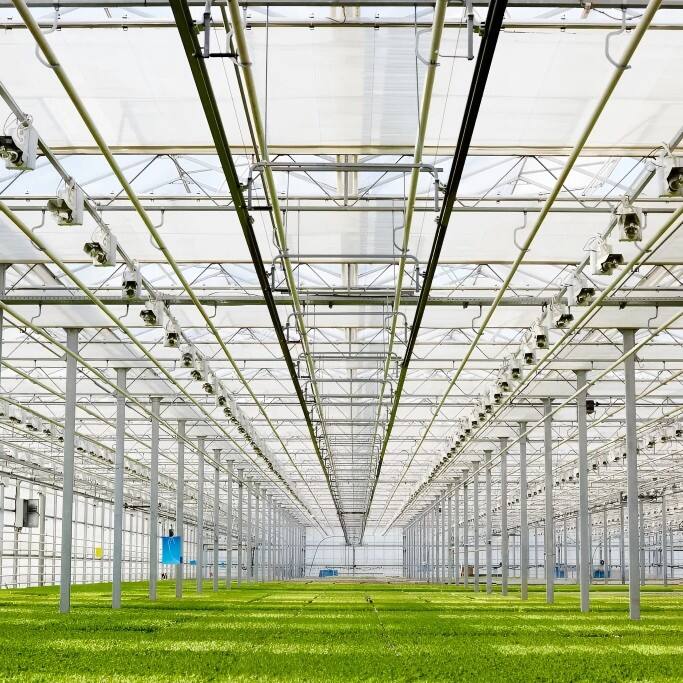
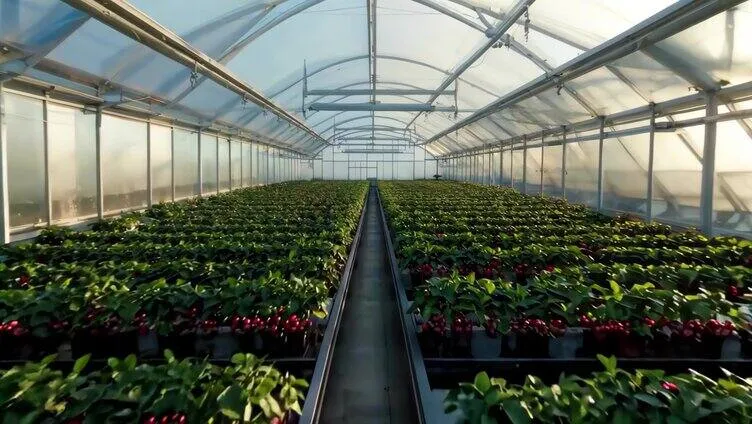
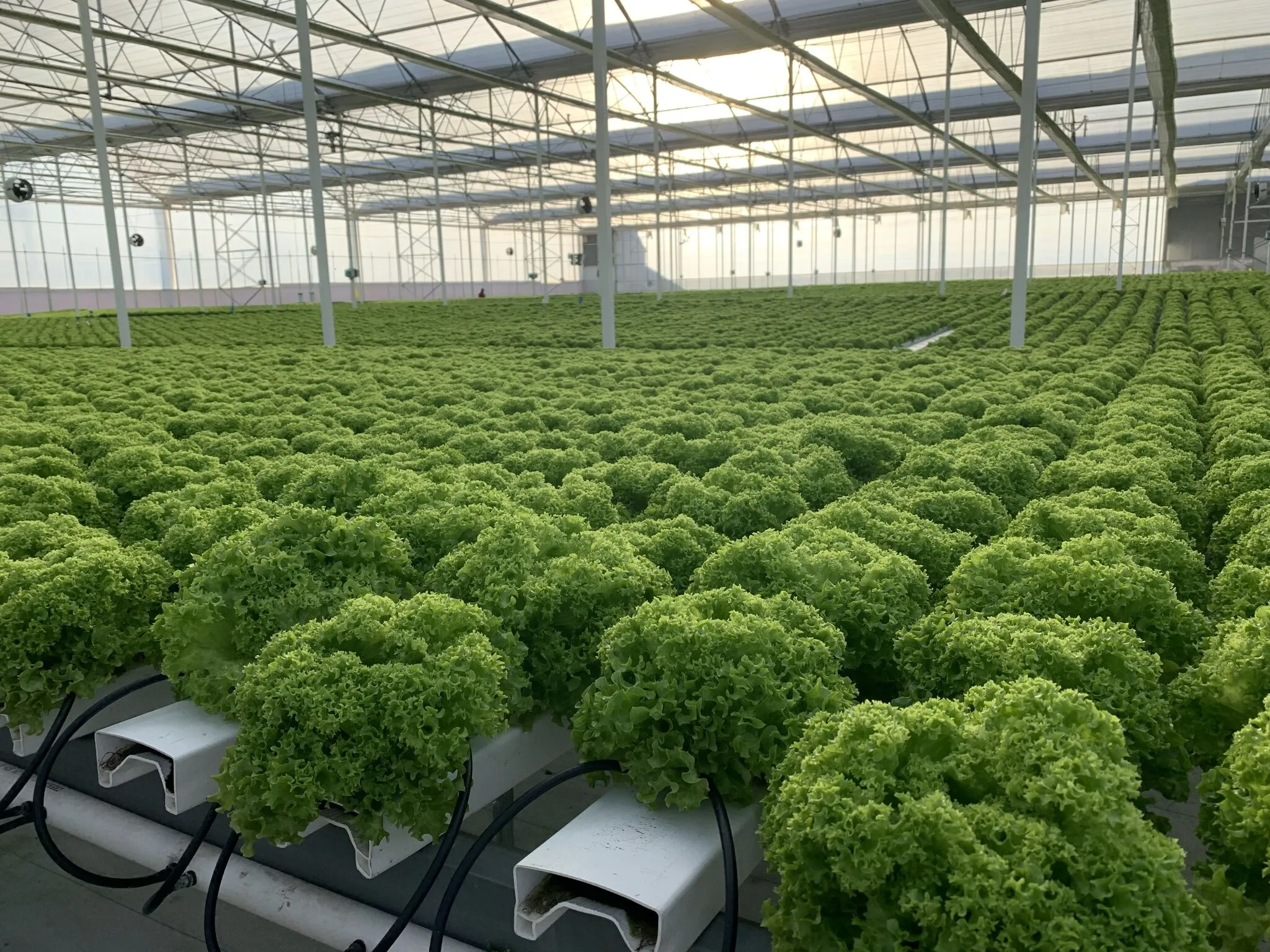
Vertical farming solutions represent a revolutionary approach to agriculture that transforms how we grow crops by utilizing vertically stacked layers in controlled indoor environments. These innovative systems fundamentally reshape traditional farming methods by maximizing crop production within minimal floor space while maintaining optimal growing conditions year-round. The core functionality of vertical farming solutions centers around creating multi-tiered growing systems that can be established in warehouses, shipping containers, or purpose-built facilities. These systems incorporate advanced hydroponic, aeroponic, or aquaponic growing methods that deliver nutrients directly to plant roots without soil dependency. The technological infrastructure includes sophisticated LED lighting arrays that provide precise spectrum control, automated irrigation networks for consistent water delivery, and climate management systems that regulate temperature, humidity, and air circulation. Environmental monitoring sensors continuously track growing conditions and automatically adjust parameters to ensure optimal plant development. The automation capabilities extend to seed planting, harvesting, and crop rotation scheduling through robotic systems and artificial intelligence algorithms. Applications for vertical farming solutions span commercial food production, research institutions, educational facilities, and urban agriculture initiatives. These systems excel in producing leafy greens, herbs, strawberries, tomatoes, and various specialty crops with consistent quality and yield. Urban food deserts benefit significantly from local vertical farming installations that provide fresh produce to communities previously lacking access to nutritious vegetables. Research organizations utilize these controlled environments to study plant genetics, nutrition optimization, and sustainable growing techniques. The scalability of vertical farming solutions allows implementation in diverse settings, from small-scale community projects to large commercial operations capable of supplying regional food networks with reliable, pesticide-free produce throughout all seasons.
Popular Products

Vertical farming solutions deliver remarkable space efficiency that transforms agricultural productivity by producing significantly more food per square foot compared to traditional farming methods. These systems can generate up to 390 times more crops annually within the same footprint as conventional agriculture, making them ideal for urban areas where land availability is severely limited. The controlled environment eliminates weather-related crop failures and seasonal limitations, enabling consistent year-round production that ensures stable food supply and predictable harvest schedules. This reliability translates directly into improved revenue streams for commercial growers and enhanced food security for communities. Water conservation represents another substantial advantage, as vertical farming solutions use up to 95 percent less water than traditional farming through precise nutrient delivery systems and recirculation technology that captures and reuses every drop. The elimination of pesticides and herbicides creates healthier produce while reducing environmental contamination and operational costs associated with chemical treatments. Location independence allows these systems to operate successfully in urban centers, reducing transportation costs and carbon emissions while delivering fresher produce to consumers within hours of harvest. Labor efficiency improves dramatically through automation features that handle routine tasks like watering, monitoring, and harvesting, reducing manual labor requirements and associated costs. The controlled environment prevents pest infestations naturally, eliminating crop losses from insects and diseases that plague outdoor agriculture. Energy efficiency continues improving through advanced LED technology that provides optimal light spectrums while minimizing power consumption. Quality control becomes more manageable with precise environmental monitoring that ensures consistent nutrient levels, temperature, and humidity for superior crop quality. These systems also offer protection from climate change impacts, including extreme weather events, droughts, and temperature fluctuations that increasingly threaten traditional agriculture. The faster growth cycles enabled by optimized conditions allow multiple harvests annually, maximizing productivity and return on investment for operators while meeting growing global food demands.

Tips And Tricks

Hydroponic Vertical Farming_ Empowering Legal Cultivation Markets Globally

09

Feb

Hydroponic Vertical Farming_ Empowering Legal Cultivation Markets Globally

View More
Planting Containers: Unlocking New Possibilities for Smart Agriculture, Creating Efficient and Movable Planting Spaces

11

Mar

Planting Containers: Unlocking New Possibilities for Smart Agriculture, Creating Efficient and Movable Planting Spaces

View More
Vertical Farming Machines, Greenhouse Cultivation & Hydroponics: Reshaping the Future of Agriculture

09

Feb

Vertical Farming Machines, Greenhouse Cultivation & Hydroponics: Reshaping the Future of Agriculture

View More

Get a Free Quote

Our representative will contact you soon.
Email
Name
Company Name
Message
0/1000

vertical farming solutions

Revolutionary Space Optimization Technology

Revolutionary Space Optimization Technology

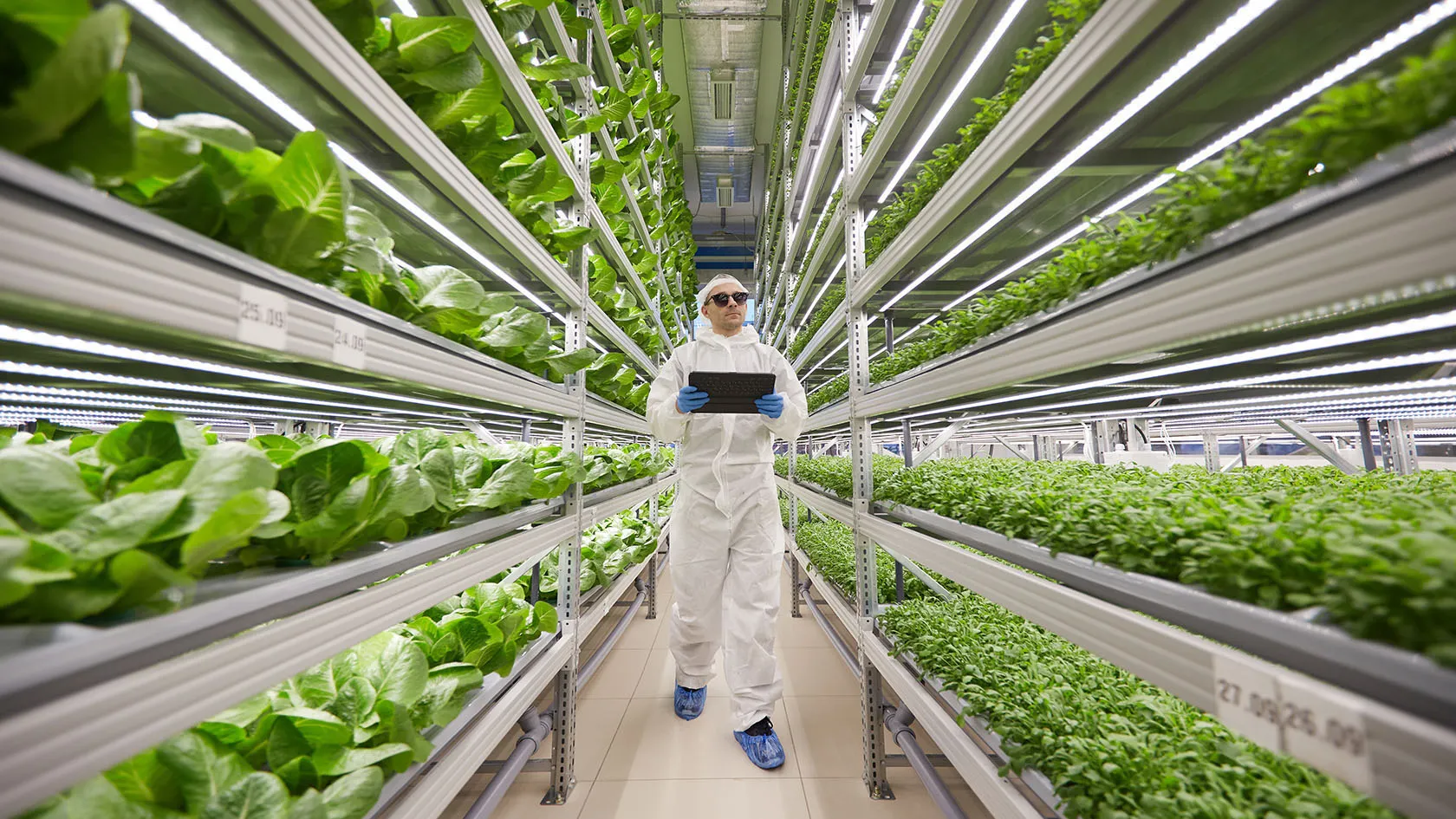
The space optimization capabilities of vertical farming solutions represent a groundbreaking advancement that addresses the critical challenge of feeding growing populations within limited land resources. These systems employ sophisticated multi-tier growing structures that stack crops vertically, creating production density previously impossible with traditional horizontal farming methods. The engineering behind these vertical configurations incorporates lightweight yet durable materials, precise spacing calculations, and efficient airflow management to ensure each growing level receives optimal conditions. Advanced structural designs accommodate multiple crop varieties simultaneously while maintaining easy access for maintenance and harvesting operations. The modular nature of these systems allows infinite scalability, enabling facilities to expand production capacity simply by adding additional growing towers or levels without requiring additional floor space. This revolutionary approach becomes particularly valuable in urban environments where real estate costs make traditional farming economically unfeasible. The space efficiency extends beyond mere stacking, incorporating intelligent design principles that maximize growing surfaces through angled positioning, rotating systems, and compact root zone configurations. These innovations enable a single warehouse facility to replace hundreds of acres of traditional farmland while producing equivalent or superior crop yields. The compact footprint also reduces infrastructure requirements for utilities, security, and transportation access, further enhancing economic viability. Environmental benefits multiply through reduced land conversion needs, preserving natural habitats and biodiversity while concentrating food production in smaller, controlled spaces. The technology proves especially transformative for regions with poor soil quality, extreme climates, or limited arable land, offering food security solutions previously unavailable. Urban food production becomes realistic through these space optimization innovations, reducing the distance between production and consumption while creating local employment opportunities and strengthening community resilience against supply chain disruptions.
Precision Environmental Control Systems

Precision Environmental Control Systems

The precision environmental control systems integrated within vertical farming solutions provide unprecedented control over growing conditions that ensures optimal plant development and maximum yield potential. These sophisticated systems monitor and adjust multiple environmental parameters simultaneously, including temperature, humidity, carbon dioxide levels, air circulation, light intensity, and nutrient concentrations with remarkable accuracy. Advanced sensor networks continuously collect real-time data from throughout the growing environment, feeding information to intelligent control systems that make instantaneous adjustments to maintain perfect growing conditions. The technology eliminates the variability and unpredictability associated with outdoor farming, where weather, soil conditions, and seasonal changes can dramatically impact crop success. Climate control extends beyond basic temperature regulation to include sophisticated humidity management that prevents disease development while maintaining optimal moisture levels for plant transpiration. Air circulation systems ensure consistent atmospheric conditions throughout all growing levels while preventing stagnant air pockets that could harbor pathogens or create uneven growing conditions. The precision extends to nutrient delivery systems that provide exactly the right balance of minerals and vitamins for each crop type and growth stage, optimizing plant health and nutritional content. Light management represents another critical component, with programmable LED arrays that deliver specific light spectrums, intensities, and photoperiods tailored to different crops and growth phases. This level of control enables year-round production cycles independent of external seasonal variations, allowing multiple harvests annually with consistent quality and yield. The environmental precision also eliminates the need for pesticides and herbicides by preventing pest establishment and disease development through optimal growing conditions. Energy efficiency improves through intelligent systems that adjust environmental parameters based on plant needs rather than maintaining constant conditions, reducing operational costs while maintaining superior growing environments. These control systems also provide valuable data collection capabilities that enable continuous optimization of growing protocols and research into improved cultivation techniques.
Automated Production Integration

Automated Production Integration

The automated production integration featured in vertical farming solutions transforms agricultural operations from labor-intensive manual processes into efficient, technology-driven systems that maximize productivity while minimizing human intervention requirements. These comprehensive automation systems encompass every aspect of the growing cycle, from seed planting and germination monitoring to harvesting and post-harvest processing, creating seamless production workflows that operate continuously with minimal supervision. Robotic planting systems precisely position seeds or seedlings in growing media with consistent spacing and depth, ensuring uniform germination and optimal growing conditions for each plant. Automated irrigation networks deliver precisely measured nutrient solutions to individual plants or growing zones based on real-time monitoring of plant needs and environmental conditions. The integration extends to harvesting operations through robotic systems equipped with computer vision technology that identifies ripe crops and harvests them at peak quality without damage or waste. Conveyor systems and automated sorting equipment further streamline post-harvest processing, packaging, and distribution preparation. The technology includes predictive maintenance capabilities that monitor equipment performance and schedule maintenance activities before failures occur, maintaining consistent production schedules and preventing costly downtime. Quality control automation employs imaging systems and sensors that continuously assess plant health, growth rates, and product quality, alerting operators to potential issues before they impact yields. Data integration capabilities connect all automated systems through centralized control platforms that provide comprehensive oversight and control of entire facilities from single interfaces. The automation reduces labor costs significantly while improving consistency and quality compared to manual operations that can vary based on human factors and availability. Scheduling optimization algorithms coordinate all automated processes to maximize efficiency and minimize resource consumption while maintaining optimal growing conditions. The technology also enables 24-hour operation capabilities that traditional farming cannot match, extending productive hours and accelerating crop cycles for increased annual yields and improved return on investment for facility operators.

Get a Free Quote

Our representative will contact you soon.
Email
Name
Company Name
Message
0/1000