vertical farm automation
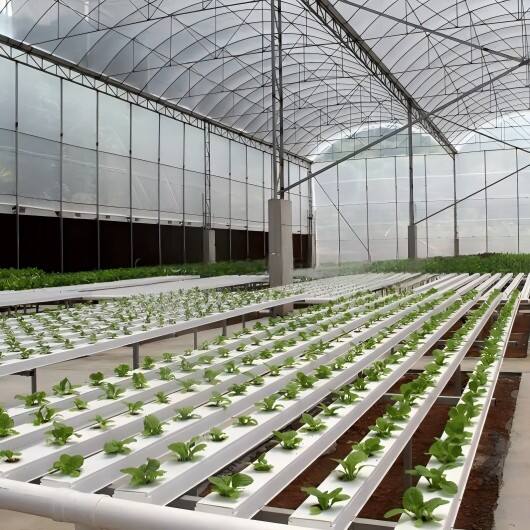
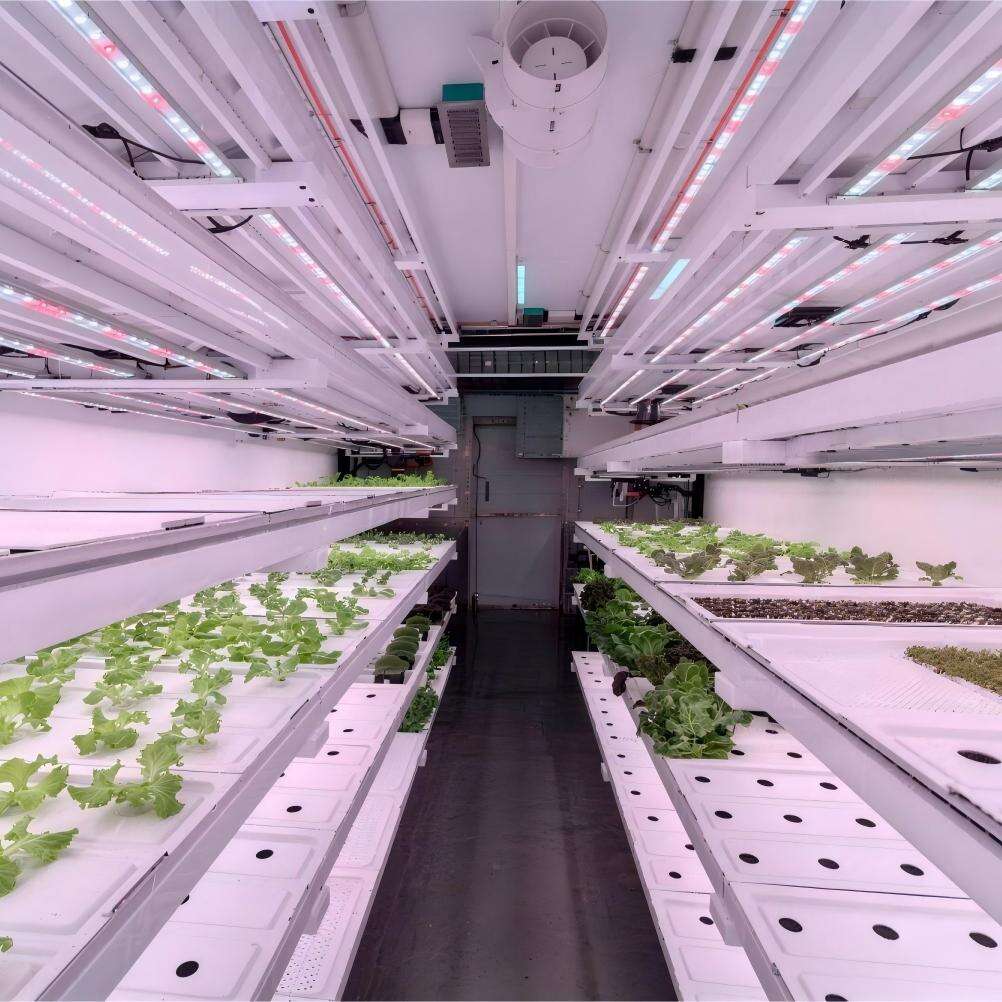
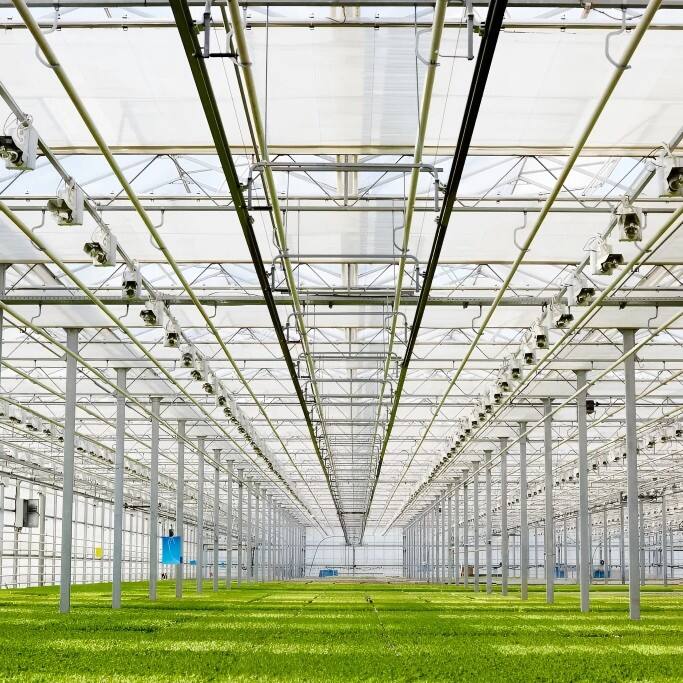
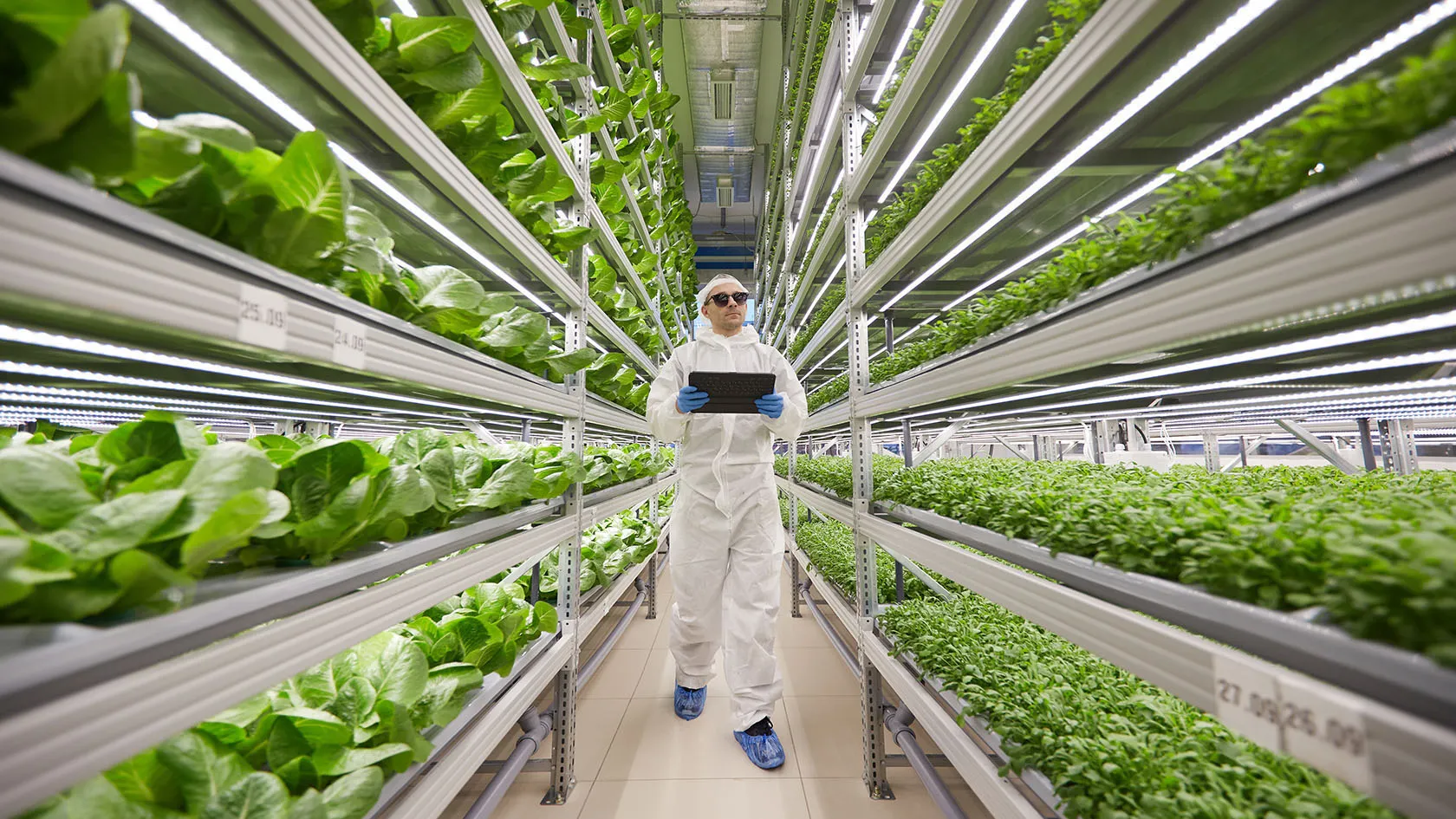
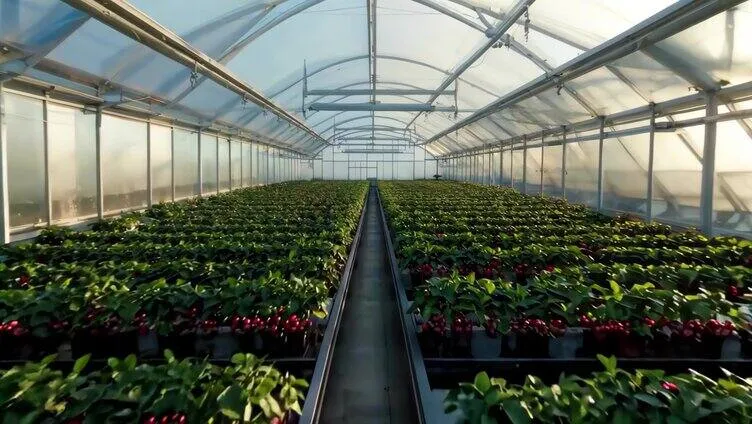
Vertical farm automation represents a revolutionary approach to modern agriculture, combining cutting-edge technology with sustainable farming practices to maximize crop production in minimal space. This innovative system utilizes automated machinery, sensors, and artificial intelligence to create optimal growing conditions for plants in vertically stacked layers. The main functions of vertical farm automation include climate control management, nutrient delivery systems, automated irrigation, lighting optimization, and harvesting processes. These systems continuously monitor environmental parameters such as temperature, humidity, air circulation, and CO2 levels to ensure perfect growing conditions year-round. The technological features of vertical farm automation encompass Internet of Things (IoT) sensors that collect real-time data, machine learning algorithms that analyze growth patterns, robotic systems for planting and harvesting, LED lighting arrays that provide specific light spectrums for different growth stages, and automated nutrient mixing systems that deliver precise fertilizer combinations. Advanced software platforms integrate all these components, allowing farmers to monitor and control operations remotely through mobile applications or desktop interfaces. The applications of vertical farm automation span across various sectors including commercial agriculture, urban farming initiatives, research facilities, and food production companies. These systems prove particularly valuable in regions with limited arable land, harsh climates, or water scarcity issues. Vertical farm automation enables year-round production of leafy greens, herbs, berries, and other crops regardless of external weather conditions. The technology supports sustainable agriculture by reducing water usage by up to 95% compared to traditional farming methods, eliminating pesticide requirements, and minimizing transportation costs by enabling local food production in urban environments.
 ×
×

 EN
EN