vertical hydroponic garden tower
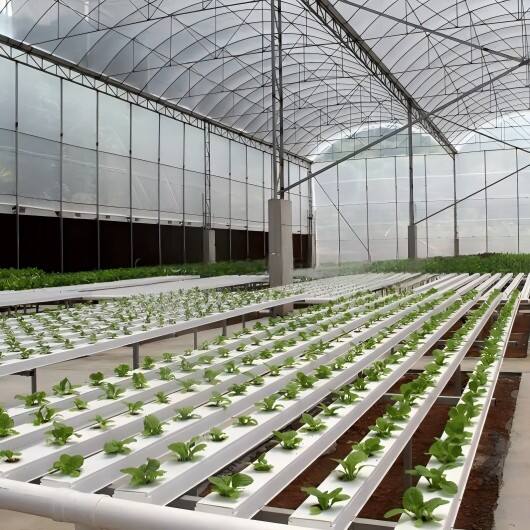
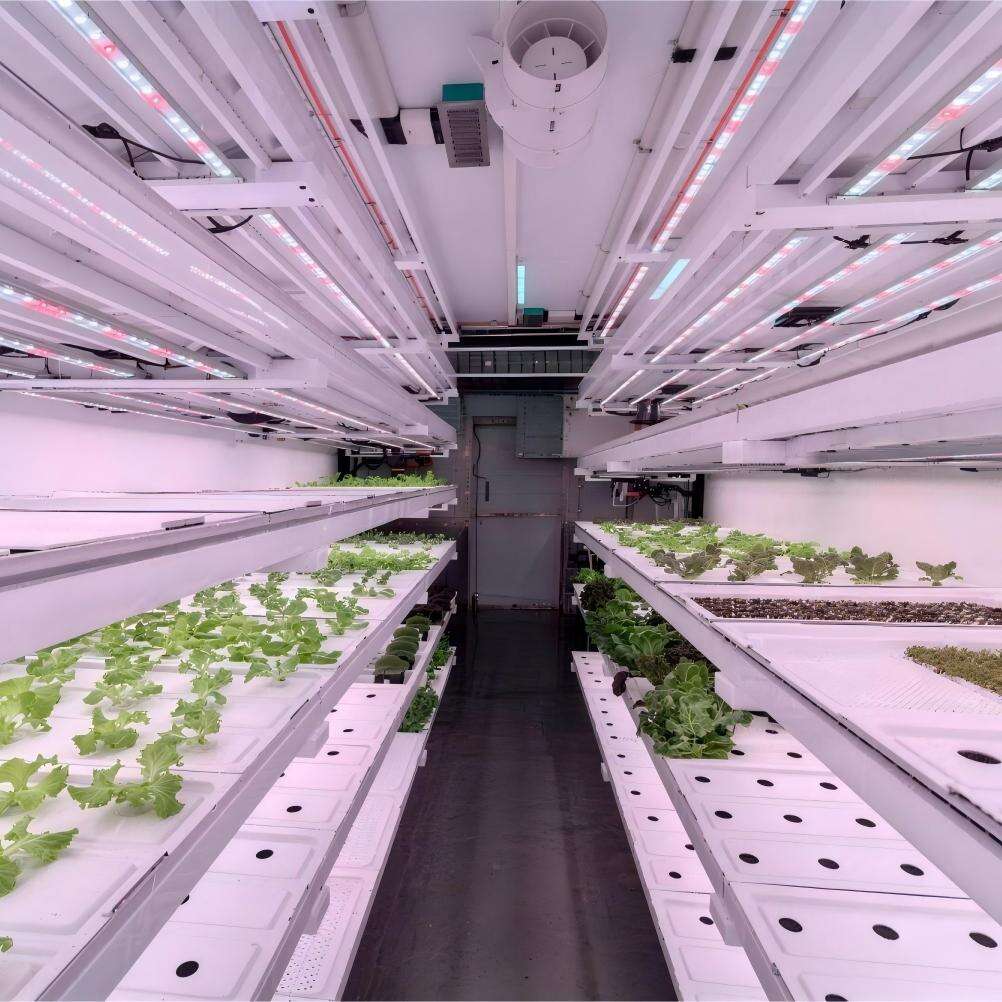
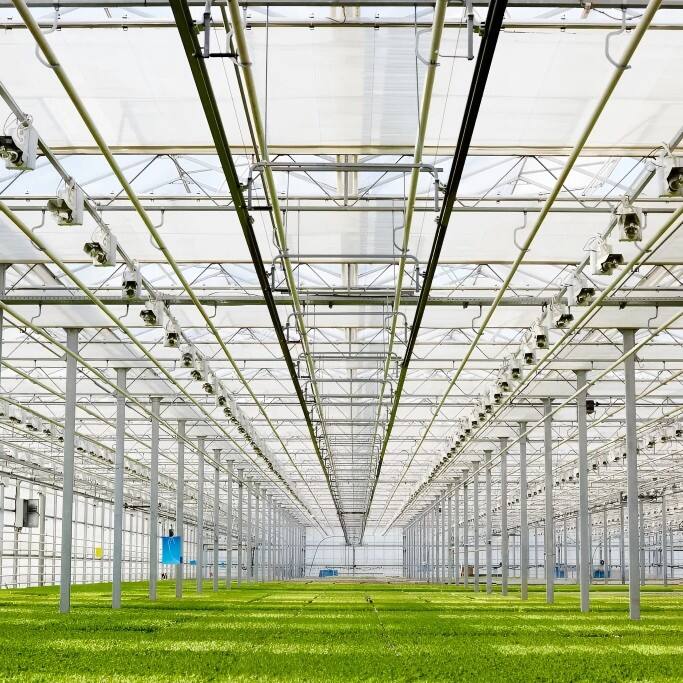
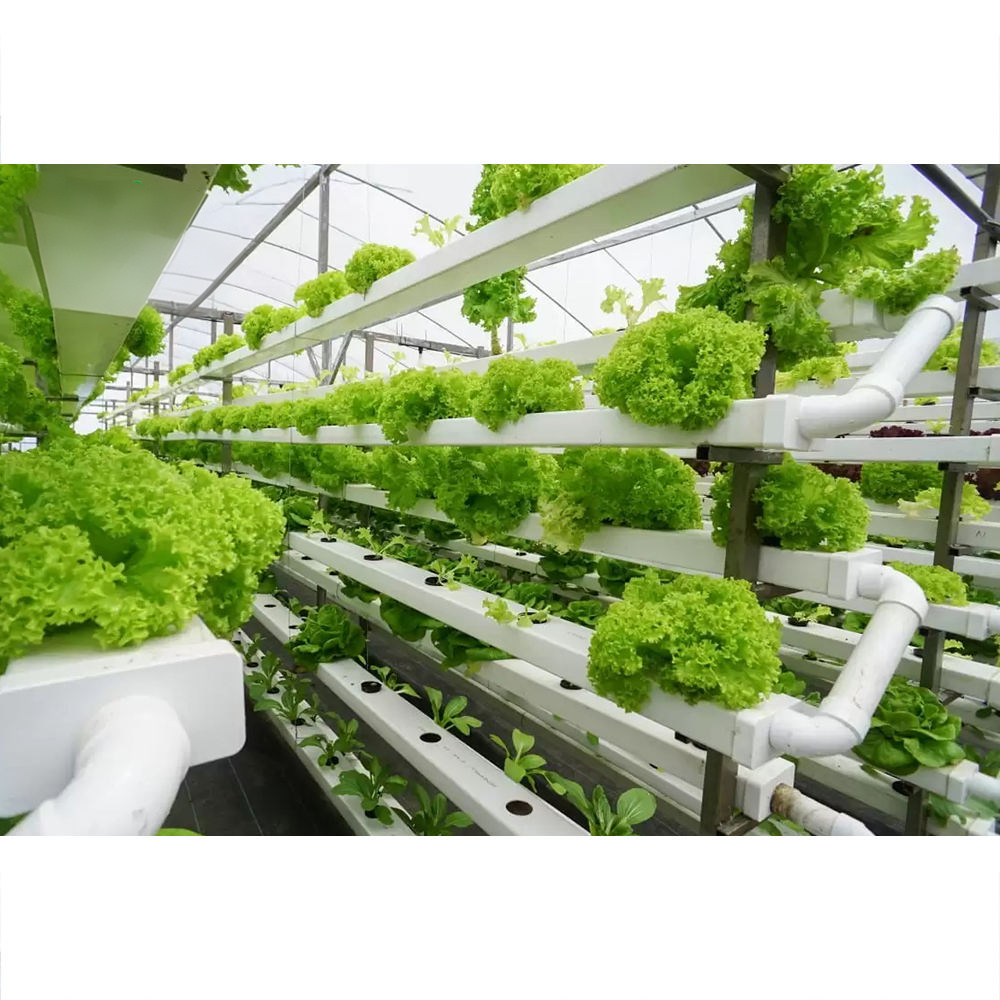
The vertical hydroponic garden tower represents a revolutionary approach to modern agriculture, transforming how we cultivate fresh produce in limited spaces. This innovative growing system utilizes soilless cultivation techniques, where plants receive nutrients through carefully balanced water solutions delivered directly to their root systems. The tower's cylindrical or rectangular design maximizes growing capacity by stacking multiple planting levels vertically, creating an efficient use of available space that can produce significantly more crops per square foot compared to traditional horizontal gardening methods. The technological foundation of the vertical hydroponic garden tower incorporates automated irrigation systems, precise nutrient delivery mechanisms, and often includes LED grow lights optimized for plant photosynthesis. Advanced models feature programmable timers, pH monitoring sensors, and water circulation pumps that maintain optimal growing conditions throughout the entire system. The structure typically consists of food-grade materials such as PVC pipes, specialized growing chambers, or modular stacking components that house individual plant sites. Each growing position accommodates various planting mediums like rockwool, clay pebbles, or coconut coir, which provide root support while allowing nutrient solution access. Applications for the vertical hydroponic garden tower span residential, commercial, and educational environments. Home gardeners utilize these systems to grow fresh herbs, leafy greens, and compact vegetables year-round, regardless of outdoor climate conditions. Urban farmers implement larger tower systems to supply local markets with pesticide-free produce grown in controlled environments. Educational institutions integrate these towers into STEM curricula, teaching students about sustainable agriculture, plant biology, and modern farming technologies. Commercial greenhouse operations deploy multiple tower systems to maximize crop yields while minimizing water usage and land requirements. The vertical design makes these systems particularly valuable in urban settings where horizontal growing space is limited or expensive. Restaurants often install compact tower units to supply fresh ingredients directly from their kitchens, ensuring peak flavor and nutritional content while reducing supply chain dependencies.
 ×
×

 EN
EN