Revolutionary Hydroponic Vertical Farming Systems - Advanced Indoor Agriculture Solutions for Maximum Yield

Get a Free Quote

Our representative will contact you soon.
Email
Name
Company Name
Message
0/1000

hydroponic vertical farming systems

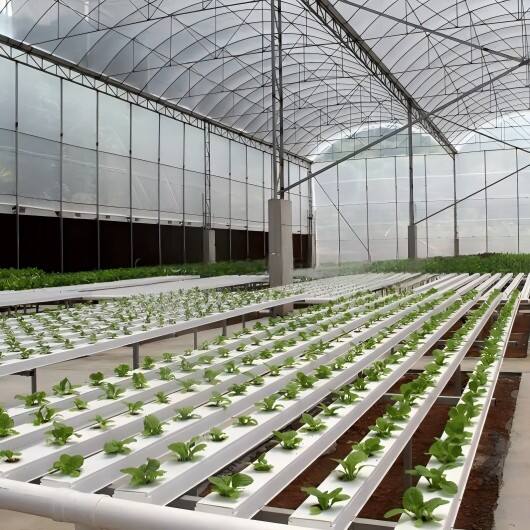
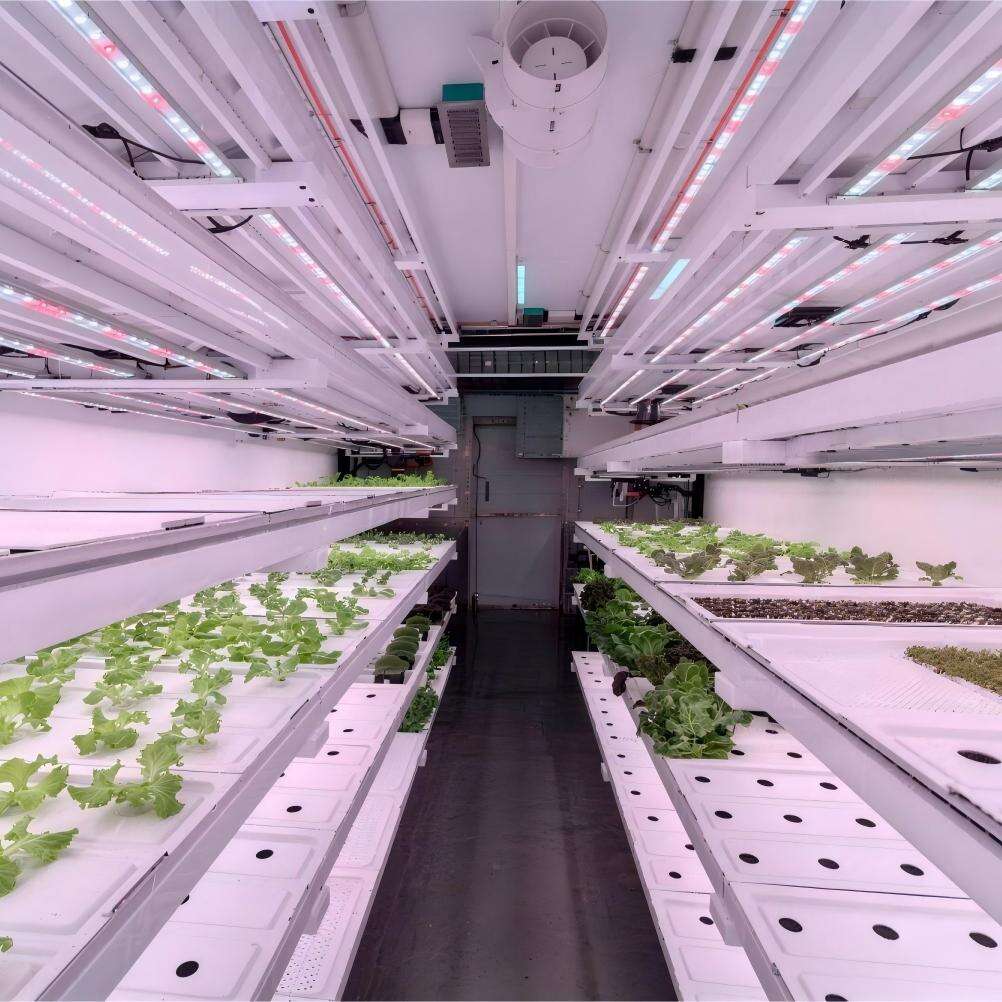
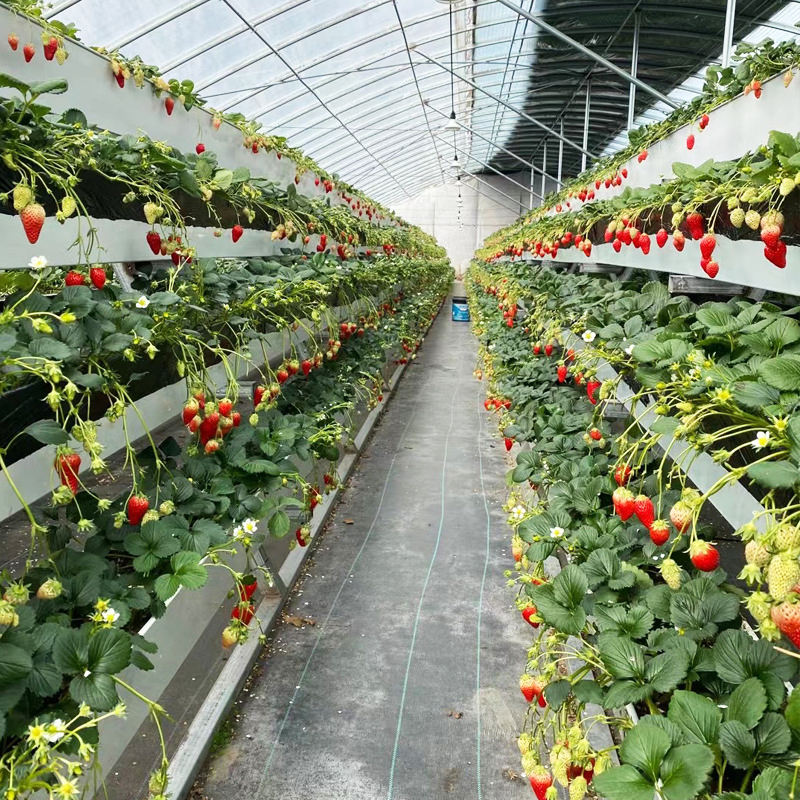
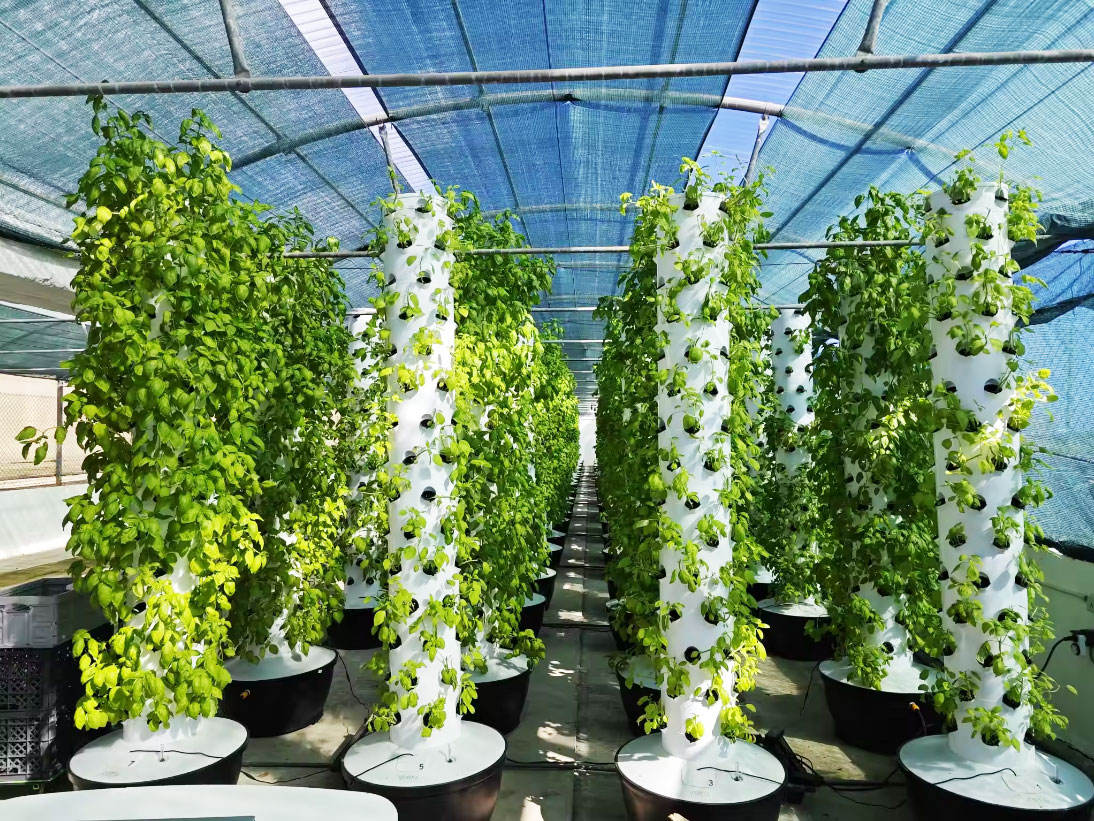
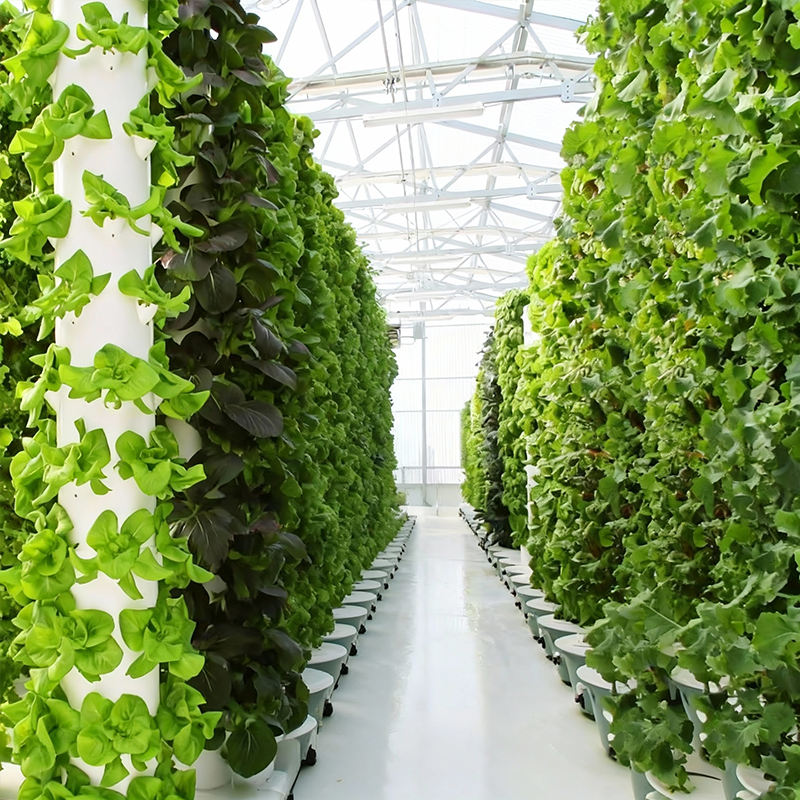
Hydroponic vertical farming systems represent a revolutionary approach to modern agriculture that combines soilless cultivation methods with space-efficient vertical growing structures. These innovative agricultural solutions stack growing layers vertically, maximizing crop production within minimal floor space while utilizing nutrient-rich water solutions instead of traditional soil. The main functions of hydroponic vertical farming systems include precise nutrient delivery, environmental control, water conservation, and year-round production capabilities. The technological features encompass advanced LED lighting systems that provide optimal light spectrums for plant growth, automated nutrient management systems that deliver precisely balanced mineral solutions, climate control mechanisms that regulate temperature and humidity, and sophisticated monitoring sensors that track plant health and environmental conditions. These systems incorporate recirculating water networks that minimize waste while ensuring plants receive consistent nutrition. The growing medium typically consists of inert substrates like rockwool, perlite, or coconut coir that support root development without soil contamination risks. Applications for hydroponic vertical farming systems span multiple sectors including commercial agriculture, urban farming initiatives, research facilities, educational institutions, and residential growing operations. Commercial growers utilize these systems to produce leafy greens, herbs, strawberries, and various vegetables in controlled environments. Urban applications focus on bringing fresh produce closer to metropolitan consumers while reducing transportation costs and environmental impact. Research institutions employ hydroponic vertical farming systems to study plant genetics, develop new cultivars, and optimize growing protocols. Educational facilities use these installations to teach sustainable agriculture principles and demonstrate modern farming techniques. The modular design allows customization for different crop types and production scales, making hydroponic vertical farming systems suitable for everything from small home units to large commercial operations serving regional markets.
New Product Recommendations

Hydroponic vertical farming systems deliver exceptional space efficiency by producing significantly more crops per square foot compared to traditional farming methods. These systems stack multiple growing levels vertically, allowing farmers to multiply their productive capacity within the same footprint. Urban locations benefit tremendously as these installations transform unused warehouse spaces, rooftops, and industrial buildings into productive agricultural facilities. Water conservation represents another critical advantage, with hydroponic vertical farming systems using up to 95 percent less water than conventional soil-based agriculture through precise nutrient delivery and recirculation technologies. The closed-loop water systems prevent waste while maintaining optimal hydration levels for maximum plant growth. Year-round production capabilities eliminate seasonal limitations, enabling continuous harvests regardless of external weather conditions. Climate-controlled environments protect crops from droughts, floods, storms, and temperature fluctuations that traditionally threaten agricultural yields. This reliability ensures consistent supply chains and predictable revenue streams for commercial operators. Pesticide-free growing environments protect both plant health and consumer safety by eliminating the need for harmful chemical treatments. The sterile, controlled conditions prevent pest infestations naturally, reducing production costs while creating cleaner, healthier produce. Faster growth rates occur due to optimized growing conditions, with many crops reaching maturity 30 to 50 percent quicker than field-grown alternatives. The precise control over nutrients, lighting, and environmental factors accelerates photosynthesis and cellular development. Location independence allows hydroponic vertical farming systems to operate anywhere with basic utilities, bringing fresh produce directly to urban markets and reducing transportation distances. This proximity reduces carbon footprints while ensuring peak freshness and nutritional value. Higher yields per plant result from eliminating competition for resources and providing ideal growing conditions throughout the entire growth cycle. Quality control becomes dramatically easier with standardized growing protocols and consistent environmental parameters that produce uniform, premium-grade crops meeting the highest market standards.

Practical Tips

Hydroponic Vertical Farming_ Empowering Legal Cultivation Markets Globally

09

Feb

Hydroponic Vertical Farming_ Empowering Legal Cultivation Markets Globally

View More
Planting Containers: Unlocking New Possibilities for Smart Agriculture, Creating Efficient and Movable Planting Spaces

11

Mar

Planting Containers: Unlocking New Possibilities for Smart Agriculture, Creating Efficient and Movable Planting Spaces

View More
Vertical Farming Machines, Greenhouse Cultivation & Hydroponics: Reshaping the Future of Agriculture

09

Feb

Vertical Farming Machines, Greenhouse Cultivation & Hydroponics: Reshaping the Future of Agriculture

View More

Get a Free Quote

Our representative will contact you soon.
Email
Name
Company Name
Message
0/1000

hydroponic vertical farming systems

Advanced LED Lighting Technology for Optimal Plant Growth

Advanced LED Lighting Technology for Optimal Plant Growth

The LED lighting technology integrated into hydroponic vertical farming systems represents a breakthrough in agricultural illumination that delivers unprecedented control over plant development processes. These sophisticated lighting arrays utilize full-spectrum LED bulbs that can be precisely tuned to emit specific wavelengths of light optimized for different growth phases, from seedling establishment through flowering and fruiting stages. The energy-efficient design consumes significantly less electricity compared to traditional high-pressure sodium or fluorescent lighting systems while generating minimal heat, reducing cooling costs and creating more stable growing environments. Smart lighting controllers automatically adjust intensity, duration, and spectrum based on crop requirements and growth stages, ensuring plants receive exactly the right amount of photosynthetic energy at each developmental phase. The programmable nature allows growers to simulate natural daylight cycles or extend photoperiods to accelerate growth, providing flexibility that outdoor farming cannot match. Multiple lighting zones within the same hydroponic vertical farming systems enable simultaneous cultivation of different crops with varying light requirements, maximizing operational efficiency and diversifying production capabilities. The uniform light distribution eliminates shadowing issues common in traditional greenhouses, ensuring every plant receives consistent illumination regardless of its position within the growing structure. Heat management becomes much easier with LED technology since these lights produce minimal thermal output, reducing the load on climate control systems and creating more stable growing conditions. The longevity of LED lights translates to reduced maintenance costs and operational interruptions, with typical lifespans exceeding 50,000 hours of continuous operation. This durability makes hydroponic vertical farming systems more economically viable over long-term operations while maintaining consistent light quality throughout the LED lifespan.
Precision Nutrient Management and Automated Control Systems

Precision Nutrient Management and Automated Control Systems

The precision nutrient management capabilities of hydroponic vertical farming systems revolutionize how plants receive essential minerals and nutrients through sophisticated automated delivery mechanisms that eliminate guesswork and optimize plant health. These advanced systems monitor and adjust nutrient concentrations in real-time using electronic sensors that measure pH levels, electrical conductivity, dissolved oxygen, and individual nutrient concentrations within the circulating solution. Automated dosing pumps inject precise amounts of macro and micronutrients based on plant requirements, growth stages, and environmental conditions, ensuring optimal nutrition delivery without waste or deficiency. The computer-controlled management system stores customized nutrient recipes for different crops, allowing seamless transitions between growing cycles and maintaining consistency across multiple production runs. Real-time monitoring capabilities provide instant alerts when nutrient levels drift outside optimal ranges, enabling immediate corrections before plant stress occurs. The closed-loop recirculation design conserves nutrients by capturing and reusing solution that plants do not immediately absorb, dramatically reducing fertilizer costs while maintaining environmental sustainability. Data logging functions track nutrient consumption patterns, helping operators optimize recipes and predict future requirements for better inventory management and cost control. Remote monitoring capabilities allow farm managers to supervise multiple hydroponic vertical farming systems from centralized locations, reducing labor requirements while maintaining precise control over growing conditions. The integration with environmental sensors creates comprehensive growing profiles that correlate nutrient uptake with temperature, humidity, and lighting conditions, enabling continuous optimization of growing protocols. Automated cleaning cycles prevent biofilm formation and nutrient precipitation in delivery lines, maintaining system efficiency and preventing contamination that could compromise crop quality. This level of precision and automation transforms agriculture from an art into a science, delivering consistent results that traditional farming methods cannot achieve.
Modular Design and Scalable Architecture for Any Operation

Modular Design and Scalable Architecture for Any Operation

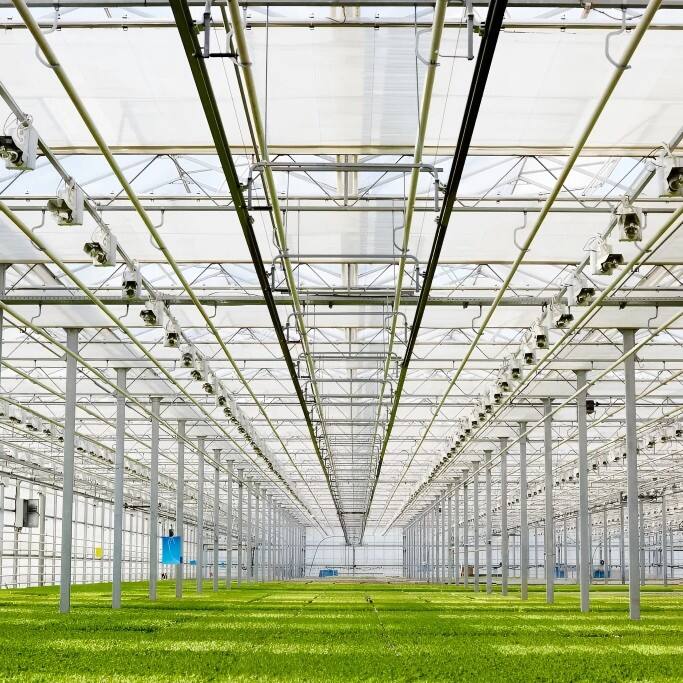
The modular design philosophy behind hydroponic vertical farming systems provides unprecedented flexibility and scalability that adapts to diverse operational requirements, from small residential units to massive commercial installations serving entire metropolitan areas. These systems utilize standardized components that connect seamlessly together, allowing operators to start with basic configurations and expand capacity incrementally as demand grows or investment capital becomes available. The plug-and-play architecture simplifies installation and reduces setup costs by eliminating custom engineering requirements for each installation, making hydroponic vertical farming systems accessible to entrepreneurs with varying technical backgrounds and financial resources. Standardized growing modules can be mixed and matched to accommodate different crop types within the same facility, enabling diversified production that responds to market demands and seasonal preferences. The vertical stacking capability maximizes space utilization in expensive urban real estate markets where traditional farming is economically unfeasible, transforming unused buildings into productive agricultural facilities. Modular environmental controls allow independent management of different growing zones, creating optimal microclimates for various crops while maintaining overall system efficiency and reducing energy waste. The scalable power and water infrastructure supports expansion without major utility upgrades, protecting initial investments while enabling future growth opportunities. Maintenance becomes more efficient with standardized components that can be quickly replaced or upgraded without disrupting entire operations, minimizing downtime and protecting revenue streams. The flexible configuration options accommodate existing building constraints and unusual spaces, making hydroponic vertical farming systems viable in locations where traditional construction approaches would be prohibitively expensive or impossible. Future technology upgrades integrate easily into the modular framework, protecting operators from obsolescence while allowing them to incorporate new innovations as they become available. This adaptability ensures that hydroponic vertical farming systems remain competitive and efficient throughout their operational lifespan, providing sustainable returns on investment while meeting evolving market demands and regulatory requirements that shape the future of urban agriculture.

Get a Free Quote

Our representative will contact you soon.
Email
Name
Company Name
Message
0/1000