indoor vertical garden hydroponics
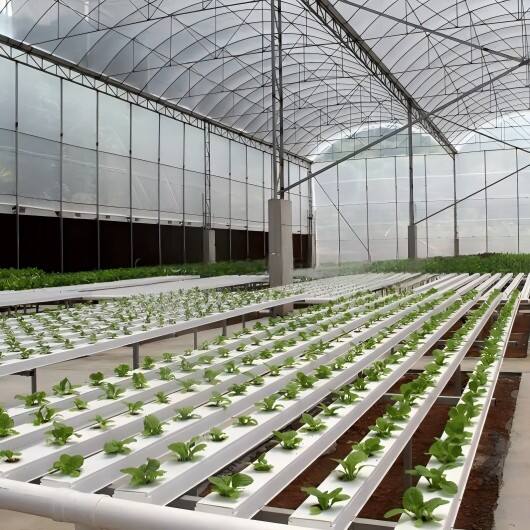
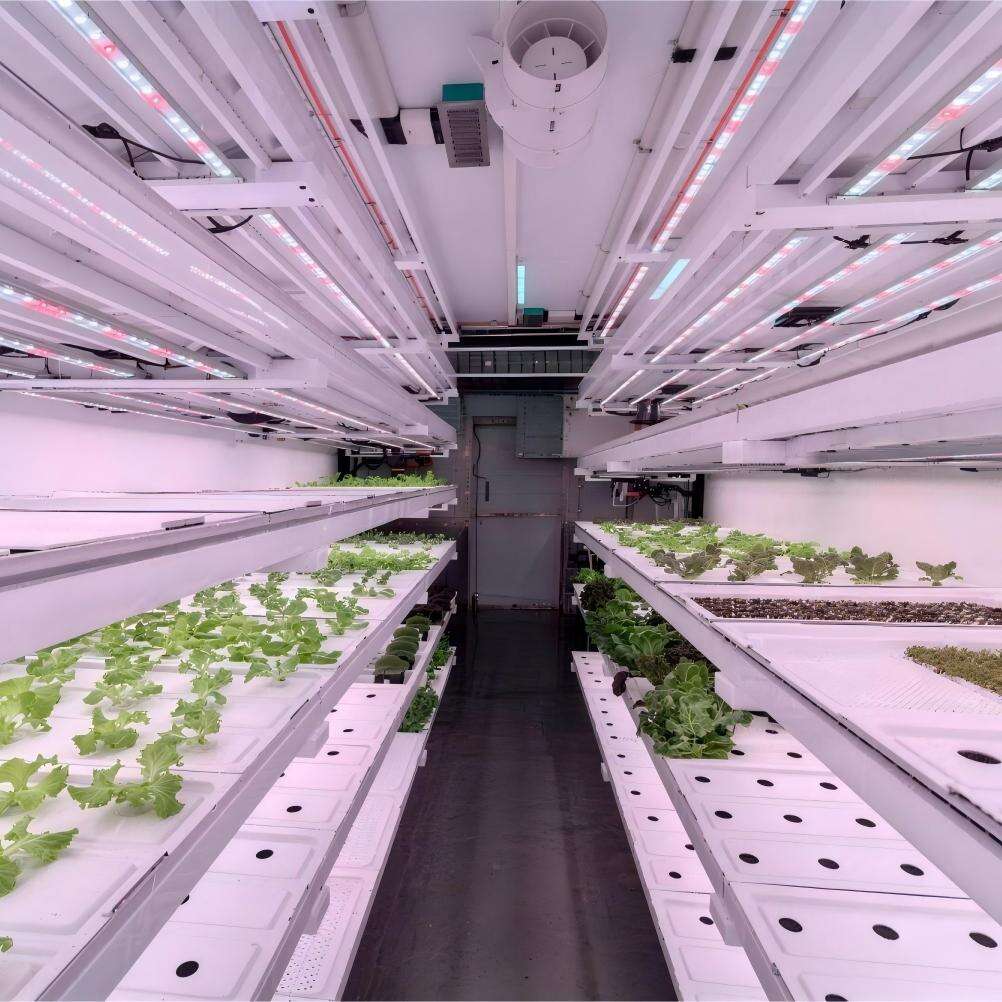
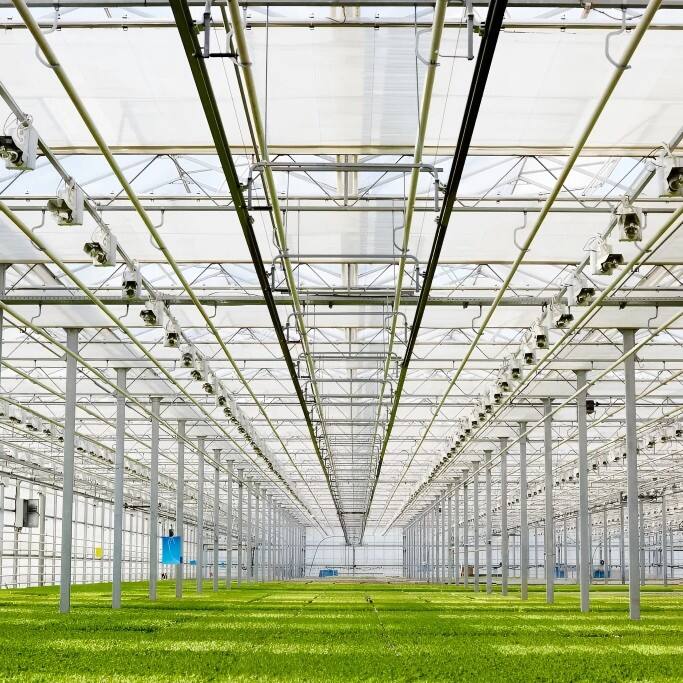
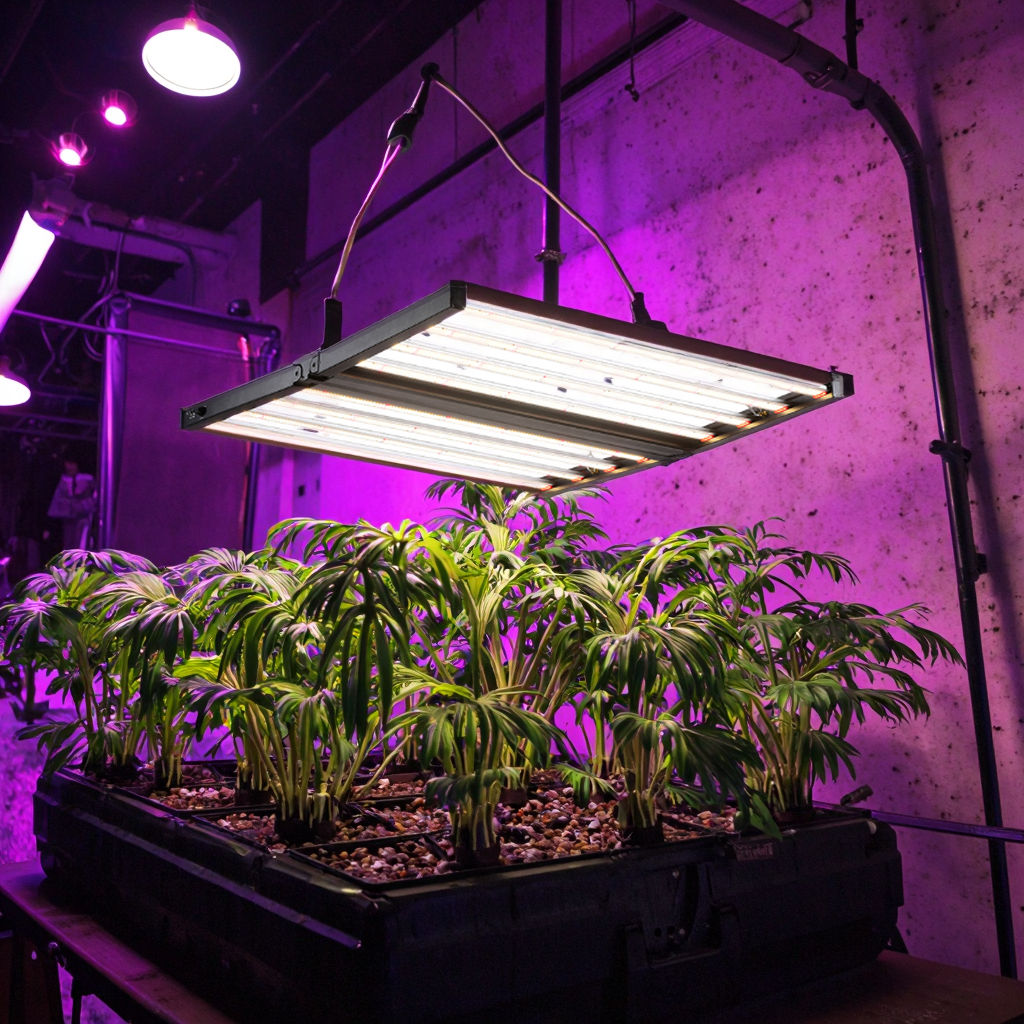
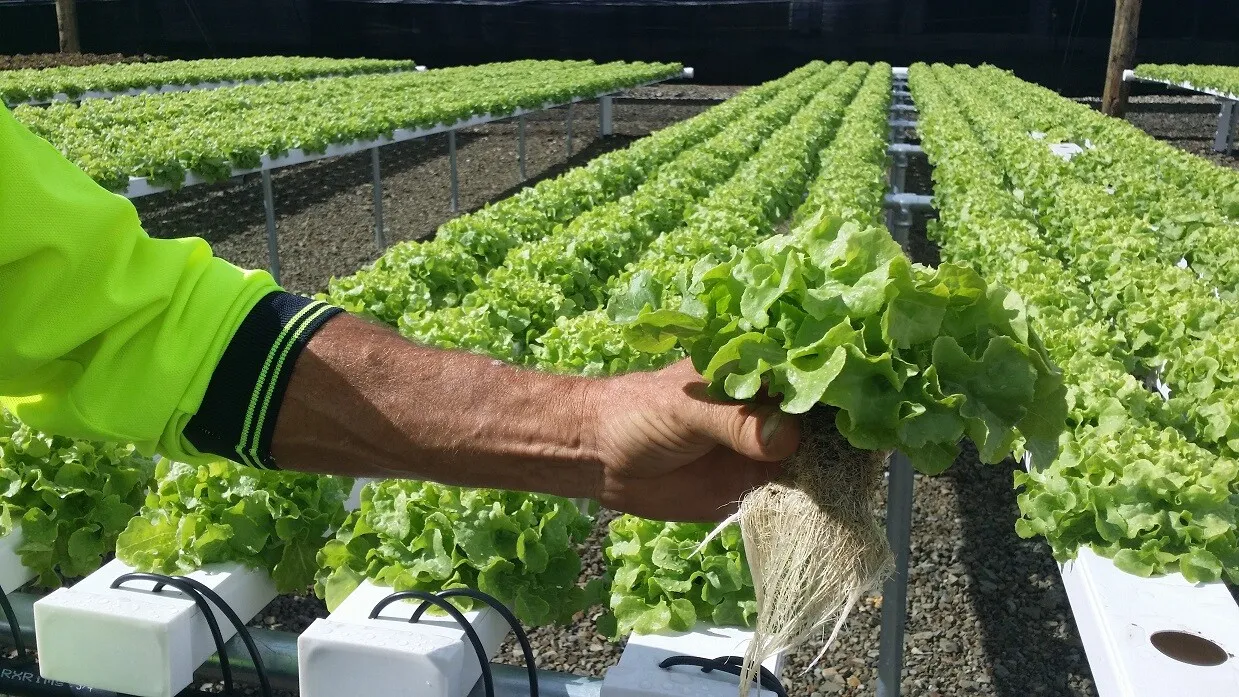
Indoor vertical garden hydroponics represents a revolutionary approach to modern agriculture that maximizes growing space while minimizing resource consumption. This innovative system combines vertical farming techniques with soilless cultivation methods, creating an efficient environment for growing plants within controlled indoor settings. The technology utilizes nutrient-rich water solutions to feed plants directly through their root systems, eliminating the need for traditional soil-based growing methods. The main functions of indoor vertical garden hydroponics include optimizing space utilization, reducing water usage, accelerating plant growth cycles, and providing year-round production capabilities regardless of external weather conditions. The system incorporates advanced LED lighting arrays that deliver full-spectrum illumination tailored to specific plant requirements, ensuring optimal photosynthesis throughout all growth stages. Automated nutrient delivery systems precisely control feeding schedules and concentration levels, maintaining ideal growing conditions consistently. Temperature and humidity control mechanisms create stable microclimates that promote healthy plant development while preventing disease and pest infestations. The technological features encompass smart monitoring systems that track pH levels, electrical conductivity, and nutrient concentrations in real-time. Mobile applications and dashboard interfaces allow users to monitor and adjust growing parameters remotely, making system management convenient and accessible. Modular design elements enable easy expansion and customization based on specific space requirements and crop preferences. Applications span across residential settings, commercial urban farms, educational institutions, and research facilities. Homeowners utilize these systems to grow fresh herbs, leafy greens, and vegetables in apartments or houses with limited outdoor space. Commercial operations leverage the technology for sustainable food production in urban environments where traditional farming faces land constraints. Educational institutions implement indoor vertical garden hydroponics as teaching tools for students learning about sustainable agriculture, plant biology, and environmental science.
 ×
×

 EN
EN