Ultimate Guide to Vertical Growing Hydroponic Systems - Maximize Your Harvest in Minimal Space

Get a Free Quote

Our representative will contact you soon.
Email
Name
Company Name
Message
0/1000

vertical growing hydroponic systems

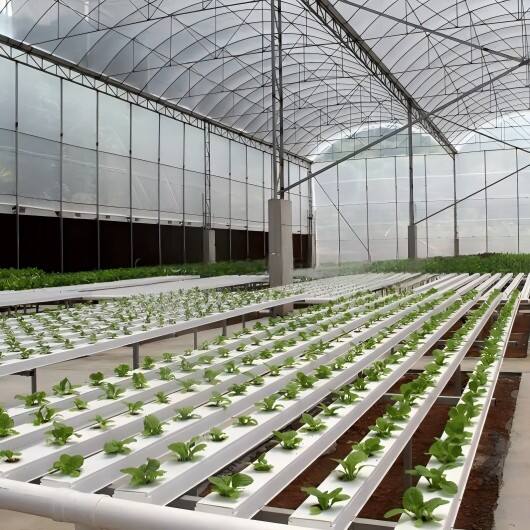
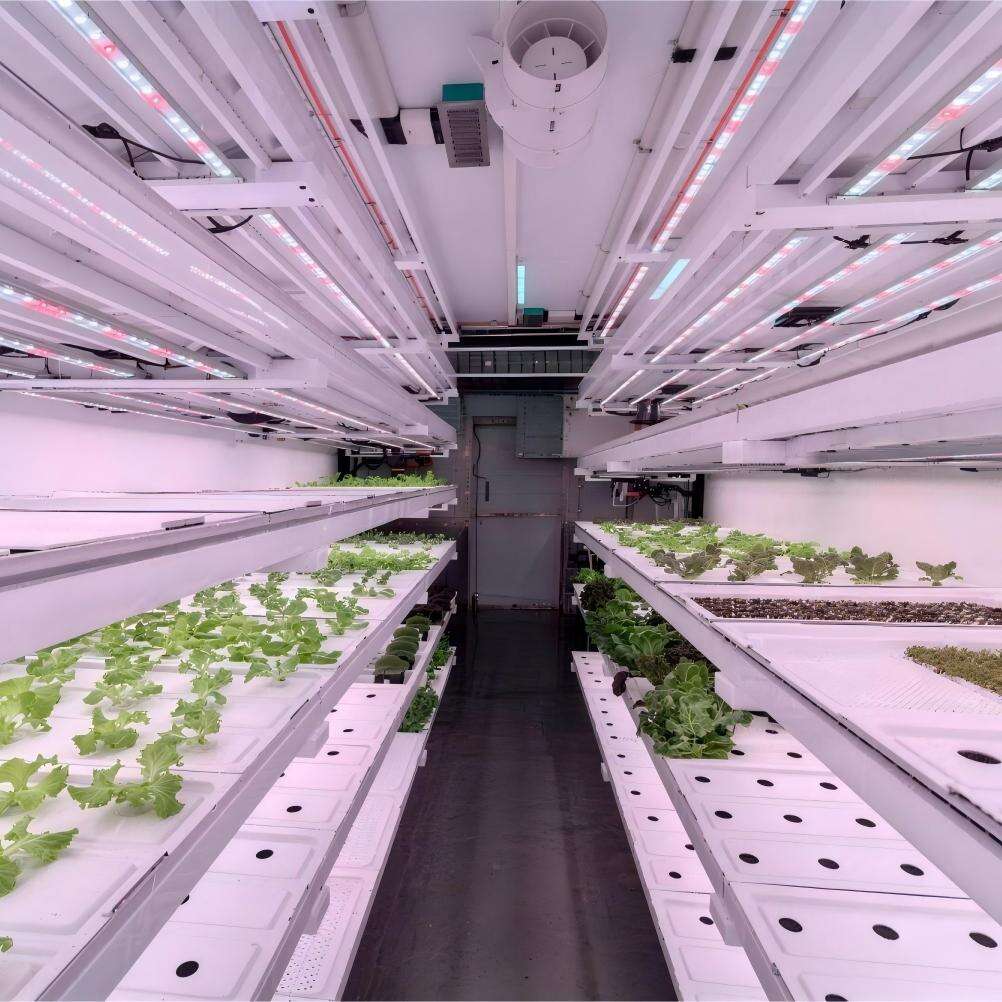
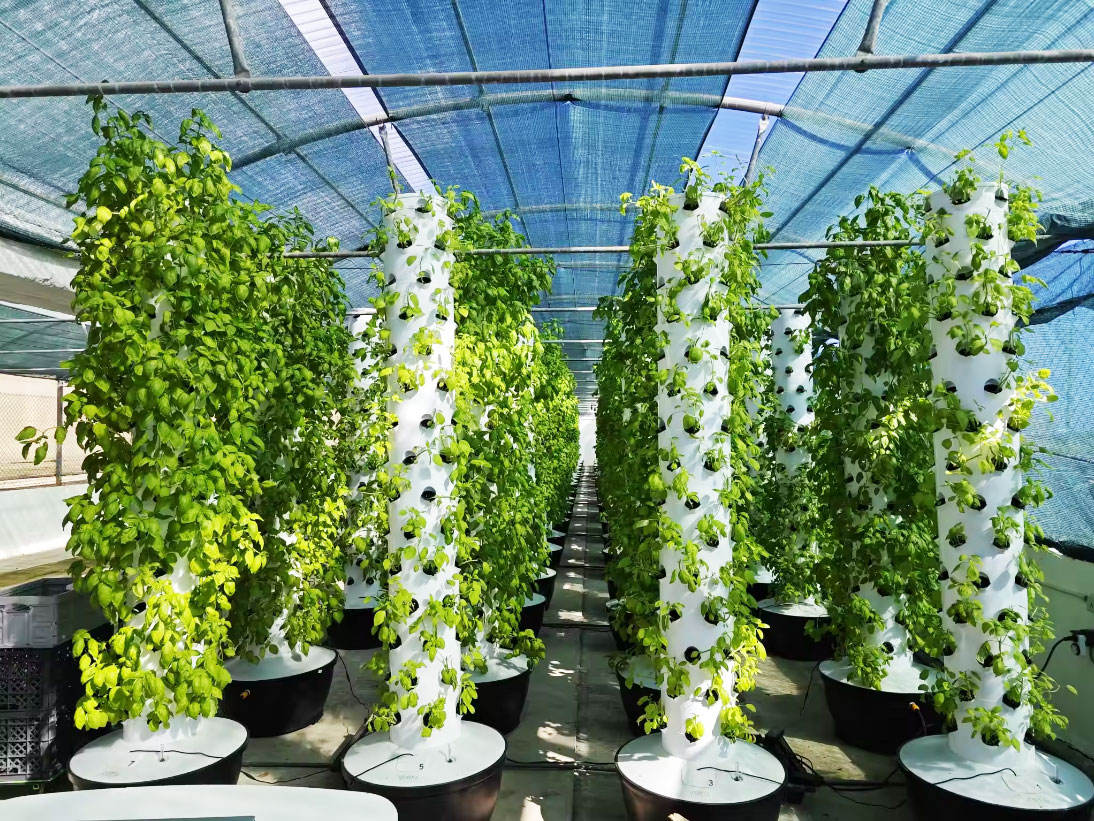
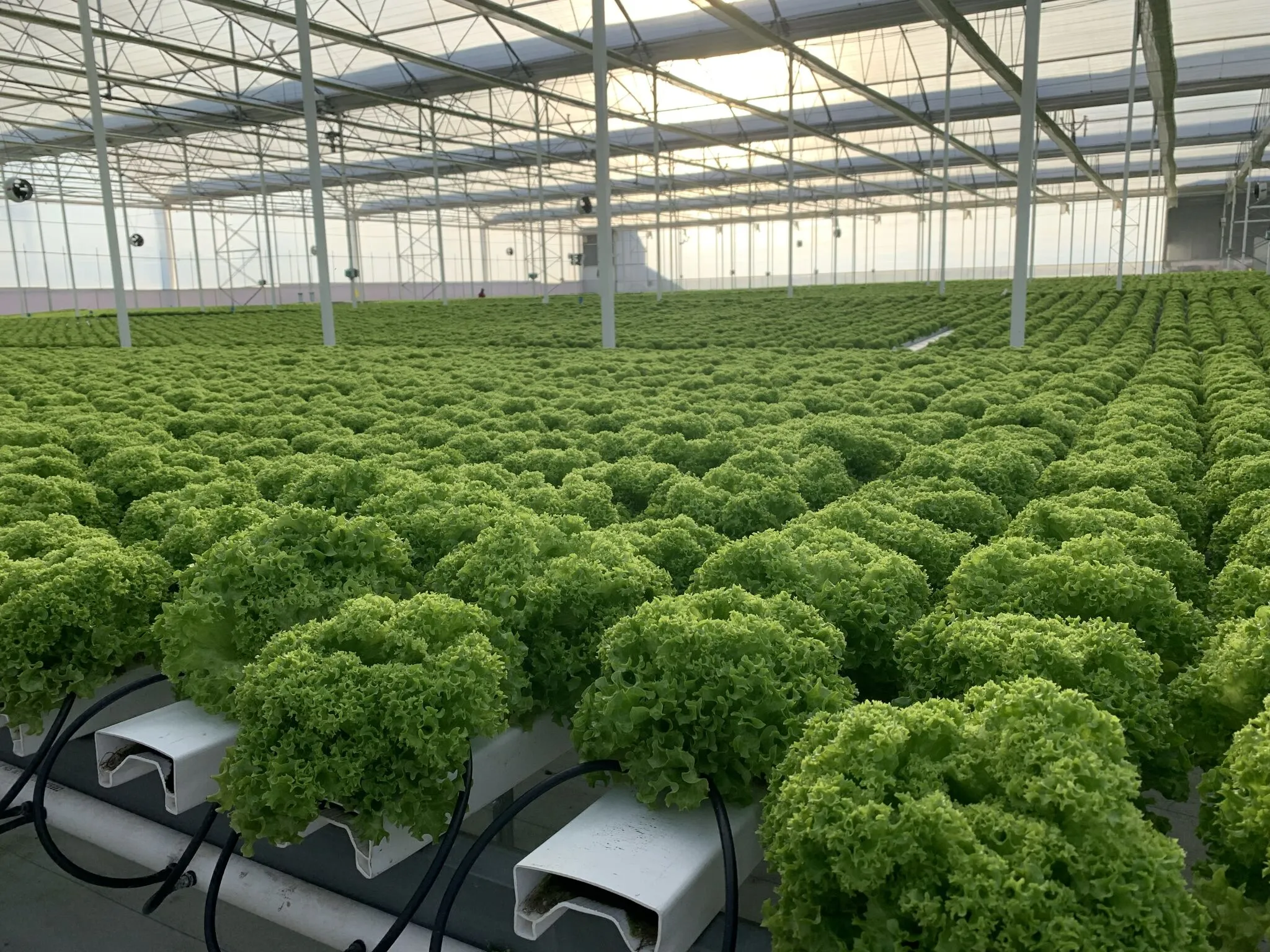
Vertical growing hydroponic systems represent a revolutionary approach to modern agriculture that maximizes crop production while minimizing space requirements. These innovative systems utilize soilless cultivation methods, delivering nutrients directly to plant roots through precisely formulated water solutions. The core structure features multiple growing levels stacked vertically, creating a tower-like configuration that multiplies growing capacity within limited floor space. Advanced LED lighting systems provide optimal photosynthetic conditions for each tier, while automated nutrient delivery ensures consistent plant health. The main functions encompass water circulation, nutrient management, environmental control, and structural support for various plant types. Technological features include programmable timers, pH monitoring sensors, electrical conductivity meters, and climate control mechanisms. These systems integrate seamlessly with smart farming technologies, enabling remote monitoring through mobile applications and computer interfaces. The modular design allows easy expansion and customization based on specific crop requirements and available space. Applications span residential gardening, commercial farming, educational institutions, research facilities, and urban agriculture projects. Vertical growing hydroponic systems excel in producing leafy greens, herbs, strawberries, tomatoes, and microgreens with remarkable efficiency. The controlled environment eliminates seasonal limitations, enabling year-round production regardless of external weather conditions. Water recycling capabilities reduce consumption by up to 90 percent compared to traditional farming methods. The absence of soil eliminates pest-related issues while reducing the need for pesticides and herbicides. These systems prove particularly valuable in urban environments where land availability remains limited and food security concerns continue growing.
New Products

Vertical growing hydroponic systems deliver exceptional space efficiency that transforms small areas into productive growing environments. Users can cultivate significantly more plants per square foot compared to traditional horizontal gardening methods, making these systems perfect for urban dwellers, small-scale farmers, and commercial operations with limited space. The vertical configuration multiplies growing capacity without expanding the footprint, allowing maximum utilization of available area. Water conservation represents another major advantage, as these systems use up to 90 percent less water than conventional soil-based agriculture. The closed-loop water circulation prevents waste while maintaining optimal moisture levels for plant roots. This efficiency proves especially valuable in drought-prone regions or areas with water restrictions. Faster growth rates consistently exceed traditional farming expectations, with many crops reaching maturity 25 to 50 percent quicker than soil-grown alternatives. The controlled nutrient delivery system ensures plants receive precisely what they need for optimal development, eliminating nutrient deficiencies that commonly slow growth in traditional farming. Year-round production capability eliminates seasonal limitations, providing consistent harvests regardless of external weather conditions. Indoor cultivation protects crops from extreme temperatures, storms, frost, and other environmental challenges that frequently damage outdoor gardens. This reliability allows for better planning and consistent income streams for commercial growers. Pest and disease management becomes significantly easier without soil-borne pathogens and pests. The controlled environment reduces the need for chemical pesticides and fungicides, resulting in cleaner, safer produce. Higher yields per plant result from optimized growing conditions, including perfect nutrient ratios, controlled lighting, and ideal temperature ranges. These systems typically produce 30 to 40 percent more vegetables per plant compared to traditional methods. Labor requirements decrease substantially as vertical growing hydroponic systems automate many farming tasks including watering, nutrient delivery, and environmental monitoring. This automation reduces daily maintenance time while improving consistency and reducing human error. The clean growing environment eliminates weeding, soil preparation, and many other labor-intensive tasks associated with traditional farming.

Tips And Tricks

Hydroponic Vertical Farming_ Empowering Legal Cultivation Markets Globally

09

Feb

Hydroponic Vertical Farming_ Empowering Legal Cultivation Markets Globally

View More
Planting Containers: Unlocking New Possibilities for Smart Agriculture, Creating Efficient and Movable Planting Spaces

11

Mar

Planting Containers: Unlocking New Possibilities for Smart Agriculture, Creating Efficient and Movable Planting Spaces

View More
Vertical Farming Machines, Greenhouse Cultivation & Hydroponics: Reshaping the Future of Agriculture

09

Feb

Vertical Farming Machines, Greenhouse Cultivation & Hydroponics: Reshaping the Future of Agriculture

View More

Get a Free Quote

Our representative will contact you soon.
Email
Name
Company Name
Message
0/1000

vertical growing hydroponic systems

Revolutionary Space Optimization Technology

Revolutionary Space Optimization Technology

Vertical growing hydroponic systems fundamentally transform agricultural space utilization through innovative multi-tier growing structures that maximize production capacity within minimal floor space. This revolutionary technology stacks growing levels vertically, creating tower-like configurations that can accommodate three to twenty times more plants than traditional horizontal growing methods. The modular design allows customization based on ceiling height and specific space constraints, making these systems adaptable to basements, garages, warehouses, rooftops, and even small apartments. Each tier receives independent lighting, nutrient delivery, and air circulation, ensuring optimal growing conditions throughout the entire structure. The space efficiency proves particularly valuable in urban environments where real estate costs remain prohibitively expensive for traditional farming operations. Commercial growers can establish profitable operations in industrial buildings, abandoned warehouses, or repurposed retail spaces that would otherwise remain unused. Residential users can transform spare rooms, balconies, or corner spaces into productive gardens that supply fresh vegetables year-round. The vertical configuration also enables easier plant management and harvesting, as growers can access different crop stages at comfortable working heights without bending or kneeling. This ergonomic advantage reduces physical strain while improving efficiency during routine maintenance tasks. The compact footprint makes vertical growing hydroponic systems ideal for educational institutions teaching sustainable agriculture, research facilities conducting plant studies, and restaurants seeking fresh ingredients grown on-site. The technology scales effectively from small desktop units suitable for herb cultivation to large commercial installations capable of feeding entire communities. Installation flexibility allows placement in climate-controlled environments, eliminating concerns about seasonal variations, extreme weather, or geographical limitations that restrict traditional farming operations.
Advanced Nutrient Delivery and Water Management

Advanced Nutrient Delivery and Water Management

Vertical growing hydroponic systems feature sophisticated nutrient delivery mechanisms that precisely control plant feeding while conserving water resources through innovative circulation and recycling technologies. The automated nutrient management system monitors electrical conductivity, pH levels, and nutrient concentrations continuously, adjusting formulations automatically to maintain optimal growing conditions for specific plant varieties. This precision feeding eliminates guesswork while ensuring plants receive exactly the right nutrients at the proper concentrations throughout their growth cycles. The water recycling capability represents a breakthrough in sustainable agriculture, capturing and reusing water that would typically drain away in traditional farming systems. Advanced filtration and sterilization components maintain water quality while preventing contamination and disease transmission. The closed-loop circulation system pumps nutrient-rich water through growing chambers using programmable timers that deliver precise amounts at optimal intervals. This controlled delivery prevents both underwatering and overwatering issues that commonly affect novice gardeners and even experienced farmers. Reservoir monitoring systems track water levels and automatically alert users when refilling becomes necessary, preventing crop damage from dehydration. The nutrient mixing capabilities allow customization for different plant types, growth stages, and seasonal requirements without manual calculation or measurement. Digital controls enable remote monitoring and adjustment through smartphone applications, allowing users to manage their vertical growing hydroponic systems from anywhere. Emergency backup systems protect against power failures and equipment malfunctions, maintaining critical functions during temporary outages. The water efficiency extends beyond conservation, as the controlled environment prevents nutrient runoff that can pollute groundwater and nearby ecosystems. This environmental responsibility appeals to eco-conscious consumers while reducing operating costs through reduced water bills and nutrient waste.
Climate Control and Year-Round Production Capabilities

Climate Control and Year-Round Production Capabilities

Vertical growing hydroponic systems incorporate advanced climate control technologies that create optimal growing environments while enabling consistent year-round production regardless of external weather conditions or seasonal variations. The integrated environmental management system controls temperature, humidity, air circulation, and lighting to maintain perfect growing conditions for maximum plant health and productivity. LED lighting arrays provide full-spectrum illumination customized for different plant types and growth stages, replacing natural sunlight with more consistent and efficient artificial lighting that never varies due to clouds, seasons, or geographic location. The programmable lighting schedules simulate natural day-night cycles while optimizing photosynthetic efficiency through precise spectrum control. Temperature regulation maintains ideal ranges for specific crops, preventing stress-related growth slowdowns and ensuring optimal metabolic function. Humidity control prevents fungal diseases and pest infestations while maintaining proper moisture levels for healthy plant development. Air circulation systems provide fresh oxygen to root zones while removing excess carbon dioxide and maintaining proper atmospheric composition. The controlled environment eliminates weather-related crop losses that devastate traditional farming operations, providing reliable harvests throughout winter months when outdoor growing becomes impossible. This consistency enables commercial growers to maintain steady income streams and meet contractual obligations to restaurants, grocery stores, and other customers requiring regular fresh produce deliveries. Home gardeners enjoy fresh vegetables during winter months when grocery store prices peak and quality often deteriorates due to long-distance shipping. The climate control capabilities also protect crops from extreme weather events including storms, droughts, floods, and temperature fluctuations that increasingly threaten traditional agriculture due to climate change. Indoor cultivation shields plants from environmental pollutants, acid rain, and other external contaminants while maintaining pristine growing conditions. The predictable production schedules allow better planning for harvest timing, processing, and distribution, improving overall operational efficiency and profitability for commercial applications.

Get a Free Quote

Our representative will contact you soon.
Email
Name
Company Name
Message
0/1000