Vertical Indoor Gardening Systems: Smart Automated Solutions for Year-Round Fresh Produce

Get a Free Quote

Our representative will contact you soon.
Email
Name
Company Name
Message
0/1000

vertical indoor gardening systems

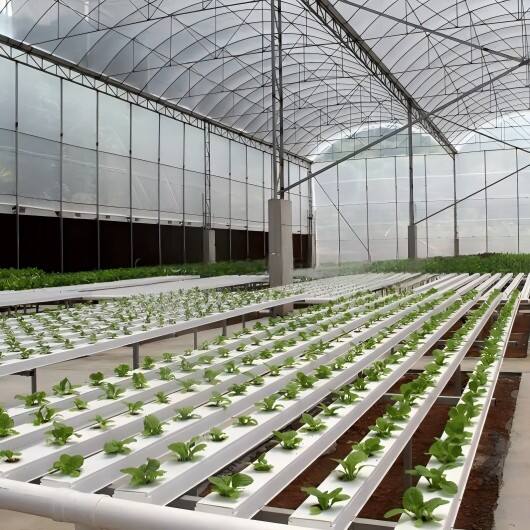
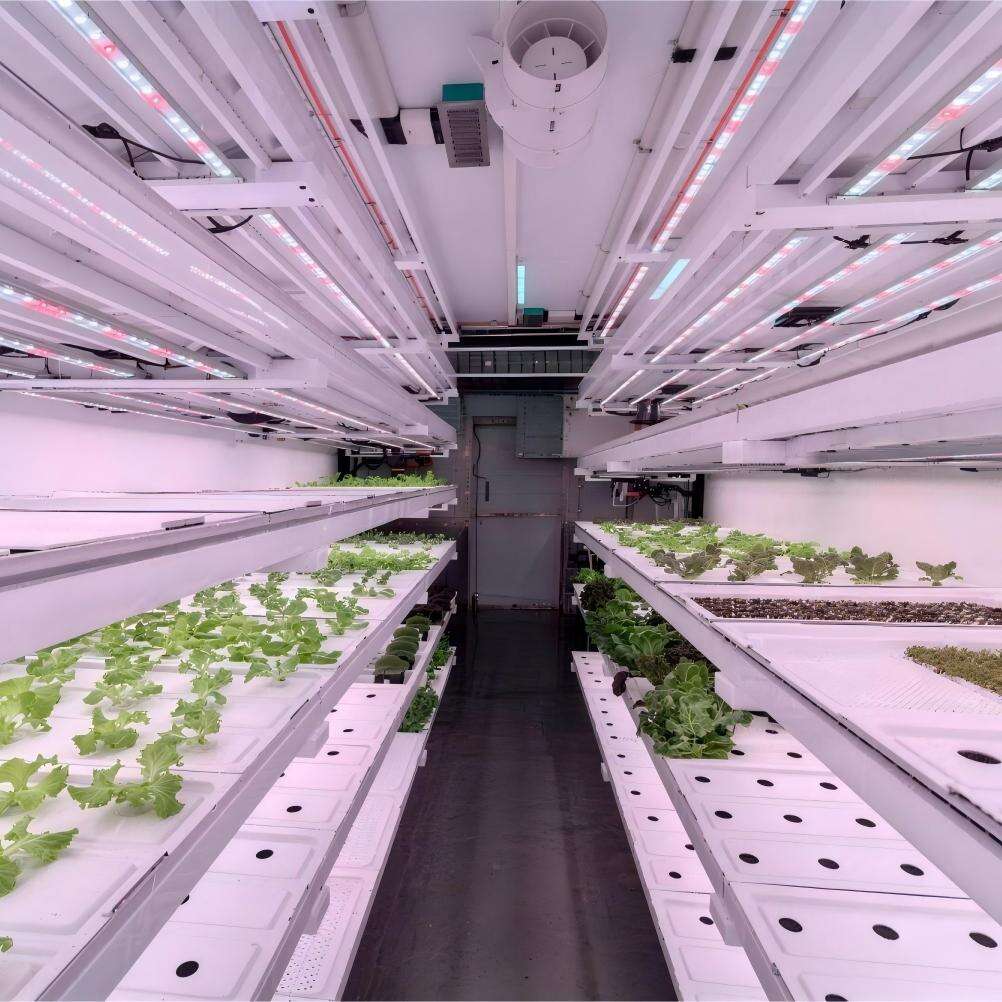
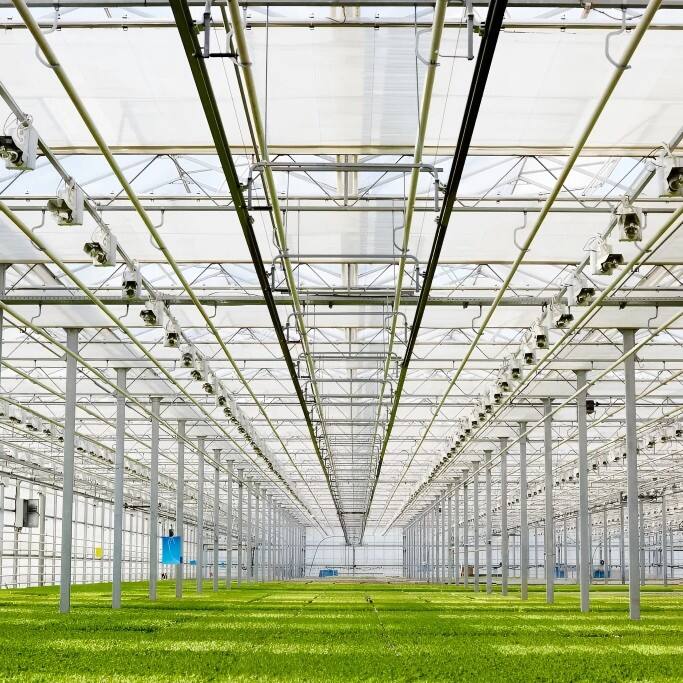
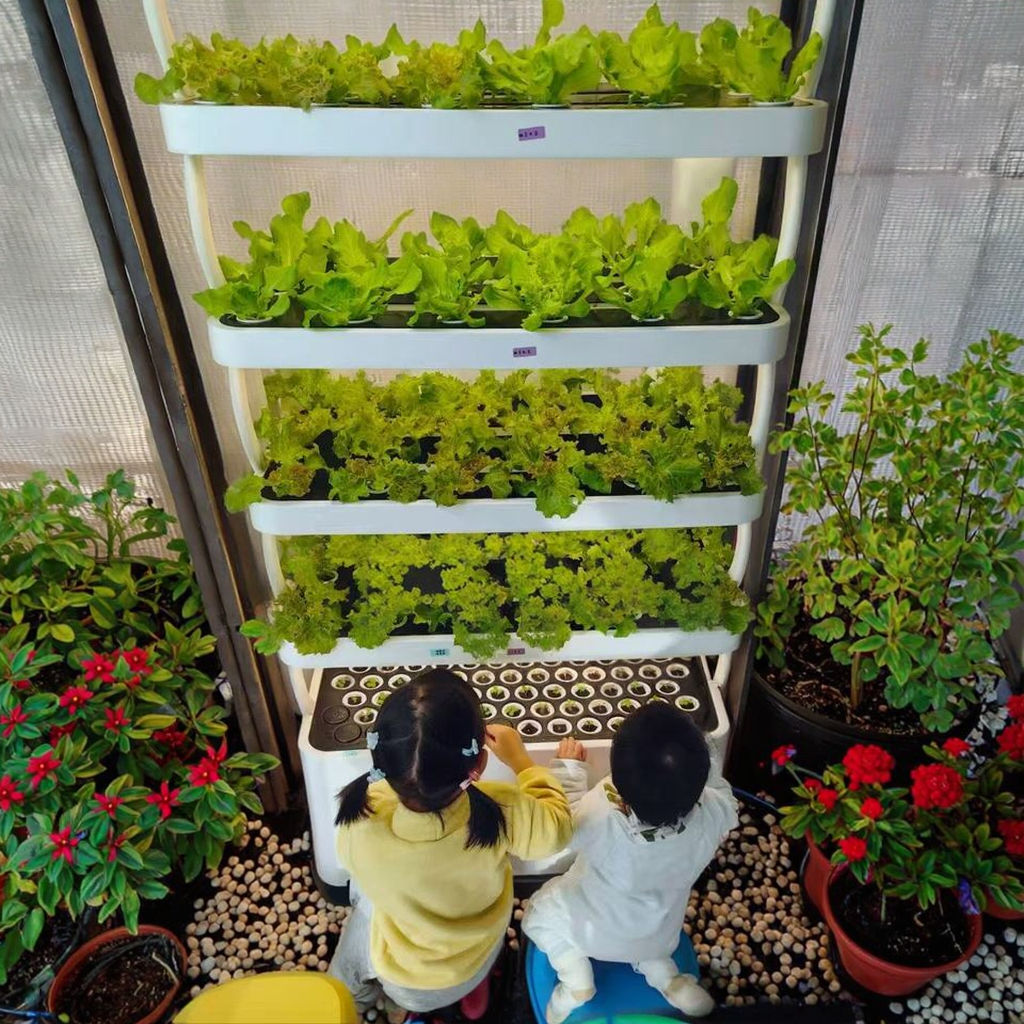
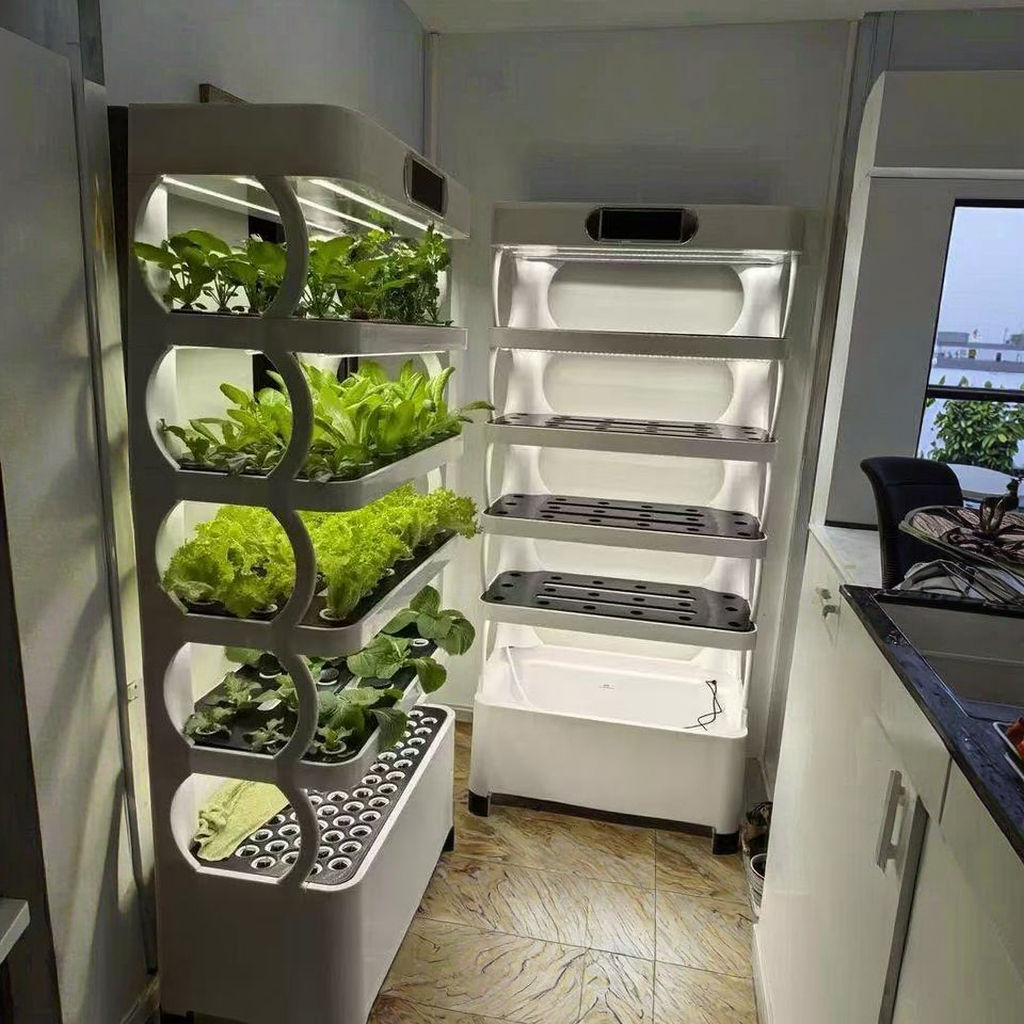
Vertical indoor gardening systems represent a revolutionary approach to modern agriculture that maximizes growing space while minimizing floor footprint. These innovative systems utilize vertical space by stacking growing platforms or towers to create multi-level cultivation environments suitable for homes, offices, and commercial facilities. The primary function of vertical indoor gardening systems involves supporting plant growth through controlled environmental conditions, including LED lighting, automated irrigation, and climate management. These systems incorporate advanced hydroponic or aeroponic technologies that deliver nutrients directly to plant roots without soil, ensuring optimal growth conditions year-round. The technological features of vertical indoor gardening systems include smart sensors that monitor temperature, humidity, pH levels, and nutrient concentrations. Many systems feature automated watering schedules, adjustable LED grow lights with full spectrum capabilities, and mobile app integration for remote monitoring and control. The modular design allows users to expand their growing capacity as needed, while energy-efficient components reduce operational costs. Applications for vertical indoor gardening systems span residential, commercial, and educational sectors. Home users utilize these systems to grow fresh herbs, leafy greens, and vegetables in kitchens, basements, or dedicated growing rooms. Restaurants and grocery stores implement larger vertical indoor gardening systems to provide fresh ingredients directly to customers. Schools and universities use these systems for educational purposes, teaching students about sustainable agriculture and plant biology. Urban farming operations deploy commercial-scale vertical indoor gardening systems to produce food in metropolitan areas where traditional farming space is limited. Healthcare facilities and senior living communities benefit from therapeutic gardening programs using these systems, while research institutions employ them for controlled plant studies and crop development experiments.
New Products

Vertical indoor gardening systems deliver exceptional space efficiency by growing more plants in smaller areas compared to traditional horizontal gardens. These systems maximize vertical space utilization, allowing users to cultivate up to ten times more plants per square foot than conventional growing methods. This space optimization proves particularly valuable in urban environments where real estate costs remain high and available growing space is limited. Users can transform unused vertical wall space, closets, or small rooms into productive growing areas that yield fresh produce throughout the year. The controlled environment capabilities of vertical indoor gardening systems eliminate weather dependencies and seasonal limitations that restrict traditional outdoor farming. Users maintain consistent growing conditions regardless of external climate, enabling continuous harvests even during winter months or in regions with harsh weather conditions. This climate independence ensures reliable food production and allows cultivation of plants that typically require specific environmental conditions not naturally available in the user's geographic location. Water conservation represents another significant advantage, as vertical indoor gardening systems use up to 95 percent less water than soil-based agriculture. The closed-loop hydroponic systems recirculate water and nutrients, preventing waste and reducing environmental impact. Automated irrigation delivers precise amounts of water directly to plant roots, eliminating runoff and ensuring optimal hydration without overwatering. Pesticide elimination enhances food safety and reduces exposure to harmful chemicals commonly used in commercial agriculture. The controlled indoor environment naturally prevents many pests and diseases, reducing the need for chemical interventions. Users can grow completely organic produce without concerns about pesticide residues, soil contamination, or environmental pollutants that affect outdoor crops. This chemical-free approach results in cleaner, healthier food for families and customers. Faster growth rates and higher yields characterize vertical indoor gardening systems due to optimized growing conditions. Plants receive consistent lighting, nutrition, and environmental conditions that accelerate development and increase productivity. Many crops mature 30 to 50 percent faster than traditional soil-grown plants, allowing multiple harvests per year and maximizing return on investment for commercial operations.

Tips And Tricks

Hydroponic Vertical Farming_ Empowering Legal Cultivation Markets Globally

09

Feb

Hydroponic Vertical Farming_ Empowering Legal Cultivation Markets Globally

View More
Planting Containers: Unlocking New Possibilities for Smart Agriculture, Creating Efficient and Movable Planting Spaces

11

Mar

Planting Containers: Unlocking New Possibilities for Smart Agriculture, Creating Efficient and Movable Planting Spaces

View More
Vertical Farming Machines, Greenhouse Cultivation & Hydroponics: Reshaping the Future of Agriculture

09

Feb

Vertical Farming Machines, Greenhouse Cultivation & Hydroponics: Reshaping the Future of Agriculture

View More

Get a Free Quote

Our representative will contact you soon.
Email
Name
Company Name
Message
0/1000

vertical indoor gardening systems

Smart Automation Technology Integration

Smart Automation Technology Integration

Modern vertical indoor gardening systems incorporate sophisticated automation technology that transforms traditional gardening into an effortless, high-tech experience. These systems feature integrated smart sensors that continuously monitor critical growing parameters including temperature, humidity, pH levels, electrical conductivity, and light intensity. The automation technology automatically adjusts environmental conditions to maintain optimal growing parameters for specific plant varieties, eliminating guesswork and human error from the cultivation process. Advanced vertical indoor gardening systems connect to mobile applications that provide real-time monitoring and remote control capabilities. Users can check their garden's status, receive alerts about maintenance needs, and adjust settings from anywhere using their smartphones or tablets. The app integration allows scheduling of lighting cycles, irrigation timing, and nutrient delivery to match specific plant requirements throughout different growth stages. Machine learning algorithms in premium vertical indoor gardening systems analyze growth patterns and environmental data to optimize growing conditions continuously. These intelligent systems learn from previous growing cycles to improve yields and reduce resource consumption automatically. The technology can predict maintenance needs, suggest optimal harvest timing, and recommend adjustments to maximize plant health and productivity. Automated nutrient dosing systems precisely deliver fertilizer solutions based on plant growth stages and species requirements. These systems eliminate the complexity of manual nutrient mixing and ensure consistent feeding schedules that promote healthy development. The automation reduces labor requirements significantly, making vertical indoor gardening systems practical for busy professionals and commercial operations alike. Safety features integrated into the automation technology include leak detection, electrical monitoring, and emergency shutdown protocols that protect both plants and users. These fail-safes prevent water damage, electrical hazards, and system malfunctions that could compromise growing cycles or create dangerous conditions in indoor environments.
Year-Round Fresh Produce Production

Year-Round Fresh Produce Production

Vertical indoor gardening systems enable consistent, year-round production of fresh herbs, vegetables, and leafy greens regardless of seasonal changes or geographic location. This capability transforms food security and availability for households and businesses by providing reliable access to nutritious produce throughout all seasons. Unlike traditional outdoor gardens that depend on favorable weather conditions and seasonal growing windows, vertical indoor gardening systems create controlled microclimates that support continuous cultivation. The climate-controlled environment within vertical indoor gardening systems allows users to grow tropical plants in cold climates, extend growing seasons indefinitely, and cultivate multiple crops simultaneously with different environmental requirements. LED grow lights provide full-spectrum illumination that mimics natural sunlight, ensuring plants receive optimal light conditions regardless of external weather or daylight hours. This lighting control enables faster growth cycles and higher yields compared to outdoor cultivation methods. Temperature and humidity controls maintain ideal growing conditions for specific plant varieties, preventing stress-related growth problems and disease issues common in variable outdoor environments. Users can adjust these parameters to create perfect conditions for germination, vegetative growth, and fruiting phases of different crops. The enclosed system protects plants from extreme temperatures, storms, frost, and other weather events that commonly destroy outdoor gardens. Fresh produce availability becomes predictable and reliable, allowing households to reduce grocery expenses and businesses to guarantee fresh ingredients for customers. Restaurants benefit from having fresh herbs and microgreens available on-demand, while families enjoy harvesting salads, herbs, and vegetables whenever needed. The shortened supply chain from garden to table ensures maximum nutritional value and flavor since plants can be harvested at peak ripeness rather than picked early for shipping. Multiple growing zones within larger vertical indoor gardening systems allow cultivation of various crops with different maturation schedules, ensuring continuous harvests rather than single large harvests followed by gaps in production.
Minimal Maintenance Requirements

Minimal Maintenance Requirements

Vertical indoor gardening systems offer remarkably low maintenance requirements compared to traditional soil-based gardens, making fresh food production accessible to busy individuals and those without extensive gardening experience. The soilless growing methods eliminate common maintenance tasks such as weeding, tilling, pest control, and soil amendment that typically consume significant time and effort in conventional gardening. Automated systems handle most daily care requirements, including watering schedules, nutrient delivery, and lighting cycles, reducing hands-on maintenance to simple weekly tasks. The enclosed growing environment of vertical indoor gardening systems prevents weed growth entirely, eliminating the need for regular weeding sessions that plague outdoor gardens. Without soil, there are no concerns about soil compaction, drainage problems, or soil-borne diseases that require ongoing attention and treatment. The controlled environment also minimizes pest issues, reducing the need for constant monitoring and intervention to protect crops from insects and other garden pests. Hydroponic and aeroponic growing methods used in vertical indoor gardening systems provide plants with precisely measured nutrients through water solutions, eliminating the guesswork involved in soil fertilization. Users simply follow straightforward feeding schedules and replace nutrient solutions periodically rather than testing soil conditions and applying various amendments throughout the growing season. The systems' water reservoirs typically require refilling only once or twice per week, depending on system size and plant water consumption. Cleaning and maintenance procedures for vertical indoor gardening systems involve simple tasks such as wiping down surfaces, checking water levels, and occasionally cleaning filters or pumps. Most systems include maintenance reminders and troubleshooting guides that help users identify and resolve minor issues quickly. The modular design of many vertical indoor gardening systems allows easy access to all components for cleaning and maintenance without disrupting plant growth. Plant care becomes simplified through standardized growing procedures that work consistently across different crops, eliminating the need to learn complex soil management techniques or plant-specific cultivation methods required for traditional gardening success.

Get a Free Quote

Our representative will contact you soon.
Email
Name
Company Name
Message
0/1000