Vertical Tower Farming: Revolutionary Space-Efficient Agriculture Technology for Modern Growers

Get a Free Quote

Our representative will contact you soon.
Email
Name
Company Name
Message
0/1000

vertical tower farming

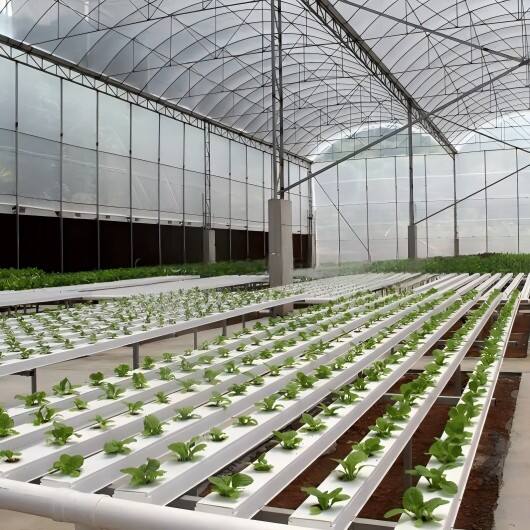
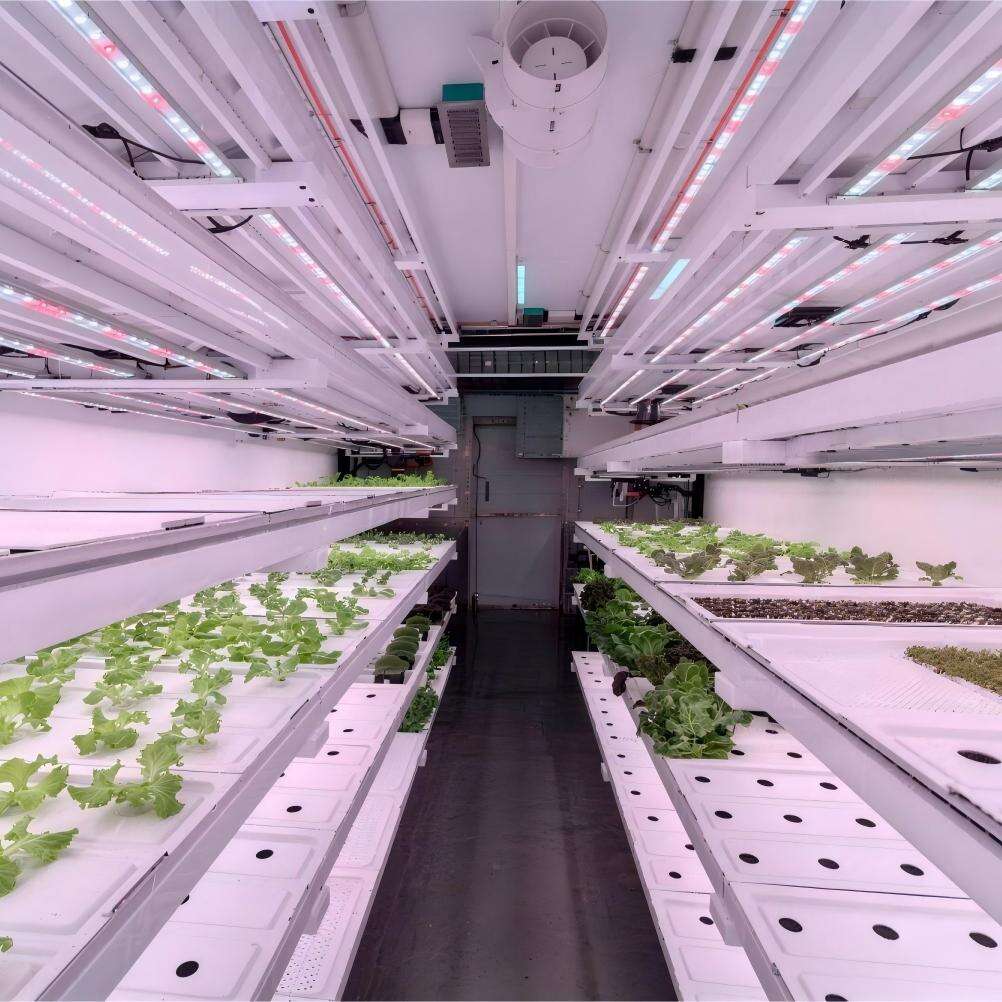
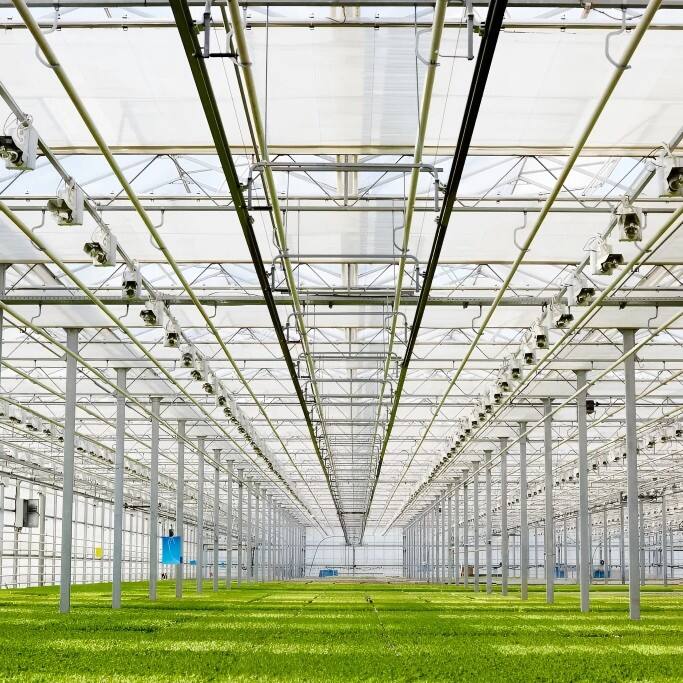
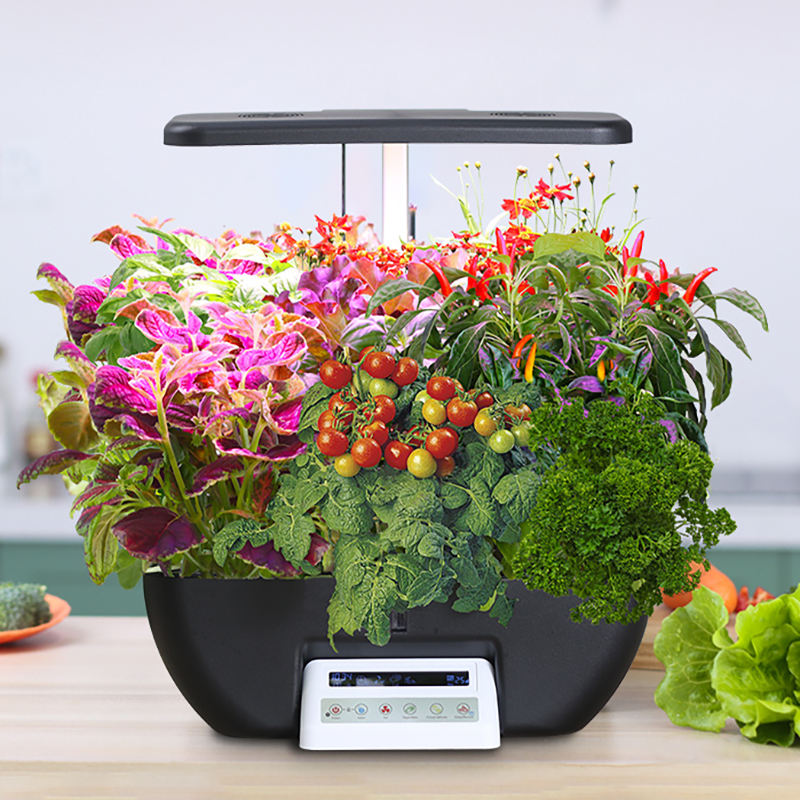
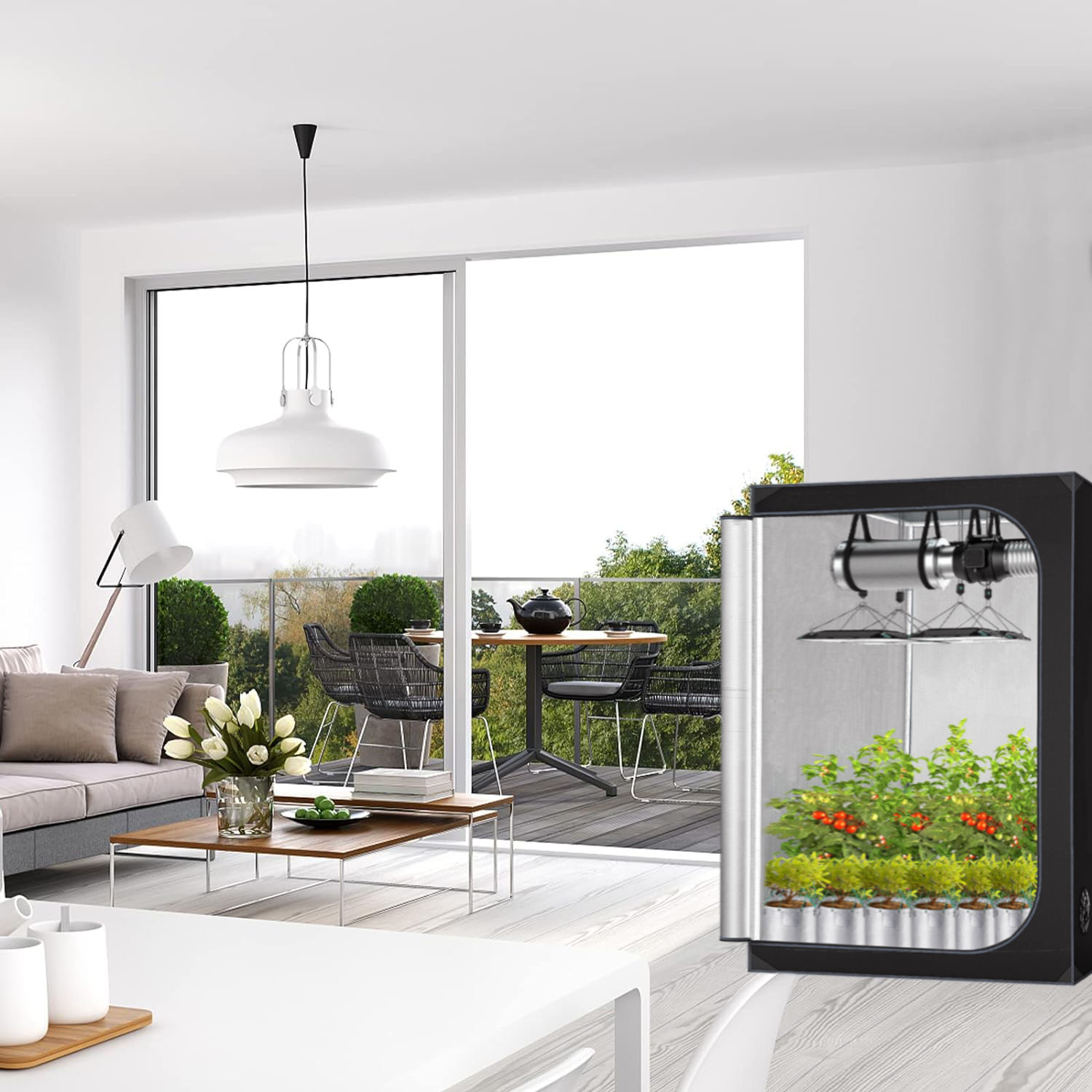
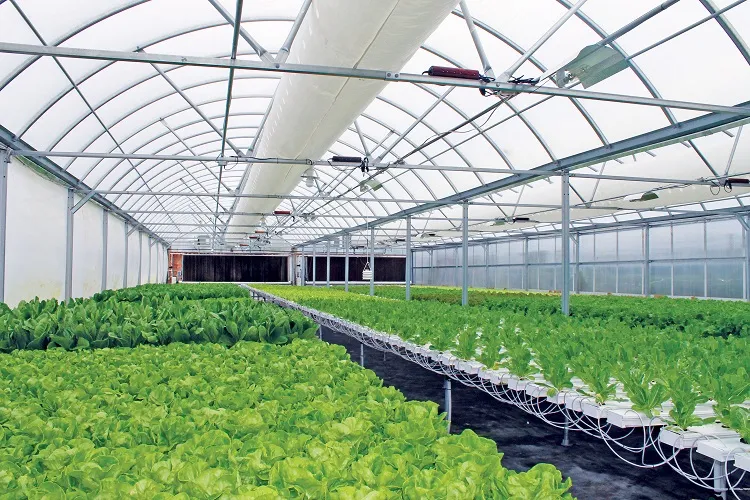
Vertical tower farming represents a revolutionary approach to agriculture that maximizes growing space through innovative upward construction. This cutting-edge system utilizes specially designed towers that support multiple growing levels, allowing farmers to cultivate crops in a compact footprint while dramatically increasing yield potential. The core functionality of vertical tower farming revolves around creating optimal growing conditions at each level, with precise control over nutrients, water distribution, and environmental factors. These towers typically incorporate hydroponic or aeroponic systems, eliminating the need for traditional soil-based cultivation. The technological framework includes automated irrigation networks, LED lighting systems calibrated for specific plant growth phases, and climate control mechanisms that maintain ideal temperature and humidity levels. Each tower level operates independently, enabling farmers to grow different crop varieties simultaneously or focus on single crops with specialized requirements. The modular design allows for easy expansion and customization based on specific agricultural goals. Advanced monitoring systems track plant health, nutrient levels, and growth progression through integrated sensors and data analytics platforms. Water recirculation systems minimize waste while ensuring consistent moisture delivery to all growing levels. The vertical structure protects crops from weather extremes, pests, and diseases that commonly affect traditional farming operations. Applications span from commercial agriculture operations seeking higher productivity to urban farming initiatives where land availability is limited. Educational institutions utilize vertical tower farming for research and teaching sustainable agriculture practices. Small-scale farmers adopt this technology to diversify crop production while reducing land requirements. Indoor farming facilities integrate these towers to create year-round growing environments independent of seasonal variations. The technology supports both leafy greens and fruiting plants, though optimal results vary by crop type and tower configuration.

New Product Releases

Vertical tower farming delivers exceptional space efficiency that transforms how growers approach cultivation. Traditional farming spreads crops horizontally across large areas, but vertical tower farming stacks growing levels upward, multiplying production capacity within the same ground footprint. This approach allows farmers to produce significantly more crops per square foot compared to conventional methods. Urban farmers particularly benefit from this space optimization, as they can establish productive farms in warehouses, rooftops, or other confined spaces where traditional agriculture would be impossible. The controlled environment within vertical tower farming systems ensures consistent crop quality throughout the year. Unlike outdoor farming, which depends on unpredictable weather patterns, these towers maintain stable growing conditions regardless of external climate variations. Farmers can schedule multiple harvests annually, creating steady income streams and meeting market demands reliably. Water usage becomes remarkably efficient through recirculating hydroponic systems that capture and reuse irrigation water. This closed-loop approach reduces water consumption by up to 95 percent compared to traditional farming methods, making it ideal for regions facing water scarcity. Pesticide requirements decrease dramatically since the controlled environment naturally prevents most pest infestations and diseases that plague outdoor crops. This reduction creates cleaner, healthier produce while lowering operating costs associated with chemical treatments. Labor efficiency improves as workers can tend to multiple growing levels without extensive travel across large fields. The ergonomic design reduces physical strain on farm workers, while centralized systems simplify monitoring and maintenance tasks. Crop yields increase substantially due to optimized growing conditions, precise nutrient delivery, and protection from environmental stresses. Many vertical tower farming operations report yield increases of 300-400 percent compared to traditional farming methods. Energy costs remain manageable through efficient LED lighting systems and smart automation that operates equipment only when necessary. The technology enables year-round production cycles, eliminating seasonal limitations that restrict traditional farming schedules.

Latest News

Hydroponic Vertical Farming_ Empowering Legal Cultivation Markets Globally

09

Feb

Hydroponic Vertical Farming_ Empowering Legal Cultivation Markets Globally

View More
Planting Containers: Unlocking New Possibilities for Smart Agriculture, Creating Efficient and Movable Planting Spaces

11

Mar

Planting Containers: Unlocking New Possibilities for Smart Agriculture, Creating Efficient and Movable Planting Spaces

View More
Vertical Farming Machines, Greenhouse Cultivation & Hydroponics: Reshaping the Future of Agriculture

09

Feb

Vertical Farming Machines, Greenhouse Cultivation & Hydroponics: Reshaping the Future of Agriculture

View More

Get a Free Quote

Our representative will contact you soon.
Email
Name
Company Name
Message
0/1000

vertical tower farming

Maximum Space Utilization Through Vertical Growing Technology

Maximum Space Utilization Through Vertical Growing Technology

Vertical tower farming revolutionizes agricultural space management by utilizing innovative vertical growing structures that maximize crop production within minimal ground footprints. This technology addresses one of agriculture's most pressing challenges: the increasing demand for food production amid shrinking available farmland. The vertical design allows farmers to create multiple growing levels within a single tower structure, effectively multiplying their cultivation capacity without expanding horizontally. Each level operates as an independent growing zone, complete with customized lighting, irrigation, and nutrient delivery systems tailored to specific crop requirements. The modular construction enables farmers to expand their operations vertically rather than acquiring additional land, making it particularly valuable in urban environments where real estate costs are prohibitive. Commercial growers can establish highly productive farms in warehouses, converting underutilized urban spaces into thriving agricultural centers. The compact design fits seamlessly into existing infrastructure, requiring minimal modifications to buildings or locations. Farmers can cultivate diverse crop varieties simultaneously across different tower levels, creating varied product portfolios that meet multiple market demands. The vertical approach also facilitates easier crop rotation and succession planting, as individual levels can be harvested and replanted independently. This flexibility allows for continuous production cycles that maintain steady harvests throughout the year. The tower structure naturally creates microclimates at each level, enabling precise environmental control that optimizes plant growth conditions. Advanced vertical tower farming systems incorporate smart technology that monitors and adjusts growing parameters automatically, ensuring optimal conditions for each crop variety. The space-saving benefits extend beyond mere square footage considerations, as the vertical design also reduces the infrastructure requirements typically associated with large-scale farming operations, including reduced need for extensive irrigation networks, pest control systems, and equipment storage facilities.
Superior Environmental Control and Year-Round Production Capability

Superior Environmental Control and Year-Round Production Capability

The environmental control capabilities of vertical tower farming systems provide unprecedented precision in managing growing conditions, delivering consistent harvests regardless of external weather patterns or seasonal variations. These controlled environments create optimal growing conditions through integrated climate management systems that regulate temperature, humidity, air circulation, and lighting with remarkable accuracy. LED lighting systems replace natural sunlight, providing plants with precisely calibrated light spectrums that promote specific growth phases, from germination through fruiting. The artificial lighting eliminates dependence on sunlight hours and seasonal variations, enabling continuous crop production throughout the year. Advanced environmental sensors continuously monitor growing conditions, automatically adjusting parameters to maintain ideal ranges for plant development. This level of control prevents the crop losses commonly associated with extreme weather events, pest infestations, and diseases that frequently impact traditional outdoor farming operations. The enclosed environment acts as a protective barrier against external contaminants, reducing the need for pesticides and creating cleaner, safer produce for consumers. Air filtration systems ensure that plants receive clean, pathogen-free air circulation, further minimizing disease risks that can devastate crops in traditional farming settings. Water quality remains consistent through closed-loop hydroponic systems that filter and recycle irrigation water, preventing contamination issues that sometimes affect crops grown with traditional irrigation methods. The controlled environment enables farmers to extend growing seasons indefinitely, producing multiple harvests annually from crops that would typically yield only once or twice per year in outdoor conditions. Temperature regulation systems prevent heat stress during summer months and frost damage during winter periods, maintaining optimal growing temperatures year-round. This environmental stability allows farmers to make reliable production commitments to buyers, knowing that weather-related crop failures will not disrupt supply schedules.
Enhanced Resource Efficiency and Sustainable Growing Practices

Enhanced Resource Efficiency and Sustainable Growing Practices

Vertical tower farming systems demonstrate exceptional resource efficiency through advanced water management, energy optimization, and nutrient utilization technologies that significantly reduce environmental impact while maximizing crop production. The hydroponic and aeroponic systems employed in these towers use up to 95 percent less water than traditional farming methods by capturing, filtering, and recirculating irrigation water through closed-loop systems. This water efficiency makes vertical tower farming particularly valuable in drought-prone regions or areas with limited water resources, enabling sustainable food production where conventional agriculture would be impractical. Nutrient delivery systems provide precise fertilizer application directly to plant root zones, eliminating the waste and runoff associated with traditional fertilizer broadcasting methods. The targeted nutrient approach ensures plants receive optimal nutrition while preventing excess fertilizers from contaminating groundwater or surrounding ecosystems. Energy efficiency improvements come through LED lighting systems that consume significantly less electricity than traditional grow lights while providing superior light quality for plant growth. Smart automation systems operate equipment only when necessary, reducing overall energy consumption through intelligent scheduling and sensor-based controls. The elimination of pesticide requirements in controlled environments reduces chemical inputs and creates safer working conditions for farm operators while producing cleaner food products for consumers. Waste reduction occurs naturally as the controlled environment prevents crop losses from weather damage, pests, and diseases that commonly affect outdoor farming operations. The year-round growing capability maximizes the productive use of infrastructure investments, generating higher returns per dollar invested compared to seasonal farming operations. Carbon footprint reduction results from decreased transportation needs when vertical tower farming facilities operate near urban population centers, reducing the distance food travels from farm to consumer. The sustainable practices inherent in vertical tower farming systems support long-term agricultural viability while addressing environmental concerns associated with conventional farming methods.

Get a Free Quote

Our representative will contact you soon.
Email
Name
Company Name
Message
0/1000