Vertical Growing Systems - Advanced Indoor Farming Solutions for Maximum Yield

Get a Free Quote

Our representative will contact you soon.
Email
Name
Company Name
Message
0/1000

vertical growing systems

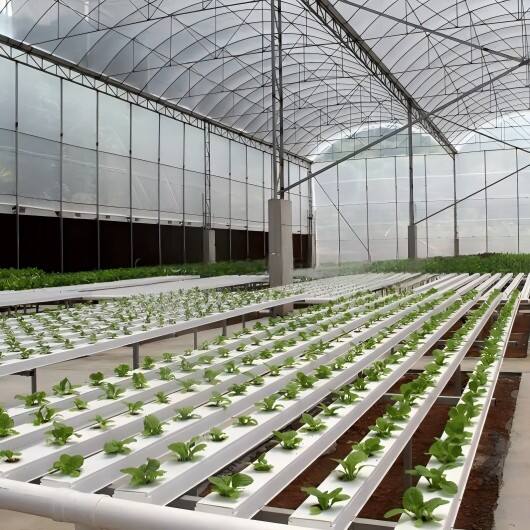
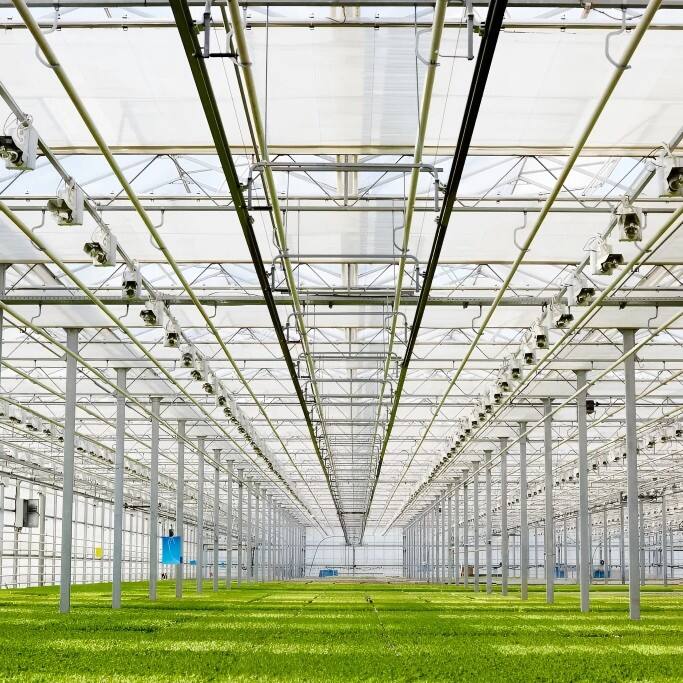
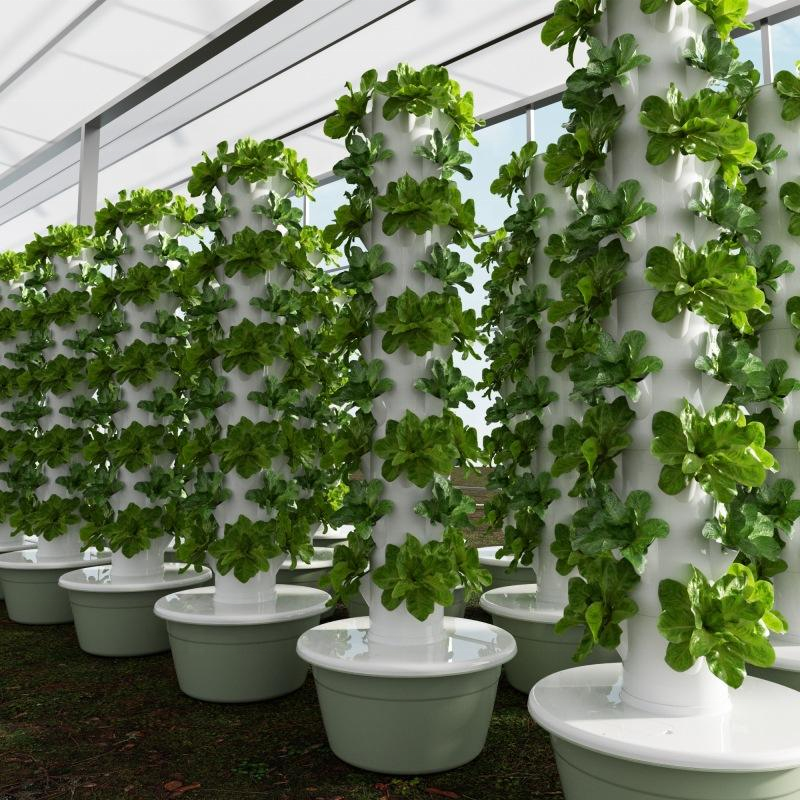
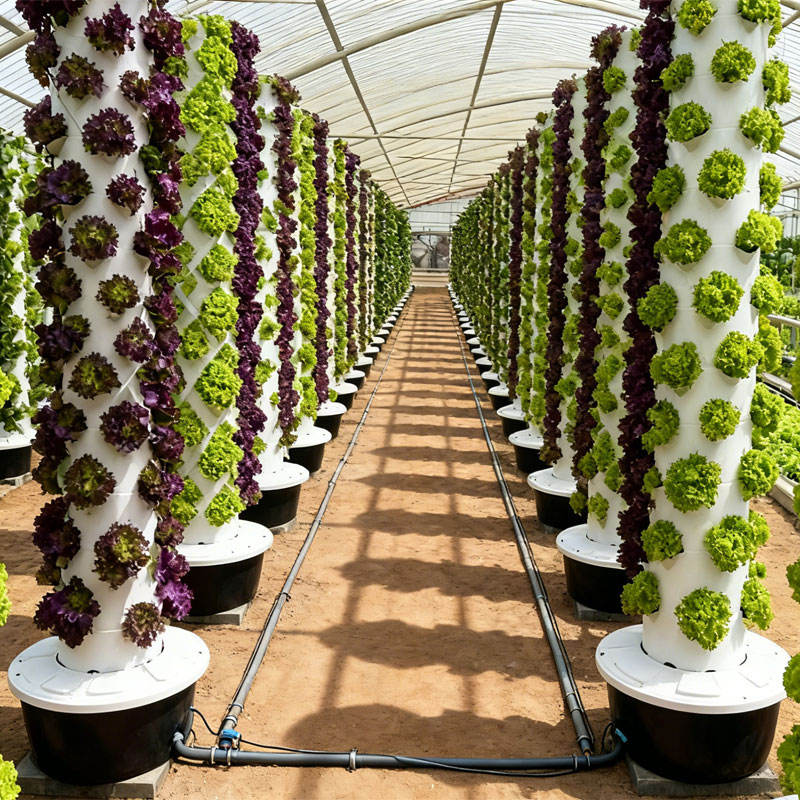
Vertical growing systems represent a revolutionary approach to modern agriculture that maximizes crop production within minimal floor space by utilizing vertical structures and controlled environments. These innovative agricultural solutions stack growing layers vertically, creating multi-tiered cultivation environments that can produce significantly more food per square foot compared to traditional farming methods. The core functionality of vertical growing systems centers on optimizing plant growth through precise environmental controls, including LED lighting, nutrient delivery, temperature regulation, and humidity management. These systems incorporate advanced hydroponic or aeroponic technologies that eliminate the need for soil, instead delivering nutrients directly to plant roots through carefully balanced water solutions. The technological infrastructure includes automated irrigation systems, climate control mechanisms, and sophisticated monitoring equipment that tracks plant health and environmental conditions in real-time. LED grow lights provide full-spectrum illumination tailored to specific plant requirements, ensuring optimal photosynthesis regardless of external weather conditions or seasonal variations. The modular design of vertical growing systems allows for scalable implementation, accommodating everything from small residential units to large commercial operations. Applications span across urban farming initiatives, commercial food production, research facilities, and educational institutions seeking sustainable agriculture solutions. These systems excel in producing leafy greens, herbs, strawberries, and various vegetables with consistent quality year-round. The controlled environment eliminates weather-related crop failures while reducing water consumption through recirculating systems. Integration with smart technology enables remote monitoring and automated adjustments, making vertical growing systems accessible to operators with varying levels of agricultural expertise. This technology addresses critical challenges including urbanization, climate change, and food security by bringing fresh produce production closer to consumers while reducing transportation costs and environmental impact associated with traditional farming practices.

New Product Releases

Vertical growing systems deliver exceptional space efficiency by producing up to 390 times more crops per square foot than conventional farming methods, making them ideal for urban environments where land is scarce and expensive. These systems enable year-round production regardless of weather conditions, climate, or seasonal limitations, ensuring consistent harvests and reliable food supply chains for businesses and communities. Water conservation represents a major benefit, as vertical growing systems use up to 95 percent less water than traditional agriculture through recirculating hydroponic systems that capture and reuse nutrient solutions. The controlled environment eliminates the need for pesticides and herbicides, producing cleaner, healthier crops while reducing chemical runoff that can harm surrounding ecosystems. Labor costs decrease significantly due to ergonomic design features that position plants at comfortable working heights, reducing physical strain and increasing harvesting efficiency. Energy efficiency improvements come from LED lighting systems that consume less electricity while providing optimal light spectrums specifically tuned for plant growth phases. Transportation costs plummet when vertical growing systems operate near urban centers, delivering fresh produce directly to local markets without lengthy shipping processes that degrade nutritional value. Quality control becomes more manageable in enclosed systems where growers can monitor and adjust every environmental parameter, resulting in consistently superior produce with extended shelf life. Risk mitigation occurs naturally as vertical growing systems protect crops from weather disasters, pests, and diseases that commonly affect outdoor farming operations. The modular nature allows businesses to start small and expand gradually based on demand and financial capacity, reducing initial investment risks. Faster growth cycles emerge from optimized conditions, enabling multiple harvests per year for many crops compared to single annual harvests in traditional farming. Economic returns improve through premium pricing for locally grown, pesticide-free produce combined with reduced operational costs and higher yields per investment dollar.

Tips And Tricks

Hydroponic Vertical Farming_ Empowering Legal Cultivation Markets Globally

09

Feb

Hydroponic Vertical Farming_ Empowering Legal Cultivation Markets Globally

View More
Planting Containers: Unlocking New Possibilities for Smart Agriculture, Creating Efficient and Movable Planting Spaces

11

Mar

Planting Containers: Unlocking New Possibilities for Smart Agriculture, Creating Efficient and Movable Planting Spaces

View More
Vertical Farming Machines, Greenhouse Cultivation & Hydroponics: Reshaping the Future of Agriculture

09

Feb

Vertical Farming Machines, Greenhouse Cultivation & Hydroponics: Reshaping the Future of Agriculture

View More

Get a Free Quote

Our representative will contact you soon.
Email
Name
Company Name
Message
0/1000

vertical growing systems

Advanced LED Technology and Energy Optimization

Advanced LED Technology and Energy Optimization

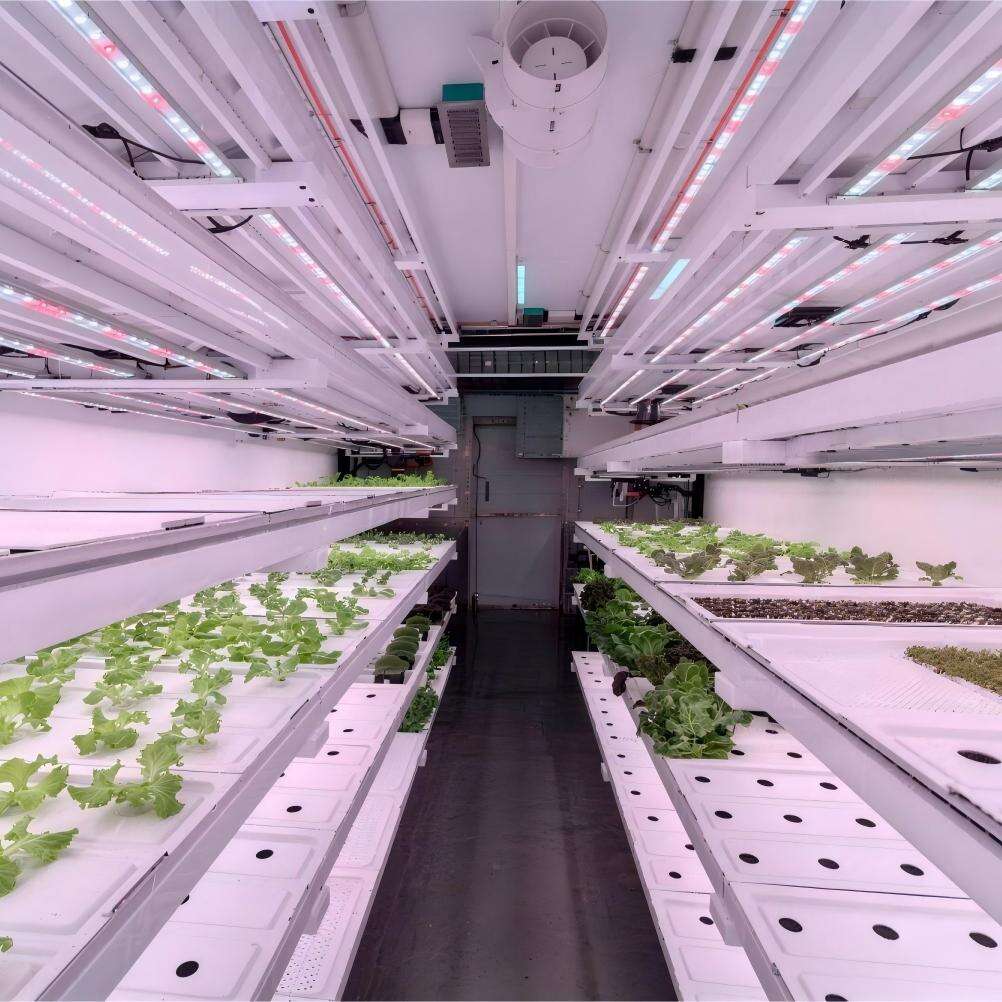
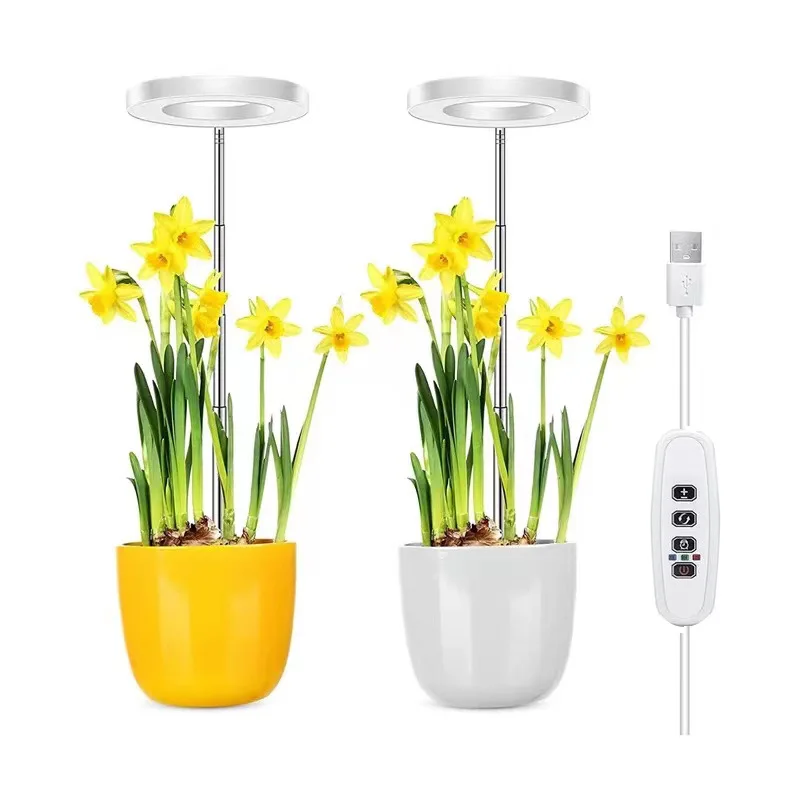
Vertical growing systems incorporate cutting-edge LED lighting technology that revolutionizes how plants receive energy for photosynthesis, creating unprecedented control over crop development and quality. These sophisticated lighting arrays utilize full-spectrum LEDs that can be precisely tuned to emit specific wavelengths optimized for different growth stages, from seedling development through flowering and fruiting phases. The energy efficiency of modern LED systems consumes approximately 60 percent less electricity than traditional high-pressure sodium or fluorescent grow lights while producing significantly better growing results. Advanced vertical growing systems feature programmable lighting schedules that automatically adjust intensity, duration, and spectral composition based on plant species requirements and growth objectives. This technological precision enables growers to manipulate plant characteristics such as flavor profiles, nutritional density, and growth rates through strategic light management protocols. The heat output from LED fixtures remains minimal compared to conventional grow lights, reducing cooling costs and creating more stable temperature environments that benefit plant health. Smart sensors integrated within vertical growing systems monitor light distribution and automatically compensate for any variations in coverage, ensuring uniform plant development across all growing levels. The longevity of LED components typically exceeds 50,000 operating hours, dramatically reducing maintenance requirements and replacement costs compared to traditional lighting systems. Energy management features include dimming capabilities and zone-specific controls that allow operators to customize lighting conditions for different crop varieties grown simultaneously within the same vertical growing system. These technological advantages translate into measurable economic benefits through reduced utility bills, lower maintenance expenses, and improved crop yields that justify the initial investment in premium LED technology.
Space Maximization and Modular Scalability

Space Maximization and Modular Scalability

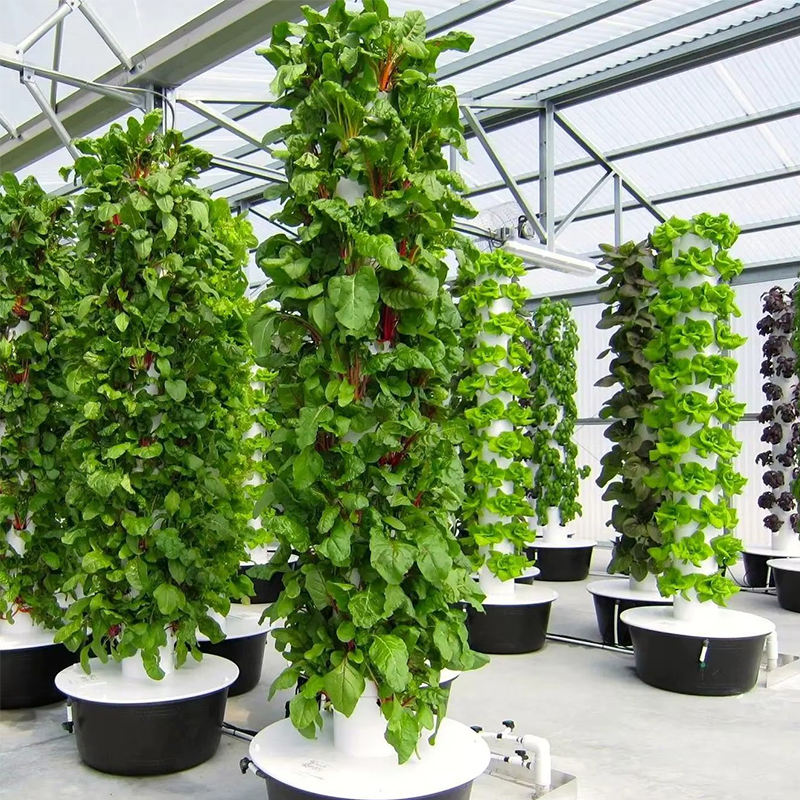
Vertical growing systems excel at transforming limited spaces into highly productive agricultural facilities through innovative vertical architecture that multiplies growing capacity without expanding the physical footprint. These systems typically feature multiple growing levels stacked vertically, often reaching heights of 8 to 12 feet while occupying floor space equivalent to a small office or storage room, yet producing harvest volumes comparable to traditional farms spanning several acres. The modular design philosophy allows businesses and organizations to begin with smaller configurations and systematically expand by adding additional towers, levels, or complete growing units as demand increases and budgets allow. This scalability feature makes vertical growing systems particularly attractive to entrepreneurs, restaurants, schools, and urban developers who need flexible agricultural solutions that can adapt to changing requirements over time. Each growing module operates independently while sharing common infrastructure elements such as climate control, water circulation, and monitoring systems, creating operational efficiencies that reduce per-unit production costs as facilities expand. The compact design enables installation in unconventional spaces including basements, warehouses, shipping containers, rooftops, and even unused corners of existing buildings, maximizing real estate utilization in expensive urban markets. Vertical growing systems can be configured in various arrangements including tower gardens, wall-mounted panels, or multi-tier shelving systems depending on available space dimensions and aesthetic preferences. The standardized components simplify maintenance procedures and enable operators to quickly relocate or reconfigure growing modules as operational needs evolve. Integration capabilities allow multiple vertical growing systems to connect through shared control interfaces and resource distribution networks, creating larger production facilities while maintaining modular flexibility. This approach to space optimization addresses critical urban agriculture challenges by making fresh food production viable in densely populated areas where traditional farming would be impossible or prohibitively expensive.
Automated Controls and Smart Monitoring Technology

Automated Controls and Smart Monitoring Technology

Vertical growing systems integrate sophisticated automation and monitoring technologies that minimize manual labor requirements while maximizing crop quality and consistency through precise environmental management and data-driven decision making. These intelligent systems continuously monitor crucial parameters including temperature, humidity, pH levels, nutrient concentrations, and light exposure, automatically making adjustments to maintain optimal growing conditions 24 hours per day. Advanced sensors throughout vertical growing systems collect real-time data on plant health indicators, growth rates, and environmental conditions, transmitting this information to cloud-based platforms accessible through smartphones, tablets, or computer interfaces from anywhere with internet connectivity. Automated nutrient delivery systems precisely calculate and dispense fertilizer solutions based on plant species requirements, growth stages, and current environmental conditions, eliminating guesswork and reducing the risk of over-fertilization or nutrient deficiencies that can damage crops. Climate control automation maintains temperature and humidity within narrow ranges ideal for specific plant varieties, using predictive algorithms that anticipate environmental changes and proactively adjust heating, cooling, and ventilation systems. The irrigation automation features include scheduled watering cycles, moisture level monitoring, and leak detection systems that prevent water waste while ensuring plants receive consistent hydration throughout their growth cycles. Smart alerts notify operators of any system anomalies, maintenance requirements, or harvest-ready conditions through mobile notifications, enabling prompt responses that protect crop investments and maintain production schedules. Machine learning capabilities built into advanced vertical growing systems analyze historical performance data to optimize growing protocols, predict potential issues before they occur, and recommend improvements that increase yields and reduce operational costs. Remote management capabilities allow agricultural professionals to oversee multiple vertical growing systems from centralized locations, making it feasible to operate commercial-scale production facilities with minimal on-site staffing requirements. These automation features democratize advanced agriculture by making professional-grade growing techniques accessible to operators without extensive farming backgrounds while ensuring consistent results that meet commercial quality standards.
Get a Free Quote

Our representative will contact you soon.
Email
Name
Company Name
Message
0/1000