Revolutionary Vertical Grow Systems - Advanced Indoor Agriculture Solutions for Maximum Yield

Get a Free Quote

Our representative will contact you soon.
Email
Name
Company Name
Message
0/1000

vertical grow

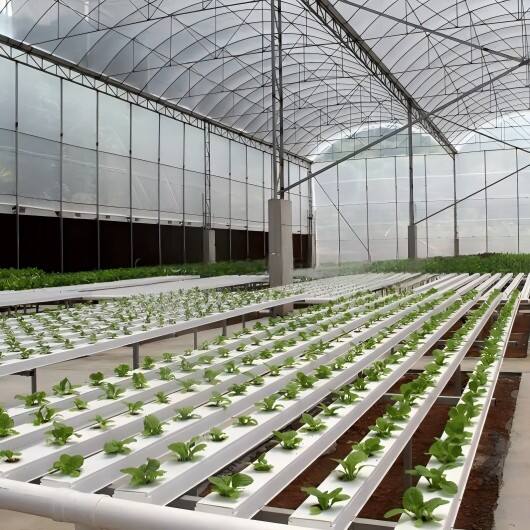
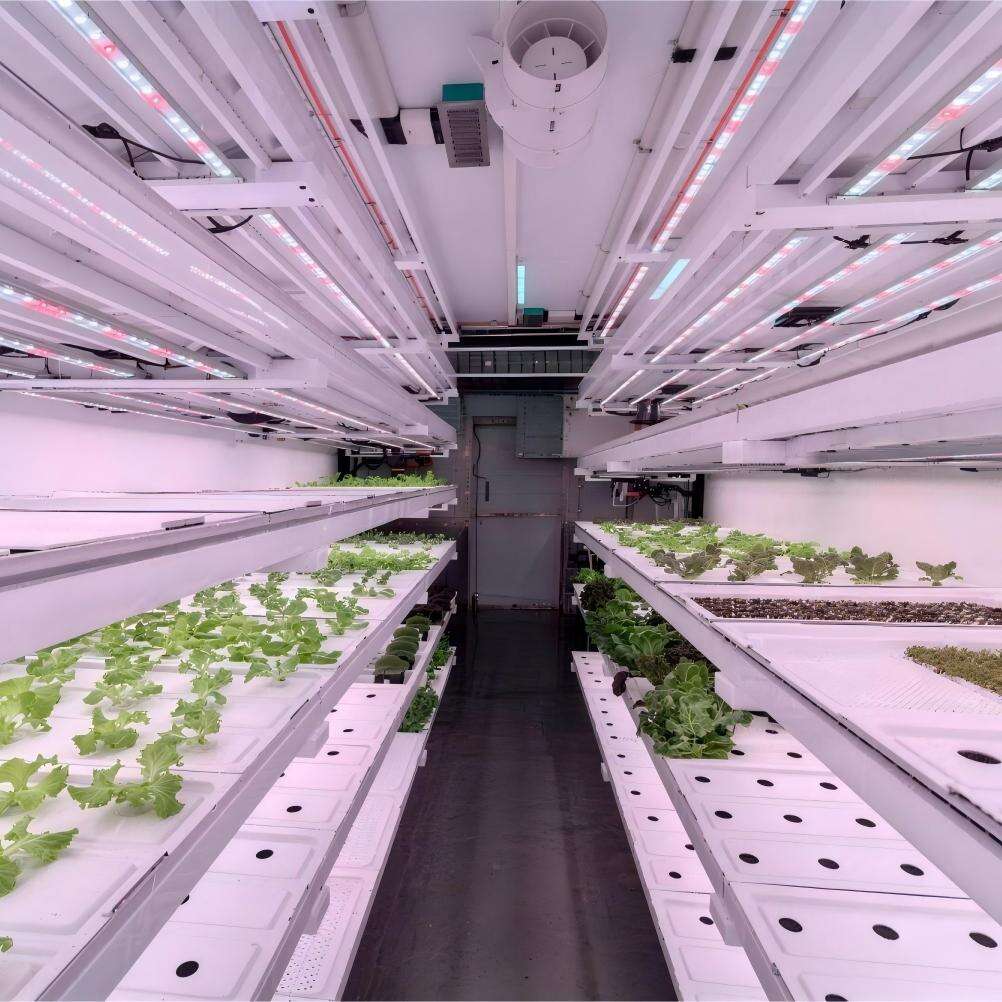
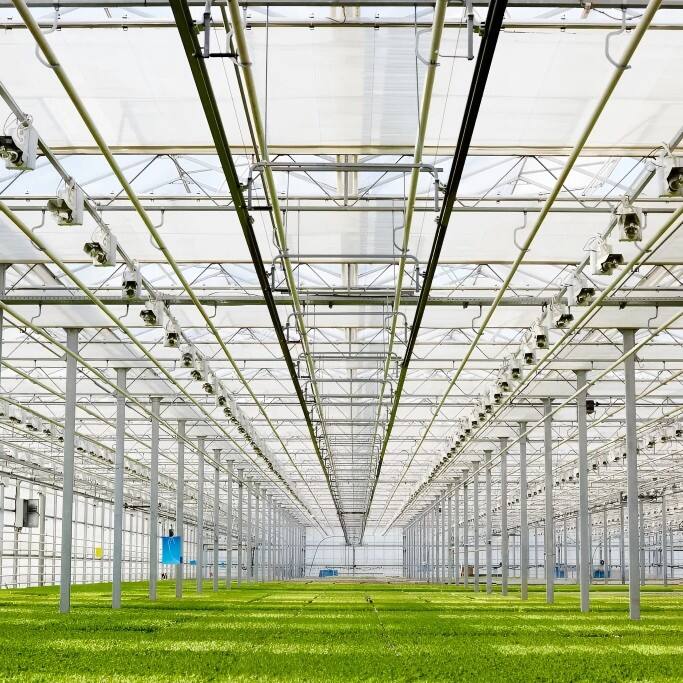
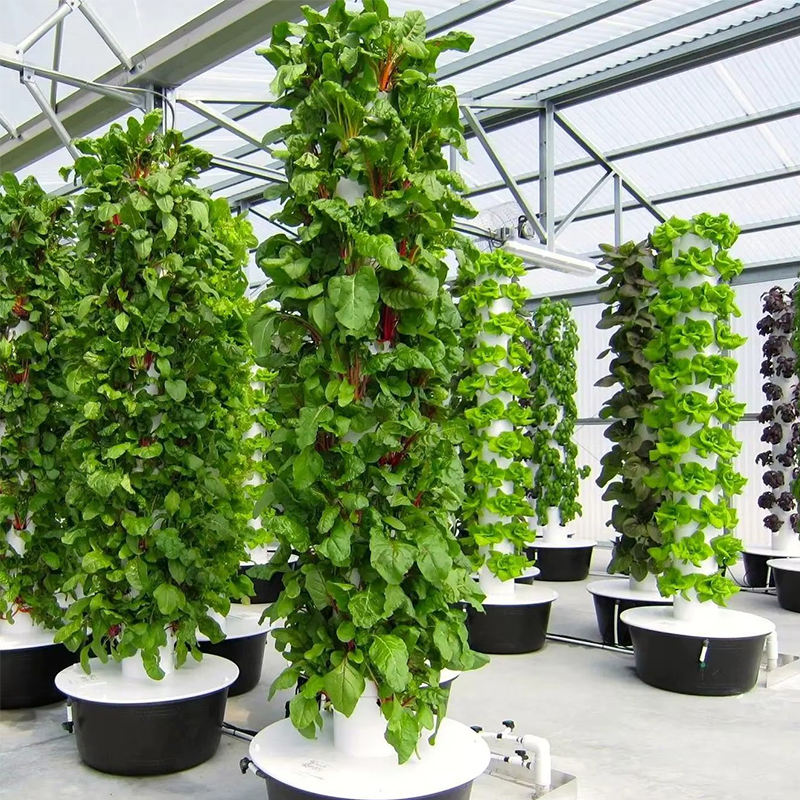
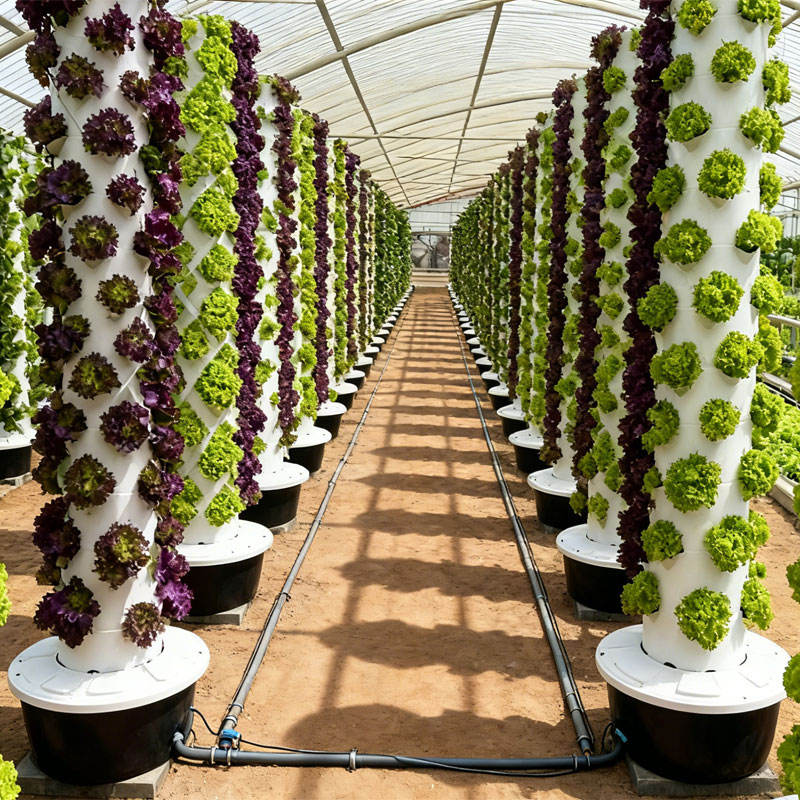
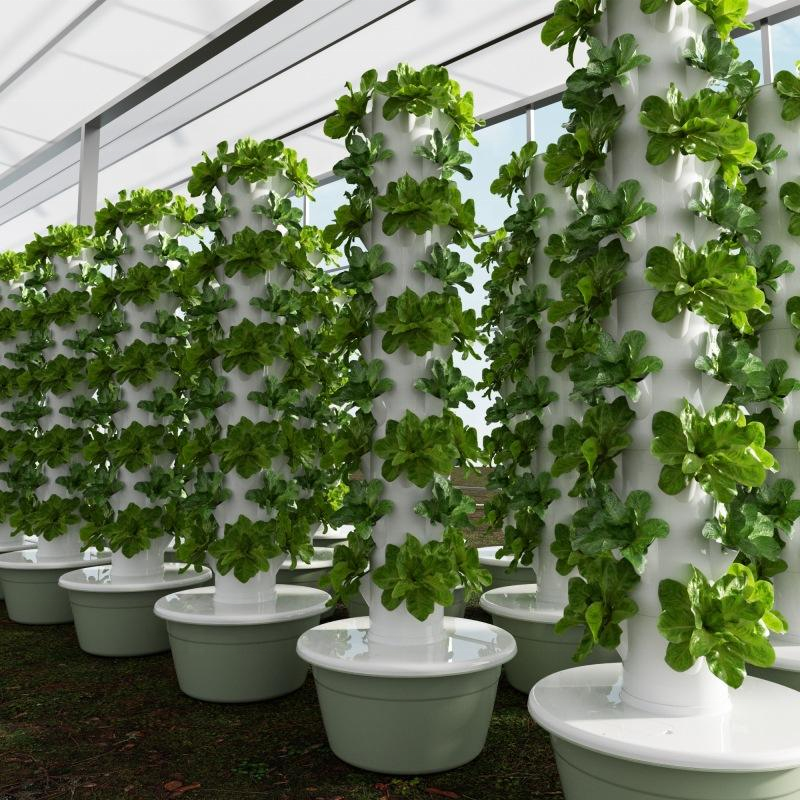
Vertical grow systems represent a revolutionary approach to modern agriculture that maximizes crop production within minimal floor space by utilizing vertical tower structures and advanced hydroponic technology. These innovative farming solutions stack multiple growing levels vertically, creating a three-dimensional cultivation environment that can produce significantly more crops per square foot compared to traditional horizontal farming methods. The vertical grow system integrates sophisticated irrigation networks, LED lighting arrays, and climate control mechanisms to create optimal growing conditions for a wide variety of plants including leafy greens, herbs, strawberries, and vine crops. The core functionality revolves around nutrient-rich water circulation that delivers precise amounts of minerals and vitamins directly to plant roots through carefully designed channels and drip systems. Advanced sensors monitor pH levels, nutrient concentrations, temperature, and humidity to maintain perfect growing conditions throughout each vertical tower. The technological features include automated nutrient dosing systems that adjust feeding schedules based on plant growth stages, programmable LED lighting that mimics natural sunlight patterns while optimizing energy consumption, and integrated pest management systems that reduce the need for chemical interventions. These vertical grow installations find applications across diverse sectors including commercial agriculture operations, urban farming initiatives, restaurant chains seeking fresh produce, educational institutions teaching sustainable agriculture, and residential settings where homeowners want year-round fresh vegetables. The modular design allows for scalable installations that can expand based on production needs, while the soilless growing medium eliminates concerns about soil-borne diseases and reduces water usage by up to 95 percent compared to conventional farming. The vertical grow system transforms unused indoor spaces into productive agricultural environments, making it possible to grow fresh produce in urban warehouses, basement facilities, rooftops, and even shipping containers.
Popular Products

The vertical grow system delivers exceptional space efficiency that allows farmers and growers to produce up to ten times more crops in the same footprint compared to traditional ground-based agriculture. This remarkable productivity increase stems from the ability to stack multiple growing levels within a single vertical structure, effectively multiplying the available growing surface area without requiring additional land. The system eliminates dependency on weather conditions and seasonal limitations, enabling year-round production cycles that guarantee consistent harvests regardless of external climate factors. Farmers can schedule multiple harvests throughout the year, dramatically increasing their annual yield and revenue potential while meeting consistent market demand for fresh produce. Water conservation represents another significant advantage, as the vertical grow system uses precise irrigation that recirculates nutrient solutions through closed-loop systems, reducing water consumption by up to 95 percent compared to conventional soil-based farming. This efficient water usage makes the system particularly valuable in drought-prone regions or areas with limited water resources. The controlled environment eliminates the need for pesticides and herbicides, producing cleaner, healthier crops that meet organic standards and consumer preferences for chemical-free produce. Labor efficiency improves substantially because the vertical design brings crops to comfortable working heights, reducing the physical strain associated with traditional farming activities like bending, kneeling, and extensive walking between crop rows. The system requires fewer workers to maintain larger production volumes, helping address labor shortages while reducing operational costs. Energy efficiency comes from LED lighting systems that consume significantly less power than traditional grow lights while providing optimal light spectrums for photosynthesis and plant development. The predictable growing environment allows for precise crop planning and scheduling, enabling growers to meet specific delivery dates for restaurants, grocery stores, and farmers markets. Transportation costs decrease when vertical grow systems are located near urban consumption centers, reducing the carbon footprint associated with long-distance produce shipping while ensuring fresher products reach consumers faster.

Tips And Tricks

Hydroponic Vertical Farming_ Empowering Legal Cultivation Markets Globally

09

Feb

Hydroponic Vertical Farming_ Empowering Legal Cultivation Markets Globally

View More
Planting Containers: Unlocking New Possibilities for Smart Agriculture, Creating Efficient and Movable Planting Spaces

11

Mar

Planting Containers: Unlocking New Possibilities for Smart Agriculture, Creating Efficient and Movable Planting Spaces

View More
Vertical Farming Machines, Greenhouse Cultivation & Hydroponics: Reshaping the Future of Agriculture

09

Feb

Vertical Farming Machines, Greenhouse Cultivation & Hydroponics: Reshaping the Future of Agriculture

View More

Get a Free Quote

Our representative will contact you soon.
Email
Name
Company Name
Message
0/1000

vertical grow

Revolutionary Space Maximization Technology

Revolutionary Space Maximization Technology

The vertical grow system transforms agricultural productivity through innovative space utilization that stacks growing towers from floor to ceiling, creating multiple cultivation zones within a single footprint. This groundbreaking approach allows growers to achieve production densities that were previously impossible with traditional farming methods. Each vertical tower can accommodate dozens of plants in the space that would typically hold only a few in horizontal arrangements. The engineering behind this space maximization involves precisely calculated spacing between growing levels to ensure adequate light penetration and air circulation while maximizing the number of plants per tower. The modular design enables customization based on specific crop requirements and facility dimensions, allowing growers to optimize their layout for maximum efficiency. This technology proves particularly valuable in urban environments where real estate costs make traditional farming economically unfeasible. The vertical grow system enables profitable agriculture operations in expensive metropolitan areas by generating high yields from minimal square footage. Commercial growers can establish productive farms in repurposed warehouses, abandoned buildings, or purpose-built facilities that would be too small for conventional agriculture. The space efficiency extends beyond simple plant density, as the system integrates all necessary infrastructure including irrigation lines, lighting arrays, and climate control within the vertical framework, eliminating the need for extensive horizontal infrastructure that consumes additional floor space. This comprehensive integration means every square foot of facility space contributes directly to production capacity rather than supporting infrastructure that does not generate crops. The result is a farming system that can produce fresh vegetables, herbs, and fruits in the heart of urban centers, bringing agriculture closer to consumers while maximizing the economic value of expensive real estate.
Advanced Automated Growing Environment Control

Advanced Automated Growing Environment Control

The vertical grow system incorporates sophisticated automation technology that monitors and adjusts growing conditions with precision that surpasses human capability and traditional farming methods. Intelligent sensors continuously measure critical parameters including nutrient concentration, pH levels, electrical conductivity, temperature, humidity, and light intensity across every growing zone within the vertical structure. This comprehensive monitoring network feeds data to central control systems that make real-time adjustments to maintain optimal growing conditions for each specific crop variety. The automation extends to nutrient delivery systems that precisely dose fertilizers and minerals based on plant growth stages and individual crop requirements, ensuring plants receive exactly what they need when they need it. Advanced algorithms analyze plant growth patterns and environmental data to predict optimal harvest timing and identify potential issues before they impact crop quality or yield. The automated irrigation system delivers nutrient solutions through precision drip emitters that provide consistent moisture levels while preventing water waste through runoff or evaporation. Climate control automation maintains perfect temperature and humidity ranges throughout the growing cycle, creating stable conditions that promote rapid plant development and consistent crop quality. The lighting automation adjusts LED intensity and spectrum throughout the day to mimic natural sunlight patterns while optimizing energy consumption and plant photosynthesis. This intelligent lighting system can extend or compress growing cycles based on market demand and production schedules. The automation reduces labor requirements by handling routine monitoring and adjustment tasks that would otherwise require constant human attention. Growers receive alerts and reports through mobile applications that allow remote monitoring and management of their vertical grow operations. This technological sophistication ensures consistent crop quality, maximizes yield potential, and minimizes the skill level required to operate successful growing operations, making advanced agriculture accessible to a broader range of entrepreneurs and farmers.
Sustainable Resource Management and Environmental Benefits

Sustainable Resource Management and Environmental Benefits

The vertical grow system represents a paradigm shift toward sustainable agriculture through revolutionary resource management that dramatically reduces environmental impact while increasing production efficiency. Water conservation stands as the most significant environmental benefit, with the system using up to 95 percent less water than traditional farming through closed-loop recirculation that captures and reuses every drop of irrigation water. The nutrient solutions cycle continuously through the system, delivering minerals directly to plant roots without loss to soil absorption or groundwater contamination. This precise delivery method eliminates agricultural runoff that typically carries fertilizers into waterways and causes environmental damage. The controlled growing environment eliminates the need for pesticides, herbicides, and fungicides, producing crops that are naturally free from chemical residues while protecting beneficial insects and soil microorganisms. Energy sustainability comes from LED lighting systems that consume significantly less electricity than traditional grow lights while providing optimal light spectrums for plant development. The lights generate minimal heat, reducing cooling requirements and further lowering energy consumption. Many vertical grow operations integrate renewable energy sources like solar panels or wind generators to achieve carbon-neutral production. The system eliminates soil degradation and erosion issues associated with conventional agriculture, preserving natural soil resources for future generations. Transportation sustainability improves when vertical grow facilities locate near urban consumption centers, reducing the carbon footprint associated with long-distance produce shipping while ensuring fresher products reach consumers. The year-round growing capability reduces reliance on imported produce from distant regions, supporting local food security and reducing transportation-related emissions. Packaging requirements decrease because locally grown produce travels shorter distances and maintains freshness longer, reducing plastic waste and packaging materials. The vertical grow system can transform abandoned urban buildings into productive agricultural facilities, contributing to urban renewal while reducing the pressure to convert natural habitats into farmland. This technology enables sustainable food production that meets growing population demands without expanding agricultural land use or depleting natural resources.

Get a Free Quote

Our representative will contact you soon.
Email
Name
Company Name
Message
0/1000