Advanced Lettuce Vertical Farming Systems: Revolutionary Indoor Agriculture Technology for Sustainable Food Production

Get a Free Quote

Our representative will contact you soon.
Email
Name
Company Name
Message
0/1000

lettuce vertical farming

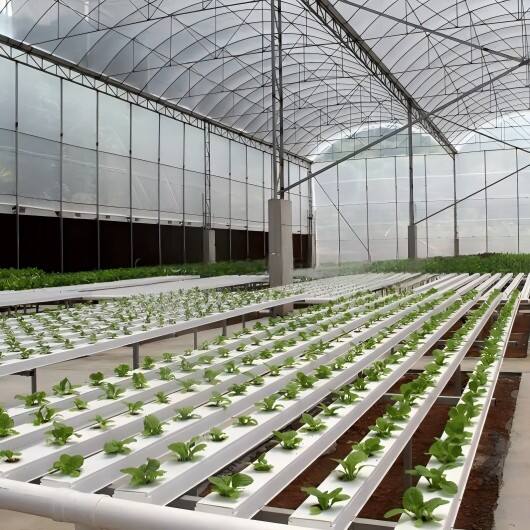
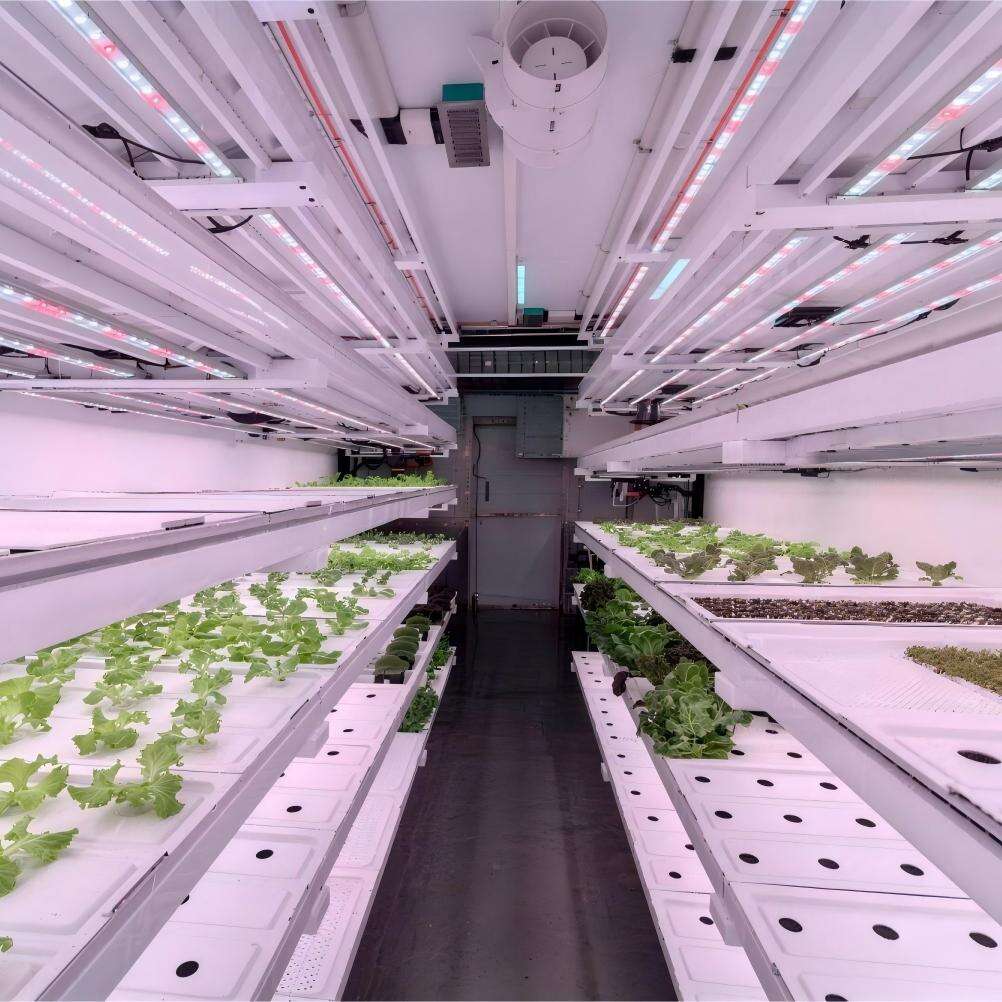
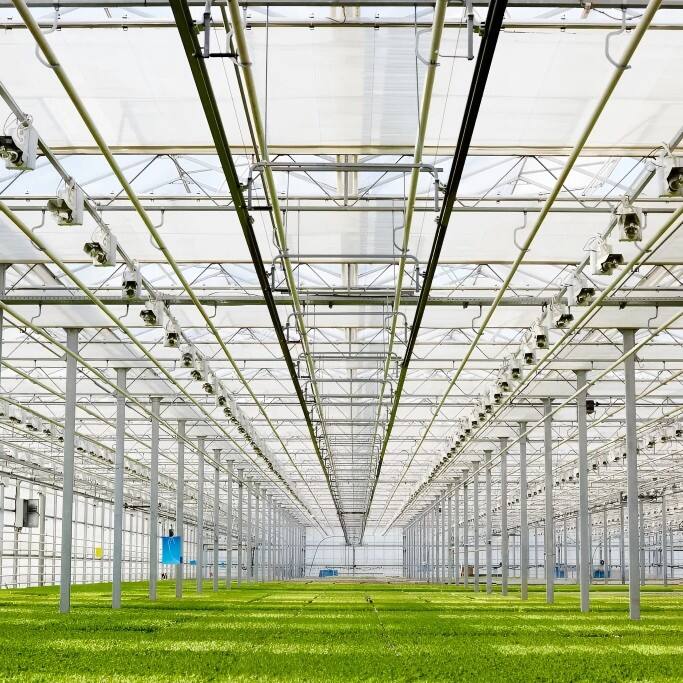
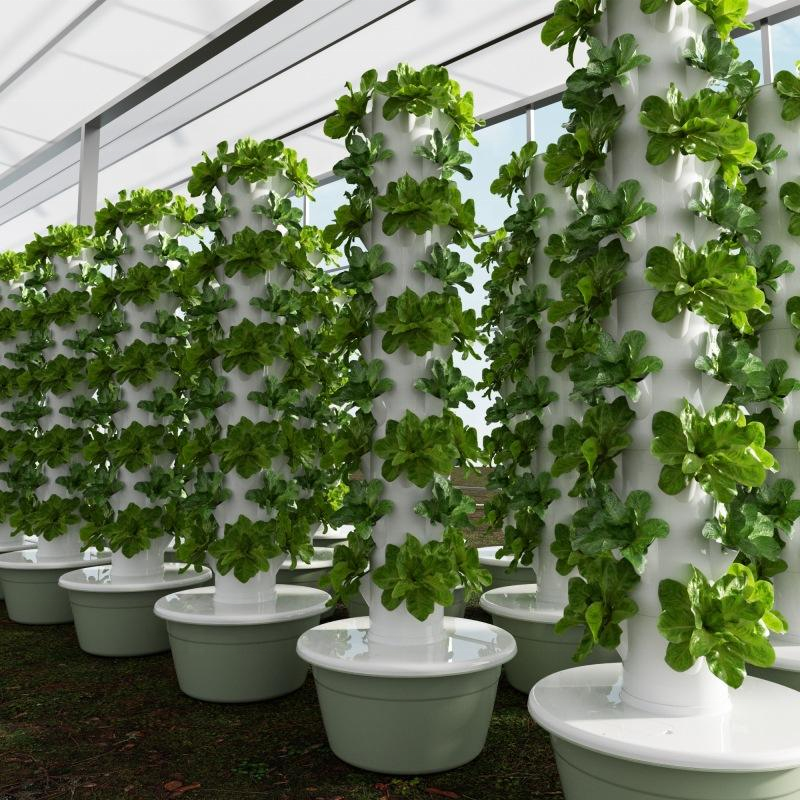
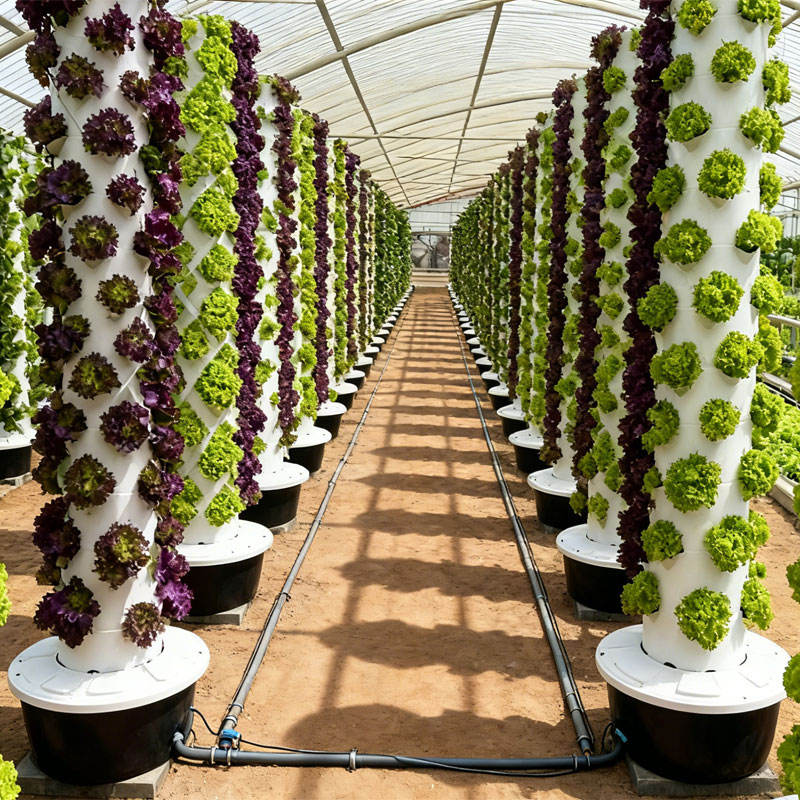
Lettuce vertical farming represents a revolutionary agricultural approach that transforms traditional crop production through innovative indoor cultivation methods. This cutting-edge system utilizes vertically stacked growing layers to maximize production capacity within minimal floor space, making it ideal for urban environments and areas with limited arable land. The technology integrates advanced hydroponic or aeroponic systems, precise LED lighting arrays, and sophisticated climate control mechanisms to create optimal growing conditions year-round. Each vertical layer operates as an independent growing zone, equipped with nutrient delivery systems that provide plants with carefully balanced mineral solutions directly to their root systems. The controlled environment eliminates dependency on weather patterns, soil quality, and seasonal limitations that traditionally constrain agricultural output. Modern lettuce vertical farming facilities incorporate automated monitoring systems that track temperature, humidity, pH levels, nutrient concentrations, and light intensity in real-time. These systems enable precise adjustments to maintain ideal growing parameters for maximum yield and quality. The technology features modular designs that allow scalable expansion based on production requirements and available space. Water recycling systems minimize consumption by capturing and filtering runoff for reuse, significantly reducing environmental impact compared to conventional farming. Applications span commercial food production, research facilities, educational institutions, and urban agriculture initiatives. Large-scale operations supply fresh lettuce to restaurants, grocery stores, and food service companies, ensuring consistent quality and availability regardless of external conditions. Research applications enable scientists to study plant biology, optimize growing techniques, and develop new cultivars under controlled conditions. Educational programs utilize vertical farming systems to teach sustainable agriculture principles and modern farming technologies to students and community members.
New Product Recommendations

Lettuce vertical farming delivers exceptional space efficiency by producing significantly more crops per square foot compared to traditional field agriculture. A single vertical farming facility can generate yields equivalent to multiple acres of conventional farmland while occupying just a fraction of the ground space. This remarkable efficiency makes fresh produce cultivation feasible in urban centers, reducing transportation costs and delivery times to consumers. The controlled indoor environment eliminates pesticide requirements, producing completely organic lettuce without exposure to harmful chemicals or environmental contaminants. Water conservation stands as another major advantage, with systems using up to 95 percent less water than traditional farming methods through precise nutrient delivery and recycling systems. Year-round production capability ensures consistent harvest schedules regardless of weather conditions, seasonal changes, or climate disruptions that frequently impact outdoor agriculture. This reliability enables farmers to maintain steady revenue streams and meet consistent supply commitments to customers. The technology eliminates soil-borne diseases and pest infestations that commonly plague traditional farming operations, reducing crop losses and maintaining higher quality standards. Faster growth cycles result from optimized growing conditions, allowing multiple harvests per year compared to single seasonal harvests in field agriculture. The controlled environment enables precise nutrient management, producing lettuce with enhanced nutritional profiles and extended shelf life. Location flexibility allows facilities to operate in diverse settings including warehouses, basements, rooftops, and dedicated agricultural buildings. This versatility enables local food production in food deserts and areas with poor soil quality or harsh climates. Energy efficiency continues improving through advanced LED technology that provides optimal light spectrums while minimizing electricity consumption. Automation reduces labor requirements while ensuring consistent care and monitoring of crops throughout the growing cycle. The predictable production environment enables accurate forecasting and planning, helping businesses manage inventory and meet customer demand effectively. Quality control measures maintain superior product standards through continuous monitoring and immediate response to any environmental variations.

Practical Tips

Hydroponic Vertical Farming_ Empowering Legal Cultivation Markets Globally

09

Feb

Hydroponic Vertical Farming_ Empowering Legal Cultivation Markets Globally

View More
Planting Containers: Unlocking New Possibilities for Smart Agriculture, Creating Efficient and Movable Planting Spaces

11

Mar

Planting Containers: Unlocking New Possibilities for Smart Agriculture, Creating Efficient and Movable Planting Spaces

View More
Vertical Farming Machines, Greenhouse Cultivation & Hydroponics: Reshaping the Future of Agriculture

09

Feb

Vertical Farming Machines, Greenhouse Cultivation & Hydroponics: Reshaping the Future of Agriculture

View More

Get a Free Quote

Our representative will contact you soon.
Email
Name
Company Name
Message
0/1000

lettuce vertical farming

Revolutionary Space Optimization and Urban Agriculture Integration

Revolutionary Space Optimization and Urban Agriculture Integration

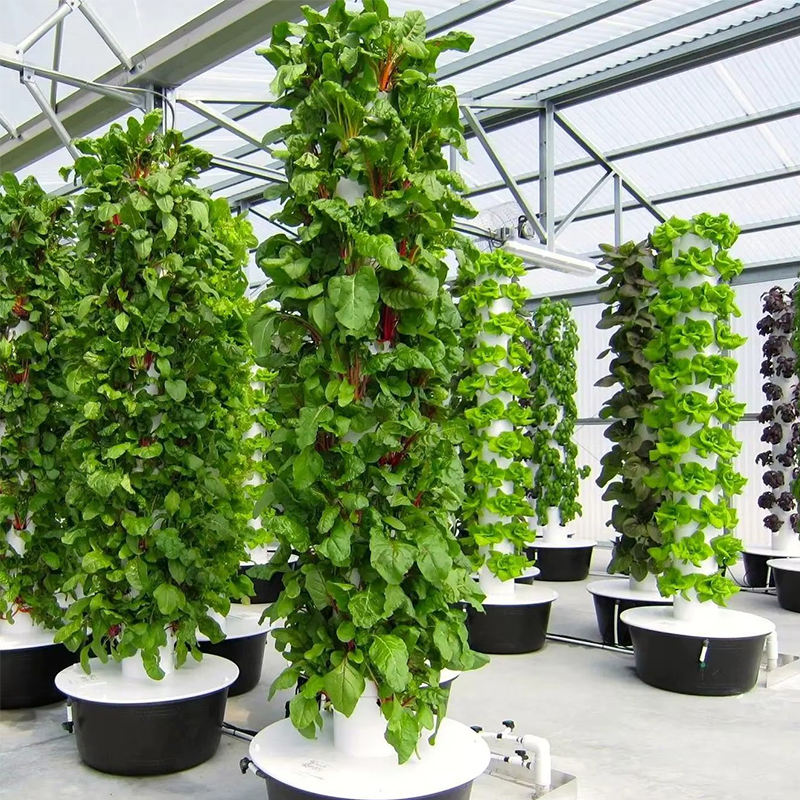
Lettuce vertical farming transforms urban spaces into highly productive agricultural centers through innovative spatial design and advanced growing technologies. This revolutionary approach utilizes vertical growing towers that can accommodate hundreds of plants within the footprint traditionally required for just a few dozen crops. The multi-tiered system maximizes production density by stacking growing levels from floor to ceiling, creating a three-dimensional farming environment that dramatically increases yield per square foot. Urban integration becomes seamless as these systems operate effectively in converted warehouses, shipping containers, basement spaces, and purpose-built facilities within city limits. This proximity to urban consumers eliminates lengthy transportation chains that typically connect rural farms to city markets, reducing both costs and environmental impact. The technology enables fresh lettuce production directly within metropolitan areas where land costs prohibit traditional agriculture, making local food production economically viable in expensive real estate markets. Modular construction allows systems to expand vertically or horizontally based on available space and production requirements, providing flexibility for businesses to scale operations incrementally. The compact footprint enables multiple farming operations within dense urban environments, fostering local food security and reducing dependency on distant agricultural regions. Weather independence ensures consistent production regardless of external conditions, protecting urban food supplies from climate disruptions that increasingly threaten traditional agriculture. This reliability proves especially valuable in regions experiencing extreme weather events, drought conditions, or unpredictable seasonal patterns. The controlled environment eliminates concerns about soil contamination, air pollution, or water quality issues that may affect urban outdoor growing attempts. Integration with existing urban infrastructure, including power grids, water systems, and waste management networks, creates efficient resource utilization and sustainable operations within city ecosystems.
Precision Environmental Control and Optimal Growing Conditions

Precision Environmental Control and Optimal Growing Conditions

Advanced environmental control systems in lettuce vertical farming create perfect growing conditions through precise management of temperature, humidity, lighting, and nutrition delivery. Sophisticated sensors continuously monitor environmental parameters and automatically adjust systems to maintain optimal ranges for maximum plant growth and health. LED lighting arrays provide customized light spectrums that match specific growth phases, from seedling development through harvest maturity, optimizing photosynthesis efficiency and accelerating growth cycles. These lighting systems operate on programmable schedules that simulate ideal daylight patterns while eliminating the inconsistency of natural sunlight affected by weather and seasonal variations. Climate control maintains stable temperatures and humidity levels that promote robust plant development while preventing stress conditions that can reduce yield or quality. Air circulation systems ensure consistent airflow throughout growing areas, preventing stagnant conditions that encourage disease development while distributing carbon dioxide evenly for enhanced photosynthesis. Hydroponic nutrient delivery systems provide precisely balanced mineral solutions directly to plant roots, eliminating competition for nutrients and ensuring each plant receives optimal nutrition throughout its growth cycle. pH monitoring and adjustment systems maintain ideal acidity levels for maximum nutrient uptake, while electrical conductivity measurements ensure proper nutrient concentrations. Water quality control includes filtration and treatment systems that remove impurities and maintain sterile conditions, preventing contamination and disease transmission between plants. Automated irrigation scheduling delivers exact water quantities at optimal intervals, preventing both drought stress and oversaturation that can damage root systems. Carbon dioxide supplementation enhances photosynthesis rates and accelerates growth, particularly beneficial in sealed growing environments where natural CO2 levels may become depleted. Environmental data logging creates detailed records of growing conditions, enabling continuous optimization and troubleshooting of production parameters for consistent results and quality improvements.
Sustainable Resource Management and Environmental Benefits

Sustainable Resource Management and Environmental Benefits

Lettuce vertical farming demonstrates exceptional environmental sustainability through innovative resource conservation technologies and closed-loop systems that minimize waste and environmental impact. Water recycling systems capture and treat all runoff, achieving up to 95 percent water conservation compared to traditional irrigation methods that lose significant amounts to evaporation and soil absorption. This dramatic reduction in water usage addresses critical concerns about agricultural water consumption, particularly important in drought-prone regions or areas with limited water resources. Nutrient recycling prevents mineral waste by collecting and filtering unused nutrients for reuse in the growing system, reducing both input costs and environmental discharge. Energy efficiency continues improving through advanced LED technology that provides optimal growing light while consuming significantly less electricity than traditional high-intensity discharge lighting systems. Smart energy management systems optimize power consumption by adjusting lighting schedules, climate control operations, and automated systems based on real-time energy costs and grid demand patterns. Carbon footprint reduction results from eliminated transportation requirements for locally produced crops, reduced equipment usage compared to field agriculture, and elimination of chemical pesticides and fertilizers that require energy-intensive manufacturing processes. Soil conservation benefits emerge as vertical farming eliminates the need for arable land, preventing erosion and preserving natural ecosystems for environmental restoration or alternative uses. Biodiversity protection occurs through reduced pressure on natural habitats that would otherwise be converted to agricultural use, allowing wilderness areas to remain undisturbed. Year-round production eliminates seasonal storage requirements and associated energy costs for refrigeration and preservation of harvested crops during off-seasons. Waste reduction includes elimination of crop losses due to weather damage, pest infestation, or disease outbreaks that commonly affect traditional farming operations. The controlled environment prevents agricultural runoff that can contaminate waterways with excess nutrients, pesticides, or soil sediment, protecting local ecosystems and water quality for communities and wildlife.

Get a Free Quote

Our representative will contact you soon.
Email
Name
Company Name
Message
0/1000