Ultimate Guide to Vertical Garden Growing: Space-Efficient Hydroponic Systems for Urban Agriculture

Get a Free Quote

Our representative will contact you soon.
Email
Name
Company Name
Message
0/1000

vertical garden growing

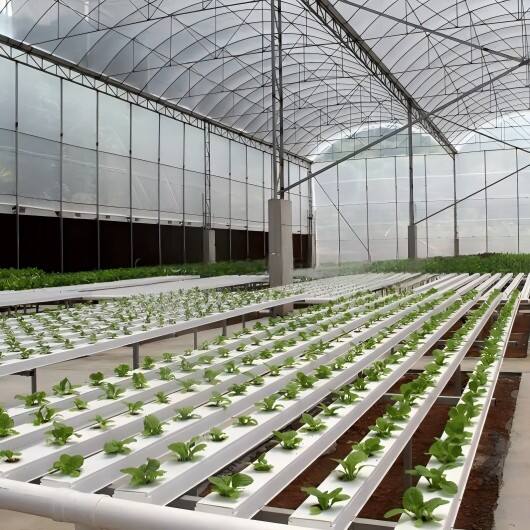
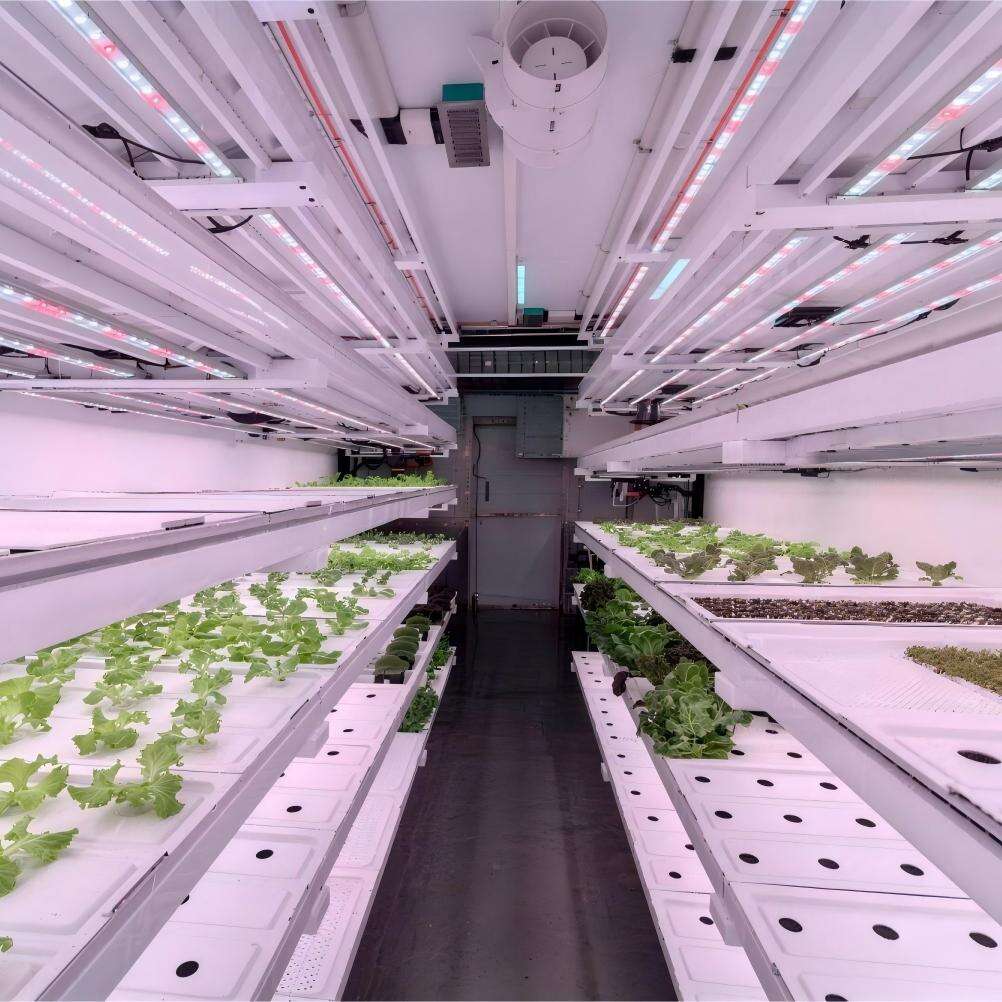
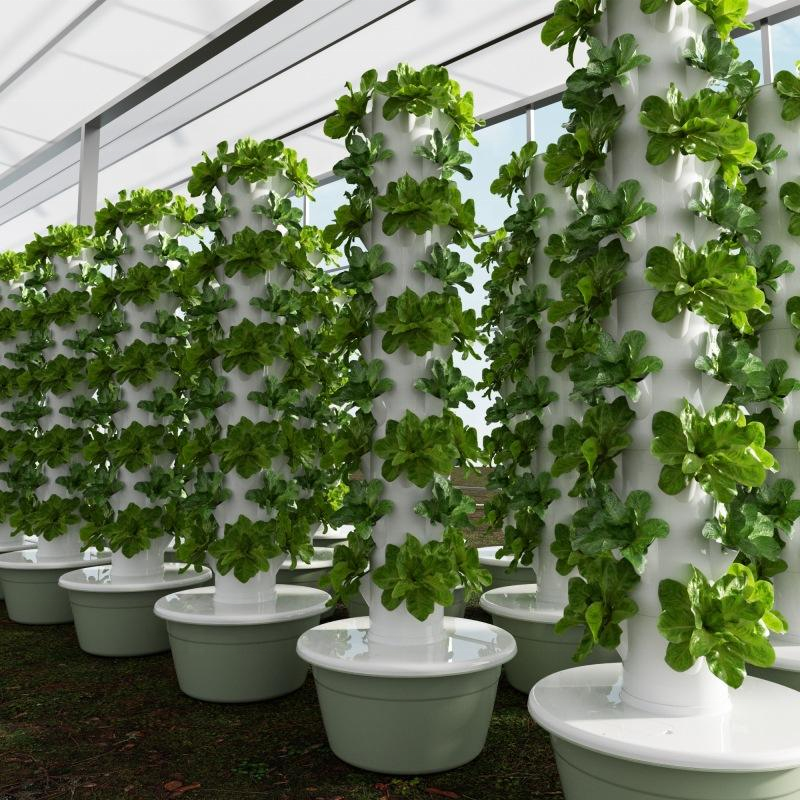
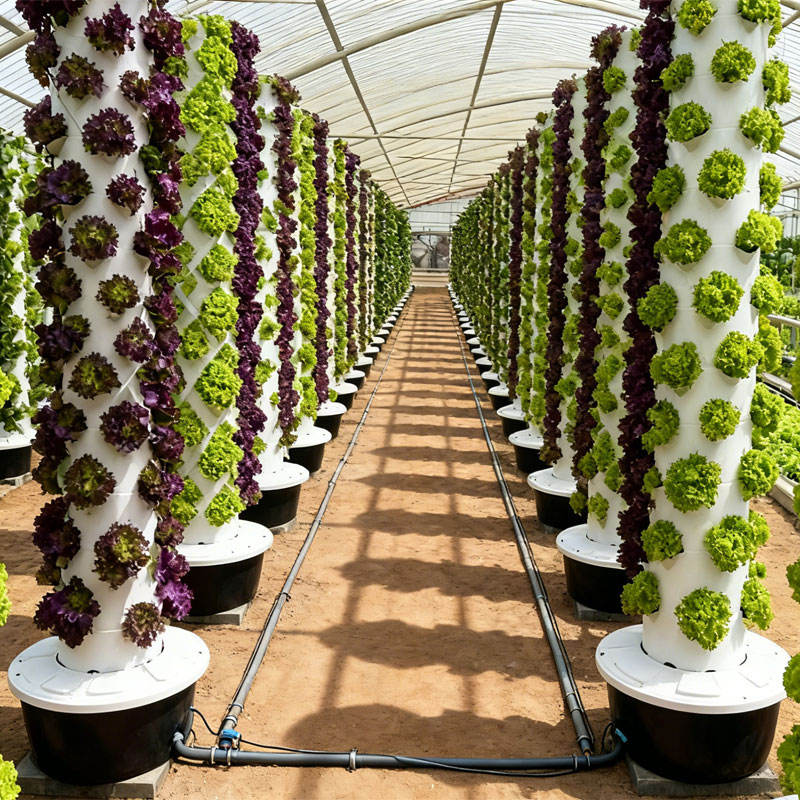
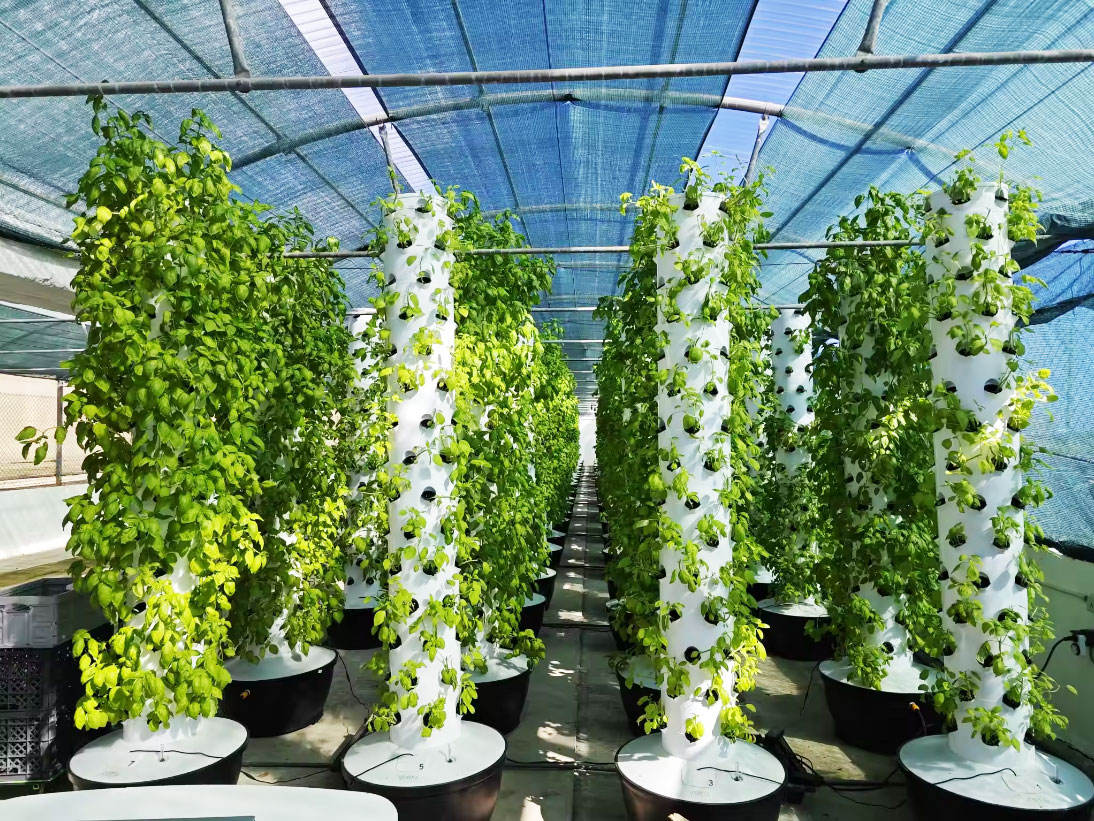
Vertical garden growing represents a revolutionary approach to modern agriculture and horticulture that maximizes plant production within minimal horizontal space. This innovative system utilizes vertically stacked layers or inclined surfaces to create multi-level planting environments, effectively transforming walls, towers, and specially designed structures into productive growing spaces. The main functions of vertical garden growing include space optimization, enhanced crop yields per square foot, improved resource efficiency, and aesthetic enhancement of urban environments. This method serves both commercial agricultural operations and residential gardening enthusiasts seeking sustainable food production solutions. The technological features of vertical garden growing systems encompass advanced hydroponic and aeroponic cultivation methods, automated irrigation networks, LED lighting systems optimized for plant photosynthesis, climate control mechanisms, and nutrient delivery systems that ensure optimal plant health and growth rates. These systems often incorporate smart sensors that monitor soil moisture, temperature, pH levels, and nutrient concentrations, providing real-time data for precise agricultural management. Applications of vertical garden growing span across multiple sectors, including urban farming initiatives in metropolitan areas where land is scarce and expensive, indoor agriculture facilities that operate year-round regardless of weather conditions, restaurant and grocery store installations that provide fresh produce directly to consumers, residential homes seeking sustainable food sources, educational institutions teaching sustainable agriculture, and commercial buildings integrating green architecture for environmental benefits. The versatility of vertical garden growing makes it suitable for cultivating various crops including leafy greens, herbs, strawberries, tomatoes, peppers, and numerous other vegetables and fruits, making it an essential component of modern sustainable agriculture practices.
New Product Recommendations

Vertical garden growing offers significant space efficiency advantages that make it particularly valuable in urban environments where horizontal growing space is limited or expensive. This system allows growers to produce substantially more crops per square foot compared to traditional horizontal farming methods, often achieving yields that are three to five times higher than conventional agriculture. The compact design enables food production in previously unusable spaces such as building walls, rooftops, basements, and small urban lots, effectively bringing agriculture into city centers where fresh produce is most needed. Resource conservation represents another major advantage of vertical garden growing, as these systems typically use 95 percent less water than traditional soil-based farming through recirculating hydroponic systems that capture and reuse nutrient solutions. This water efficiency is particularly important in drought-prone regions or areas with limited water access, making vertical garden growing an environmentally responsible choice for sustainable food production. The controlled environment aspect of vertical garden growing eliminates the need for pesticides and herbicides, as pest management becomes more manageable in enclosed systems, resulting in cleaner, healthier produce for consumers. Year-round production capabilities allow growers to harvest crops continuously regardless of seasonal weather patterns, providing consistent income streams for commercial operations and reliable food sources for families. The reduced transportation costs and carbon footprint associated with vertical garden growing benefit both producers and consumers, as locally grown produce requires minimal shipping and storage, maintaining peak nutritional value while reducing environmental impact. Labor efficiency improvements come from ergonomic designs that eliminate bending and kneeling typically required in traditional farming, making agricultural work more accessible to people of various physical abilities and ages. Additionally, vertical garden growing systems often feature automated monitoring and maintenance capabilities that reduce manual labor requirements while ensuring optimal growing conditions, making farming operations more profitable and sustainable for long-term success.

Tips And Tricks

Hydroponic Vertical Farming_ Empowering Legal Cultivation Markets Globally

09

Feb

Hydroponic Vertical Farming_ Empowering Legal Cultivation Markets Globally

View More
Planting Containers: Unlocking New Possibilities for Smart Agriculture, Creating Efficient and Movable Planting Spaces

11

Mar

Planting Containers: Unlocking New Possibilities for Smart Agriculture, Creating Efficient and Movable Planting Spaces

View More
Vertical Farming Machines, Greenhouse Cultivation & Hydroponics: Reshaping the Future of Agriculture

09

Feb

Vertical Farming Machines, Greenhouse Cultivation & Hydroponics: Reshaping the Future of Agriculture

View More

Get a Free Quote

Our representative will contact you soon.
Email
Name
Company Name
Message
0/1000

vertical garden growing

Advanced Hydroponic Technology Integration

Advanced Hydroponic Technology Integration

The integration of cutting-edge hydroponic technology sets vertical garden growing apart from conventional agricultural methods, offering unprecedented control over plant nutrition and growth environments. This sophisticated system eliminates the need for soil by delivering precisely measured nutrient solutions directly to plant roots through various growing media such as rockwool, perlite, or coconut coir. The hydroponic component of vertical garden growing ensures that plants receive optimal nutrition at all growth stages, with customizable nutrient formulas tailored to specific crop requirements and growth phases. This technology enables growers to monitor and adjust pH levels, electrical conductivity, and nutrient concentrations in real-time, maximizing plant health and productivity while minimizing resource waste. The recirculating nature of hydroponic systems in vertical garden growing means that unused nutrient solutions are captured, filtered, and reused, creating a closed-loop system that dramatically reduces water consumption and eliminates agricultural runoff that can harm local ecosystems. Advanced monitoring sensors continuously track environmental parameters including temperature, humidity, nutrient levels, and water quality, providing growers with comprehensive data to make informed decisions about crop management. The precision of hydroponic technology in vertical garden growing allows for faster plant growth rates, typically reducing harvest times by 25 to 50 percent compared to soil-based cultivation, while producing larger yields with consistent quality. This technological advantage makes vertical garden growing particularly attractive to commercial operations seeking to maximize return on investment while maintaining high-quality produce standards that meet consumer expectations for fresh, nutritious food.
Space Maximization and Urban Integration

Space Maximization and Urban Integration

Vertical garden growing excels in maximizing agricultural productivity within extremely limited spaces, making it an ideal solution for urban food production challenges. This innovative approach transforms vertical surfaces into productive growing areas, effectively multiplying the available growing space by utilizing the third dimension that traditional farming cannot access. The space maximization benefits of vertical garden growing are particularly evident in urban environments where real estate costs are prohibitive for conventional agriculture, allowing food production to occur on building walls, in converted warehouses, shipping containers, and other non-traditional agricultural spaces. The modular design of most vertical garden growing systems enables easy expansion and customization to fit specific spatial constraints, whether in residential apartments, commercial buildings, or dedicated urban farming facilities. This flexibility allows growers to start small and gradually expand their operations as demand increases or space becomes available. The integration capabilities of vertical garden growing with existing urban infrastructure make it possible to incorporate food production into architectural designs, creating living walls that serve both aesthetic and functional purposes. These systems can be seamlessly integrated into restaurants, grocery stores, schools, hospitals, and residential buildings, bringing fresh produce production directly to end consumers while reducing transportation costs and carbon emissions associated with food distribution. The compact footprint of vertical garden growing systems means that significant food production can occur in spaces as small as a few square feet, making fresh vegetable cultivation accessible to apartment dwellers, small business owners, and community organizations with limited space resources. This space efficiency democratizes food production, allowing individuals and communities to achieve greater food security and independence while contributing to local food systems and reducing reliance on distant agricultural operations.
Year-Round Climate Control and Consistency

Year-Round Climate Control and Consistency

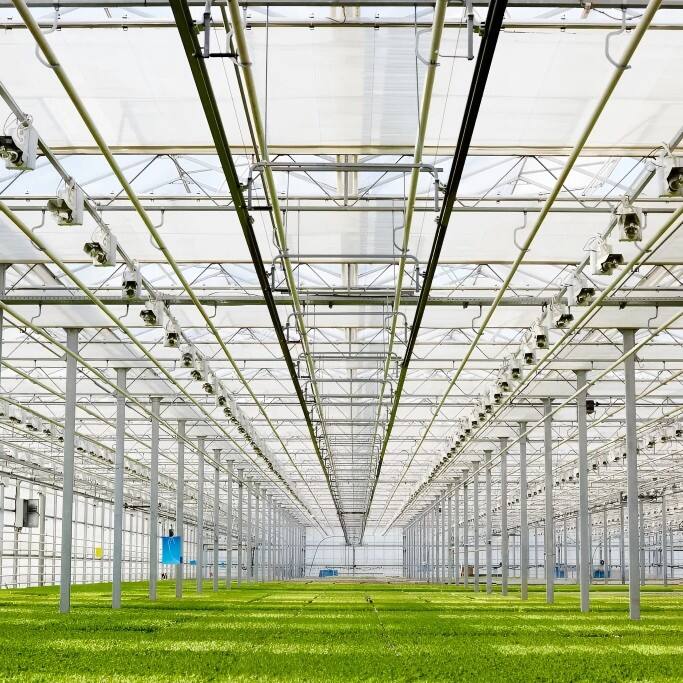
The climate control capabilities of vertical garden growing systems provide unmatched consistency in food production, eliminating the variables and uncertainties associated with outdoor weather conditions. This controlled environment advantage allows growers to maintain optimal temperature, humidity, light, and air circulation parameters throughout the entire year, ensuring consistent crop yields regardless of seasonal changes, extreme weather events, or geographical limitations. The sophisticated climate control systems integrated into vertical garden growing operations utilize energy-efficient LED lighting arrays that provide specific light spectrums optimized for different growth stages, from seedling development through flowering and fruiting phases. These lighting systems can be programmed to simulate natural daylight cycles or extended photoperiods to accelerate plant growth and increase harvests per year. Temperature regulation in vertical garden growing environments prevents crop losses due to frost, heat waves, or sudden weather changes that frequently damage traditional outdoor crops, providing growers with predictable production schedules that enable better business planning and customer service. The controlled atmosphere also protects crops from pests, diseases, and environmental contaminants that commonly affect outdoor agriculture, reducing the need for chemical interventions and ensuring cleaner, safer produce for consumers. Humidity control systems maintain optimal moisture levels for plant health while preventing fungal issues and other moisture-related problems that can devastate crops in uncontrolled environments. The consistency provided by vertical garden growing climate control translates into reliable harvest timing, uniform crop quality, and predictable yields that benefit both commercial operations and home growers seeking dependable food sources. This environmental control also enables the cultivation of crops that would otherwise be impossible to grow in certain geographical regions, expanding the variety of fresh produce available to local markets and consumers year-round.

Get a Free Quote

Our representative will contact you soon.
Email
Name
Company Name
Message
0/1000