Vertical NFT Hydroponic System - Advanced Soilless Growing Technology for Maximum Yield

Get a Free Quote

Our representative will contact you soon.
Email
Name
Company Name
Message
0/1000

vertical nft hydroponic system

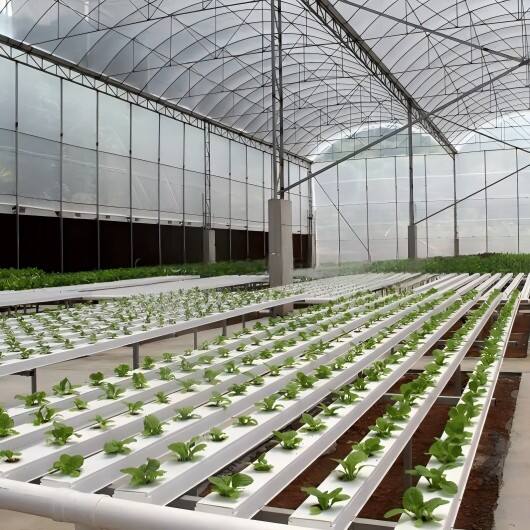
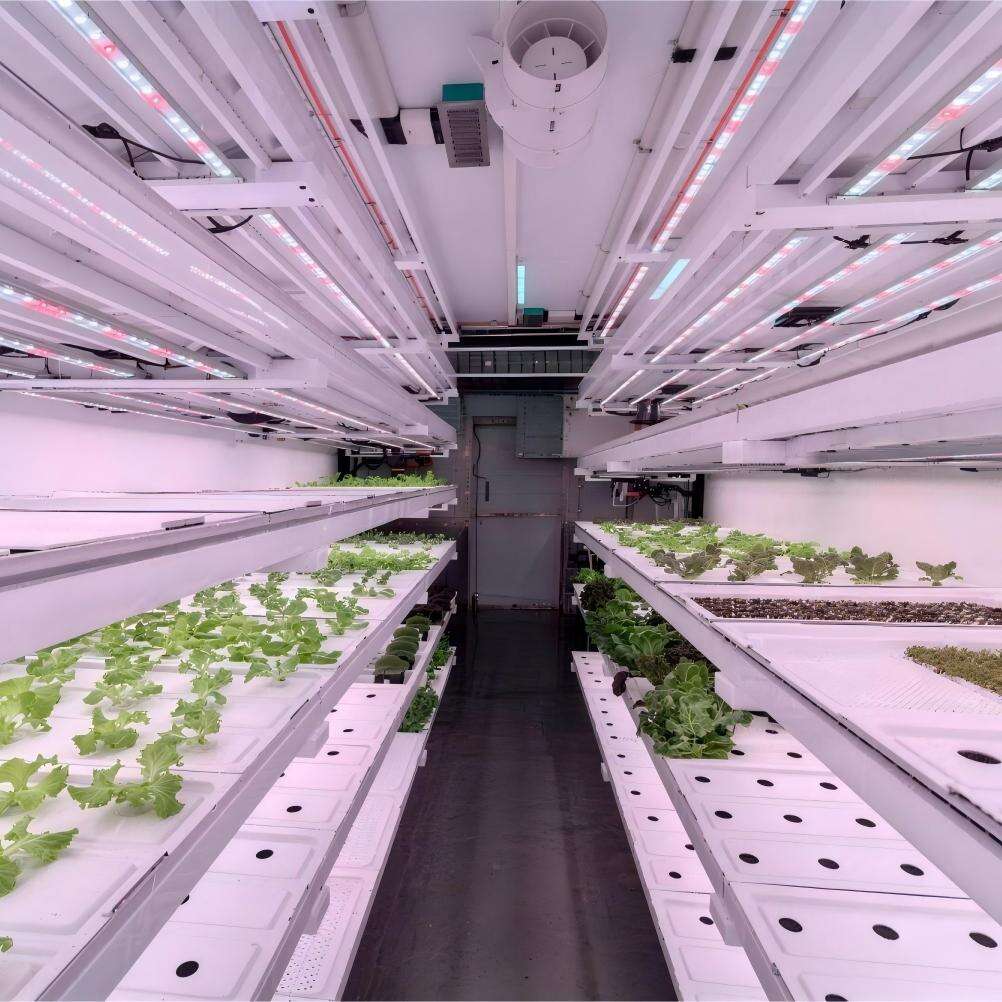
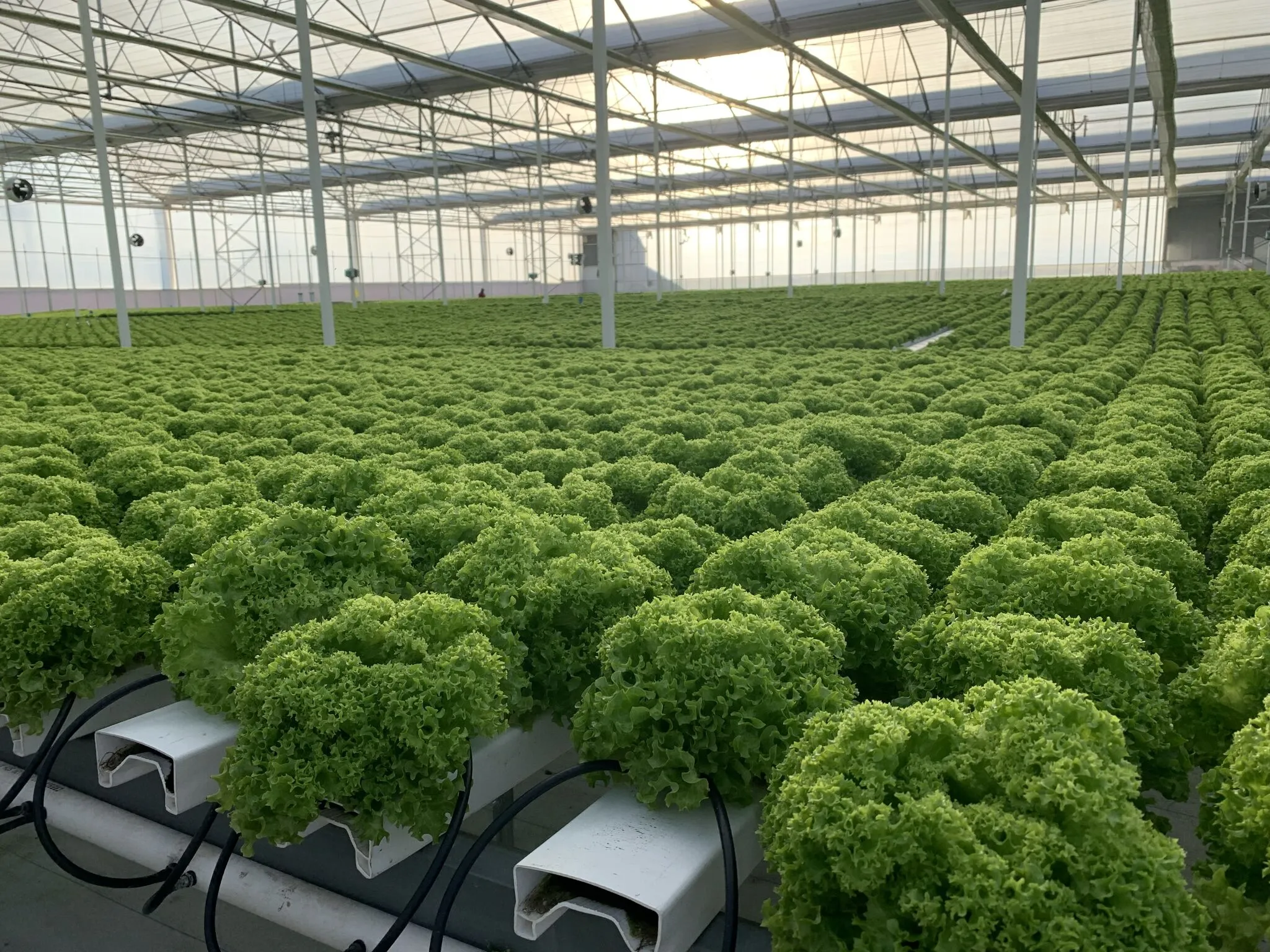
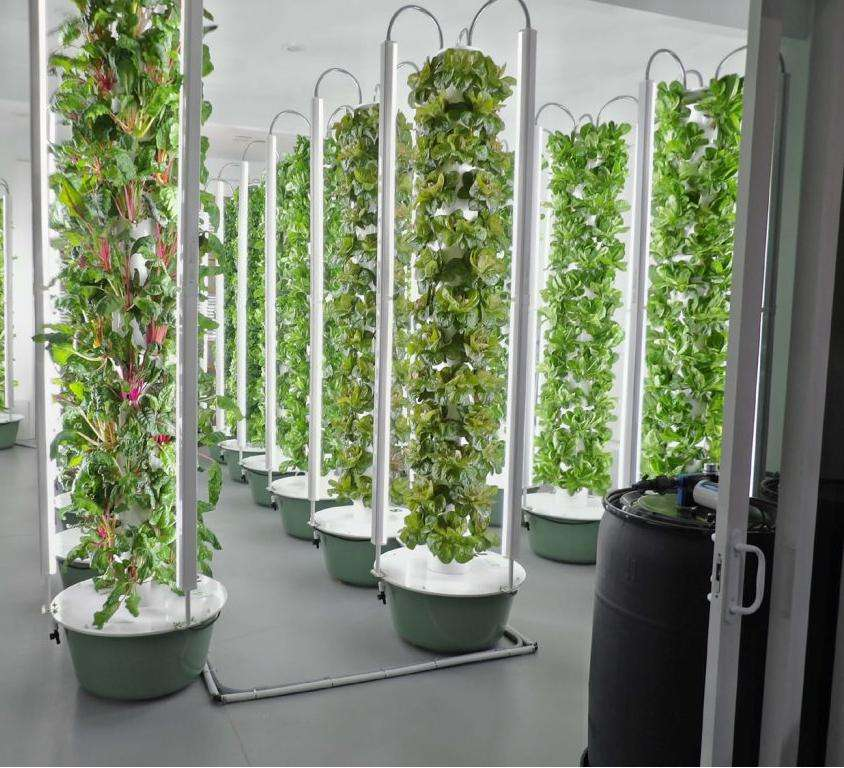
The vertical NFT hydroponic system represents a revolutionary approach to soilless agriculture that maximizes growing capacity while minimizing space requirements. NFT stands for Nutrient Film Technique, where plants receive nutrients through a thin film of nutrient-rich water that continuously flows past their root systems. This vertical NFT hydroponic system stacks multiple growing channels vertically, creating a tower-like structure that can accommodate significantly more plants than traditional horizontal setups. The core technology involves precisely engineered channels with gentle slopes that allow nutrient solution to flow from top to bottom via gravity. Each level contains individual growing sites where plants are positioned with their roots extending into the flowing nutrient stream. The system includes water pumps, reservoirs, pH monitoring equipment, and automated controls that maintain optimal growing conditions. Advanced models feature LED lighting systems specifically designed for vertical cultivation, ensuring each plant level receives adequate light exposure. The vertical NFT hydroponic system finds extensive applications in commercial greenhouses, urban farms, educational institutions, and residential growing operations. Commercial growers utilize these systems to produce leafy greens, herbs, strawberries, and other high-value crops in controlled environments. Urban agriculture projects implement vertical NFT systems to grow fresh produce in limited spaces such as warehouses, rooftops, and converted buildings. Research facilities employ these systems for plant breeding programs and agricultural studies. Home gardeners increasingly adopt smaller vertical NFT hydroponic systems for fresh herb and vegetable production. The technology enables year-round cultivation regardless of climate conditions, making it valuable for regions with harsh weather or limited arable land. Food security initiatives worldwide incorporate vertical NFT systems to increase local food production capacity while reducing dependence on imported produce.

New Products

Vertical NFT hydroponic systems deliver exceptional space efficiency by growing more plants per square foot compared to traditional farming methods. A single vertical tower can produce the equivalent yield of a much larger horizontal growing area, making these systems ideal for urban environments where space costs remain high. The continuous nutrient flow ensures plants receive optimal nutrition consistently, resulting in faster growth rates and higher yields than soil-based cultivation. Water conservation represents another significant benefit, as the recirculating system uses up to 90% less water than conventional agriculture while eliminating agricultural runoff that can harm local ecosystems. The controlled environment prevents pest infestations and diseases that commonly affect outdoor crops, reducing or eliminating the need for pesticides and herbicides. This creates cleaner, safer produce while lowering production costs associated with chemical treatments. Labor efficiency improves dramatically since workers can tend to plants at comfortable standing heights rather than bending or kneeling, reducing physical strain and increasing productivity. Harvest cycles occur more frequently throughout the year because growing conditions remain optimal regardless of seasonal weather patterns. The vertical NFT hydroponic system enables precise control over nutrient concentrations, pH levels, and environmental factors, allowing growers to optimize plant development for specific varieties. Energy efficiency benefits emerge from LED lighting systems that provide exactly the light spectrum plants need while consuming less electricity than traditional grow lights. Reduced transportation costs and carbon footprint result from local production capabilities that bring fresh produce closer to consumers. Quality consistency improves because environmental variables remain controlled, producing uniform crops that meet commercial standards reliably. The scalable design allows operations to start small and expand gradually based on market demand and available capital. Installation flexibility accommodates various building types and sizes, from small residential setups to large commercial facilities. Automated monitoring systems reduce labor requirements while providing detailed data for optimizing growing conditions and maximizing profitability.

Tips And Tricks

Hydroponic Vertical Farming_ Empowering Legal Cultivation Markets Globally

09

Feb

Hydroponic Vertical Farming_ Empowering Legal Cultivation Markets Globally

View More
Planting Containers: Unlocking New Possibilities for Smart Agriculture, Creating Efficient and Movable Planting Spaces

11

Mar

Planting Containers: Unlocking New Possibilities for Smart Agriculture, Creating Efficient and Movable Planting Spaces

View More
Vertical Farming Machines, Greenhouse Cultivation & Hydroponics: Reshaping the Future of Agriculture

09

Feb

Vertical Farming Machines, Greenhouse Cultivation & Hydroponics: Reshaping the Future of Agriculture

View More

Get a Free Quote

Our representative will contact you soon.
Email
Name
Company Name
Message
0/1000

vertical nft hydroponic system

Advanced Multi-Tier Growing Technology

Advanced Multi-Tier Growing Technology

The vertical NFT hydroponic system incorporates sophisticated multi-tier growing technology that fundamentally transforms agricultural productivity through intelligent vertical space utilization. Each tier operates as an independent growing zone with precisely calibrated nutrient delivery systems that maintain optimal growing conditions across all levels simultaneously. The engineering behind this technology ensures uniform nutrient distribution through carefully calculated channel slopes and flow rates that prevent stagnation while providing adequate nutrition to every plant. Advanced sensors monitor nutrient concentration, pH levels, electrical conductivity, and temperature throughout the system, automatically adjusting parameters to maintain ideal growing conditions. The multi-tier design maximizes photosynthetic efficiency by positioning LED lighting arrays at optimal distances from plant canopies, ensuring each level receives appropriate light intensity and spectrum. Structural engineering considerations include weight distribution systems that safely support fully loaded growing channels while allowing easy access for maintenance and harvesting operations. The modular construction enables customization for different crop types, with adjustable spacing between tiers to accommodate plants of varying heights and growth patterns. Climate control integration maintains consistent temperature and humidity levels throughout the vertical growing environment, preventing the microclimatic variations that can occur in traditional greenhouse settings. Water circulation pumps operate on programmable schedules that can be adjusted based on plant growth stages, environmental conditions, and specific crop requirements. The technology includes backup systems that prevent crop loss during equipment failures, such as battery-powered pumps and redundant monitoring systems. Quality control mechanisms track plant development data, enabling growers to optimize production schedules and predict harvest timing with remarkable accuracy. This comprehensive technological approach results in yield increases of 300-400% compared to traditional horizontal growing methods while using significantly less water, energy, and physical space.
Sustainable Resource Management System

Sustainable Resource Management System

The vertical NFT hydroponic system implements an innovative sustainable resource management system that dramatically reduces environmental impact while maximizing production efficiency. Water recycling technology captures and reuses nutrient solution continuously, achieving water savings of up to 95% compared to traditional soil-based agriculture. The closed-loop system prevents nutrient runoff that typically contaminates groundwater and surrounding ecosystems in conventional farming operations. Precision fertigation delivers exactly the nutrients plants need at specific growth stages, eliminating waste and reducing fertilizer costs while preventing environmental contamination from excess chemicals. Energy management features include smart LED lighting systems that automatically adjust intensity and spectrum based on natural light availability, significantly reducing electricity consumption during daylight hours. Solar panel integration capabilities allow systems to operate partially or completely on renewable energy, further reducing carbon footprint and operational costs. Waste reduction occurs through precise nutrient management that eliminates soil preparation, cultivation, and disposal processes associated with traditional farming. The system produces no agricultural waste such as contaminated soil, pesticide containers, or plastic mulching materials commonly used in conventional agriculture. Air quality improvement results from eliminating dust, pollen, and chemical spray drift that typically accompany traditional farming operations. Carbon sequestration benefits emerge from reduced transportation needs when vertical NFT hydroponic systems operate near urban consumption centers, cutting food miles and associated emissions. Biodiversity protection occurs because these systems require no land conversion, preserving natural habitats that would otherwise be cleared for agricultural expansion. Resource efficiency extends to packaging and distribution, as locally grown produce requires less protective packaging and refrigerated transport. The sustainable design supports circular economy principles by creating closed-loop systems where nutrients cycle continuously without environmental release. Long-term sustainability benefits include soil preservation, reduced chemical dependency, and decreased pressure on natural water resources, making vertical NFT hydroponic systems essential tools for addressing global food security challenges while protecting environmental health.
Commercial-Grade Production Capabilities

Commercial-Grade Production Capabilities

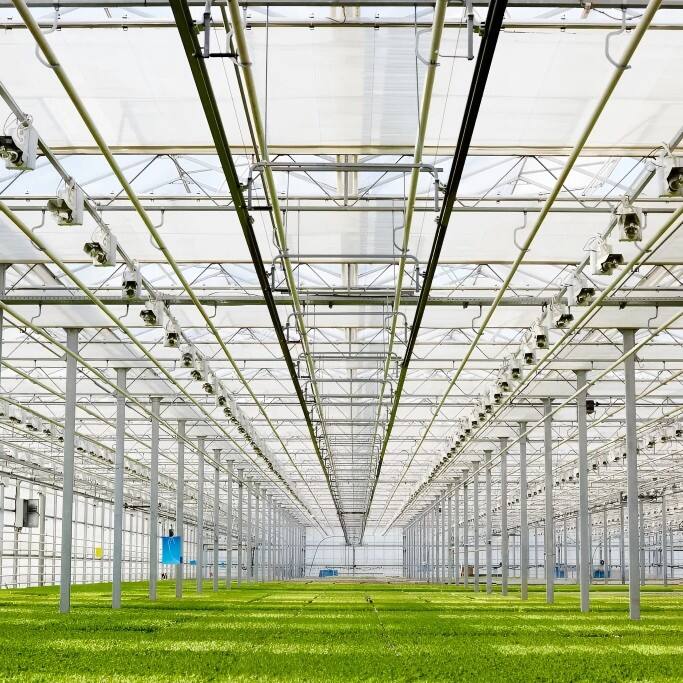
The vertical NFT hydroponic system delivers commercial-grade production capabilities that enable businesses to achieve consistent, high-quality crop yields while maintaining competitive operational efficiency. Production scalability allows operations to start with small installations and expand systematically based on market demand, cash flow, and available space. The system supports intensive cultivation of high-value crops such as leafy greens, herbs, strawberries, and specialty vegetables that command premium prices in local markets. Yield optimization occurs through precise environmental control that eliminates weather-related crop losses, seasonal limitations, and pest-induced damage that plague traditional outdoor farming. Quality consistency results from controlled growing conditions that produce uniform size, color, flavor, and nutritional content that meets strict commercial standards required by restaurants, retailers, and food service operations. Harvest scheduling flexibility enables multiple growing cycles per year, with some crops ready for harvest every few weeks, providing steady revenue streams and cash flow predictability. Labor productivity improvements come from ergonomic design that positions plants at comfortable working heights, reducing harvest time and minimizing worker fatigue during extended operations. Automation integration includes climate control systems, nutrient monitoring, and irrigation scheduling that reduce labor requirements while maintaining optimal growing conditions around the clock. Market positioning advantages emerge from the ability to grow pesticide-free, locally produced crops that appeal to health-conscious consumers and sustainability-focused businesses. Cost structure benefits include reduced land acquisition costs, lower water bills, eliminated pesticide expenses, and decreased transportation costs compared to traditional farming operations. Production planning capabilities allow growers to respond quickly to market demands, adjusting crop varieties and quantities based on seasonal preferences and pricing opportunities. The system supports certified organic production when using approved nutrients and growing media, opening access to premium organic market segments. Quality assurance features include traceability systems that track crops from seed to harvest, meeting food safety requirements and enabling rapid response to any quality issues. Investment returns typically occur within 2-3 years due to higher yields, premium pricing, reduced operational costs, and year-round production capabilities that maximize facility utilization and profitability.
Get a Free Quote

Our representative will contact you soon.
Email
Name
Company Name
Message
0/1000