NFT System Hydroponic: Advanced Soilless Growing Technology for Maximum Yield and Efficiency

Get a Free Quote

Our representative will contact you soon.
Email
Name
Company Name
Message
0/1000

nft system hydroponic

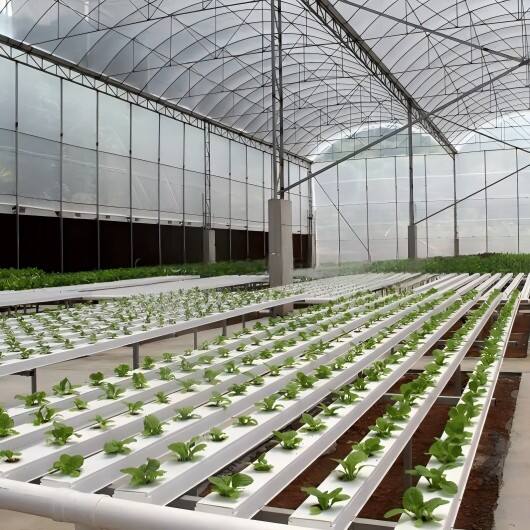
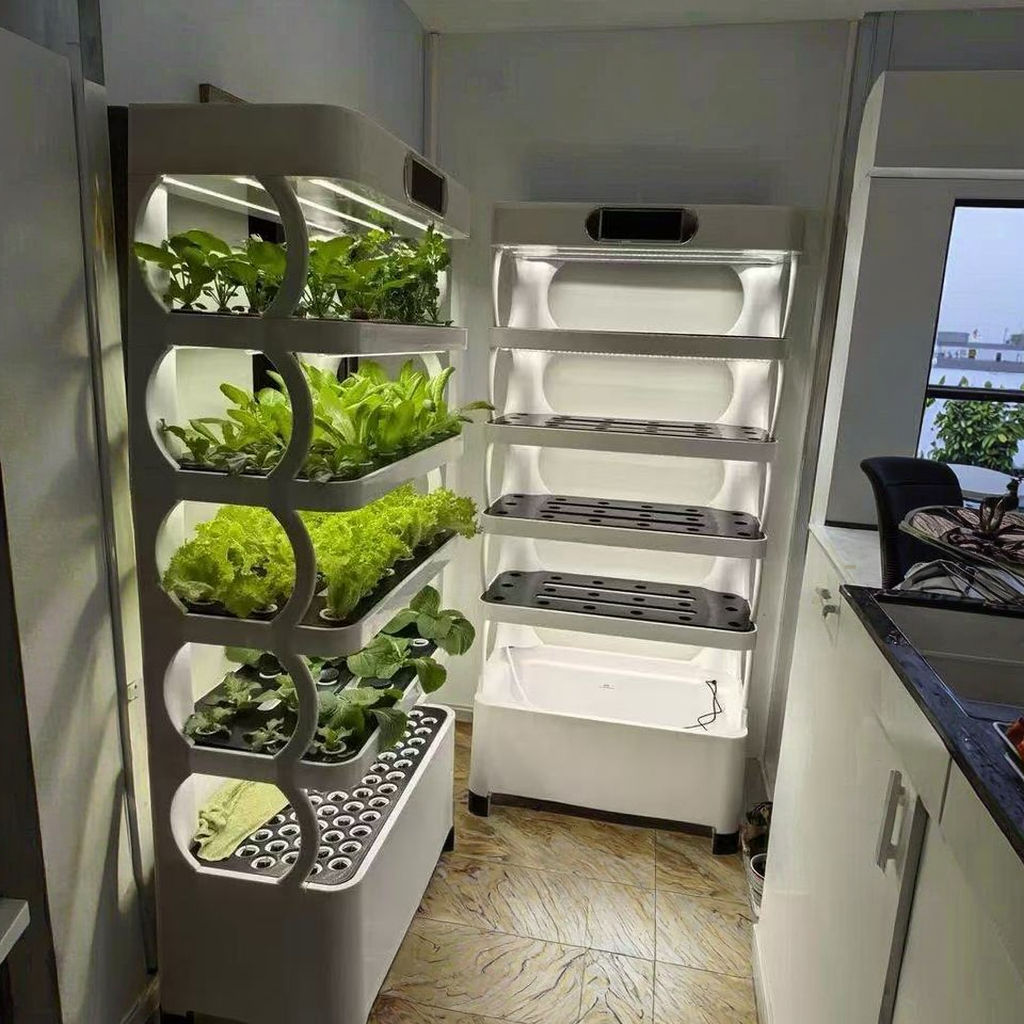
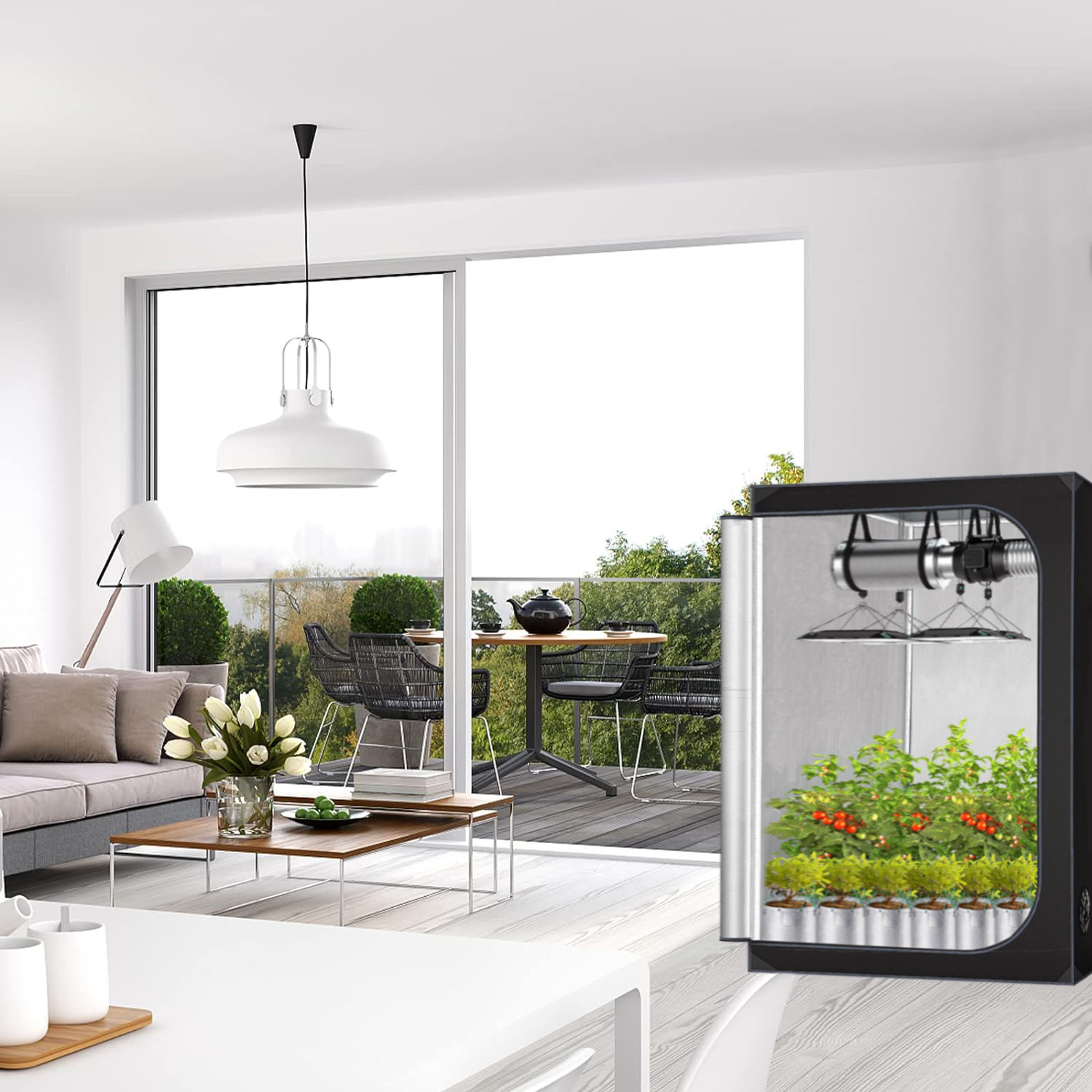
The NFT system hydroponic represents a revolutionary approach to soilless cultivation that has transformed modern agriculture and indoor farming practices. NFT stands for Nutrient Film Technique, which describes the core mechanism of this innovative growing method. This nft system hydroponic operates by circulating a thin film of nutrient-rich water solution along the bottom of sloped channels or gutters where plants are positioned. The primary function involves delivering essential nutrients directly to plant roots while maintaining optimal oxygen levels through the continuous flow of the nutrient solution. The technological foundation of the nft system hydroponic relies on gravity-fed circulation systems, precise nutrient delivery mechanisms, and carefully engineered channel designs that ensure consistent water flow rates. Key components include reservoir tanks for nutrient storage, water pumps for circulation, distribution manifolds for even flow distribution, and return channels that collect and recycle the nutrient solution back to the main reservoir. The system maintains a slight downward slope, typically between 1:30 to 1:40 ratio, allowing the nutrient film to flow smoothly while preventing stagnation or flooding. Advanced nft system hydroponic installations incorporate automated monitoring systems that track pH levels, electrical conductivity, water temperature, and flow rates to optimize growing conditions. Applications span across commercial greenhouse operations, vertical farming facilities, research institutions, and residential growing environments. The versatility of the nft system hydroponic makes it particularly suitable for leafy greens, herbs, strawberries, and various vegetables. Commercial producers utilize large-scale nft system hydroponic setups to maximize yield per square foot while minimizing water consumption and labor requirements. Educational institutions employ these systems for agricultural research and teaching purposes, demonstrating sustainable farming techniques to students and researchers. Home gardeners increasingly adopt smaller nft system hydroponic units for year-round fresh produce cultivation, especially in urban environments where traditional soil gardening space is limited.

New Products

The nft system hydroponic delivers exceptional water efficiency compared to traditional soil-based agriculture, using up to 90 percent less water through its closed-loop recirculation design. This water conservation benefit makes the nft system hydroponic particularly valuable in arid regions or areas facing water scarcity challenges. The system eliminates water waste by continuously recycling the nutrient solution, ensuring every drop serves a productive purpose in plant growth. Farmers experience significantly faster plant growth rates with the nft system hydroponic, as roots receive constant access to perfectly balanced nutrients without competition from weeds or soil-borne pathogens. Plants typically mature 25-50 percent faster than soil-grown counterparts, enabling multiple harvest cycles per year and increased overall productivity. The controlled environment of the nft system hydroponic prevents soil-transmitted diseases and eliminates the need for pesticides, resulting in cleaner, healthier produce that meets organic certification standards. Installation flexibility represents another major advantage, as the nft system hydroponic adapts to various spaces including rooftops, warehouses, greenhouses, and basement areas. The system requires no soil preparation, tilling, or traditional field maintenance, reducing labor costs and physical demands on operators. Year-round production capability ensures consistent harvest schedules regardless of weather conditions or seasonal limitations, providing reliable income streams for commercial growers. The nft system hydroponic produces higher yields per square foot compared to conventional farming methods, maximizing space utilization in urban environments where land costs are premium. Nutrient control precision allows growers to customize feeding schedules for specific plant varieties, optimizing growth conditions for maximum quality and nutritional content. The system reduces transportation costs by enabling local food production near urban consumption centers, decreasing carbon footprints and ensuring fresher produce reaches consumers. Maintenance requirements remain minimal once properly established, with automated systems handling most daily operations including nutrient delivery, pH adjustment, and flow monitoring. Investment returns accelerate through reduced operational costs, higher productivity, and premium pricing for hydroponically grown produce in health-conscious markets.

Latest News

Hydroponic Vertical Farming_ Empowering Legal Cultivation Markets Globally

09

Feb

Hydroponic Vertical Farming_ Empowering Legal Cultivation Markets Globally

View More
Planting Containers: Unlocking New Possibilities for Smart Agriculture, Creating Efficient and Movable Planting Spaces

11

Mar

Planting Containers: Unlocking New Possibilities for Smart Agriculture, Creating Efficient and Movable Planting Spaces

View More
Vertical Farming Machines, Greenhouse Cultivation & Hydroponics: Reshaping the Future of Agriculture

09

Feb

Vertical Farming Machines, Greenhouse Cultivation & Hydroponics: Reshaping the Future of Agriculture

View More

Get a Free Quote

Our representative will contact you soon.
Email
Name
Company Name
Message
0/1000

nft system hydroponic

Advanced Nutrient Delivery Technology

Advanced Nutrient Delivery Technology

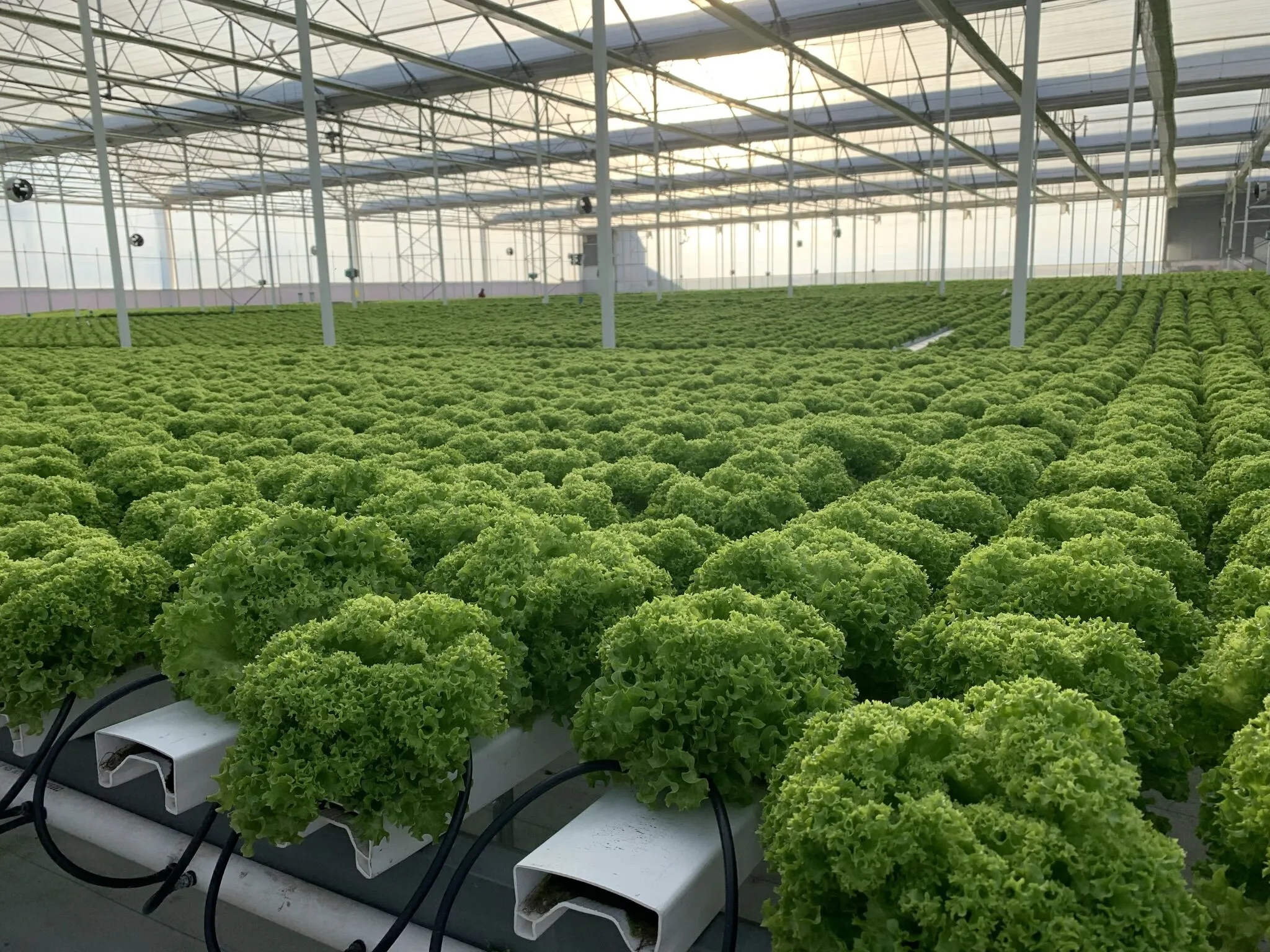
The nft system hydroponic employs sophisticated nutrient delivery technology that revolutionizes how plants receive essential minerals and vitamins for optimal growth. This innovative system creates a thin film of nutrient solution that flows continuously along specially designed channels, ensuring plant roots maintain constant contact with perfectly balanced nutrition while receiving adequate oxygen exposure. The technology behind the nft system hydroponic eliminates the guesswork involved in traditional fertilization methods by delivering precise nutrient concentrations directly to root zones. Advanced monitoring sensors integrated into modern nft system hydroponic installations continuously measure electrical conductivity, pH levels, and nutrient concentrations, automatically adjusting the solution composition to maintain optimal growing conditions. The recirculation mechanism of the nft system hydroponic ensures nutrients remain available throughout the growing cycle, preventing deficiencies that commonly occur in soil-based cultivation where nutrients can be washed away or bound up in soil particles. This precise delivery system allows plants to absorb nutrients more efficiently, resulting in faster growth rates, higher yields, and superior nutritional content in harvested produce. The technology also enables customization of nutrient formulations for specific plant varieties, growth stages, and desired outcomes, whether focusing on leaf production, fruit development, or root expansion. Growers can easily modify nutrient recipes based on plant responses, seasonal requirements, or market demands for particular characteristics. The automated nature of nutrient delivery in the nft system hydroponic reduces labor requirements while ensuring consistency that manual feeding methods cannot achieve. This technological advancement particularly benefits commercial operations where uniform product quality and predictable harvest timing are crucial for market success and customer satisfaction.
Space-Efficient Vertical Growing Capability

Space-Efficient Vertical Growing Capability

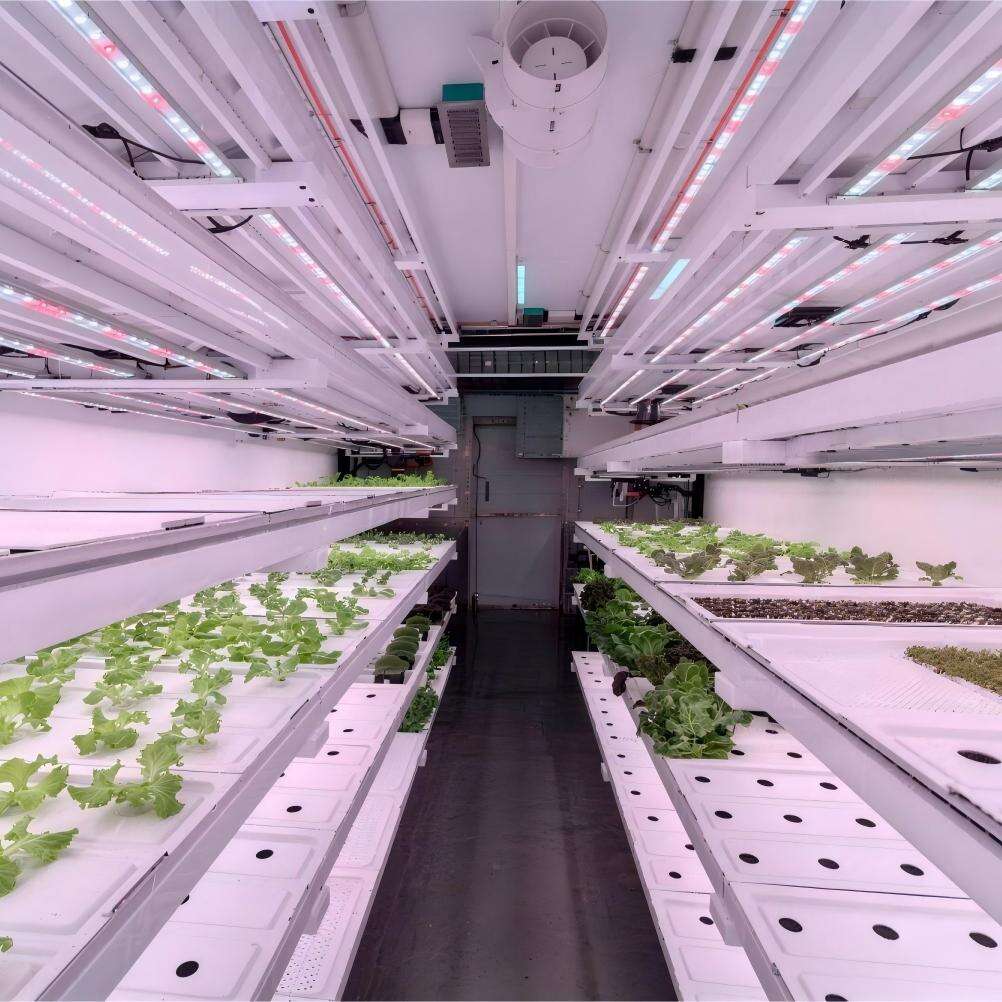
The nft system hydroponic excels in space optimization through its unique ability to accommodate vertical growing configurations that multiply production capacity within limited footprints. This space-efficient design makes the nft system hydroponic ideal for urban farming initiatives, where real estate costs demand maximum productivity per square foot. The lightweight nature of the system allows for multi-tiered installations that can reach significant heights without requiring extensive structural support, unlike heavy soil-based growing methods. Vertical nft system hydroponic setups enable growers to produce equivalent yields to traditional farms using just a fraction of the land area, making fresh food production viable in densely populated urban centers. The channel design of the nft system hydroponic facilitates easy stacking and arrangement in various configurations, from simple A-frame structures to complex multi-level towers that accommodate hundreds of plants in minimal floor space. This versatility allows operators to customize layouts based on available space, plant varieties, and production goals, whether in converted warehouses, shipping containers, or purpose-built growing facilities. The space efficiency of the nft system hydroponic also extends to transportation and storage benefits, as the modular components can be easily relocated or reconfigured as business needs change. Commercial growers particularly value how the nft system hydroponic enables expansion without requiring additional land purchases, instead maximizing existing facility potential through vertical integration. The system design accommodates automated harvesting equipment and robotic systems, further enhancing space utilization efficiency while reducing labor costs. Urban entrepreneurs leverage this space efficiency to establish profitable growing operations in previously unusable spaces like rooftops, basements, and abandoned buildings, creating local food sources that strengthen community food security while generating economic opportunities in underutilized urban areas.
Environmental Sustainability and Resource Conservation

Environmental Sustainability and Resource Conservation

The nft system hydroponic represents a pinnacle of environmental sustainability in modern agriculture, offering substantial resource conservation benefits that address critical global challenges including water scarcity, soil degradation, and chemical pollution. Water conservation stands as the most significant environmental advantage of the nft system hydroponic, which can reduce water consumption by up to 95 percent compared to traditional farming methods through its closed-loop recirculation system. This dramatic water savings occurs because the nft system hydroponic captures and reuses every drop of nutrient solution, preventing the runoff and evaporation losses common in conventional irrigation systems. The environmental impact extends beyond water conservation, as the nft system hydroponic eliminates the need for synthetic pesticides and herbicides that contaminate groundwater and harm beneficial insects and wildlife. The controlled growing environment of the nft system hydroponic naturally prevents pest infestations and diseases, reducing reliance on chemical interventions while producing cleaner, safer food products. Soil conservation represents another critical environmental benefit, as the nft system hydroponic removes agriculture pressure from natural soil ecosystems, allowing degraded farmland to recover and preventing further topsoil erosion. The system enables food production in areas with poor soil quality or contaminated land, expanding agricultural possibilities without compromising environmental integrity. Carbon footprint reduction occurs through localized food production capabilities of the nft system hydroponic, which can operate in urban environments near consumption centers, dramatically cutting transportation-related emissions. The energy efficiency of modern nft system hydroponic installations, particularly when combined with LED growing lights and renewable energy sources, creates carbon-neutral or even carbon-negative food production systems. Waste reduction benefits include elimination of plastic packaging for nutrient delivery, reduction in food spoilage through harvest-to-table proximity, and recycling of organic plant matter as compost for other applications, creating truly circular agricultural systems that align with sustainable development goals.

Get a Free Quote

Our representative will contact you soon.
Email
Name
Company Name
Message
0/1000