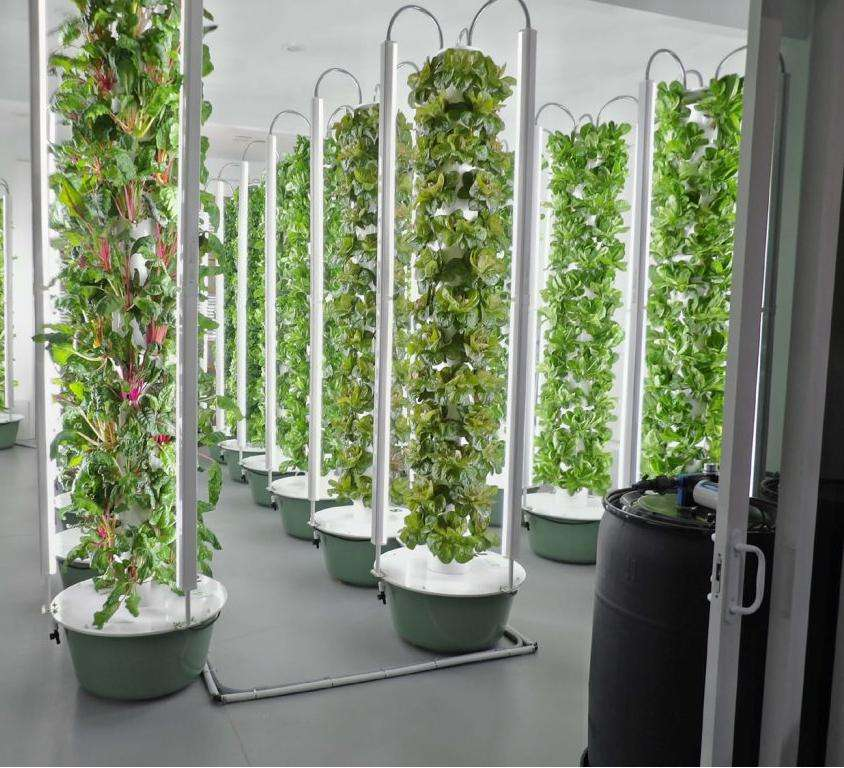
vertical tower growing system
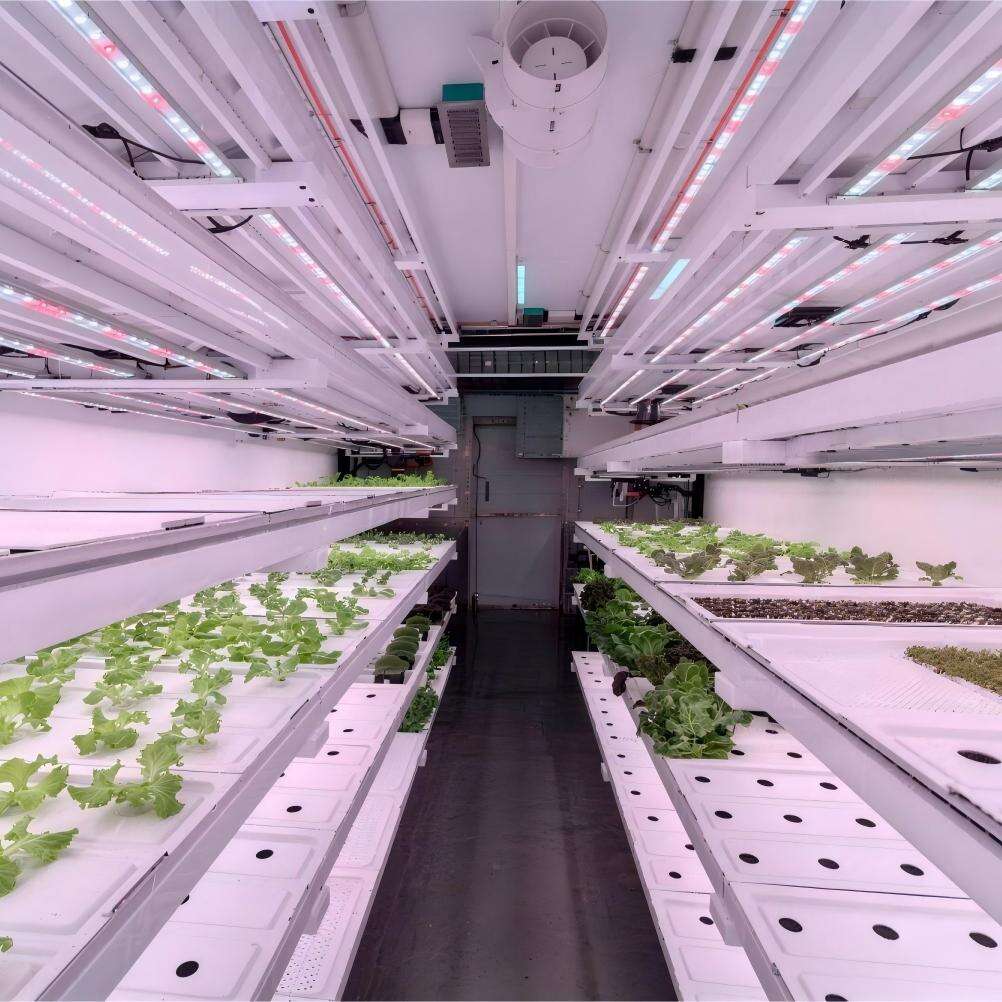
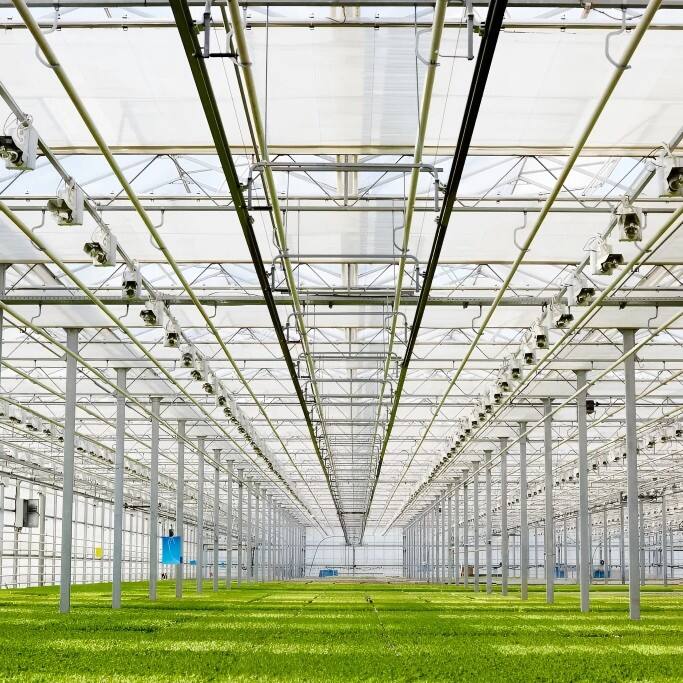
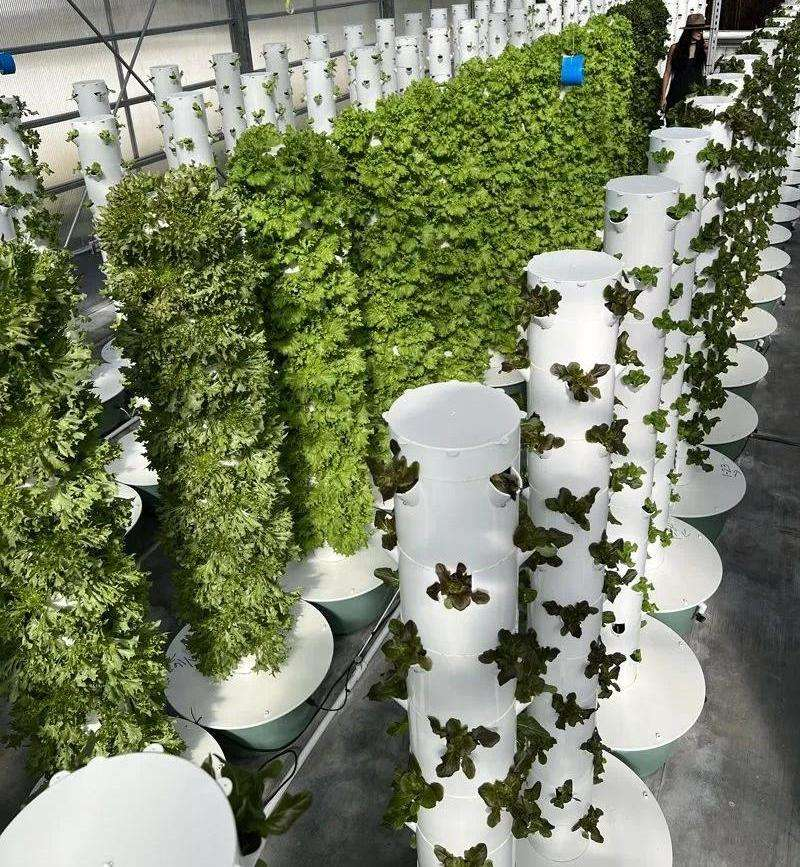
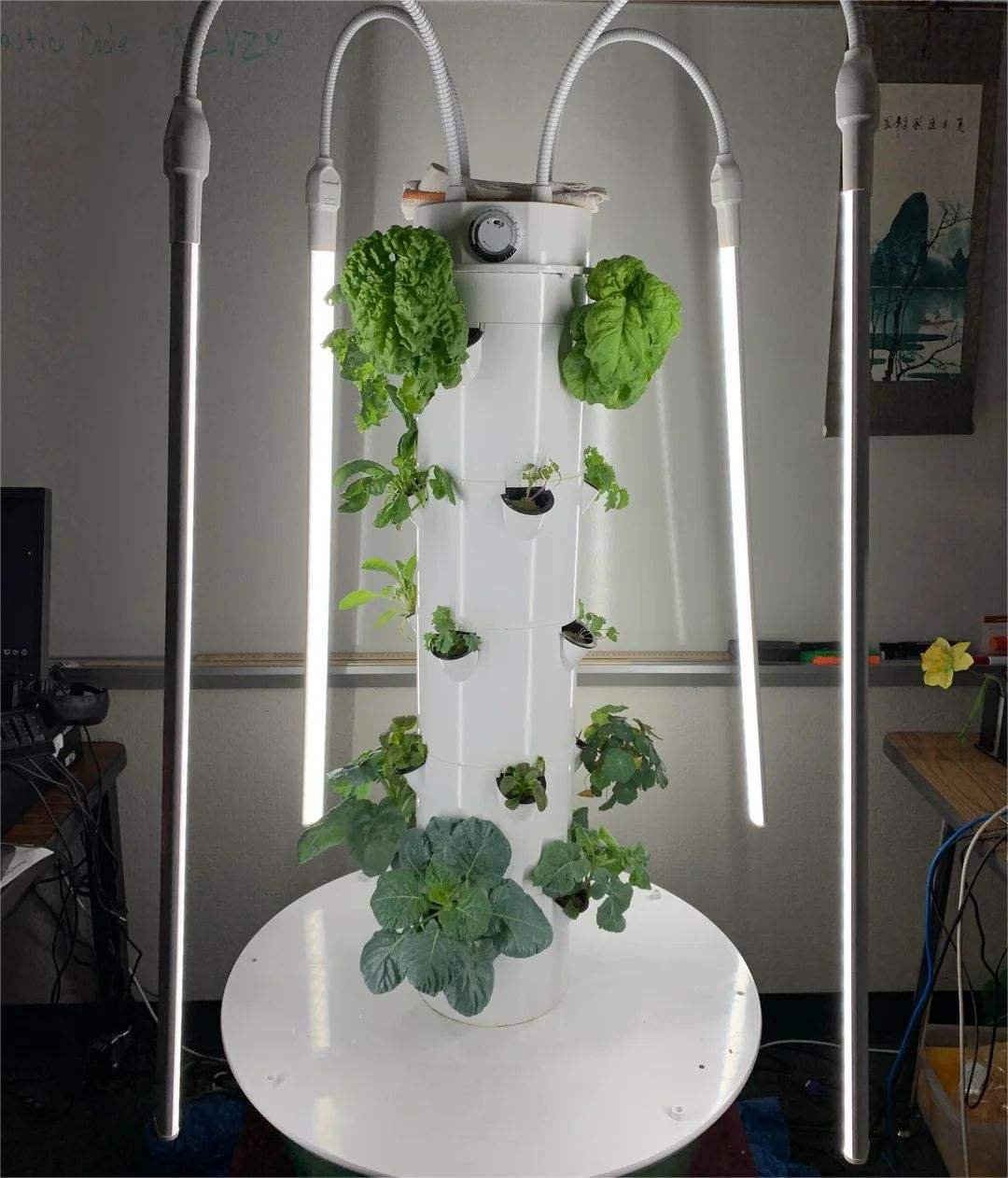
The vertical tower growing system represents a revolutionary approach to modern agriculture that maximizes crop production within minimal space requirements. This innovative farming solution utilizes vertically stacked growing chambers or levels, allowing cultivators to produce significantly more plants per square foot compared to traditional horizontal farming methods. The vertical tower growing system incorporates advanced hydroponic or aeroponic technologies, creating optimal growing conditions through precise nutrient delivery, controlled lighting, and automated environmental management. Each tower typically features multiple growing sites arranged in circular or spiral configurations, enabling plants to receive adequate light exposure and proper air circulation throughout the structure. The system integrates sophisticated sensors that continuously monitor pH levels, nutrient concentrations, temperature, humidity, and light intensity, ensuring plants receive exactly what they need for optimal growth. Water and nutrient solutions circulate through the tower via gravity-fed or pump-driven mechanisms, delivering essential minerals directly to plant roots while minimizing waste through recirculation processes. LED lighting arrays positioned strategically throughout each tower provide full-spectrum illumination, replacing natural sunlight and enabling year-round cultivation regardless of weather conditions or seasonal changes. The vertical tower growing system supports various plant types, from leafy greens and herbs to strawberries and compact vegetables, making it versatile for different agricultural applications. Modern towers often include automated seeding, transplanting, and harvesting capabilities, reducing labor requirements while maintaining consistent crop quality. Climate control systems regulate temperature and humidity levels, creating stable growing environments that promote faster plant development and higher yields. The modular design allows easy expansion or reconfiguration based on changing production needs, while the compact footprint makes these systems suitable for urban environments, greenhouses, warehouses, or outdoor installations. Smart monitoring software enables remote management and data collection, providing valuable insights into plant performance and system efficiency for continuous optimization.
 ×
×

 EN
EN