hydroponic vertical gardening systems
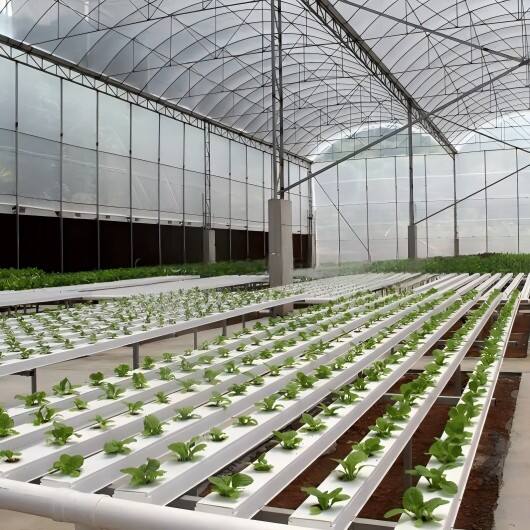
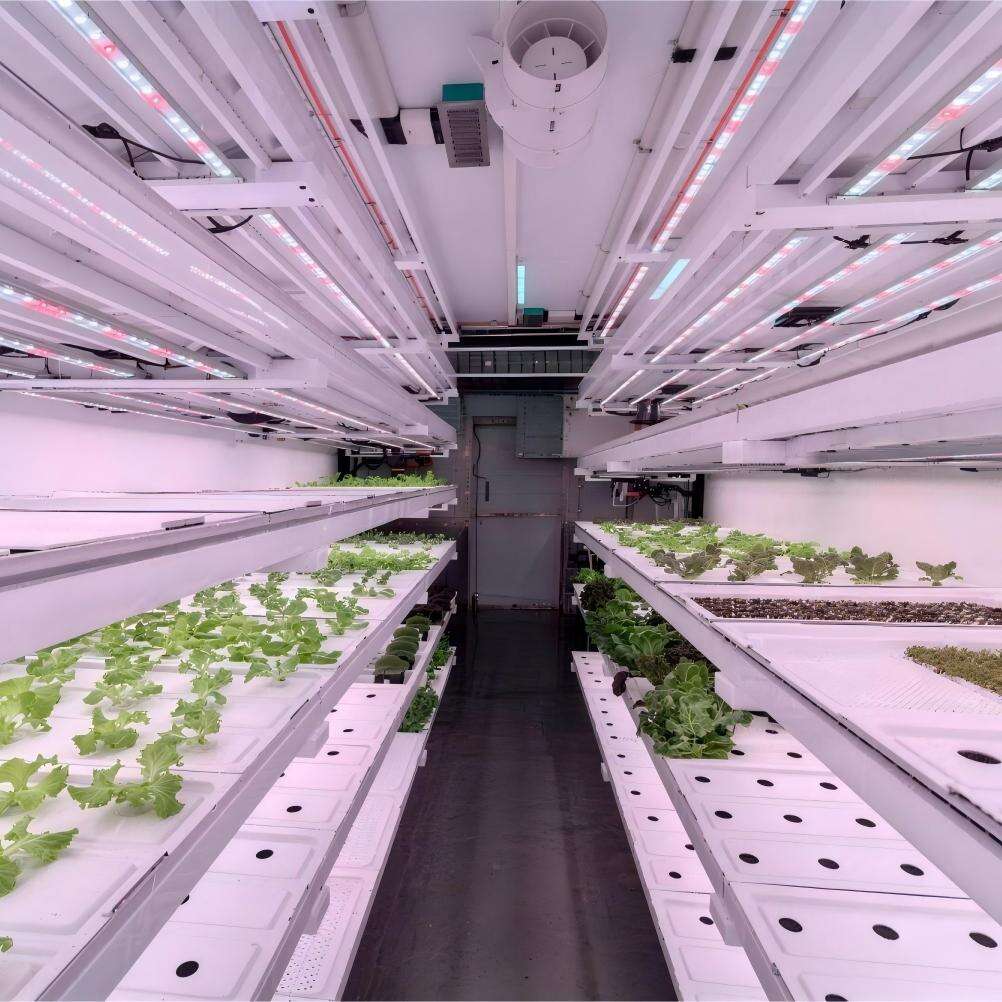
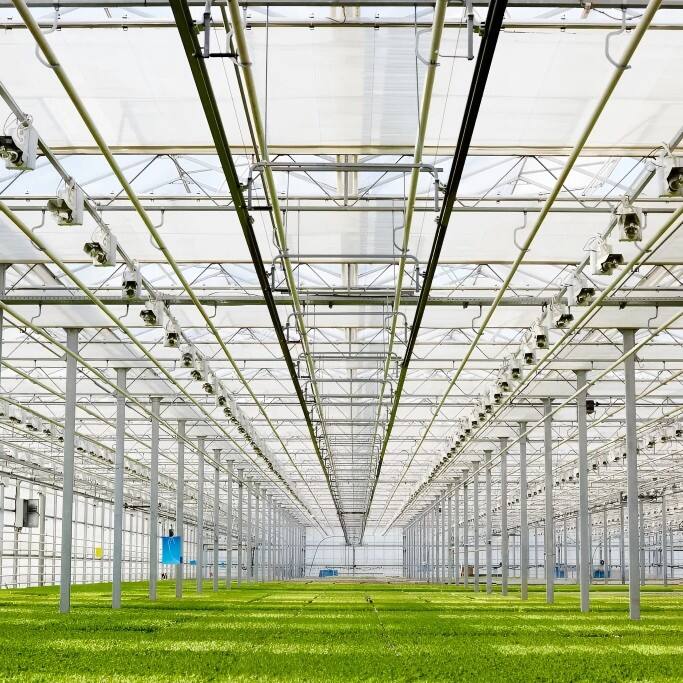
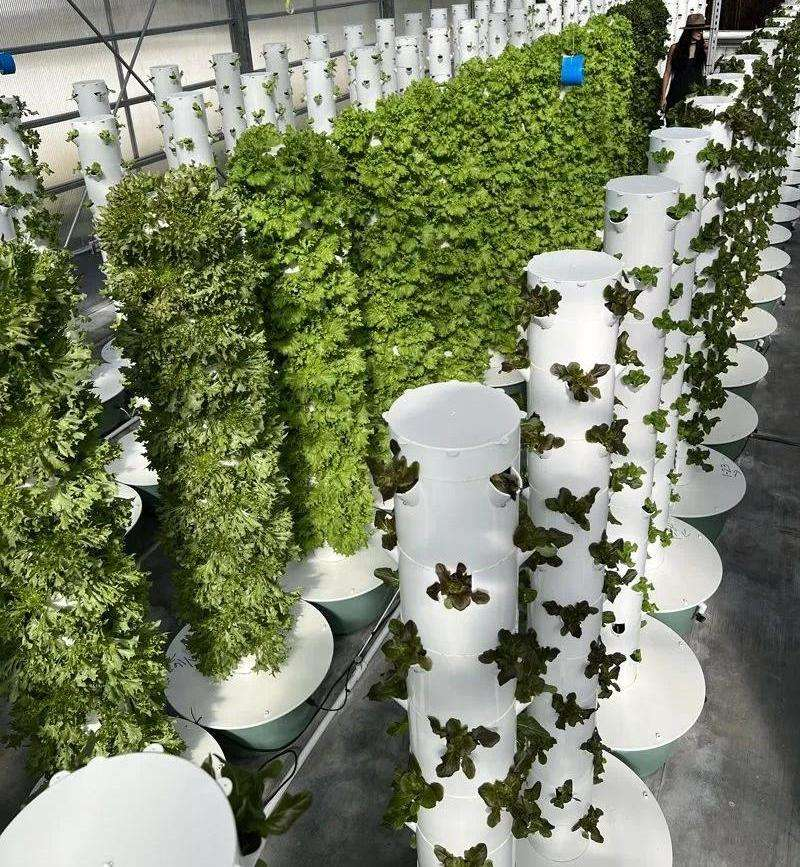
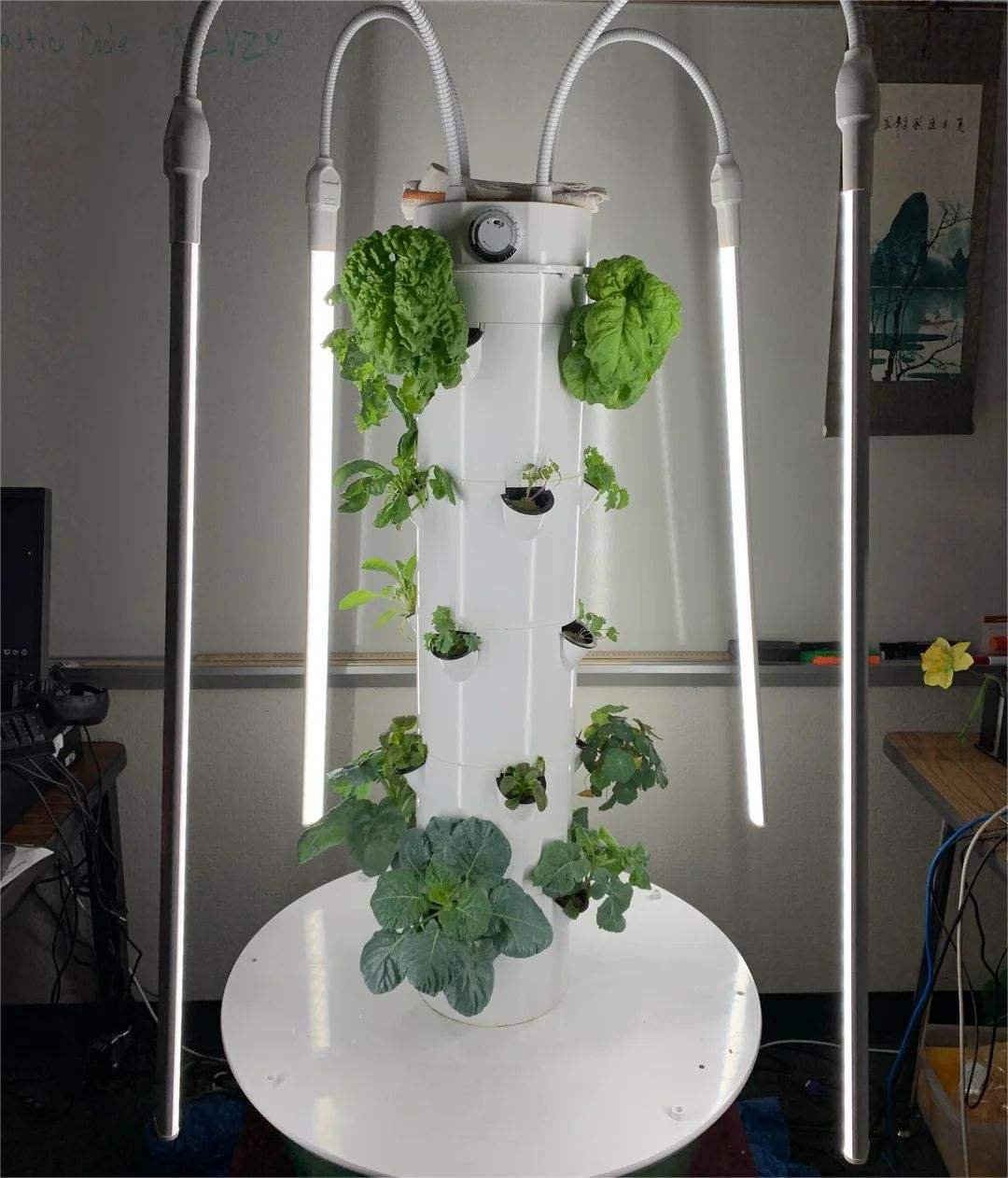
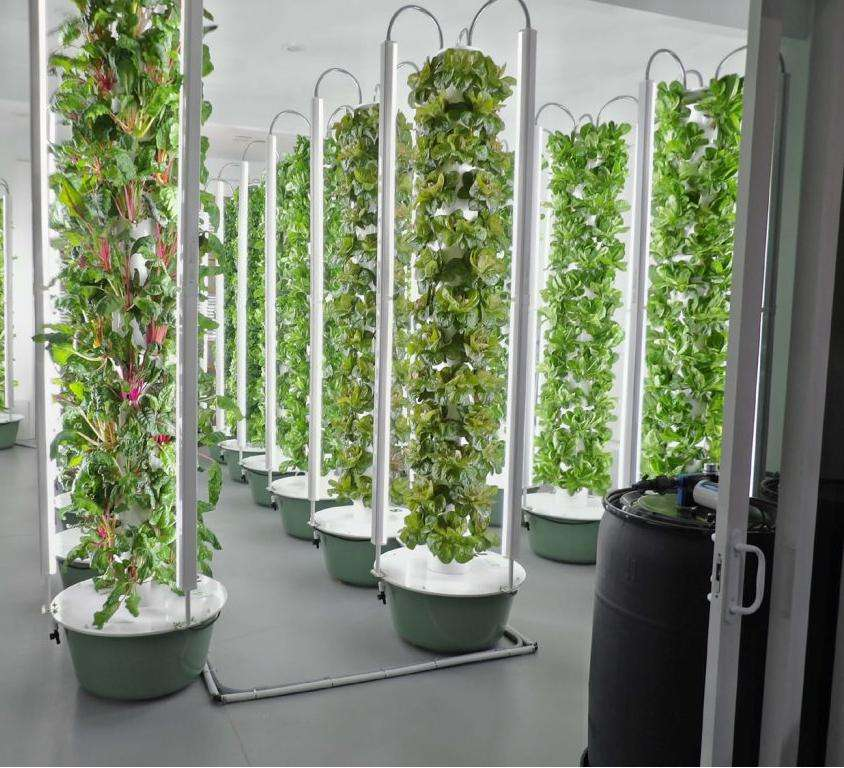
Hydroponic vertical gardening systems represent a revolutionary approach to modern agriculture that combines space-efficient design with soilless cultivation technology. These innovative systems grow plants vertically in stacked layers or towers, utilizing nutrient-rich water solutions instead of traditional soil. The main function centers on maximizing crop production within minimal floor space while maintaining optimal growing conditions through precise environmental control. These hydroponic vertical gardening systems integrate advanced technologies including automated nutrient delivery, LED lighting arrays, climate control mechanisms, and monitoring sensors that track pH levels, temperature, humidity, and nutrient concentrations. The core technological features include recirculating water systems that minimize waste, programmable lighting schedules that optimize photosynthesis, and modular designs that allow scalable expansion. Applications span residential homes, commercial greenhouses, urban farms, restaurants, schools, and research facilities. Homeowners utilize these hydroponic vertical gardening systems to grow fresh vegetables year-round in basements, garages, or spare rooms. Commercial operators implement larger installations for consistent crop production regardless of weather conditions or seasonal limitations. Educational institutions incorporate these systems for hands-on learning experiences in agriculture, biology, and sustainability studies. The technology supports various plant types including leafy greens, herbs, strawberries, tomatoes, and peppers. Advanced hydroponic vertical gardening systems feature smartphone connectivity for remote monitoring and control, allowing users to adjust settings from anywhere. Water usage efficiency remains a primary advantage, as these systems consume up to 95 percent less water than conventional farming methods. The controlled environment eliminates pesticide requirements while ensuring faster growth rates and higher yields per square foot compared to traditional agriculture methods.
 ×
×

 EN
EN