
 EN
EN


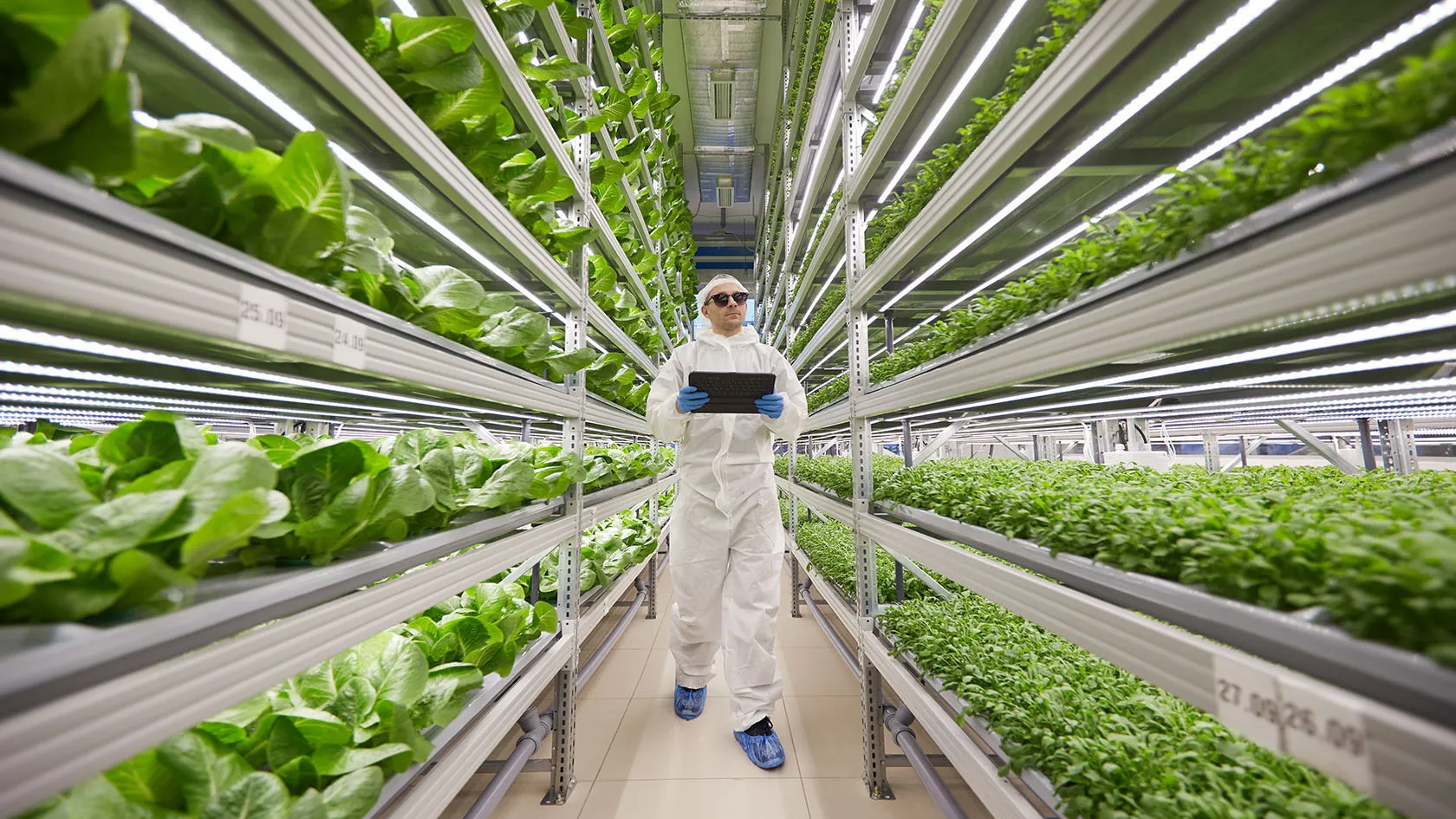
Modern agriculture is under increasing pressure to produce more food using less land. As urban populations grow and arable land becomes scarcer, growers and commercial producers are turning to innovative structural solutions that fundamentally change how crops are cultivated. vertical farming racks have emerged as one of the most practical and scalable answers to this challenge, enabling producers to stack growing layers upward rather than spreading outward across expensive or unavailable ground space.
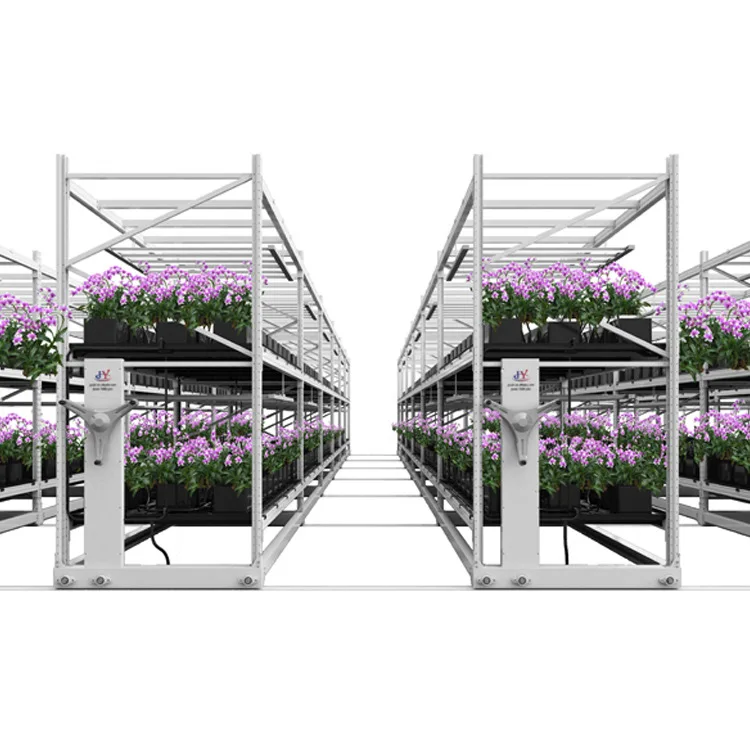
Understanding how vertical farming racks support space-saving agricultural production models requires looking beyond the physical structure itself. These systems reshape the entire logic of how a growing facility is designed, how resources are allocated, and how output per square meter is calculated. From compact urban greenhouses to large-scale controlled environment agriculture facilities, vertical farming racks are the structural backbone that makes high-density, space-efficient crop production operationally viable.
The Spatial Logic Behind Vertical Farming Racks
Replacing Horizontal Spread with Vertical Density
Traditional field agriculture and even conventional greenhouse production rely on horizontal space. Every plant occupies a fixed footprint on the ground, and increasing output means acquiring more land. Vertical farming racks break this constraint by introducing a tiered growing architecture where multiple crop layers occupy the same floor footprint simultaneously.
A single vertical farming rack unit can support anywhere from three to eight growing tiers depending on its design and the crop type being cultivated. This means that a facility using vertical farming racks can theoretically multiply its effective growing area by a factor of three to eight without expanding its physical building footprint. For producers operating in high-cost urban environments or within fixed greenhouse structures, this multiplication of usable growing space is a direct economic advantage.
The structural design of vertical farming racks is engineered specifically to support this density. Frames are built to bear the combined weight of growing trays, growing media, irrigation systems, and mature plant canopies across all tiers simultaneously. This load-bearing capacity is what separates purpose-built vertical farming racks from improvised shelving solutions that cannot safely sustain agricultural use over time.
Floor Space Utilization as a Production Metric
In space-saving agricultural production models, floor space utilization becomes a primary performance metric rather than a secondary consideration. Vertical farming racks allow facility managers to calculate output not just per square meter of floor space, but per cubic meter of facility volume. This shift in measurement logic is fundamental to understanding why vertical farming racks are so central to modern high-density growing operations.
When vertical farming racks are arranged in rows with optimized aisle spacing, the ratio of productive growing surface to total facility floor area increases dramatically compared to single-layer growing systems. Producers can achieve growing surface ratios that would be impossible with conventional bench or ground-level cultivation. This efficiency gain directly reduces the cost per unit of crop produced when facility overhead costs are factored into the calculation.
Mobile or rolling vertical farming racks take this efficiency even further by eliminating fixed aisle space. When racks are mounted on mobile bases, a single access aisle can serve an entire row of rack units, with racks sliding apart only when access is needed. This approach can recover an additional fifteen to thirty percent of floor space compared to fixed-aisle rack configurations, making it particularly valuable in facilities where every square meter carries significant cost.
How Vertical Farming Racks Enable Soilless and Controlled Environment Production
Structural Compatibility with Hydroponic and Aeroponic Systems
Space-saving agricultural production models almost universally rely on soilless cultivation methods such as hydroponics, aeroponics, or nutrient film technique. These methods are chosen precisely because they eliminate the need for soil volume, reduce water consumption, and allow precise nutrient delivery. Vertical farming racks are designed to be structurally and functionally compatible with these soilless systems, serving as the physical framework that holds growing channels, trays, or panels in their correct positions across multiple tiers.
The integration between vertical farming racks and soilless growing systems is not incidental. Rack designs intended for hydroponic use incorporate features such as drainage channels, irrigation line routing paths, and tray support profiles that align with standard hydroponic channel dimensions. This purpose-built compatibility means that vertical farming racks do not simply hold plants in place — they actively support the functional infrastructure of the entire growing system.
For aeroponic applications, vertical farming racks provide the rigid structural support needed to hold root chambers and misting nozzle assemblies in precise alignment. Any structural flex or misalignment in the rack frame can disrupt spray patterns and compromise root zone coverage. The rigidity and dimensional accuracy of well-engineered vertical farming racks is therefore a direct factor in the agronomic performance of the crops grown within them.
Supporting Lighting and Climate Integration
Controlled environment agriculture depends on delivering consistent light, temperature, humidity, and airflow to every plant in the facility. Vertical farming racks play a critical role in making this possible by providing defined, repeatable tier spacing that allows grow lights to be mounted at consistent distances from the crop canopy across all levels of the rack.
When vertical farming racks are designed with integrated light mounting rails or cross-member attachment points, facility operators can install LED grow light fixtures at precisely calibrated heights above each growing tier. This precision ensures uniform light distribution and prevents the uneven growth patterns that occur when lighting geometry is inconsistent. The structural predictability of vertical farming racks is therefore a prerequisite for achieving the crop uniformity that commercial buyers and food safety standards require.
Airflow management is equally dependent on rack geometry. Vertical farming racks that are designed with open frame structures and consistent tier spacing allow horizontal airflow to penetrate the canopy at each level, reducing humidity buildup and the disease pressure that comes with stagnant air. Facilities that use vertical farming racks with well-considered airflow geometry can maintain healthier growing conditions with less energy expenditure on climate control systems.
Assembly, Scalability, and Operational Flexibility
Modular Design for Phased Expansion
One of the most operationally significant features of modern vertical farming racks is their modular construction. Rather than requiring a facility to commit to a fixed layout from the outset, modular vertical farming racks allow producers to begin with a smaller installation and expand incrementally as production demand grows or as capital becomes available.
Modular vertical farming racks are designed so that individual units can be added to an existing row or array without requiring structural modifications to the units already in place. This plug-and-expand logic reduces the capital risk associated with scaling a vertical farming operation and allows facility managers to match rack capacity closely to actual production requirements rather than over-investing in infrastructure ahead of demand.
The ease of assembly associated with well-designed vertical farming racks also reduces installation labor costs and downtime. Rack systems that use pressure-fit or bolt-together connections rather than welded assemblies can be configured, reconfigured, or relocated by facility staff without specialized tools or contractor involvement. This operational flexibility is particularly valuable in commercial growing environments where crop rotation, seasonal production shifts, or facility repurposing may require layout changes over time.
Material Selection and Long-Term Durability
The growing environment inside a vertical farming facility is inherently demanding on structural materials. High humidity, irrigation water, nutrient solutions, and cleaning chemicals all create corrosion and degradation risks that standard industrial shelving is not designed to withstand. Vertical farming racks intended for agricultural use are typically constructed from galvanized steel, powder-coated iron, or stainless steel alloys that resist corrosion under these conditions.
Material durability directly affects the total cost of ownership of vertical farming racks over a multi-year production cycle. Racks that corrode, deform, or lose structural integrity within a few growing seasons impose replacement costs and production disruptions that erode the economic case for vertical farming. Producers evaluating vertical farming racks should assess not just the initial purchase price but the expected service life under the specific environmental conditions of their facility.
Surface finish quality is also relevant to food safety compliance. Vertical farming racks used in food production environments must have surfaces that can be cleaned and sanitized without harboring bacterial growth in crevices or surface defects. Smooth, continuous surface finishes on rack frames and tray supports reduce sanitation risk and simplify compliance with food safety audit requirements that are increasingly standard in commercial vertical farming operations.
Economic and Sustainability Dimensions of Space-Saving Rack Systems
Reducing Land and Infrastructure Costs
The economic case for vertical farming racks in space-saving production models is grounded in the cost structure of agricultural real estate and facility construction. In urban and peri-urban locations where vertical farming is most commercially relevant, land costs are typically the largest single capital expenditure in a new growing facility. Vertical farming racks allow producers to extract significantly more productive output from a given building footprint, effectively amortizing land and construction costs across a larger volume of crop production.
This cost compression effect becomes more pronounced as the number of tiers on vertical farming racks increases. A facility that can operate six-tier vertical farming racks rather than three-tier systems effectively doubles its productive capacity within the same building envelope, spreading fixed overhead costs across twice the output volume. The financial modeling of vertical farming operations consistently identifies rack tier count and floor space utilization as among the most sensitive variables in determining facility profitability.
Beyond land costs, vertical farming racks also reduce the infrastructure investment required for irrigation, lighting, and climate control on a per-plant basis. Because plants are concentrated in a defined three-dimensional space rather than spread across a large floor area, the run lengths of irrigation lines, the number of climate sensors required, and the volume of conditioned air that must be circulated are all reduced relative to the number of plants being grown. This infrastructure efficiency compounds the space-saving benefits of vertical farming racks into broader operational cost reductions.
Supporting Sustainable Production Practices
Vertical farming racks contribute to sustainability goals in ways that extend beyond simple space efficiency. By enabling high-density production in controlled indoor environments, vertical farming racks support growing models that use significantly less water than field agriculture, eliminate pesticide runoff, and allow year-round production independent of seasonal weather patterns. These characteristics align with the sustainability commitments that are increasingly required by institutional food buyers, retail chains, and regulatory frameworks.
The concentration of production enabled by vertical farming racks also reduces transportation distances when facilities are located close to urban consumption centers. Shorter supply chains reduce refrigeration energy consumption, post-harvest losses, and carbon emissions associated with food distribution. The space-saving production model that vertical farming racks enable is therefore not just an operational efficiency strategy — it is a structural component of more sustainable urban food systems.
Water recirculation systems, which are standard in most soilless growing operations using vertical farming racks, further reduce the environmental footprint of rack-based production. Nutrient solution that drains from upper tiers can be collected, filtered, and recirculated to lower tiers or back to the reservoir, minimizing waste and reducing the volume of nutrient solution that must be prepared and disposed of over a production cycle.
FAQ
What types of crops are best suited for production on vertical farming racks?
Leafy greens, herbs, microgreens, and strawberries are among the most commercially successful crops grown on vertical farming racks because of their relatively shallow root systems, short production cycles, and high value per unit of growing area. Crops with deep root systems or large canopy spread are generally less compatible with the tier spacing constraints of vertical farming racks, though specialized rack configurations can accommodate a wider range of species.
How do mobile vertical farming racks differ from fixed rack systems in terms of space efficiency?
Mobile vertical farming racks are mounted on rolling bases that allow entire rack units to be shifted laterally, consolidating multiple rows into a compact block when access is not needed. This eliminates the fixed aisle space that static rack systems require between every row, recovering fifteen to thirty percent of floor space compared to fixed configurations. The trade-off is a higher initial cost per rack unit and slightly more complex irrigation and electrical routing to accommodate rack movement.
What structural specifications should buyers evaluate when selecting vertical farming racks?
Key structural specifications for vertical farming racks include the load-bearing capacity per tier, the overall frame height and tier spacing, the corrosion resistance of the frame material and surface finish, the compatibility of tray support profiles with standard hydroponic channel dimensions, and the ease of assembly and reconfiguration. Buyers should also evaluate whether the rack design includes integrated mounting points for grow lights and irrigation line management features.
Can vertical farming racks be used in existing greenhouse structures, or do they require purpose-built facilities?
Vertical farming racks can be installed in existing greenhouse structures provided that the building has sufficient interior height to accommodate the rack tier count and that the floor loading capacity is adequate for the combined weight of the racks, growing media, irrigation systems, and crop biomass. Many producers retrofit existing greenhouse or warehouse spaces with vertical farming racks as a cost-effective alternative to constructing new purpose-built facilities, though structural assessment of the existing building is advisable before installation.
Table of Contents
- The Spatial Logic Behind Vertical Farming Racks
- How Vertical Farming Racks Enable Soilless and Controlled Environment Production
- Assembly, Scalability, and Operational Flexibility
- Economic and Sustainability Dimensions of Space-Saving Rack Systems
-
FAQ
- What types of crops are best suited for production on vertical farming racks?
- How do mobile vertical farming racks differ from fixed rack systems in terms of space efficiency?
- What structural specifications should buyers evaluate when selecting vertical farming racks?
- Can vertical farming racks be used in existing greenhouse structures, or do they require purpose-built facilities?