
 EN
EN



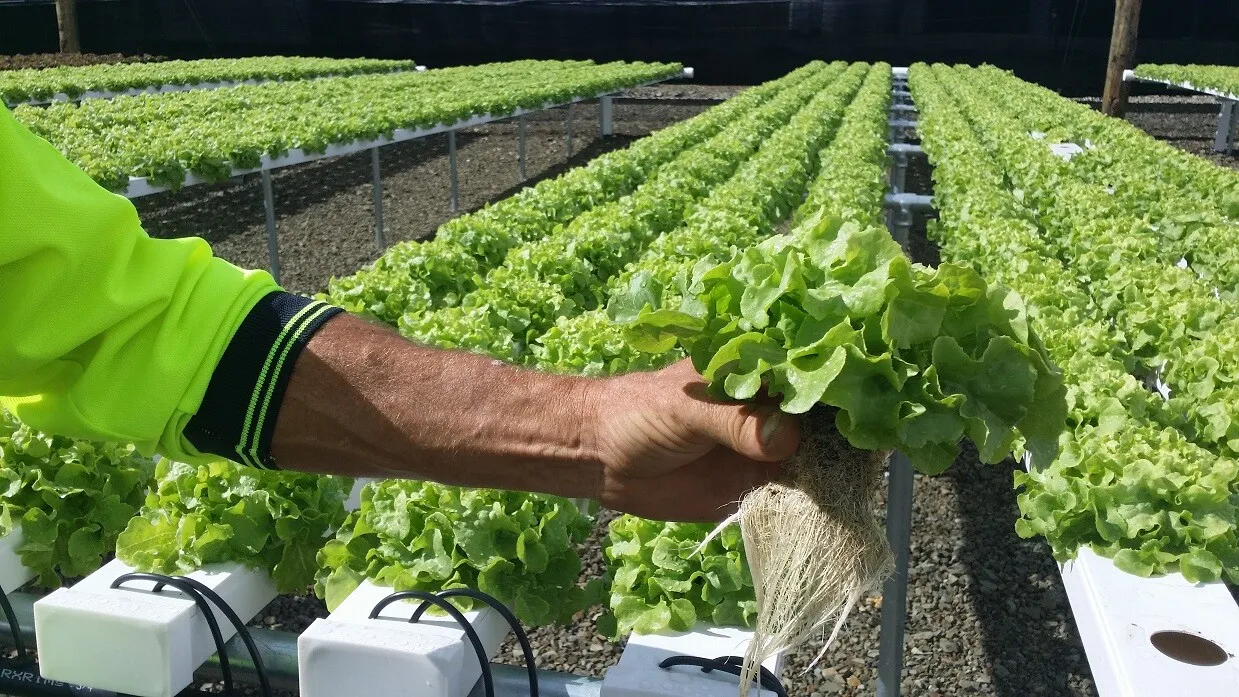
A hydroponic tower is far more than a visually striking way to grow plants vertically. At its core, it is an engineered system designed around one critical principle: keeping nutrients in constant, reliable motion so that every plant at every level receives exactly what it needs to thrive. Understanding how this circulation works is essential for any grower, facility manager, or agricultural entrepreneur who wants consistent yields, reduced waste, and a system that operates with minimal manual intervention. The way a hydroponic tower manages nutrient flow is what separates high-performing vertical gardens from systems that struggle with uneven growth and plant loss.
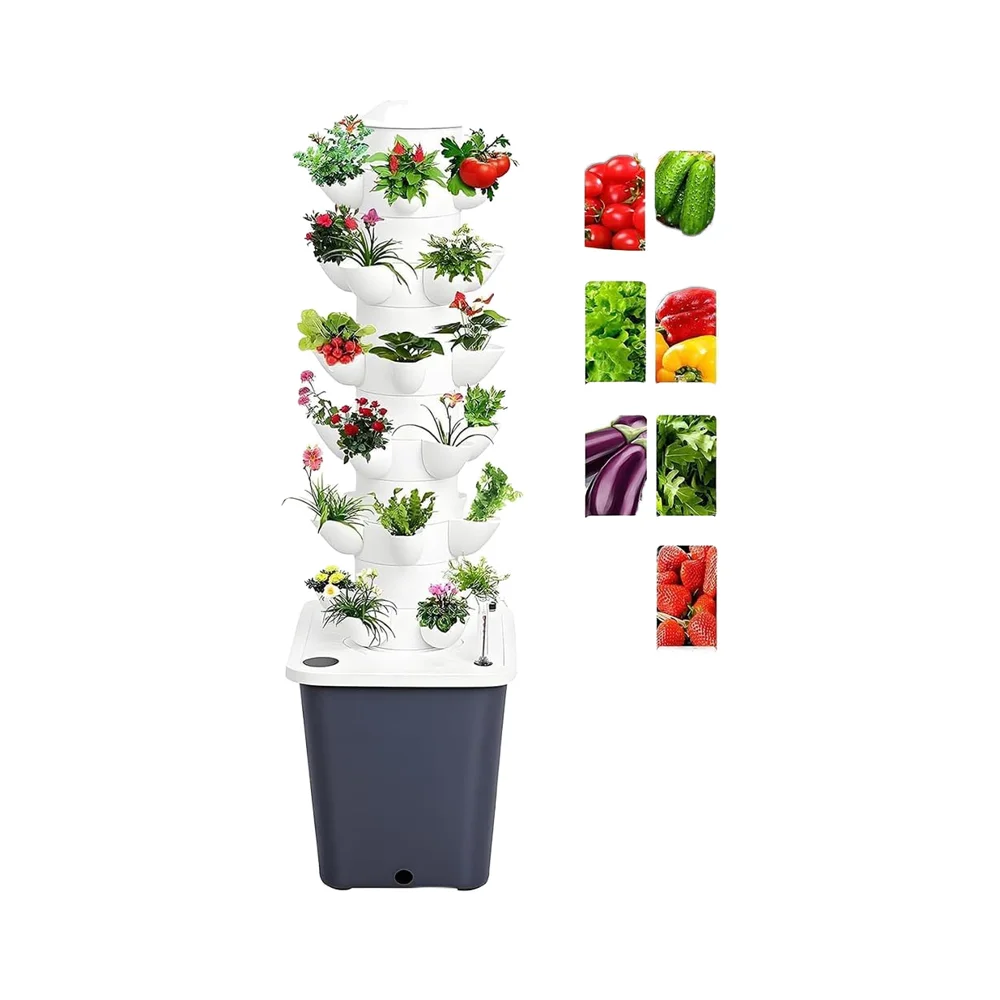
In vertical growing environments, the challenge of delivering nutrients evenly is amplified by gravity, distance, and the sheer number of plant sites arranged along a single column. A well-designed hydroponic tower addresses all of these variables through a closed-loop circulation architecture that pumps, distributes, collects, and recirculates nutrient-rich water continuously. This article breaks down exactly how that circulation mechanism works, why it matters for plant health, and what design elements make it function reliably across both indoor and outdoor applications.
The Core Circulation Mechanism Inside a Hydroponic Tower
How the Pump Drives the Nutrient Loop
Every functioning hydroponic tower relies on a submersible water pump housed at the base of the unit. This pump draws nutrient solution from the reservoir and pushes it upward through a central tube or column to the topmost point of the system. From there, gravity takes over, allowing the solution to cascade downward through each planting tier in a controlled, continuous flow. The pump is the heartbeat of the entire system, and its sizing directly determines whether every plant site receives adequate nutrition or whether the upper and lower zones develop at different rates.
Proper pump selection is one of the most technically important decisions in setting up a vertical hydroponic tower. A pump that is underpowered will fail to push solution to the top of a tall system, leaving upper plant pockets starved of nutrients. An oversized pump may cause turbulence, splashing, and oxygen depletion in the reservoir. Most quality systems are paired with matched pumps that deliver a precise flow rate calibrated to the number of growing tiers and the total height of the column, ensuring balanced delivery from top to bottom.
Modern systems often integrate timer-controlled pumps that cycle on and off at set intervals. This timed circulation approach prevents the roots from sitting in saturated conditions for too long, which can lead to oxygen deficiency. Timers allow the grower to control exactly how often the hydroponic tower pushes nutrients through the system, effectively tailoring the watering frequency to the crop type, ambient temperature, and growth stage of the plants.
The Role of the Central Column in Nutrient Distribution
The central column in a hydroponic tower is the primary conduit through which the pump delivers nutrient solution to the upper planting zones. In most vertical systems, this column is designed with precision-engineered outlets at each tier level, ensuring that a metered quantity of solution is released at each plant row rather than pooling at the top or rushing past lower pockets unevenly. This controlled release is what makes the distribution mechanism far more sophisticated than simply letting water trickle down an open surface.
Some advanced tower designs use spiral or helical internal channels that direct the nutrient solution to rotate around the column as it descends. This rotational motion ensures that even the plants positioned on the inner or shaded sides of the tower are exposed to flowing nutrient solution. For a hydroponic tower operating in a commercial or high-density growing environment, this kind of distribution accuracy translates directly into uniformity of yield across all plant sites, which is critical for consistent harvesting schedules.
Gravity-Fed Return Flow and Closed-Loop Architecture
How Drainage Returns Nutrients to the Reservoir
Once the nutrient solution has cascaded through the tiers of a hydroponic tower, it must return efficiently to the reservoir at the base so the cycle can repeat without interruption. This return flow is gravity-driven, meaning the excess solution that is not absorbed by plant roots drains downward through the column structure and drip channels until it collects in the lower reservoir. The design of these drainage paths is crucial — any blockage or pooling within the column can disrupt the loop and create stagnant zones where bacterial growth and root disease can develop.
A closed-loop system is what makes a properly engineered hydroponic tower both water-efficient and environmentally responsible. Because unused nutrient solution is recaptured and recirculated rather than discharged, the system loses very little water beyond evapotranspiration from the plants themselves. This closed architecture also means that nutrient concentrations can be maintained and adjusted in the reservoir without wasting expensive fertilizer inputs, giving the grower precise control over plant nutrition at all times.
Preventing Stagnation and Maintaining Solution Freshness
Continuous circulation is the single most effective defense against stagnation in a hydroponic tower. When nutrient solution sits motionless, it creates anaerobic zones where harmful bacteria and pathogens thrive, dissolved oxygen levels drop, and pH can shift rapidly. By keeping the solution in constant motion through the pump-and-gravity loop, the system maintains oxygen saturation in the water, which is vital for healthy root respiration. Roots in a well-circulating system are visibly more vigorous, white, and dense compared to those in poorly flowing systems.
Beyond the mechanical circulation, many growers add air stones or diffusers to the reservoir section of their hydroponic tower to inject additional dissolved oxygen into the solution before it is pumped upward. This supplemental oxygenation further enhances root health and accelerates nutrient uptake, particularly during warm periods when oxygen solubility in water naturally decreases. Maintaining solution temperature in the reservoir is another factor, as warmer water holds less oxygen and can harbor pathogens more readily than cooler, well-aerated solution.
Modular Design and Scalability of Nutrient Circulation
How Modular Tiers Affect Flow Dynamics
One of the defining features of a modern hydroponic tower is its modular construction, which allows growers to add or remove planting tiers depending on space, crop volume, and growth objectives. However, each additional tier added to a vertical system changes the hydraulic dynamics of the nutrient circulation loop. Taller configurations require more pump power to deliver solution to the uppermost pods, and the increased volume of flowing solution means the reservoir must be sized accordingly to maintain a consistent supply without running dry during active pump cycles.
A well-engineered modular hydroponic tower accounts for these changes in flow dynamics by using standardized connection interfaces between tiers that maintain consistent internal channel dimensions regardless of how many layers are stacked. This design principle ensures that adding a new tier does not create a bottleneck in the column or an uncontrolled surge in flow at lower tiers. For commercial operators who need to expand capacity incrementally, this kind of scalability without disruption to nutrient circulation is a major operational advantage.
Indoor and Outdoor Circulation Considerations
The environment in which a hydroponic tower operates has a significant impact on how the nutrient circulation system must be managed. In indoor settings, temperature and humidity are more controllable, which means the pump timer intervals and reservoir replenishment schedules can be set with greater precision. Evaporation rates are lower, so nutrient concentration in the reservoir changes more slowly, reducing the frequency of top-ups and pH adjustments needed to maintain ideal solution balance.
Outdoor hydroponic tower installations face more variable conditions, including temperature swings, direct sun exposure, wind, and rain. Heat accelerates evaporation and can raise reservoir temperatures to levels that stress roots and reduce dissolved oxygen. UV exposure can degrade certain reservoir materials and promote algae growth in the nutrient solution. Outdoor systems therefore benefit from reservoirs with opaque, UV-resistant materials that block light and moderate temperature fluctuations, along with more frequent monitoring of solution levels and EC readings to maintain stable nutrient circulation throughout the day.
Nutrient Delivery Precision and Plant Health Outcomes
How Circulation Frequency Affects Crop Performance
The frequency and duration of nutrient circulation cycles in a hydroponic tower have a direct and measurable impact on crop growth rates, yield density, and overall plant health. Leafy greens and herbs, for example, thrive with frequent short cycles that keep roots moist without prolonged saturation. Fruiting plants may require longer cycles to ensure deeper root penetration and consistent moisture at all tiers. Getting the circulation timing right is not a one-size-fits-all calculation — it requires understanding the crop's water uptake rate, root zone size, and ambient growing conditions.
The beauty of a timer-equipped hydroponic tower is that it removes the guesswork from circulation management. Programmable timers allow the grower to test different cycle lengths and intervals, observe plant responses, and dial in the optimal nutrient delivery schedule without the need for constant manual watering. This precision is particularly valuable in commercial applications where crop uniformity and predictable harvest timing are critical to profitability and supply chain commitments.
Maintaining Nutrient Balance Across All Plant Tiers
A common concern in vertical growing is whether plants at the top of a hydroponic tower receive the same quality and concentration of nutrient solution as those positioned at lower tiers. In a well-designed system, the solution flowing from the top downward is at its highest nutrient concentration when it first enters the column, and plants at each tier absorb a portion of those nutrients as the solution passes their root zones. By the time the solution reaches the reservoir again, its EC level has typically dropped slightly, which is why regular monitoring and top-up of the reservoir is part of standard tower management practice.
To minimize nutrient stratification across tiers, growers should ensure the reservoir volume is large enough relative to the number of plant sites so that the per-cycle depletion of nutrients is not drastic. A hydroponic tower with 30 or more plant pods needs a reservoir capacity that supports sustained circulation without the nutrient concentration dropping below effective thresholds between maintenance checks. Regular EC and pH testing of the reservoir ensures the solution delivered through the column remains balanced and effective for all plant tiers simultaneously.
System Maintenance for Reliable Long-Term Circulation
Cleaning and Flushing the Circulation Pathway
Even the best-designed hydroponic tower requires regular maintenance to keep its circulation pathways clear and functioning at peak efficiency. Over time, mineral deposits from nutrient salts can accumulate inside the central column, outlet ports, and drainage channels, gradually restricting flow and causing uneven distribution. Root debris that breaks off from plant pockets can also enter the circulation system and clog pump intakes or internal channels. Scheduled flushing of the entire system with clean water is one of the most effective ways to prevent these buildups.
A standard maintenance protocol for a hydroponic tower includes draining and cleaning the reservoir every two to three weeks during active growing cycles, inspecting the pump intake filter for debris, checking all tier outlets for blockage, and running a clean-water flush through the column before refilling with fresh nutrient solution. This routine not only extends the mechanical lifespan of the pump and column but also prevents the accumulation of pathogens that thrive in nutrient-rich residue left inside an uncleaned system.
Monitoring Pump Performance Over Time
The pump is the most mechanically active component of any hydroponic tower, and its performance should be monitored regularly to ensure circulation remains consistent over the life of the system. A pump that is losing flow rate due to wear, partial clogging, or impeller damage will deliver less nutrient solution to the upper tiers, creating a situation where upper-level plants underperform while lower tiers appear healthy. This kind of differential growth is often the first visible sign that the pump needs cleaning or replacement.
Investing in a quality, appropriately rated pump and keeping a spare on hand is a prudent operational decision for anyone running a hydroponic tower commercially. Pump failure, even for a single day, can stress plants significantly, particularly in warm environments where the root zone dries out quickly without the cooling and moisture provided by circulating nutrient solution. Monitoring the pump output regularly and acting on any reduction in flow rate immediately ensures that the continuous circulation the system depends on is never interrupted for long.
FAQ
How often should the pump run in a hydroponic tower system?
The ideal pump run frequency depends on the crop type, ambient temperature, and system size. Most growers start with cycles of 15 minutes on and 45 minutes off, then adjust based on observed plant moisture and root health. In warmer environments or with larger plant loads, more frequent shorter cycles may be required to keep the root zone moist and the nutrient solution well-oxygenated throughout the hydroponic tower.
What happens if the circulation pump in a hydroponic tower fails?
If the pump stops working, nutrient solution ceases to circulate, and plants in the hydroponic tower will quickly experience drought stress as root zones dry out. In warm conditions, this can cause visible wilting within hours. The reservoir may also begin to develop anaerobic conditions as dissolved oxygen levels drop without the movement of water. It is strongly recommended to keep a replacement pump available and check pump performance as part of regular maintenance checks.
Can the nutrient concentration differ between the top and bottom of a hydroponic tower?
Yes, there can be minor variation in nutrient concentration between tiers, as plants absorb nutrients from the solution as it flows downward. However, in a properly sized and maintained hydroponic tower with an adequate reservoir volume, these differences are minimal and do not significantly affect plant performance. Regular EC monitoring of the reservoir and timely top-ups of nutrient solution are the most effective ways to maintain consistent delivery across all tiers.
Is a hydroponic tower suitable for both indoor and outdoor use?
Yes, a hydroponic tower can function effectively in both indoor and outdoor environments, though each setting requires different management strategies. Indoors, the controlled climate makes circulation management straightforward and predictable. Outdoors, factors like temperature variation, evaporation, direct sunlight, and wind require more frequent monitoring of the reservoir level, nutrient concentration, and solution temperature to maintain stable circulation and plant health throughout the growing season.