
 EN
EN


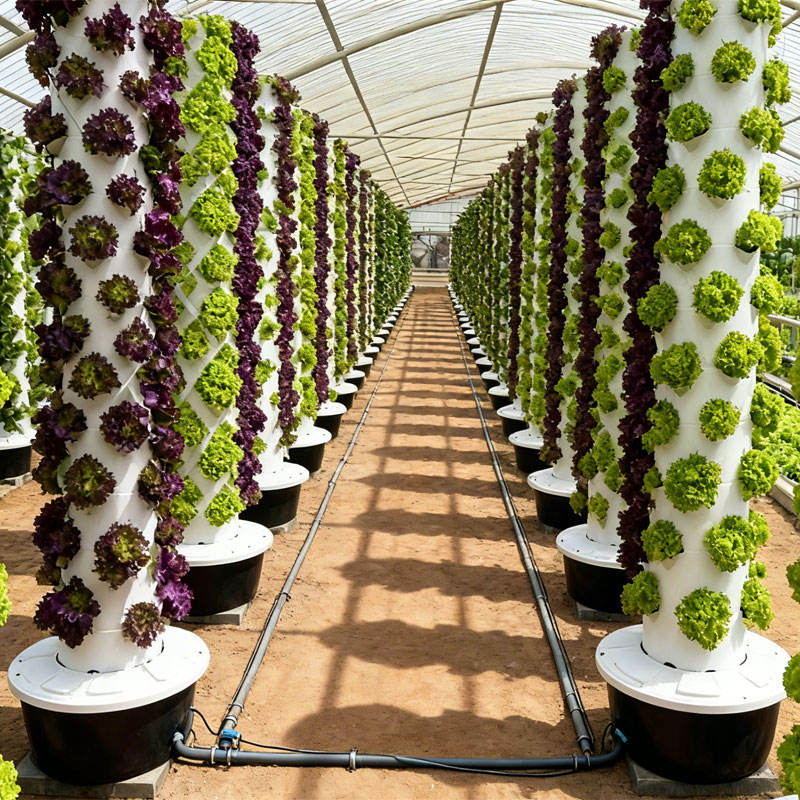
Indoor farming has entered a transformative era, and the vertical grow system stands at the forefront of this revolution. As urban populations expand and available cultivation space continues to shrink, growers — from hobbyists to commercial producers — are turning to innovative solutions that allow them to produce more food within a smaller footprint. A vertical grow approach stacks growing layers upward rather than spreading horizontally, fundamentally changing the spatial logic of indoor crop production and unlocking yield potential that flat, single-tier setups simply cannot match.
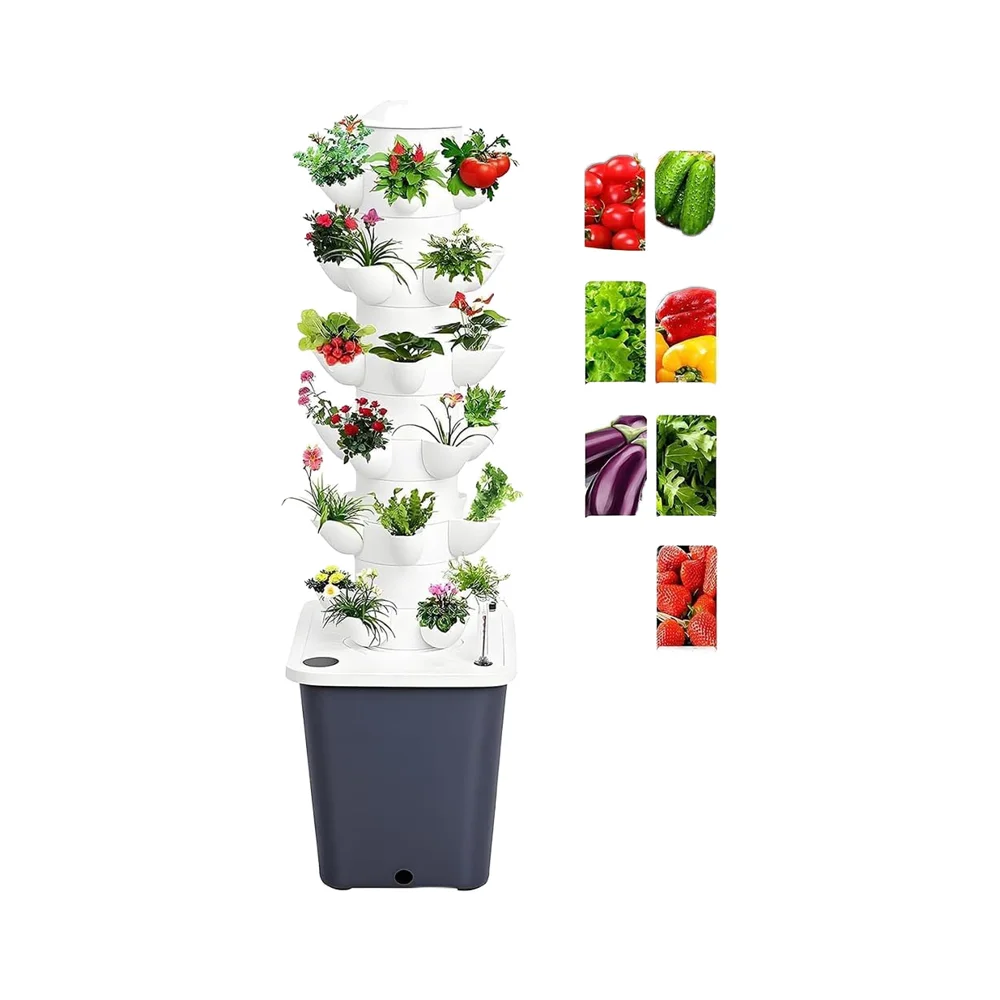
Understanding exactly how a vertical grow system improves crop yield in compact indoor environments requires looking beyond the obvious space-saving benefit. The improvements span multiple dimensions: light distribution, water efficiency, nutrient delivery, environmental control, and harvest frequency. Each of these factors works in concert to push productivity higher per square foot than almost any traditional growing method can achieve. This article breaks down the mechanisms behind that productivity gain and explains why the vertical grow model is increasingly the preferred choice for serious indoor cultivators.
The Core Mechanism Behind Vertical Grow Productivity
Spatial Multiplication and Its Direct Effect on Yield
The most immediate way a vertical grow system improves yield is through the multiplication of usable growing surface within a fixed floor area. A single square meter of floor space that once supported only one growing tier can now support four, five, or even six tiers stacked vertically. This is not merely a theoretical gain — it translates directly into a proportional increase in the number of plants that can be cultivated simultaneously. When each tier is properly designed with appropriate spacing and pod configuration, the total plant count per square foot rises dramatically without requiring any additional room.
In compact indoor environments such as apartments, dedicated grow rooms, converted closets, or small commercial grow facilities, this spatial multiplication is the single most impactful driver of yield improvement. Growers who previously harvested from twelve pods can now harvest from sixty or more pods occupying the same floor footprint. The math is straightforward, but the operational implications are significant: more plants mean more harvests per cycle, more product per month, and a fundamentally higher return on the physical space being used.
A well-designed vertical grow structure also keeps the cultivation area organized and accessible, which prevents the kind of plant overcrowding that can harm yield quality. Each tier receives its own growing space, ensuring that roots, stems, and canopy layers do not compete in ways that would diminish individual plant performance.
Structural Rigidity and Its Role in Consistent Crop Performance
Structural integrity is a factor that is often underappreciated in discussions about vertical grow productivity, yet it plays a critical role in maintaining consistent crop performance across all tiers. A high-rigidity frame that does not flex, tilt, or degrade under the weight of a full water reservoir, nutrient solution, growing media, and mature plants ensures that every tier remains level. Levelness is not cosmetic — it directly affects how nutrient solution flows through each pod, how water drains, and whether roots receive uniform moisture exposure.
When a vertical grow structure lacks rigidity, uneven weight distribution causes some pods to receive more solution than others. Over multiple growth cycles, this imbalance creates inconsistent plant development across tiers, with some plants thriving while others are stunted. The result is a lower average yield per plant and a harvesting process complicated by uneven maturity. High-rigidity construction eliminates this source of variability and supports the environmental uniformity that translates into reliable, repeatable yield improvements.
Hydroponic Nutrient Delivery as a Yield Multiplier
Why Hydroponic Systems Outperform Soil in Vertical Grow Configurations
The vast majority of high-performance vertical grow systems rely on hydroponic nutrient delivery rather than soil-based growing media. This choice is not arbitrary — hydroponics provides a level of precision and efficiency that is practically impossible to replicate with soil in a multi-tier vertical configuration. In a hydroponic vertical grow system, a nutrient-rich water solution is circulated directly to plant roots, bypassing the soil matrix entirely and delivering exactly what each plant needs without energy wasted on root expansion in search of nutrients.
This direct nutrient access accelerates plant growth rates significantly. Many leafy greens, herbs, and vegetables grown in a hydroponic vertical grow setup reach harvest maturity in thirty to fifty percent less time than the same varieties grown in soil. Faster growth cycles mean more harvests per year from the same set of pods, which compounds the yield advantage already established by the spatial multiplication of the multi-tier structure. The combination of more plants and faster cycles creates a compounding productivity effect that makes vertical grow systems extraordinarily efficient in compact indoor spaces.
Additionally, hydroponic systems in a vertical grow configuration use significantly less water than soil-based alternatives. Water is recirculated rather than lost to runoff or evaporation into a soil medium, meaning that the same volume of nutrient solution can support far more plant growth. In an indoor environment where water management also affects humidity levels and climate control costs, this efficiency has cascading benefits for both yield quality and operational sustainability.
Water Pump and Timer Integration for Consistent Root Zone Management
A critical technical feature of a well-designed vertical grow system is the integration of a water pump and timer into the base unit. This pairing automates the nutrient solution delivery cycle, ensuring that plant roots receive moisture at precise, programmable intervals throughout the day. Manual watering introduces variability — growers may water too frequently, not frequently enough, or at inconsistent intervals — all of which create stress responses in plants that suppress yield. Automated pump-and-timer systems eliminate this variability entirely.
Root zone consistency is one of the most powerful drivers of crop yield in any growing environment, and in a vertical grow system it becomes even more critical because the roots of plants in upper tiers must rely entirely on the distribution system rather than capillary action through a shared soil bed. When the pump and timer are calibrated correctly, every tier and every pod receives nutrient solution at the same intervals, at the same flow rates, and for the same duration. This consistency translates directly into uniform plant development, predictable maturity timelines, and reliable harvest weights.
Light Optimization in Multi-Tier Vertical Grow Environments
Eliminating Light Waste Through Vertical Distribution
Light management is one of the most technically nuanced aspects of optimizing a vertical grow system for maximum yield. In a traditional flat growing layout, artificial grow lights illuminate a large horizontal area, but much of that light energy is lost to reflection off non-plant surfaces and the spaces between plants. In a multi-tier vertical grow configuration, lights can be positioned at each tier level, dramatically reducing the distance between light source and plant canopy. Shorter light-to-canopy distance means higher photosynthetically active radiation reaches the leaves, which directly fuels faster and more vigorous growth.
This per-tier lighting approach also eliminates the shading problem that affects single-light overhead configurations. In a standard single-light setup over multiple rows of plants, taller plants shade shorter ones, creating uneven light distribution and inconsistent crop development. With a vertical grow system where each tier has its own dedicated light source positioned at the appropriate height, every plant receives a similar light exposure. This uniformity is a direct contributor to yield consistency — not just in total volume but in quality, with plants developing more uniformly dense and nutritious produce.
Light Cycle Control and Its Impact on Crop Frequency
One of the most powerful yield-improvement mechanisms in any indoor vertical grow environment is the ability to control the light cycle with precision. Unlike outdoor or greenhouse growing, where day length is dictated by season and geography, an indoor vertical grow system allows the grower to program custom light cycles for specific crops. Leafy greens, for example, thrive on extended light periods that would be impossible in natural winter conditions. By running lights for sixteen to eighteen hours per day year-round, growers can sustain growth rates that would only naturally occur during peak summer months.
This control over light cycles effectively eliminates seasonal yield fluctuations. A vertical grow system in a compact indoor environment produces at the same rate in December as it does in July, providing growers with a consistent, predictable output that is impossible to achieve with outdoor cultivation. For commercial operations, this translates into reliable inventory planning and a competitive advantage in markets where fresh produce supply is typically seasonal. For home growers, it means access to fresh herbs and vegetables throughout the year regardless of climate or location.
Environmental Control and Its Compounding Effect on Indoor Crop Yield
Temperature and Humidity Precision Within a Compact Grow Space
Compact indoor environments offer an inherent advantage when it comes to environmental control: the smaller the space, the easier and more cost-effective it is to maintain precise temperature and humidity levels. A vertical grow system that concentrates plant mass into a compact vertical structure allows growers to optimize the micro-climate around the growing area with minimal energy expenditure. Maintaining the ideal temperature range — typically between 65 and 75 degrees Fahrenheit for most leafy crops — ensures that metabolic processes in plants operate at peak efficiency, directly supporting faster growth and denser yield.
Humidity management is equally important in a vertical grow configuration. When humidity is too high, fungal diseases such as powdery mildew and botrytis can spread rapidly through a multi-tier system, potentially destroying entire crop batches. When humidity is too low, plants experience transpiration stress that slows growth. In a compact indoor space with a vertical grow structure, a single appropriately sized dehumidifier or humidifier can maintain the correct balance for the entire growing area, providing the stable atmospheric conditions that support maximum yield per plant.
Modular Design and Year-Round Operational Flexibility
Modern vertical grow systems are increasingly designed with modularity in mind, which has direct implications for yield optimization in compact indoor spaces. A modular vertical grow system allows growers to add or remove tiers based on current production needs, available space, or the specific crops being grown at a given time. This flexibility means growers are never locked into a fixed configuration that may be suboptimal for the crops they want to grow. Adjusting tier height to accommodate taller plants or adding a sixth tier when space permits keeps the system operating at peak productivity.
Modularity also supports staggered planting schedules, which is one of the most effective strategies for maximizing continuous yield from a compact vertical grow system. By planting different tiers at weekly intervals, growers can maintain a perpetual harvest cycle where some tiers are always at the point of maturity while others are at early growth stages. This approach eliminates the feast-or-famine cycle common in batch-based growing systems and ensures a steady daily or weekly harvest output that maximizes the productive value of the indoor space year-round.
Crop Selection and Suitability for Vertical Grow Systems
Identifying Crops That Maximize Vertical Grow Yield Potential
Not all crops benefit equally from a vertical grow system, and understanding which plants are best suited to the configuration is essential for maximizing the yield improvements the system enables. Leafy greens such as lettuce, spinach, kale, arugula, and Swiss chard are the highest-yielding crops in a vertical grow environment because of their compact root systems, rapid growth cycles, and high tolerance for close spacing within individual pods. These crops can reach harvest maturity in as little as three to five weeks under optimal hydroponic and lighting conditions, allowing for frequent successive harvests from the same pod positions.
Herbs including basil, mint, cilantro, parsley, and chives are also ideally matched to a vertical grow hydroponic system. Their shallow root requirements make them well-suited to pod-based growing configurations, and their high culinary value means that even modest pod counts can generate significant practical or commercial value. Strawberries are another excellent candidate for vertical grow systems, as their trailing growth habit actually benefits from the open exposure of vertical pod configurations, and their fruit density per plant is high relative to the space they occupy.
Growth Cycle Management for Maximum Continuous Output
Managing the growth cycle effectively within a vertical grow system is as important as any hardware feature in determining total yield output. Growers who approach their vertical grow setup with a structured planting and harvesting schedule consistently achieve significantly higher total yield than those who plant all pods simultaneously and harvest in single large batches. The staggered approach, where new seedlings are introduced into the system at regular intervals, maintains near-constant plant activity in the system and prevents downtime periods when pods sit empty between harvest and replanting.
Germination trays placed adjacent to the vertical grow structure allow seedlings to reach transplant readiness just as a maturing tier is harvested, ensuring seamless transitions with minimal gaps in productive occupancy. Over a twelve-month period, a well-managed staggered cycle in a six-tier, thirty-pod vertical grow system can produce output volumes that would require a much larger flat growing footprint to replicate. This efficiency is the ultimate expression of what vertical grow technology offers: doing significantly more with significantly less space.
FAQ
How many tiers does a typical vertical grow system have, and does more tiers always mean higher yield?
Most compact indoor vertical grow systems range from two to six tiers, with six being a practical upper limit for systems designed to fit within standard ceiling heights. More tiers do increase the total plant count and theoretical yield capacity, but only if each tier receives adequate light, consistent nutrient delivery, and proper airflow. Adding tiers without upgrading the lighting and circulation system can actually reduce per-plant yield on lower tiers due to light deprivation and nutrient imbalance. Yield improvement from additional tiers is real but conditional on proper system calibration at each level.
What types of crops are not suitable for a vertical grow hydroponic system?
Crops with deep or extensive root systems, large fruit masses, or tall growth habits are generally not well-suited to pod-based vertical grow configurations. Root vegetables such as carrots, beets, and potatoes require substantial growing media depth that pod systems cannot accommodate. Large fruiting plants such as tomatoes, cucumbers, and squash develop canopy structures that exceed the tier spacing of most compact vertical systems and require significant structural support. While some specialized large-format vertical grow systems can accommodate these crops, standard compact indoor systems are optimized for leafy greens, herbs, and small fruiting plants like strawberries.
How does a vertical grow system affect water and nutrient consumption compared to soil-based growing?
A hydroponic vertical grow system typically uses between seventy and ninety percent less water than an equivalent soil-based growing operation. This dramatic reduction is achieved because water and nutrients are recirculated through the system rather than being absorbed by a soil medium or lost to ground drainage. Nutrient concentrations can be monitored and adjusted precisely, which also reduces the quantity of nutrient solution required compared to the broadcast fertilization common in soil growing. For compact indoor environments where water access may be limited or where conservation is a priority, the efficiency of a vertical grow hydroponic system is a significant practical advantage alongside its yield benefits.
Can a vertical grow system be used outdoors as well as indoors?
Many modern vertical grow systems are designed for both indoor and outdoor use, provided that the structural materials are weather-resistant and the system is positioned to receive adequate natural light or supplemental artificial light in an outdoor setting. Outdoor vertical grow use introduces variables such as wind, temperature fluctuations, and pest exposure that indoor environments eliminate, but it also reduces the need for artificial lighting during seasons of strong natural sunlight. Modular systems designed for dual indoor and outdoor application offer growers the flexibility to relocate or expand their vertical grow operation seasonally, taking advantage of natural light outdoors in summer while maintaining controlled indoor production during winter months.
Table of Contents
- The Core Mechanism Behind Vertical Grow Productivity
- Hydroponic Nutrient Delivery as a Yield Multiplier
- Light Optimization in Multi-Tier Vertical Grow Environments
- Environmental Control and Its Compounding Effect on Indoor Crop Yield
- Crop Selection and Suitability for Vertical Grow Systems
-
FAQ
- How many tiers does a typical vertical grow system have, and does more tiers always mean higher yield?
- What types of crops are not suitable for a vertical grow hydroponic system?
- How does a vertical grow system affect water and nutrient consumption compared to soil-based growing?
- Can a vertical grow system be used outdoors as well as indoors?