
 EN
EN



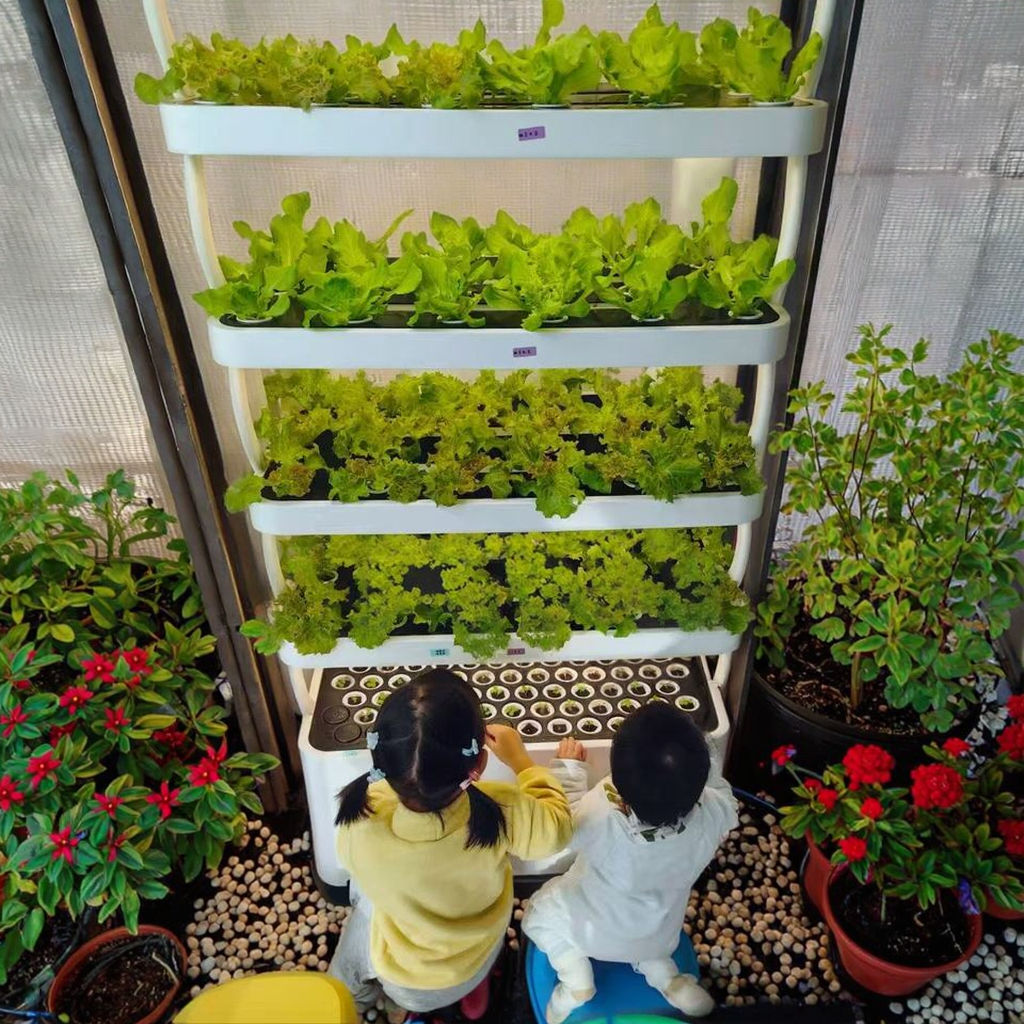
A well-designed hydroponic system is one of the most precise growing environments available to commercial and indoor farmers today. Unlike soil-based agriculture, where nutrient availability depends on complex biological and chemical interactions in the ground, a hydroponic system delivers dissolved nutrients directly to plant roots through a carefully managed water solution. This level of control makes it possible to grow a wide variety of crop types side by side — but only if nutrient balance is properly understood and actively managed.
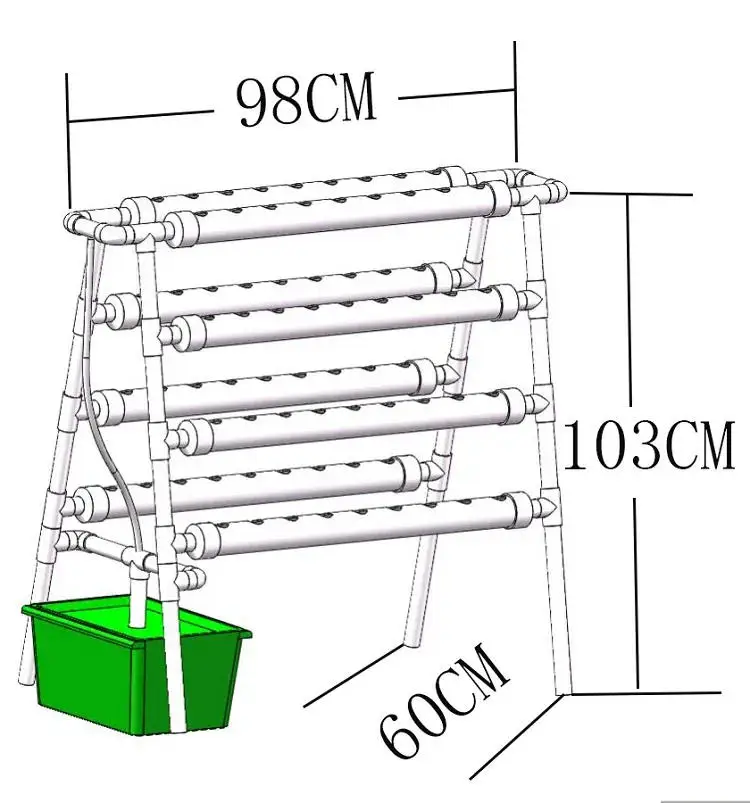
The challenge of balancing nutrient absorption across different crop types is one of the most technically demanding aspects of running a hydroponic system. Leafy greens, fruiting vegetables, herbs, and root crops all have distinct nutritional needs, different root architectures, and varying uptake rates. Understanding how a hydroponic system addresses these differences — through solution chemistry, delivery method, and environmental controls — is essential for growers who want consistent yields and high-quality produce without nutrient waste or crop deficiency.
The Role of Nutrient Solution Chemistry in a Hydroponic System
Macronutrient and Micronutrient Ratios by Crop Category
Every hydroponic system operates on the foundation of a precisely formulated nutrient solution. This solution contains both macronutrients — nitrogen (N), phosphorus (P), and potassium (K) — and micronutrients such as calcium, magnesium, iron, and manganese. The ratio of these elements must be adjusted depending on which crop types are being grown, because different plants prioritize different nutrients at different stages of their lifecycle.
Leafy greens like lettuce and spinach are heavy nitrogen consumers, especially during their vegetative phase. A hydroponic system supporting these crops will typically maintain a higher nitrogen ratio relative to potassium. In contrast, fruiting crops like tomatoes and peppers require elevated potassium and phosphorus levels during flowering and fruit set to support cell wall development and sugar transport. Running a single, fixed nutrient solution across both categories simultaneously creates an inherent imbalance that must be addressed through zoning or solution cycling.
Herbs such as basil and cilantro occupy a middle ground, generally preferring moderate nutrient concentrations with careful attention to iron and magnesium levels to maintain chlorophyll density and aromatic oil production. A hydroponic system must therefore be configured not just with a single formula but with a dynamic approach to solution management that reflects the distinct needs of each crop category in production.
EC and pH as Universal Balancing Tools
Two of the most critical parameters in any hydroponic system are electrical conductivity (EC) and pH. EC measures the total dissolved solids in the nutrient solution and serves as a proxy for overall nutrient concentration. pH determines which nutrients are available for root uptake at any given moment, since most nutrients become chemically inaccessible outside of the optimal pH range of approximately 5.5 to 6.5.
Different crops within the same hydroponic system may tolerate slightly different EC and pH ranges. Strawberries, for example, prefer a lower pH (around 5.5 to 6.0) compared to cucumbers, which thrive closer to 6.0 to 6.5. When multiple crops share a single reservoir in a hydroponic system, pH must be maintained at a compromise value that supports the widest range of nutrient availability across all crop types present. Automated dosing systems and continuous monitoring sensors make it possible to maintain these parameters dynamically throughout the day and across growth cycles.
Monitoring EC alongside pH allows operators of a hydroponic system to detect early signs of nutrient imbalance before they manifest as visible deficiency symptoms. A dropping EC in a shared reservoir, for instance, signals that plants are actively consuming nutrients faster than they are replenished — a pattern that can skew the solution composition over time and disadvantage crops with more sensitive nutritional requirements.
How Delivery Method Affects Nutrient Uptake Across Crop Types
NFT Channels and Root Zone Contact
The nutrient film technique (NFT) is one of the most widely used delivery methods in a commercial hydroponic system. In NFT, a thin, continuous stream of nutrient solution flows along the base of sloped channels, making contact with the lower portion of plant root mats. This method is highly efficient for fast-growing, shallow-rooted crops like lettuce, kale, and herbs, as their fibrous root systems are ideally suited to extracting nutrients from a thin film of solution.
However, the NFT-based hydroponic system presents challenges for crops with deeper or more expansive root systems. Tomatoes and cucumbers, for instance, develop thick root masses that can block NFT channels and reduce flow consistency, creating dry pockets where nutrient film fails to reach all root surfaces evenly. For these crops, wider channel profiles or alternative delivery methods may need to be integrated into the hydroponic system design to ensure consistent nutrient access throughout the root zone.
Growers who rely on NFT-style hydroponic system infrastructure for mixed crop production often segment their channels by crop type, assigning separate channel arrays to different plant categories. This zoning strategy allows each group of crops to receive a nutrient solution tailored to its specific requirements while still operating within a shared facility infrastructure.
Deep Water Culture and Drip Irrigation Variations
Beyond NFT, a hydroponic system may employ deep water culture (DWC) or drip irrigation to accommodate different crop profiles. In DWC, plant roots are suspended directly in oxygenated nutrient solution, giving them constant and unrestricted access to dissolved nutrients. This method suits crops with high nutrient demand and vigorous root growth, such as tomatoes, lettuce heads, and fast-growing herbs.
Drip irrigation in a hydroponic system delivers nutrient solution through emitters at the base of each plant, allowing much greater precision in targeting individual crop types with specific solution formulations. This method is especially valuable in a mixed-crop hydroponic system where tomatoes in one section require a high-potassium fruiting formula while basil in another section needs a lighter, high-nitrogen solution. Separate drip lines with independent dosing controls allow the hydroponic system to serve both crops simultaneously without compromise.
The choice of delivery method within a hydroponic system is not merely a mechanical decision — it directly determines how effectively the system can balance nutrient absorption across diverse crop types. Matching the delivery architecture to the root behavior and nutrient demand of each crop is one of the most important design decisions in building a high-performance hydroponic system.
Environmental Variables That Modify Nutrient Absorption Rates
Light Intensity and Nutrient Demand Correlation
Nutrient absorption in a hydroponic system does not occur in isolation from other environmental factors. Light intensity is one of the most powerful drivers of nutrient uptake rate, because photosynthesis directly fuels the metabolic processes by which plants absorb and process dissolved minerals. When crops in a hydroponic system receive higher light levels, their photosynthetic rate increases, driving greater water transpiration and accelerating the passive uptake of dissolved nutrients through the root system.
This relationship means that crops grown under high-intensity lighting in a hydroponic system will consume nutrients faster, potentially depleting the solution of key elements more rapidly than crops grown under moderate light. Leafy greens under supplemental LED lighting may absorb nitrogen so quickly that the solution becomes nitrogen-depleted within days, creating deficiency conditions for other crops sharing the same reservoir. Growers must account for this dynamic when designing nutrient replenishment schedules in a shared hydroponic system.
Segregating crops by their light requirements within a hydroponic system facility also helps align nutrient delivery with actual consumption rates. High-light fruiting crops can be housed in zones with greater illumination intensity and correspondingly richer nutrient solutions, while shade-tolerant or low-light herbs receive lighter concentrations that match their slower metabolic pace.
Temperature, Dissolved Oxygen, and Root Activity
Solution temperature plays a significant role in how efficiently roots absorb nutrients in a hydroponic system. Warm solution temperatures above 24°C reduce the dissolved oxygen content of the water, which impairs root respiration and slows active nutrient uptake. Cold solution temperatures below 18°C can reduce enzyme activity in root cells, making passive diffusion of nutrients less efficient. The optimal range for most crops in a hydroponic system falls between 18°C and 22°C, though some crops like spinach and lettuce tolerate and even prefer slightly cooler conditions.
Dissolved oxygen levels in the nutrient solution directly support root health and nutrient absorption capacity. In a well-maintained hydroponic system, oxygenation is achieved through air stones, venturi injectors, or the cascading action of recirculating solution. When oxygen levels are adequate, root cells remain healthy and metabolically active, ensuring that nutrients are absorbed at the rates the formulated solution intends. When oxygen is depleted, even a perfectly balanced nutrient solution cannot be absorbed efficiently, leading to apparent deficiency symptoms that are actually caused by root stress rather than formula error.
Zoning and Crop Segmentation Strategies in Commercial Hydroponic Systems
Separate Reservoir Management for Distinct Crop Groups
One of the most effective strategies for balancing nutrient absorption across different crop types in a hydroponic system is to implement separate reservoir zones for each crop category. Rather than attempting to find a single nutrient formula that partially satisfies all crops, a segmented hydroponic system uses dedicated tanks for leafy greens, fruiting crops, and herbs respectively — each formulated to the precise EC, pH, and nutrient ratio that each group requires.
This approach requires more infrastructure investment, but it allows a commercial hydroponic system to maximize yield quality across a diverse crop portfolio without the compromises inherent in a one-solution approach. Separate reservoirs also make it easier to monitor nutrient depletion patterns specific to each crop type, enabling more accurate replenishment and waste reduction.
In practice, many commercial hydroponic system operators run a three-zone configuration: a low-EC leafy green zone, a medium-EC herb zone, and a high-EC fruiting crop zone. Each zone is monitored independently and managed with its own dosing schedule, allowing the hydroponic system to serve each crop optimally without cross-contamination of nutrient solutions.
Crop Scheduling to Align Nutrient Cycles
Beyond physical zoning, crop scheduling is a powerful tool for balancing nutrient absorption in a hydroponic system. By staggering planting dates and harvest cycles, operators can ensure that crops at similar growth stages and with similar nutrient demands share the same reservoir at the same time. This reduces the internal nutrient competition that occurs when a young seedling with modest nutritional needs shares solution with a mature fruiting plant consuming nutrients at maximum rate.
Effective scheduling in a hydroponic system also accounts for the way nutrient solution composition drifts over time as plants selectively absorb specific elements. When crops with similar absorption profiles share a reservoir, the drift pattern is more predictable and easier to correct. Mixed-stage or mixed-species reservoirs in a hydroponic system create complex drift patterns that require more frequent testing and correction to maintain solution balance.
FAQ
Can a single hydroponic system nutrient solution work for all crop types?
A single nutrient solution can support multiple crop types in a hydroponic system, but it is unlikely to be optimal for all of them simultaneously. Most commercial operators use a compromise formula that sits within an acceptable range for several crop categories, then make fine adjustments through environmental controls, EC management, and crop zoning to compensate for the differences in nutritional demand between species.
How often should nutrient solution be changed in a hydroponic system growing multiple crops?
In a hydroponic system supporting diverse crop types, the nutrient solution should be fully replaced every one to two weeks, depending on crop density, growth stage, and the degree of EC drift observed between replenishments. More frequent full changes reduce the risk of nutrient imbalance accumulating to levels that affect crop quality. Partial top-ups with fresh solution can extend intervals, but they should always be paired with pH and EC monitoring to confirm solution integrity.
Does root competition between different crops affect nutrient absorption in a shared hydroponic system?
Root competition is most significant in a hydroponic system where crops with very different root architectures share the same channel or container. Dense root masses from fruiting crops can restrict solution flow and reduce the effective exposure of neighboring crop roots to the nutrient film. Proper channel sizing, adequate spacing, and periodic root pruning help manage this issue and maintain balanced nutrient access across all plants in the system.
What signs indicate nutrient imbalance in a hydroponic system across crop types?
Common indicators of nutrient imbalance in a hydroponic system include yellowing of older leaves (nitrogen deficiency), purple leaf undersides (phosphorus deficiency), brown leaf edges (potassium deficiency), and interveinal chlorosis (iron or magnesium deficiency). When these symptoms appear selectively in certain crop types within a shared system, it typically signals that the nutrient formula or pH level is not optimized for those specific crops, and zone-specific adjustments should be made promptly.
Table of Contents
- The Role of Nutrient Solution Chemistry in a Hydroponic System
- How Delivery Method Affects Nutrient Uptake Across Crop Types
- Environmental Variables That Modify Nutrient Absorption Rates
- Zoning and Crop Segmentation Strategies in Commercial Hydroponic Systems
-
FAQ
- Can a single hydroponic system nutrient solution work for all crop types?
- How often should nutrient solution be changed in a hydroponic system growing multiple crops?
- Does root competition between different crops affect nutrient absorption in a shared hydroponic system?
- What signs indicate nutrient imbalance in a hydroponic system across crop types?