
 EN
EN



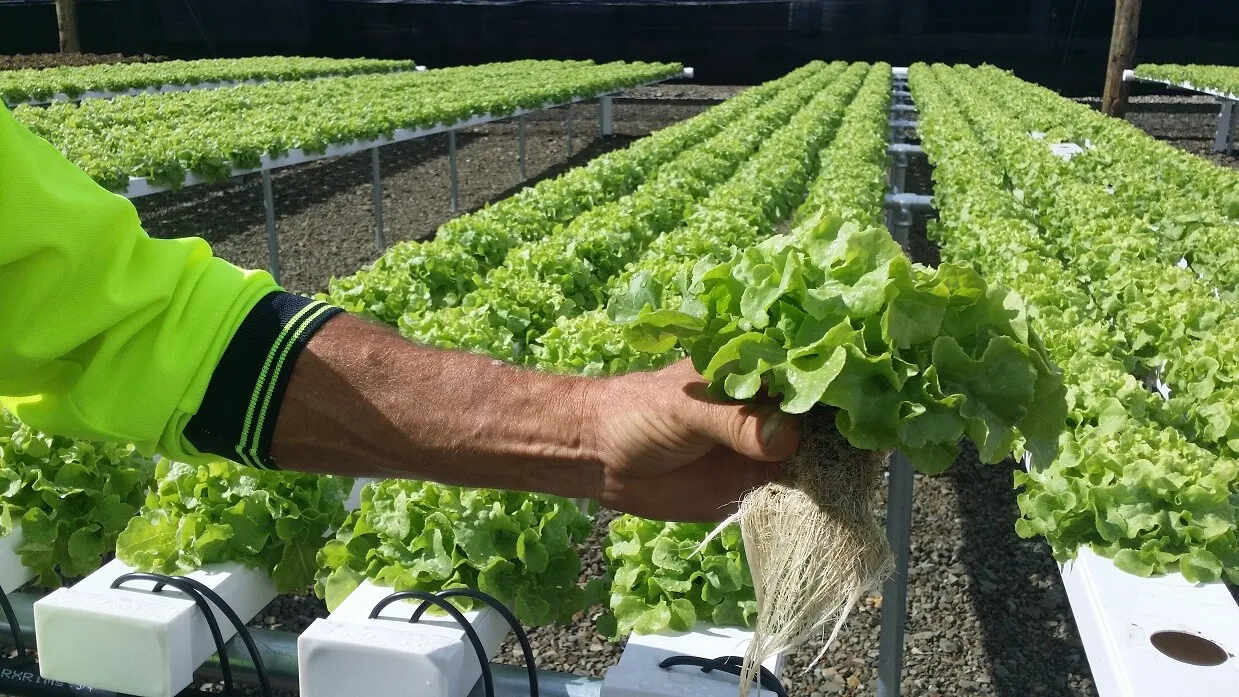
Modern agriculture is undergoing a fundamental transformation, and at the center of this shift is the hydroponic system — a method that eliminates the need for soil entirely while delivering consistent, high-quality crop yields. As urban populations grow and arable land becomes increasingly scarce, farmers, commercial growers, and agricultural entrepreneurs are turning to soil-free cultivation as a practical and scalable solution. The hydroponic system makes this possible by delivering water, nutrients, and oxygen directly to plant roots in a precisely controlled environment, bypassing the limitations that traditional soil-based farming imposes.
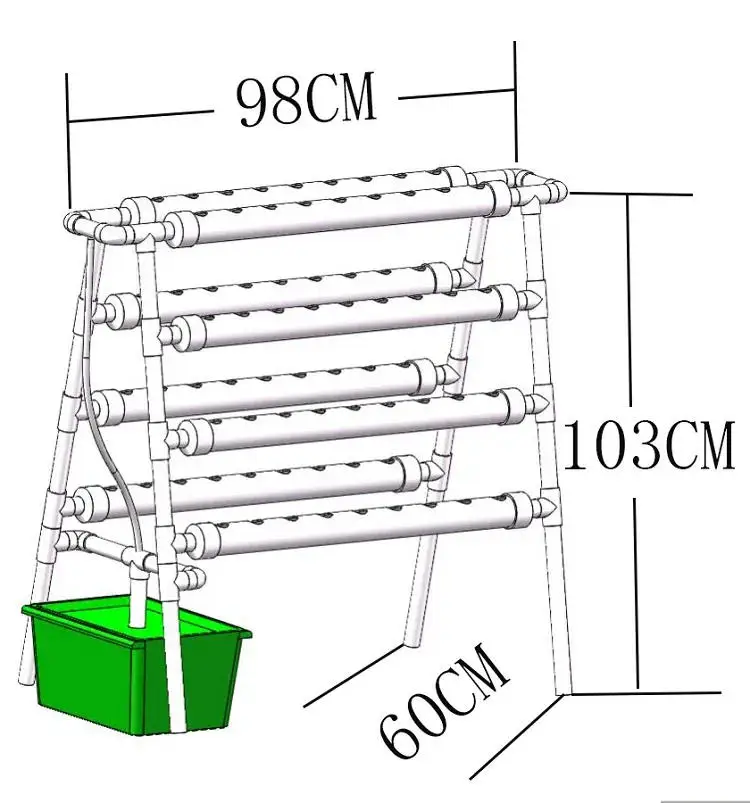
Understanding how a hydroponic system supports soil-free cultivation requires looking at both the underlying science and the practical engineering that makes it work. Unlike conventional farming, where plants depend on soil as a medium for nutrient absorption and root anchoring, a hydroponic system replaces soil with inert growing media or bare root exposure in nutrient-rich water channels. This approach gives growers unprecedented control over plant nutrition, growth rates, and environmental conditions — all of which translate into measurable advantages for modern agricultural operations of any scale.
The Core Mechanism Behind Soil-Free Plant Growth
How Roots Function Without Soil
One of the most common questions about a hydroponic system is how plants can survive and thrive without soil. The answer lies in understanding what soil actually provides: a medium for root support, a reservoir for water, and a carrier for dissolved nutrients. A hydroponic system replicates all three of these functions through engineered alternatives. Roots are supported by inert media such as rockwool, clay pebbles, or perlite, or they are suspended directly in oxygenated nutrient solution channels.
In a well-designed hydroponic system, plant roots have direct and continuous access to a balanced nutrient solution that contains all the macro and microelements required for healthy growth. Because the nutrients are already dissolved and immediately available, plants do not need to expend energy developing extensive root systems to search for food. This energy is redirected toward above-ground growth, which is why crops grown in a hydroponic system typically mature faster and produce higher yields than their soil-grown counterparts.
Oxygen availability at the root zone is another critical factor. In soil, poor drainage or compaction can suffocate roots. A hydroponic system addresses this by actively aerating the nutrient solution or by designing channels that expose roots to both water and air simultaneously, as seen in NFT (Nutrient Film Technique) configurations. This dual exposure to nutrients and oxygen is one of the primary reasons a hydroponic system supports such vigorous, soil-free plant development.
The Role of Nutrient Solution Management
The nutrient solution is the lifeblood of any hydroponic system. Unlike soil, which contains variable and often unpredictable nutrient profiles, a hydroponic system uses a precisely formulated liquid solution that delivers exactly what each crop needs at each stage of its growth cycle. Growers can adjust the concentration, pH, and composition of the solution in real time, responding to plant signals and environmental changes with a level of precision that soil farming simply cannot match.
Maintaining the correct pH range — typically between 5.5 and 6.5 for most crops — is essential in a hydroponic system because nutrient uptake efficiency is directly tied to pH levels. When pH drifts outside the optimal range, certain nutrients become chemically unavailable to plants even if they are present in the solution. Modern hydroponic system setups include automated pH monitoring and dosing equipment that keeps the solution within the ideal range continuously, removing one of the most common sources of crop stress in traditional farming.
Electrical conductivity (EC) monitoring is equally important. EC measures the total dissolved solids in the nutrient solution, giving growers a reliable indicator of nutrient concentration. A properly managed hydroponic system uses EC readings to ensure plants are neither underfed nor overfed, both of which can impair growth and reduce yield quality. This level of nutritional precision is a defining advantage of soil-free cultivation through a hydroponic system.
Key Hydroponic System Configurations That Enable Soil-Free Cultivation
NFT Channel Systems and Their Structural Logic
The Nutrient Film Technique is one of the most widely adopted configurations in commercial hydroponic system design. In an NFT setup, a thin, continuous film of nutrient solution flows along the bottom of sloped channels — typically made from PVC pipes or purpose-built plastic channels — while plant roots rest partially in the flowing solution and partially in the air above it. This design gives roots simultaneous access to nutrients, water, and oxygen, which are the three essentials for soil-free cultivation.
NFT-based hydroponic system configurations are particularly well-suited for leafy greens, herbs, and other fast-growing crops. The channels are lightweight, modular, and easy to scale, making them a practical choice for both indoor vertical farms and greenhouse operations. The continuous flow design also means that nutrient solution is recirculated rather than wasted, which contributes to the water efficiency that makes a hydroponic system environmentally attractive compared to conventional irrigation-based farming.
The structural simplicity of NFT channels also supports high-density planting. Because each plant occupies a defined position in the channel with its roots contained within the flow path, growers can pack significantly more plants into a given footprint than soil-based rows would allow. This spatial efficiency is one of the reasons a hydroponic system is increasingly favored in urban agriculture and controlled environment agriculture (CEA) facilities where land cost is a major constraint.
Deep Water Culture and Recirculating Systems
Deep Water Culture (DWC) is another foundational hydroponic system approach that supports soil-free cultivation by suspending plant roots directly in an oxygenated nutrient reservoir. Plants are held in net pots above the reservoir, with roots extending down into the solution. Air pumps and diffusers continuously oxygenate the water, preventing root suffocation and promoting rapid nutrient uptake. DWC is known for producing exceptionally fast growth rates, particularly in crops like lettuce, basil, and spinach.
Recirculating hydroponic system designs, which include both NFT and recirculating DWC variants, are valued for their resource efficiency. Nutrient solution that is not absorbed by plants is collected, filtered, and returned to the reservoir for reuse. This closed-loop approach dramatically reduces water consumption compared to open-field irrigation and minimizes nutrient runoff, which is a significant environmental concern in conventional agriculture. For operations focused on sustainability metrics, a recirculating hydroponic system offers a compelling combination of productivity and resource stewardship.
Hybrid configurations that combine elements of multiple hydroponic system types are also gaining traction in large-scale commercial operations. These systems are engineered to match the specific requirements of target crops, balancing root zone oxygen levels, nutrient delivery frequency, and environmental control to optimize yield and quality. The flexibility to configure and reconfigure a hydroponic system for different crops is a significant operational advantage over fixed soil-based infrastructure.
Environmental Control and Its Impact on Soil-Free Cultivation
Light, Temperature, and Humidity Management
A hydroponic system does not operate in isolation — it functions as part of a broader controlled environment agriculture framework where light, temperature, and humidity are managed alongside nutrient delivery. In indoor hydroponic system installations, LED grow lights replace or supplement natural sunlight, allowing growers to extend photoperiods, adjust light spectrum for different growth stages, and operate year-round regardless of outdoor weather conditions. This environmental independence is one of the most powerful aspects of soil-free cultivation through a hydroponic system.
Temperature control is equally critical. Most crops grown in a hydroponic system perform best within specific temperature ranges, and deviations can slow growth, trigger bolting in leafy crops, or increase susceptibility to disease. Climate control systems integrated with a hydroponic system setup maintain consistent air and root zone temperatures, eliminating the seasonal variability that limits outdoor soil farming. This consistency translates directly into predictable harvest schedules and stable product quality — both of which are highly valued by commercial buyers and food service customers.
Humidity management prevents the development of fungal diseases that thrive in stagnant, moist air. A well-ventilated hydroponic system environment maintains relative humidity within the optimal range for the target crop while ensuring adequate air circulation around plant canopies. Automated climate control systems can monitor and adjust all of these parameters simultaneously, reducing the labor burden on growers while maintaining the precise conditions that soil-free cultivation requires.
Pest and Disease Management in a Soil-Free Environment
One of the underappreciated advantages of a hydroponic system is the significant reduction in pest and disease pressure compared to soil-based farming. Soil is a complex biological environment that harbors a wide range of pathogens, nematodes, and soil-dwelling insects that can devastate crops. By eliminating soil from the equation, a hydroponic system removes the primary habitat for many of these threats, reducing the need for pesticide applications and the associated costs and regulatory compliance burdens.
Controlled indoor environments where hydroponic system installations are common also provide a physical barrier against airborne pests and external contamination. Filtered air intake systems, positive pressure environments, and strict sanitation protocols can virtually eliminate the introduction of common agricultural pests. This biosecurity advantage is particularly valuable for producers supplying premium fresh produce markets where pesticide residue standards are stringent and consumer expectations for food safety are high.
When disease does occur in a hydroponic system, the recirculating nature of some configurations means that pathogens can spread rapidly through the shared nutrient solution. This risk is managed through regular solution testing, UV sterilization of recirculated water, and the use of beneficial microorganisms that compete with harmful pathogens. Understanding and managing this dynamic is an important part of operating a hydroponic system at commercial scale, and it underscores the importance of proper system design and operational discipline in soil-free cultivation.
Practical Applications of Hydroponic Systems in Modern Agriculture
Urban Farming and Vertical Agriculture
The hydroponic system has become the enabling technology behind the rapid growth of urban farming and vertical agriculture. In cities where land is expensive and outdoor growing space is minimal, a hydroponic system allows food production to move indoors and upward — into multi-tier vertical racks that multiply the productive capacity of a given floor area by a factor of five to ten or more. Warehouses, shipping containers, rooftop greenhouses, and purpose-built vertical farms all rely on hydroponic system technology to produce fresh food close to the point of consumption.
This proximity to urban consumers reduces transportation distances, extends shelf life by minimizing time between harvest and sale, and lowers the carbon footprint associated with long-distance food supply chains. For retailers, restaurants, and food service operators, locally grown hydroponic system produce offers a combination of freshness, traceability, and consistent quality that is difficult to achieve with conventionally farmed alternatives. These commercial advantages are driving significant investment in urban hydroponic system infrastructure globally.
The scalability of a hydroponic system also makes it accessible to a wide range of operators, from small community farms and restaurant kitchen gardens to large commercial facilities producing millions of units per year. The modular nature of most hydroponic system designs means that capacity can be added incrementally as demand grows, without the need to acquire additional land or make irreversible infrastructure investments. This flexibility is a key reason why the hydroponic system has become a cornerstone of modern agricultural entrepreneurship.
Greenhouse Integration and Year-Round Production
Greenhouse-based hydroponic system installations represent one of the most commercially mature applications of soil-free cultivation technology. By combining the natural light transmission of a greenhouse structure with the nutrient precision and environmental control of a hydroponic system, growers can achieve year-round production of high-value crops such as tomatoes, cucumbers, peppers, and strawberries. These crops are traditionally seasonal in outdoor soil farming but become continuous producers in a well-managed greenhouse hydroponic system environment.
The integration of automation technology with greenhouse hydroponic system operations has further increased productivity and reduced labor costs. Automated seeding, transplanting, harvesting, and packaging systems are increasingly common in large-scale greenhouse hydroponic system facilities, allowing a relatively small workforce to manage production volumes that would require many times more labor in conventional farming. Sensors, data logging systems, and AI-driven crop management platforms are also being integrated with hydroponic system infrastructure to optimize growing conditions in real time.
For agricultural businesses operating in regions with challenging climates — extreme cold, heat, drought, or limited sunlight — a greenhouse hydroponic system provides a pathway to food production independence that soil-based farming cannot offer. The ability to grow crops regardless of external weather conditions is not just a commercial advantage; it is increasingly recognized as a food security asset for communities and nations seeking to reduce their dependence on imported food supplies.
FAQ
What types of crops grow best in a hydroponic system?
A hydroponic system is well-suited for a wide range of crops, with leafy greens, herbs, lettuce, spinach, and basil being among the most productive and commercially popular choices. Fruiting crops such as tomatoes, cucumbers, peppers, and strawberries also perform exceptionally well in a hydroponic system, particularly in NFT or Dutch bucket configurations. Root vegetables are generally less suited to most hydroponic system designs, though specialized setups can accommodate them. The best crop choice for any hydroponic system depends on the target market, available space, and the specific configuration of the system.
How does a hydroponic system use less water than soil farming?
A hydroponic system conserves water primarily through recirculation. In a closed-loop hydroponic system, nutrient solution that is not absorbed by plants is collected and returned to the reservoir for reuse, rather than being lost to soil absorption, evaporation, or runoff as in conventional irrigation. Studies consistently show that a well-managed hydroponic system uses between 70 and 90 percent less water than equivalent soil-based production. This water efficiency makes the hydroponic system particularly valuable in water-scarce regions and for operations with sustainability commitments.
Is a hydroponic system suitable for large-scale commercial food production?
Yes, a hydroponic system is not only suitable but is actively used in some of the world's largest commercial food production facilities. Large greenhouse operations, vertical farms, and controlled environment agriculture facilities rely on hydroponic system technology to produce millions of units of fresh produce annually. The scalability, consistency, and resource efficiency of a hydroponic system make it a commercially viable alternative to soil farming for a growing range of crops and markets. As technology costs continue to decline and operational expertise becomes more widely available, the commercial case for large-scale hydroponic system adoption continues to strengthen.
What are the main challenges of operating a hydroponic system?
The main challenges of operating a hydroponic system include the initial capital investment in infrastructure and equipment, the need for consistent monitoring of nutrient solution chemistry, and the risk of rapid disease spread in recirculating systems. A hydroponic system also requires reliable access to electricity and water, and any interruption to nutrient delivery or environmental control can stress crops quickly. However, these challenges are manageable with proper system design, staff training, and the use of monitoring and automation technology. For most commercial operators, the productivity and quality advantages of a hydroponic system outweigh the operational complexity involved.