
 EN
EN


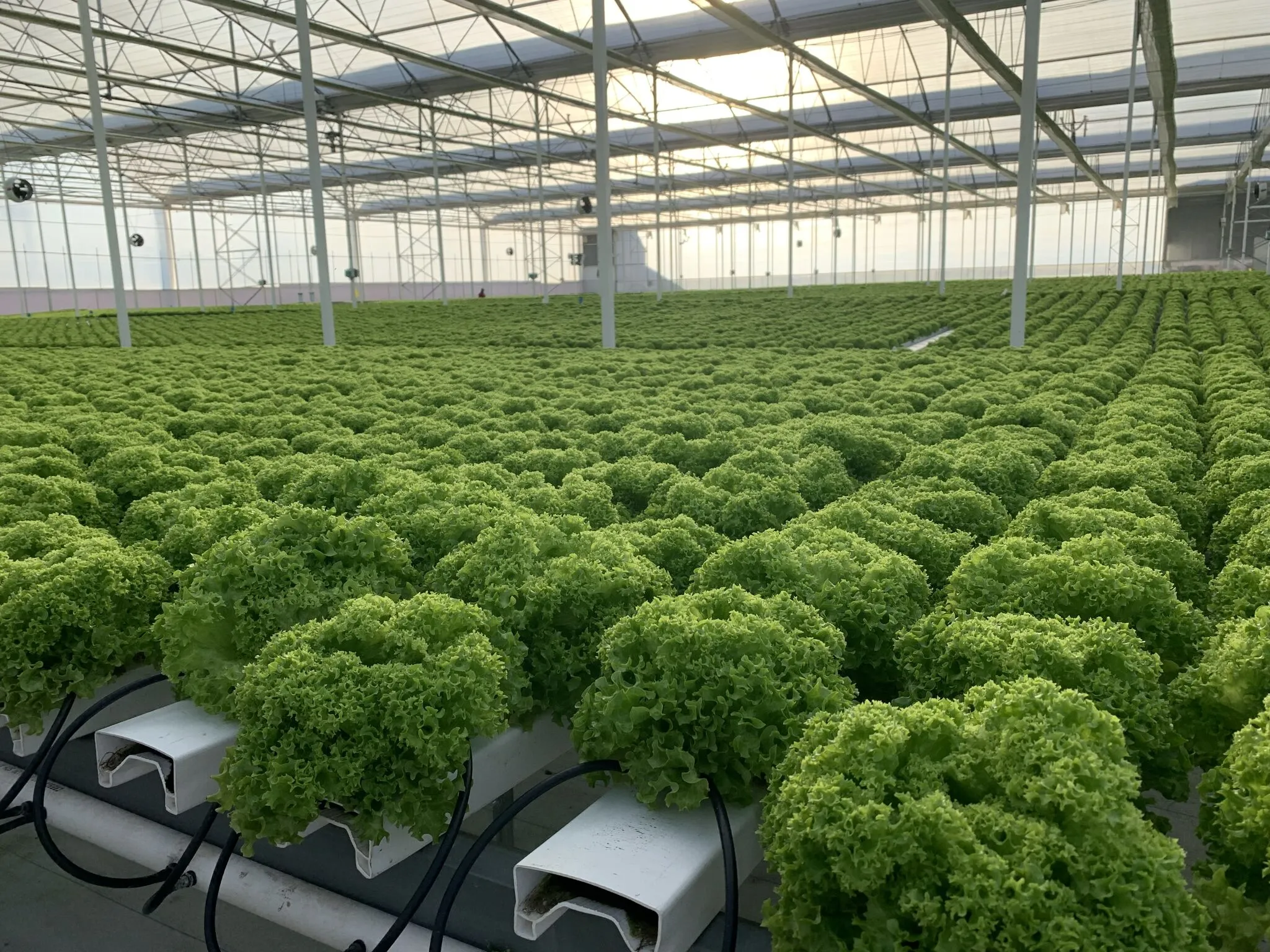
Controlled environment agriculture has undergone a significant transformation over the past decade, and at the center of that shift is the vertical hydroponic system. As growers, facility managers, and agribusiness operators seek more reliable, space-efficient, and resource-conscious production methods, this technology has emerged as a foundational solution. Its adoption is not a trend driven by novelty — it is a response to real operational demands that traditional soil-based farming simply cannot meet inside controlled environments.
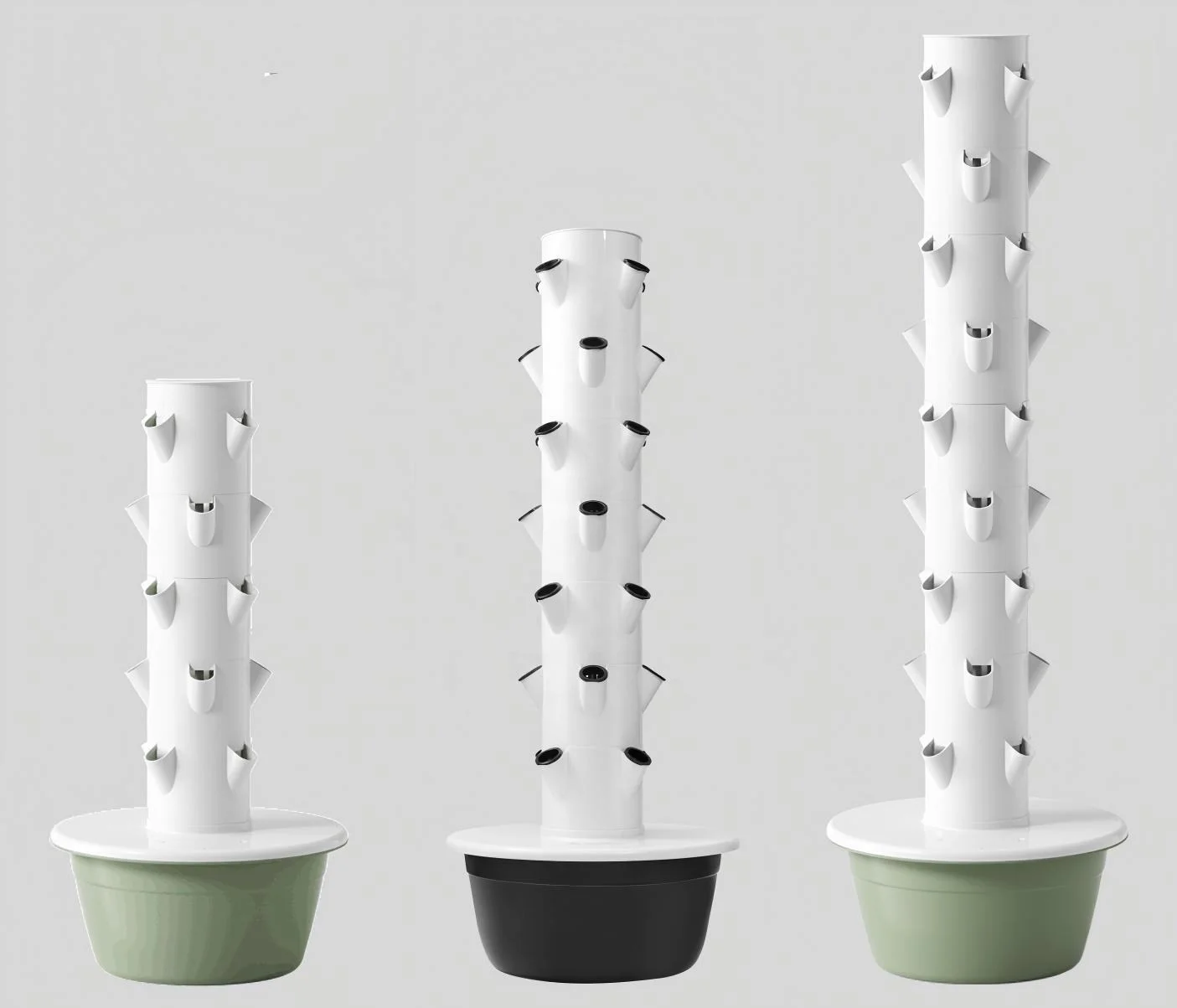
Understanding why the vertical hydroponic system has become so widely adopted requires looking beyond surface-level benefits. The reasons are structural, economic, and agronomic. From indoor farms and research greenhouses to commercial food production facilities, the vertical hydroponic system addresses a convergence of challenges — limited land, water scarcity, climate unpredictability, and the growing demand for year-round fresh produce. This article examines the core drivers behind its widespread use in controlled environment agriculture.
The Space Efficiency Advantage in Controlled Environments
Maximizing Vertical Real Estate
One of the most immediate reasons the vertical hydroponic system is favored in controlled environment agriculture is its ability to multiply usable growing area without expanding the facility footprint. In a conventional horizontal layout, the growing surface is limited to the floor area. A vertical hydroponic system stacks growing channels, towers, or panels upward, effectively multiplying the productive surface within the same square footage.
This is particularly valuable in urban indoor farms, where real estate costs are high and building expansion is not feasible. A facility that might support 500 square meters of horizontal growing area can potentially achieve three to five times that capacity by transitioning to a vertical hydroponic system. For operators working within fixed building dimensions, this spatial leverage is a decisive factor.
The vertical orientation also allows for more precise zoning within a facility. Different crop varieties can be assigned to different vertical levels, and environmental parameters such as light intensity and airflow can be calibrated per zone. This level of spatial organization is difficult to achieve in flat, open-field-style indoor setups.
Compatibility with Modular Facility Design
Controlled environment agriculture facilities are increasingly designed with modularity in mind. The vertical hydroponic system aligns naturally with this design philosophy. Towers, racks, and growing columns can be added, reconfigured, or removed without major structural changes to the building. This flexibility allows operators to scale production incrementally based on market demand or crop rotation schedules.
Modular vertical hydroponic system configurations also simplify maintenance workflows. Technicians can access individual growing units without disrupting adjacent sections, reducing downtime during inspections, cleaning cycles, or replanting. In high-throughput commercial operations, this operational continuity is a meaningful productivity advantage.
Water and Nutrient Efficiency as a Core Driver
Closed-Loop Nutrient Delivery
The vertical hydroponic system operates on a recirculating nutrient solution model, which is fundamentally more water-efficient than soil-based irrigation. In a well-designed vertical hydroponic system, water and dissolved nutrients are delivered directly to the root zone and any unused solution is captured, filtered, and recirculated. This closed-loop approach can reduce water consumption by 70 to 90 percent compared to conventional field irrigation.
In controlled environment agriculture, where water management is both a cost factor and a sustainability metric, this efficiency is a primary reason for adoption. Facilities operating in water-stressed regions or under strict environmental compliance requirements find the vertical hydroponic system particularly well-suited to their operational constraints.
Nutrient delivery precision is equally important. Because the solution is formulated and monitored centrally, growers can adjust pH, electrical conductivity, and specific mineral concentrations in real time. This level of control is not achievable in soil-based systems, where nutrient availability is influenced by soil chemistry, microbial activity, and drainage variability.
Reduced Contamination Risk and Input Waste
Soil-free cultivation in a vertical hydroponic system eliminates a significant source of contamination risk. Soil-borne pathogens, pests, and weed competition are removed from the equation entirely. This reduces the need for pesticides, fungicides, and herbicides, which in turn lowers input costs and simplifies compliance with food safety standards.
In controlled environment agriculture, where biosecurity is a priority, the vertical hydroponic system supports cleaner production protocols. Facilities producing leafy greens, herbs, or microgreens for direct retail or food service channels benefit from the reduced contamination exposure that a soil-free, vertically stacked system provides.
Input waste reduction extends to fertilizers as well. Because nutrients are delivered in measured concentrations directly to the root zone, there is minimal leaching or runoff. This not only reduces operating costs but also aligns with environmental stewardship goals that are increasingly important to buyers and regulatory bodies in the food production sector.
Year-Round Production and Climate Independence
Decoupling Crop Cycles from Seasonal Constraints
A vertical hydroponic system installed within a controlled environment agriculture facility operates independently of outdoor climate conditions. Temperature, humidity, light spectrum, and photoperiod are all managed artificially, which means crop production is not subject to seasonal interruptions, frost events, drought periods, or excessive heat. This climate independence is one of the most strategically valuable attributes of the vertical hydroponic system for commercial operators.
Year-round production capability allows facilities to maintain consistent supply agreements with buyers, which is a significant commercial advantage. Retailers, food service distributors, and institutional buyers increasingly prefer suppliers who can guarantee continuous availability rather than seasonal batches. The vertical hydroponic system makes that consistency structurally achievable.
For crops with high market value and short growth cycles — such as basil, spinach, lettuce, and arugula — the ability to run continuous harvest rotations within a vertical hydroponic system translates directly into higher annual revenue per square meter of facility space.
Controlled Light and Environmental Optimization
In a vertical hydroponic system, artificial lighting is typically integrated into the structure itself, with LED grow lights positioned at each tier to ensure uniform light distribution across all growing levels. This eliminates the shading and light competition that would occur if tall plants were grown in a conventional horizontal layout under a single overhead light source.
The ability to tune light spectrum and intensity per crop type is a significant agronomic advantage. Leafy greens may require different spectral profiles than fruiting crops, and a well-configured vertical hydroponic system allows operators to optimize these parameters at the tier level. This precision contributes to faster growth rates, improved nutritional profiles, and more consistent product quality.
Environmental sensors integrated with the vertical hydroponic system can monitor temperature gradients, CO2 levels, and humidity across different vertical zones. This data feeds into automated control systems that adjust HVAC, lighting, and irrigation in real time, creating a self-regulating growing environment that minimizes human intervention and reduces the risk of crop stress events.
Labor Efficiency and Operational Scalability
Ergonomic Design and Workflow Optimization
Modern vertical hydroponic system designs are increasingly developed with labor efficiency in mind. Growing towers and vertical racks are positioned at heights that minimize bending and reaching, reducing physical strain on workers during planting, monitoring, and harvesting tasks. In large-scale operations where labor costs represent a significant portion of operating expenses, ergonomic design translates into measurable productivity gains.
Workflow optimization is further supported by the structured layout of a vertical hydroponic system. Because plants are organized in defined rows and tiers, harvest scheduling, transplanting, and cleaning cycles can be systematized and tracked with precision. This predictability is essential for facilities operating at commercial scale with tight delivery schedules.
Some advanced vertical hydroponic system configurations incorporate automated seeding, transplanting, and harvesting mechanisms. While full automation remains more common in large industrial facilities, even semi-automated components — such as automated nutrient dosing and irrigation timing — significantly reduce the manual labor burden and improve consistency across production cycles.
Scalability Across Facility Sizes
The vertical hydroponic system is not limited to large industrial operations. Its modular nature makes it equally viable for small urban farms, research institutions, hotel kitchen gardens, and community food production projects. The same core principles — vertical stacking, recirculating nutrient delivery, and controlled environment integration — apply across facility sizes, making the technology accessible to a wide range of operators.
For businesses planning phased expansion, the vertical hydroponic system offers a clear scaling pathway. Initial installations can be modest in scope, with additional towers or racks added as production targets increase. This incremental scalability reduces upfront capital risk and allows operators to validate their production model before committing to full-scale buildout.
The consistency of the vertical hydroponic system across scales also simplifies staff training and standard operating procedure development. Techniques learned on a small pilot installation transfer directly to larger configurations, reducing the learning curve associated with facility expansion.
Alignment with Controlled Environment Agriculture Goals
Supporting Food Security and Urban Supply Chains
Controlled environment agriculture is increasingly positioned as a strategic response to food security challenges, particularly in densely populated urban areas where agricultural land is scarce. The vertical hydroponic system is central to this strategy because it enables high-yield food production within urban or peri-urban facilities, shortening supply chains and reducing the carbon footprint associated with long-distance food transport.
Proximity to end consumers is a meaningful advantage for fresh produce categories where shelf life is short. A vertical hydroponic system operating within or near a city can deliver harvested greens to retail shelves within hours, compared to days or weeks for field-grown produce transported from rural growing regions. This freshness advantage supports premium pricing and reduces post-harvest waste.
As urban populations grow and climate-related disruptions to conventional agriculture become more frequent, the vertical hydroponic system is increasingly viewed not just as a commercial tool but as a resilience infrastructure for urban food systems. Investment in this technology is being driven by both private operators and public sector food security initiatives.
Research, Innovation, and Crop Development Applications
Beyond commercial food production, the vertical hydroponic system plays an important role in agricultural research and crop development. Controlled environment facilities equipped with vertical hydroponic system infrastructure allow researchers to study plant responses to specific nutrient formulations, light spectra, temperature regimes, and CO2 concentrations under highly reproducible conditions.
This reproducibility is critical for generating reliable experimental data. In field-based research, environmental variability introduces confounding factors that complicate data interpretation. A vertical hydroponic system within a controlled environment eliminates most of that variability, enabling more precise hypothesis testing and faster iteration cycles in crop improvement programs.
Universities, government agricultural agencies, and private seed companies are among the institutions investing in vertical hydroponic system infrastructure for research purposes. The technology supports work on nutrient optimization, disease resistance, growth acceleration, and the development of crop varieties specifically adapted to indoor production conditions.
FAQ
What types of crops are best suited for a vertical hydroponic system in controlled environment agriculture?
Leafy greens, herbs, and microgreens are the most commonly grown crops in a vertical hydroponic system because of their short growth cycles, compact root structures, and high market value per square meter. Crops such as lettuce, spinach, basil, kale, and cilantro perform particularly well. Some operators also grow strawberries and certain vine crops in adapted vertical hydroponic system configurations, though these require more structural support and careful light management.
How does a vertical hydroponic system compare to horizontal hydroponic setups in terms of yield per facility?
A vertical hydroponic system typically delivers significantly higher yield per unit of floor space compared to horizontal setups because it utilizes vertical height rather than relying solely on floor area. The actual yield advantage depends on the number of tiers, crop type, and lighting configuration, but facilities transitioning from horizontal to vertical hydroponic system layouts commonly report two to four times more productive surface area within the same building footprint.
Is a vertical hydroponic system difficult to maintain in a commercial controlled environment agriculture facility?
Maintenance requirements for a vertical hydroponic system are manageable when the system is properly designed and staff are adequately trained. Key maintenance tasks include monitoring and adjusting nutrient solution chemistry, cleaning irrigation lines and growing channels between crop cycles, inspecting pumps and timers, and managing lighting equipment. Automated monitoring tools integrated with the vertical hydroponic system can reduce the manual workload significantly and provide early alerts for issues such as pH drift or pump failure.
What is the typical return on investment timeline for a vertical hydroponic system installation?
The return on investment for a vertical hydroponic system varies depending on facility scale, crop selection, local market prices, and energy costs. Commercial operations focused on high-value crops in urban markets with strong demand for locally grown produce tend to achieve faster payback periods. Energy efficiency improvements through LED lighting and smart climate control systems can also accelerate the financial return of a vertical hydroponic system by reducing one of the largest ongoing operating costs in controlled environment agriculture.
Table of Contents
- The Space Efficiency Advantage in Controlled Environments
- Water and Nutrient Efficiency as a Core Driver
- Year-Round Production and Climate Independence
- Labor Efficiency and Operational Scalability
- Alignment with Controlled Environment Agriculture Goals
-
FAQ
- What types of crops are best suited for a vertical hydroponic system in controlled environment agriculture?
- How does a vertical hydroponic system compare to horizontal hydroponic setups in terms of yield per facility?
- Is a vertical hydroponic system difficult to maintain in a commercial controlled environment agriculture facility?
- What is the typical return on investment timeline for a vertical hydroponic system installation?