
 EN
EN


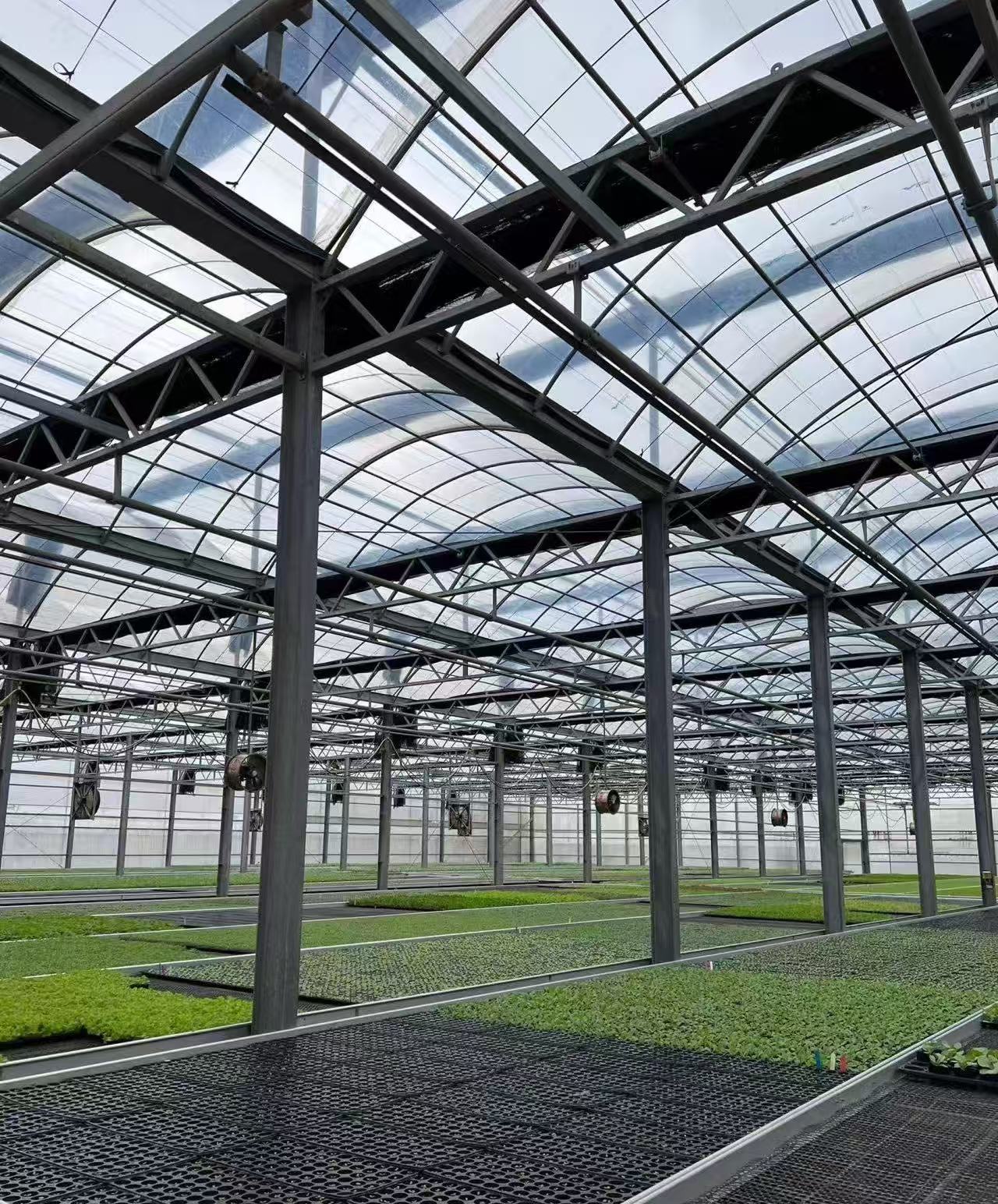
The ability to produce food consistently across every season is one of the most pressing challenges facing modern agriculture. Traditional outdoor cultivation is inherently tied to weather patterns, seasonal cycles, and geographic limitations that create unpredictable gaps in supply. indoor farming addresses these vulnerabilities directly by placing crop production inside controlled environments where growers can regulate every variable that affects plant growth. The result is a fundamentally more stable and predictable food production system that operates independently of the calendar.
Understanding how indoor farming achieves year-round production stability requires looking at the specific mechanisms it uses to eliminate the variables that make outdoor agriculture unreliable. From climate control and artificial lighting to soilless growing systems and vertical space utilization, each component of a well-designed indoor farming operation contributes to a continuous, uninterrupted production cycle. This article examines those mechanisms in detail, explaining why indoor farming has become a strategic solution for food producers, distributors, and investors who need reliable output regardless of external conditions.
Climate Control as the Foundation of Continuous Production
Eliminating Seasonal Dependency
Outdoor crops are governed by temperature ranges that shift dramatically between seasons. Cold winters halt growth entirely in most temperate regions, while extreme summer heat can stress or destroy crops before harvest. Indoor farming removes this dependency by maintaining a stable thermal environment year-round. Growers set precise temperature and humidity parameters that match the optimal growth conditions for each crop, and those conditions remain constant regardless of what is happening outside the facility.
This thermal stability is not just about keeping plants alive — it is about keeping them productive. When plants experience consistent temperatures, their metabolic processes run at peak efficiency, leading to faster growth cycles and more predictable harvest timelines. A lettuce crop that might take six to eight weeks outdoors during a cool spring can be grown on a repeatable 28-day cycle inside a climate-controlled indoor farming environment. That predictability is the core of production stability.
For food businesses that need to fulfill contracts or maintain consistent supply to retail partners, this kind of scheduling reliability is enormously valuable. Indoor farming transforms food production from a weather-dependent gamble into a manageable, plannable operation with defined inputs and outputs.
Protection from Extreme Weather Events
Beyond seasonal cycles, extreme weather events — floods, droughts, hailstorms, and unseasonal frosts — represent acute threats to outdoor crop yields. A single severe weather event can wipe out months of investment in a matter of hours. Indoor farming provides structural protection against these events by housing crops inside buildings that are engineered to withstand environmental stress.
As climate patterns become less predictable globally, this protective function of indoor farming becomes increasingly important. Regions that previously had stable growing seasons are now experiencing more frequent disruptions, pushing food producers to seek alternatives that insulate their operations from climate volatility. Indoor farming offers exactly that insulation, ensuring that production targets can be met even when outdoor conditions are catastrophic.
Lighting Systems That Drive Year-Round Growth Cycles
Replacing Sunlight with Programmable Spectrum Control
Sunlight availability changes with the seasons, and in many latitudes, winter daylight hours are insufficient to sustain productive crop growth. Indoor farming solves this by using artificial lighting systems — most commonly LED arrays — that deliver precise light spectrums and durations tailored to each crop's photosynthetic requirements. These systems can simulate the long days of summer throughout the entire year, keeping plants in their most productive growth phase continuously.
Modern LED lighting used in indoor farming is not simply a substitute for sunlight — it is an improvement over it in many respects. Growers can adjust the ratio of red, blue, and far-red wavelengths to influence specific plant behaviors such as leaf expansion, stem elongation, flowering, and nutrient density. This level of control allows indoor farming operations to optimize not just growth speed but also the quality and nutritional profile of the crops they produce.
The ability to program light cycles also means that indoor farming facilities can run multiple staggered production batches simultaneously. By placing crops at different stages of their light cycle in different growing zones, a single facility can achieve continuous daily harvests rather than periodic bulk harvests, which is a significant advantage for fresh produce supply chains.
Photoperiod Manipulation for Crop Scheduling
Certain crops are photoperiod-sensitive, meaning their transition from vegetative growth to flowering or fruiting is triggered by specific day-length signals. Outdoors, growers have no control over these signals and must work within the natural calendar. In indoor farming, photoperiod can be manipulated deliberately, allowing growers to trigger or delay flowering on demand.
This capability has profound implications for production planning. A grower can schedule multiple flowering cycles per year for crops that would naturally flower only once, dramatically increasing annual yield per square meter. It also allows indoor farming operations to time harvests to coincide with peak market demand periods, turning biological processes into a strategic business tool rather than a fixed constraint.
Soilless Growing Systems and Their Role in Stability
Hydroponics and Aeroponics as Precision Nutrient Delivery
One of the most significant contributors to year-round production stability in indoor farming is the use of soilless growing systems such as hydroponics and aeroponics. These systems deliver nutrients directly to plant roots in water-based or mist-based solutions, bypassing the variability and limitations of soil entirely. Because nutrient delivery is controlled and measurable, plants receive exactly what they need at every stage of growth, eliminating the yield inconsistencies caused by soil nutrient depletion, pH imbalance, or poor drainage.
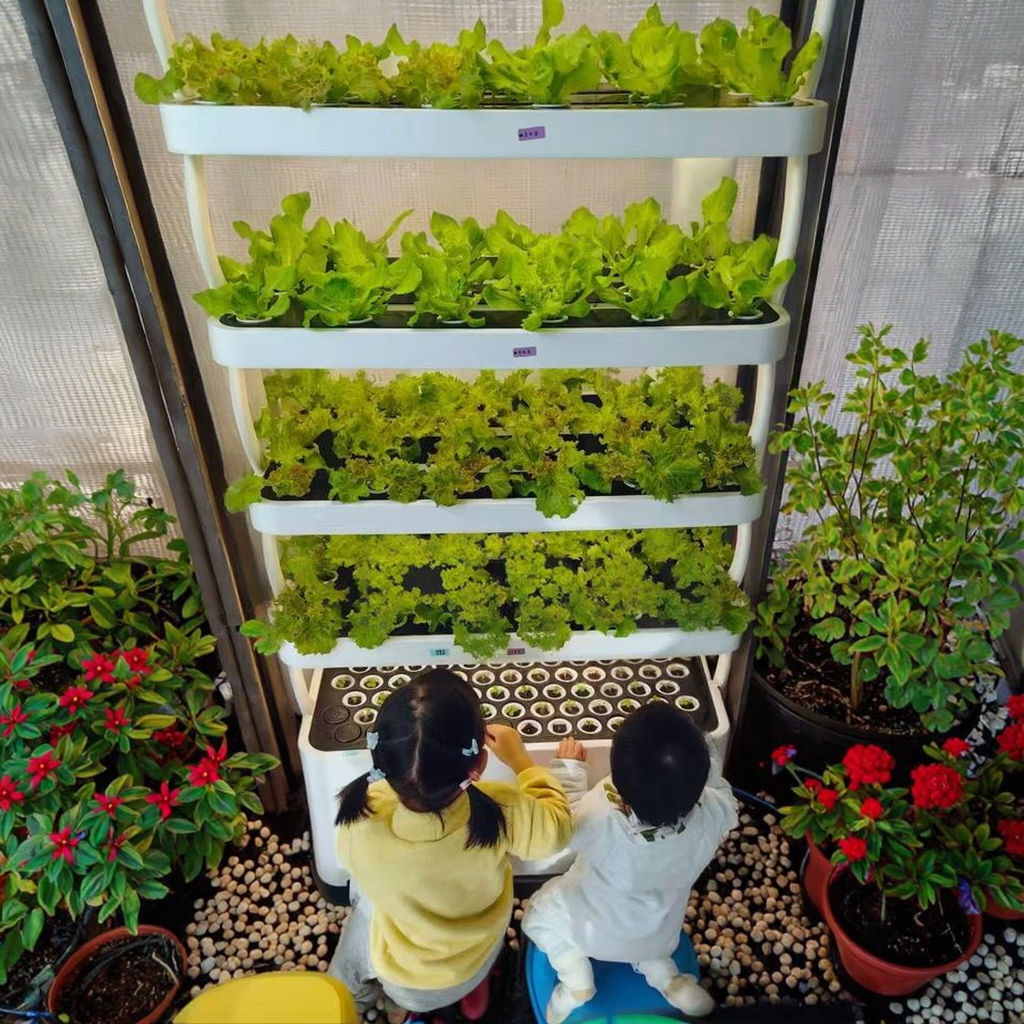
Aeroponic tower systems, in particular, represent an advanced form of indoor farming that maximizes both space efficiency and nutrient uptake. In these systems, plant roots are suspended in air and periodically misted with nutrient solution, providing exceptional oxygenation alongside precise feeding. The result is faster growth rates and higher yields per unit of space compared to both soil-based and traditional hydroponic methods. For indoor farming operations focused on maximizing output from limited floor space, aeroponic towers are a highly effective solution.
The consistency of soilless systems also means that indoor farming operations are not subject to the soil degradation that affects outdoor farms over time. There is no need to rotate fields, allow fallow periods, or manage soil health across seasons. Production can continue in the same growing infrastructure indefinitely, with nutrient solutions adjusted as needed based on crop requirements and water quality monitoring.
Water Efficiency and Resource Predictability
Water scarcity is an increasingly serious constraint on outdoor agriculture in many parts of the world. Rainfall variability and aquifer depletion create unpredictable water availability that directly affects crop yields. Indoor farming systems, particularly closed-loop hydroponic and aeroponic setups, recirculate water continuously, using up to 95% less water than conventional field agriculture. This efficiency means that indoor farming operations are largely insulated from water supply disruptions that can devastate outdoor crops.
From a production stability standpoint, water predictability is as important as climate predictability. When a grower knows exactly how much water their system requires and can source it reliably regardless of rainfall, they can plan production cycles with confidence. Indoor farming transforms water from an uncontrollable external variable into a manageable operational input, which is a fundamental shift in how food production risk is managed.
Vertical Space Utilization and Production Density
Multiplying Output Without Expanding Footprint
Indoor farming is not constrained by horizontal land area in the way that outdoor agriculture is. By stacking growing layers vertically, indoor farming facilities can multiply their effective growing area many times over within the same physical footprint. A warehouse that occupies a single acre of land can contain the equivalent growing capacity of many acres of outdoor farmland when vertical growing systems are fully utilized.
This density has direct implications for production stability. A single indoor farming facility can produce volumes that would require large tracts of outdoor land, and it can do so continuously without seasonal interruption. For urban food producers or businesses operating in land-constrained environments, vertical indoor farming makes high-volume, year-round production economically and logistically feasible in ways that outdoor farming simply cannot match.
The scalability of vertical indoor farming systems also allows producers to expand output incrementally by adding growing layers or modules rather than acquiring new land. This modular growth model supports stable, planned capacity expansion that aligns with market demand rather than being driven by land availability or seasonal opportunity.
Proximity to Urban Markets and Supply Chain Resilience
Because indoor farming facilities can be established in urban or peri-urban locations, they can be positioned close to the end consumers and distribution networks they serve. This proximity reduces transportation time and cost, which is particularly important for perishable fresh produce. Shorter supply chains mean less spoilage, fresher products at point of sale, and reduced exposure to logistics disruptions that can affect long-distance food supply networks.
From a food system stability perspective, urban indoor farming creates distributed production nodes that reduce dependence on centralized agricultural regions. If a major growing region is affected by drought, disease, or extreme weather, urban indoor farming facilities in other locations can continue supplying local markets without interruption. This geographic distribution of production capacity is a structural resilience advantage that traditional agriculture cannot easily replicate.
Pest and Disease Management in Controlled Environments
Reducing Biological Threats to Crop Continuity
Pest infestations and plant diseases are among the most unpredictable threats to outdoor crop yields. A single outbreak can devastate an entire season's production, and the spread of pathogens through soil, water, or air is difficult to control in open field conditions. Indoor farming environments, by contrast, are physically isolated from the external ecosystem, dramatically reducing the pathways through which pests and diseases can enter the growing space.
Controlled access protocols, air filtration systems, and sterile growing media in indoor farming facilities create a biosecure environment where the risk of catastrophic crop loss from biological threats is substantially lower than in outdoor settings. When pest or disease issues do occur, they are typically contained within a specific growing zone and can be addressed without affecting the entire facility's production output.
This containment capability is a critical component of year-round production stability. Outdoor farmers often face the difficult choice between losing a crop to disease or applying heavy pesticide treatments that carry their own risks and costs. Indoor farming reduces the frequency and severity of these situations, allowing production to continue with fewer interruptions and lower chemical inputs.
Consistent Crop Quality Across Production Cycles
Production stability is not only about volume — it is also about quality consistency. Buyers and retailers who source from indoor farming operations value the predictability of product quality as much as the reliability of supply. Because indoor farming controls all the variables that affect plant development, the crops produced in each cycle are highly uniform in size, color, texture, and nutritional content.
This quality consistency reduces waste at the retail level, improves customer satisfaction, and strengthens the commercial relationships that indoor farming businesses depend on. When a buyer knows that every delivery will meet the same quality standards regardless of the time of year, they can build their own product offerings and marketing around that reliability. Indoor farming thus creates value not just through volume stability but through quality stability as well.
FAQ
How does indoor farming maintain production during winter months?
Indoor farming maintains production during winter by using climate control systems to sustain optimal growing temperatures and artificial LED lighting to replace the reduced sunlight of shorter winter days. Because the growing environment is fully enclosed and regulated, plants experience no seasonal change and continue growing on the same cycle they follow in summer. This is one of the primary reasons indoor farming is adopted by producers who need consistent year-round output.
Is indoor farming suitable for all types of crops?
Indoor farming is most effective for leafy greens, herbs, microgreens, strawberries, tomatoes, cucumbers, and other high-value crops with relatively short growth cycles. Staple crops like wheat, corn, and rice are generally not economically viable in indoor farming systems due to their low value-to-space ratio and long growth periods. The technology is best applied to crops where freshness, quality consistency, and year-round availability command premium market prices.
What role does technology play in stabilizing indoor farming production?
Technology is central to production stability in indoor farming. Automated climate control systems, sensor-based nutrient monitoring, programmable LED lighting, and data-driven crop management platforms all work together to maintain the precise conditions that keep plants growing consistently. As these technologies become more sophisticated and affordable, indoor farming operations are able to achieve higher levels of automation and reliability, reducing the risk of human error and environmental variability affecting output.
How does indoor farming compare to greenhouse farming in terms of year-round stability?
Both indoor farming and greenhouse farming offer advantages over open-field agriculture, but fully enclosed indoor farming provides a higher degree of environmental control. Greenhouses rely partially on natural sunlight and are more exposed to external temperature fluctuations, which can still create seasonal variation in production. Indoor farming facilities with complete artificial lighting and full climate control are entirely independent of external conditions, making them more suitable for operations where absolute year-round production consistency is the primary objective.