
 EN
EN



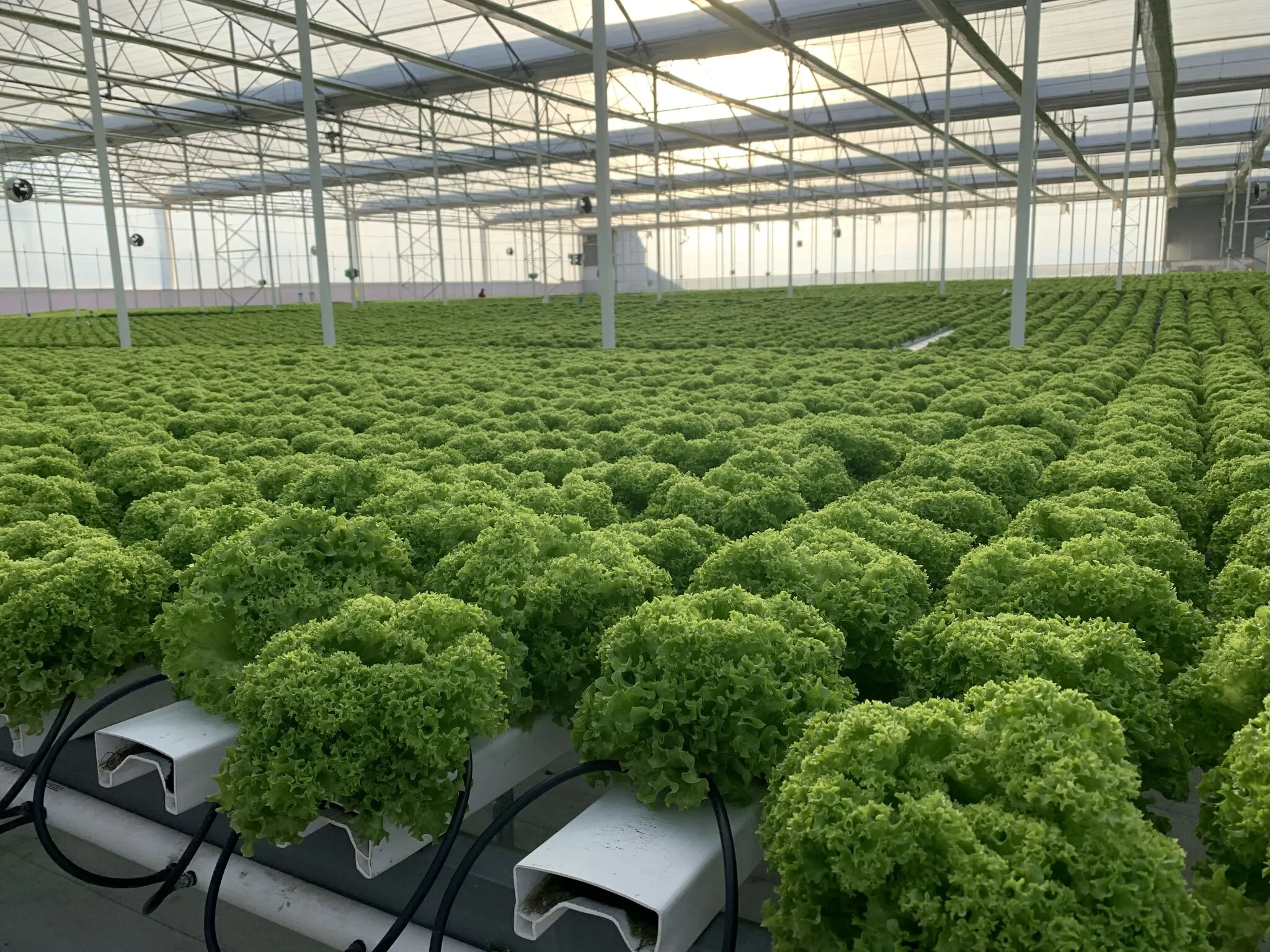
Modern agriculture faces mounting pressure from unpredictable weather, soil degradation, and resource scarcity. indoor farming has emerged as a transformative answer to these challenges, offering growers an unprecedented level of control over every variable that influences plant growth. Unlike traditional field agriculture, where environmental conditions are largely dictated by nature, indoor farming shifts the power of environmental management entirely into the hands of the grower, enabling consistent, high-quality crop production regardless of external climate conditions.
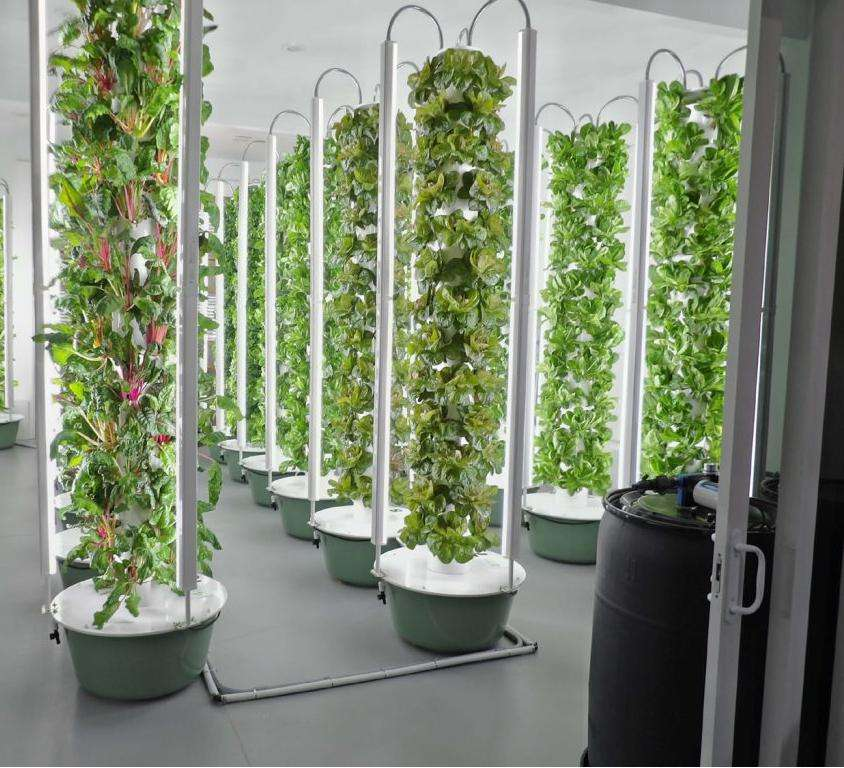
The mechanisms through which indoor farming improves environmental control are deeply interconnected and systematically engineered. From lighting and humidity management to nutrient delivery and CO2 enrichment, each element within an indoor farming system can be precisely calibrated, monitored, and adjusted in real time. This article explores how indoor farming achieves superior environmental control, why that control matters for crop production systems, and what technological and infrastructural components make it all possible.
The Foundation of Environmental Control in Indoor Farming
Decoupling Crop Production from External Climate
One of the most powerful benefits of indoor farming is its ability to completely decouple crop production from the external environment. In traditional agriculture, farmers are at the mercy of seasonal shifts, drought cycles, frost events, and storm damage. Indoor farming eliminates these variables by creating a fully enclosed growing space where temperature, humidity, and light are maintained at ideal levels year-round.
This decoupling is not merely a convenience — it is a strategic advantage for businesses operating in regions with harsh or unstable climates. By removing the dependence on favorable outdoor weather, indoor farming makes it possible to produce leafy greens, herbs, and even fruiting crops in desert environments, arctic regions, or densely populated urban centers. The result is a reliable, predictable production cycle that supports supply chain stability and reduces the risk of crop failure.
Indoor farming systems achieve this independence through insulated structures, climate-controlled HVAC systems, and sealed growing environments that minimize infiltration of outside air. The infrastructure investment required is significant, but the returns in terms of yield consistency and reduced loss to weather events are considerable for commercial growers.
Closed-Loop Environmental Monitoring Systems
A defining characteristic of modern indoor farming is the use of closed-loop environmental monitoring and control systems. Sensors placed throughout the growing area continuously measure temperature, relative humidity, CO2 concentration, light intensity, and air circulation rates. This data feeds into centralized control platforms that automatically adjust outputs from HVAC units, grow lights, humidifiers, and CO2 injectors to maintain target conditions.
This level of automation means that deviations from the optimal growing environment are corrected almost instantly, preventing stress events that could reduce crop quality or yield. In a traditional field setting, a grower might not notice that conditions have drifted out of range until visible plant stress appears. In indoor farming, feedback loops operate continuously and invisibly, catching fluctuations before they become problems.
Closed-loop systems also generate rich historical data that growers can analyze to identify patterns, optimize set points, and continuously improve crop performance over successive growing cycles. This capacity for data-driven refinement sets indoor farming apart as a genuinely scalable and improvable production system.
Precision Light Management and Photosynthetic Efficiency
Artificial Lighting as a Controllable Growth Driver
Light is the primary energy input for plant growth, and indoor farming gives growers complete mastery over light delivery. Unlike sunlight, which varies with season, weather, and time of day, artificial grow lights used in indoor farming can be tuned to specific wavelengths, intensities, and photoperiods that are optimized for each crop species and growth stage.
LED grow light technology has become the cornerstone of indoor farming light management, offering the ability to deliver targeted red and blue spectra that drive photosynthesis efficiently while minimizing heat output. Growers can program lighting schedules that extend or shorten day length to trigger flowering, accelerate vegetative growth, or enhance specific quality attributes like anthocyanin content and flavonoid concentration in specialty crops.
By controlling the daily light integral — the total amount of light a plant receives each day — indoor farming systems eliminate the variability that field farmers experience when cloud cover or seasonal angle changes reduce available sunlight. Consistent light delivery translates directly into consistent growth rates, predictable harvest windows, and uniform product quality that is difficult to achieve outdoors.
Vertical Light Distribution and Space Efficiency
Indoor farming frequently employs multi-tier vertical growing structures where lighting is installed at each level, ensuring that every plant canopy receives adequate illumination regardless of its position in the stack. This vertical arrangement multiplies production capacity per square meter of floor space while maintaining uniform light distribution across all growing layers.
Vertical light distribution strategies in indoor farming require careful engineering to prevent light spillage between tiers and to ensure that lower-tier plants receive the same intensity and spectrum as those at the top. Reflective materials, adjustable light bar positions, and real-time light sensing at the canopy level all contribute to achieving this uniformity.
The result is that indoor farming can generate yields per unit area that are many times higher than conventional greenhouse or field production, with each plant experiencing precisely the same optimized light environment. This uniformity is a direct expression of the environmental control that defines the indoor farming approach.
Temperature and Humidity Regulation for Optimal Crop Development
Maintaining Ideal Temperature Ranges Across Crop Stages
Temperature profoundly affects every biochemical process in plants, from photosynthesis and respiration to nutrient uptake and fruit development. Indoor farming provides the ability to set and maintain specific temperature ranges that align precisely with the physiological needs of each crop at each stage of its lifecycle. This is a capability that no outdoor or even traditional greenhouse system can fully replicate.
In indoor farming environments, HVAC systems are designed to respond rapidly to heat generated by grow lights, metabolic activity of dense plant populations, and fluctuations caused by opening access points for harvesting or maintenance. Zone-based temperature management allows different sections of a facility to maintain different temperature set points simultaneously, supporting multi-crop production or stage-separated growing strategies within the same building.
For example, germination zones in an indoor farming facility may be maintained at warmer temperatures to accelerate seed emergence, while mature plant zones operate at cooler temperatures to slow respiration and extend shelf life after harvest. This granular temperature control is a hallmark of what indoor farming makes possible in production system design.
Humidity Control and Disease Prevention
Relative humidity management is equally critical in indoor farming, and it directly affects both plant health and the risk of fungal and bacterial disease outbreaks. High humidity encourages the spread of pathogens like botrytis and powdery mildew, while excessively low humidity can cause stomatal closure and heat stress. Indoor farming systems use dehumidifiers, humidistats, and precision ventilation to keep humidity within crop-specific optimal ranges.
Unlike outdoor environments where rain, morning dew, or seasonal humidity shifts are uncontrollable, indoor farming allows growers to set humidity targets and enforce them consistently throughout the day-night cycle. This precision significantly reduces the incidence of humidity-related crop diseases, which in field agriculture can destroy entire harvests and necessitate heavy fungicide applications.
The ability to minimize disease pressure through environmental control is one of the most compelling reasons why indoor farming reduces pesticide and fungicide inputs compared to conventional systems. By removing the conditions under which pathogens thrive, indoor farming addresses disease at the source rather than after the fact, supporting cleaner, safer produce with reduced chemical residue concerns.
Nutrient Delivery and Root Zone Environment in Indoor Farming Systems
Hydroponic and NFT Channel Systems as Environmental Control Tools
The nutrient delivery method used in indoor farming is itself a powerful form of environmental control. Hydroponic systems, and particularly nutrient film technique channels, allow growers to deliver precisely formulated nutrient solutions directly to plant root systems at controlled flow rates, concentrations, and pH levels. This eliminates the variability inherent in soil-based nutrient delivery, where nutrient availability fluctuates with soil biology, moisture, and microbial activity.
In indoor farming operations using NFT channel infrastructure, nutrient solution composition can be adjusted in real time based on plant growth stage, ambient light conditions, or crop-specific deficiency signals. Automated dosing systems continuously monitor electrical conductivity and pH, making micro-corrections to ensure that roots are always bathed in an optimal nutrient environment. This level of root zone control is simply not achievable in soil-based outdoor systems.
The precision of hydroponic nutrient delivery in indoor farming also supports significant water use efficiency. Because water is recirculated through the system rather than lost to evaporation or deep percolation, indoor farming can achieve crop production with a fraction of the water consumption associated with field irrigation. This makes indoor farming especially relevant in water-scarce regions where agricultural water use is under regulatory or resource pressure.
CO2 Enrichment and Atmospheric Composition Control
Beyond light and nutrients, indoor farming offers control over the atmospheric composition of the growing environment, including CO2 concentration. Elevated CO2 levels above the ambient atmospheric concentration of approximately 400 parts per million can dramatically accelerate photosynthesis in many crop species, increasing growth rates and yields when other inputs are not limiting.
Indoor farming facilities equipped with CO2 injection systems can maintain concentrations of 800 to 1,200 parts per million during the light period, effectively supercharging plant metabolism and shortening crop cycles. This level of atmospheric control is impossible in any outdoor or naturally ventilated growing system, making it a uniquely indoor farming advantage.
CO2 management in indoor farming requires careful integration with ventilation and gas safety systems, as elevated concentrations must be maintained safely for workers entering the facility. When properly implemented, CO2 enrichment in indoor farming represents one of the highest return-on-investment environmental control strategies available to commercial growers seeking to maximize output from a fixed growing footprint.
Integrated System Design and Scalability of Environmental Control
Designing Environmental Control as a System, Not Individual Components
The most effective indoor farming operations treat environmental control not as a collection of separate technologies but as an integrated system where each component interacts with and supports the others. Lighting affects temperature, which influences transpiration and humidity, which affects nutrient uptake efficiency, which in turn influences how much CO2 plants can utilize. Understanding and designing for these interactions is what separates high-performing indoor farming systems from those that achieve only marginal gains over conventional production.
System integration in indoor farming requires expertise across agronomy, mechanical engineering, electrical systems, and data management. Operators who invest in properly integrated environmental control architectures benefit from compounding efficiency gains, where optimizing one parameter positively reinforces the performance of others. This systems-level thinking is increasingly becoming the standard approach among leading indoor farming enterprises.
As indoor farming technology continues to mature, modular and scalable environmental control platforms are becoming more accessible to mid-sized and smaller growers. Prefabricated growing chambers, plug-and-play hydroponic infrastructure, and cloud-connected sensor networks are democratizing access to the environmental control capabilities that were once available only to large, heavily capitalized operations.
Scalability and Replicability Across Multiple Facilities
One of the most strategically significant advantages of indoor farming's environmental control approach is its replicability. Once an optimal growing environment has been defined, tested, and validated for a specific crop, those exact conditions can be replicated in any other indoor farming facility equipped with the same infrastructure, regardless of geographic location or local climate.
This replicability supports franchise-style scaling models and multi-site corporate production networks where crop quality and yield performance are standardized across locations. For agribusinesses seeking to expand production capacity without sacrificing consistency, indoor farming offers a blueprint that simply cannot be replicated with outdoor or field-based systems where local soil and climate variation inevitably creates product heterogeneity.
The combination of precision environmental control and scalable replication makes indoor farming one of the most compelling infrastructure investments available to agricultural businesses looking to build resilient, future-proof crop production systems in an increasingly volatile global food environment.
FAQ
How does indoor farming maintain consistent temperatures throughout the growing cycle?
Indoor farming uses dedicated HVAC systems with zonal control capabilities to maintain specific temperature set points across different sections of the facility. Sensors placed throughout the growing area feed real-time data to automated climate controllers that activate heating or cooling as needed. This allows indoor farming operations to sustain crop-specific temperature profiles across every stage of plant development, from germination to harvest, without relying on external weather conditions.
Is indoor farming suitable for large-scale commercial crop production?
Yes, indoor farming is well established as a commercial-scale production model across multiple crop categories, including leafy greens, herbs, microgreens, and certain fruiting crops. Commercial indoor farming facilities ranging from a few hundred square meters to tens of thousands of square meters are in operation globally. The key to commercial viability lies in achieving appropriate capital efficiency, energy management, and crop selection that aligns with the cost structure of indoor farming operations.
What role does humidity play in indoor farming disease management?
Humidity control in indoor farming is a primary tool for disease prevention. By maintaining relative humidity within species-appropriate ranges and preventing the moisture accumulation that encourages fungal pathogens, indoor farming systems create growing environments that are naturally less hospitable to disease organisms. This reduces the need for chemical interventions and supports the production of cleaner, lower-residue crops compared to conventional field or greenhouse systems.
How does CO2 enrichment in indoor farming benefit crop yields?
CO2 enrichment in indoor farming elevates the atmospheric concentration of carbon dioxide above ambient levels, typically to between 800 and 1,200 parts per million during the light period. At these elevated concentrations, many crop plants can photosynthesize more efficiently, leading to faster growth rates, earlier harvest windows, and higher yields per growing cycle. CO2 enrichment is most effective when other environmental factors in the indoor farming system — particularly light intensity and nutrient availability — are also optimized to support the increased metabolic activity.
Table of Contents
- The Foundation of Environmental Control in Indoor Farming
- Precision Light Management and Photosynthetic Efficiency
- Temperature and Humidity Regulation for Optimal Crop Development
- Nutrient Delivery and Root Zone Environment in Indoor Farming Systems
- Integrated System Design and Scalability of Environmental Control
- FAQ