
 EN
EN



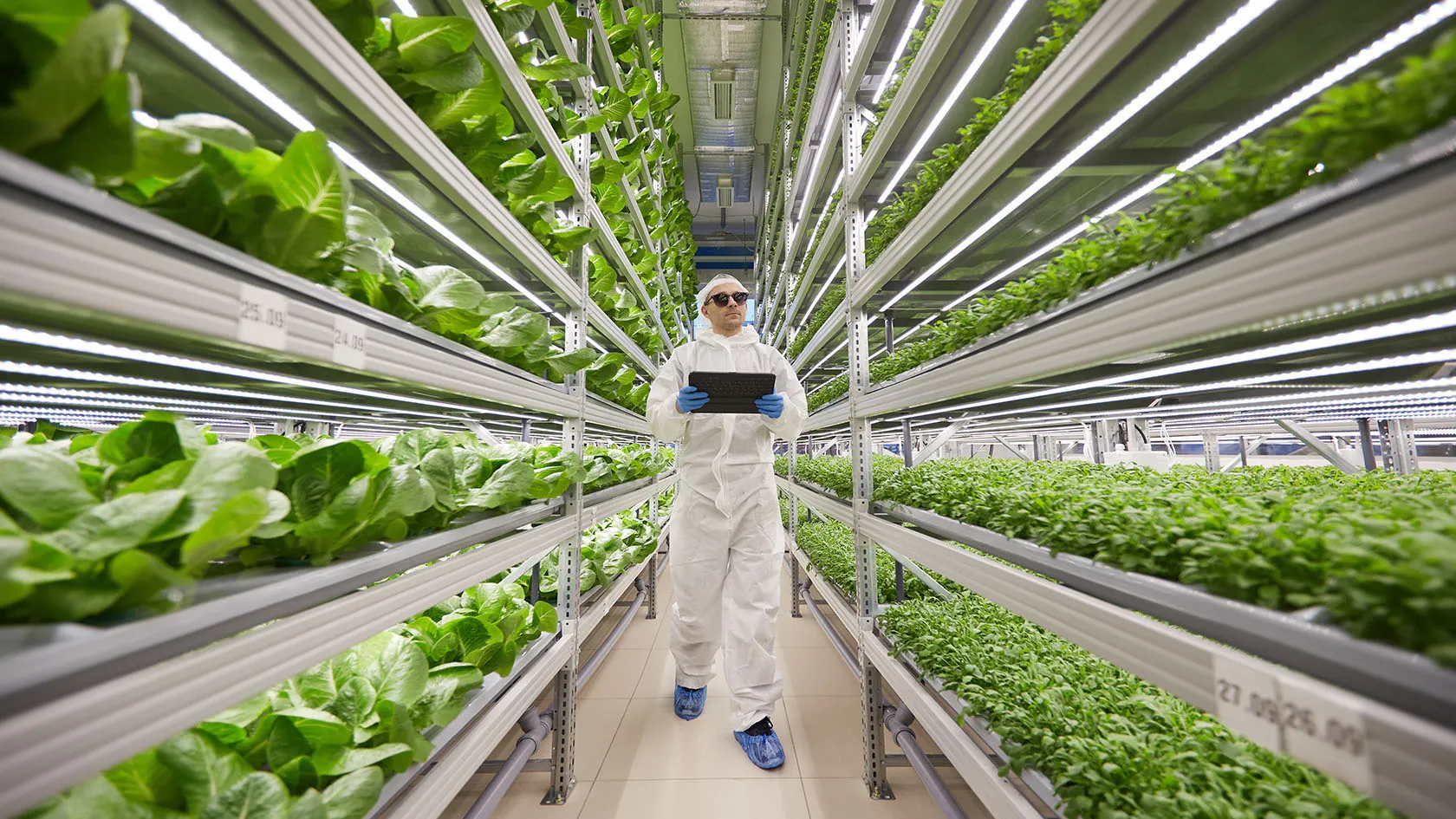
As global food demand intensifies and arable land becomes increasingly scarce, verticle farming has emerged as one of the most compelling solutions for consistent, climate-independent food production. Unlike traditional outdoor cultivation, which is subject to seasonal shifts, unpredictable weather, and soil degradation, verticle farming creates a controlled growing environment that operates with precision regardless of what is happening outside. This paradigm shift in agriculture is not simply about growing crops indoors — it is about engineering systems that eliminate the variables that have always made year-round cultivation a challenge for conventional farmers.
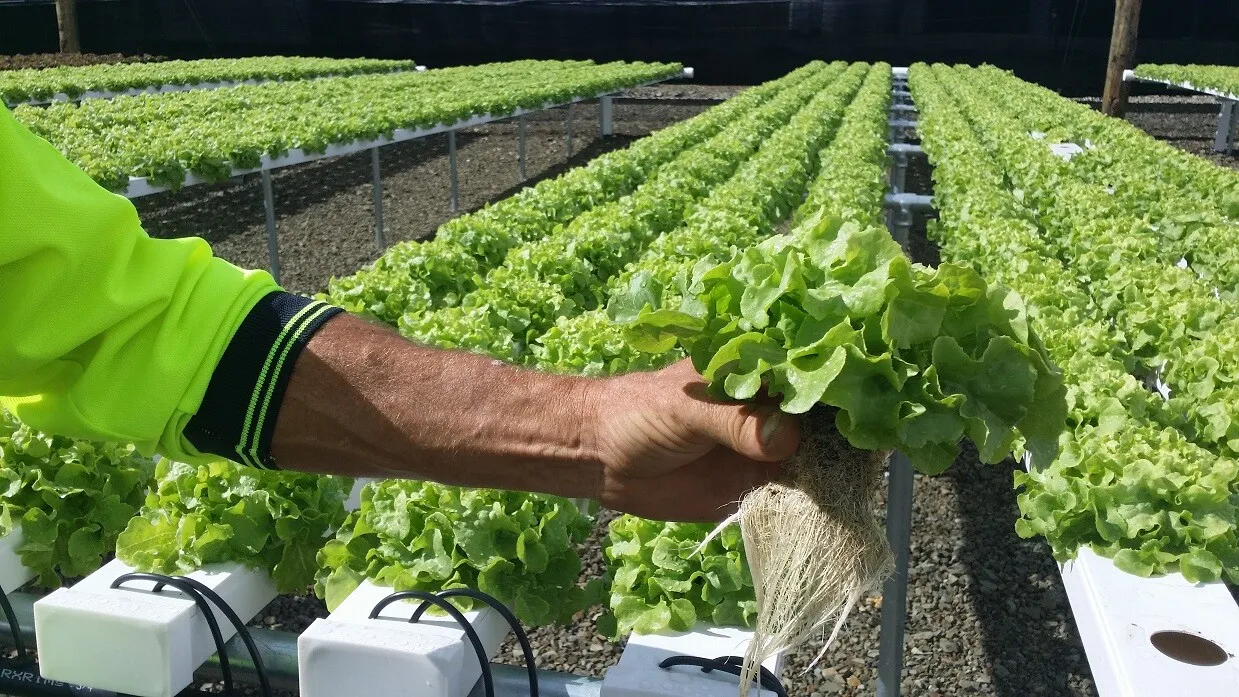
The relationship between verticle farming and year-round cultivation efficiency is deeply structural. Every element of a well-designed vertical farm — from lighting and irrigation to stacking architecture and nutrient delivery — is engineered to maximize output per square meter while maintaining continuous growing cycles. Understanding how these systems work together reveals why verticle farming is increasingly adopted by commercial producers, urban food innovators, and agri-tech investors who need reliable, scalable, and sustainable production throughout all twelve months of the year.
The Core Mechanism Behind Year-Round Production in Verticle Farming
Environmental Control as the Foundation of Continuous Cultivation
The primary reason verticle farming supports year-round cultivation is its ability to fully decouple crop growth from outdoor environmental conditions. In a vertical farm, temperature, humidity, CO2 concentration, and light exposure are all managed through intelligent control systems. This means crops do not experience winter dormancy, summer drought stress, or the erratic transitions that define traditional growing seasons.
By maintaining optimal growing conditions at all times, verticle farming systems allow operators to run multiple harvest cycles per year for the same crop type. Leafy greens, herbs, and microgreens that might yield one or two outdoor harvests annually can be harvested every two to four weeks in a vertical environment. This compression of the cultivation cycle is central to the efficiency gains that verticle farming delivers.
Environmental control also eliminates the need for seasonal crop rotation driven by weather. Operators can schedule planting and harvesting based on market demand rather than climate calendars, giving them a level of production planning flexibility that is simply unavailable in field agriculture. This ability to align supply with demand continuously is one of the most commercially valuable features of verticle farming.
Artificial Lighting Systems and Photoperiod Management
Light is the single most critical input for plant growth, and in verticle farming, it is the first natural variable to be replaced with an engineered alternative. Full-spectrum LED grow lights deliver precisely calibrated wavelengths that match the photosynthetic absorption peaks of target crops. Because these lights operate independently of daylight hours, verticle farming systems are not constrained by seasonal changes in sunlight duration or intensity.
Photoperiod management — the deliberate control of light and dark cycles — allows vertical farm operators to trigger specific plant responses. Some crops flower or develop particular flavor profiles under specific light schedules. In verticle farming, these schedules are programmable and repeatable, ensuring consistent crop quality across every harvest cycle throughout the year.
Modern LED systems used in verticle farming are also highly energy-efficient, with some configurations recovering heat output for thermal management of the growing environment. This dual-function use of energy resources further enhances the overall efficiency of the system, reducing operational costs while maintaining the uninterrupted light supply that year-round cultivation depends on.
Hydroponic and Aeroponic Systems as Efficiency Multipliers
Nutrient Delivery Without Soil Dependency
Verticle farming typically integrates soil-free growing methods such as hydroponics, aeroponics, or nutrient film technique systems. These methods deliver water and dissolved nutrients directly to plant root zones, eliminating the inefficiencies of soil-based nutrient absorption. In hydroponic verticle farming systems, plants receive exactly what they need, when they need it, with minimal waste — a direct contributor to cultivation efficiency.
Aeroponic systems, which mist nutrient solutions directly onto suspended roots, take this a step further by maximizing oxygen exposure at the root level. Increased oxygenation accelerates metabolic activity and shortens grow times significantly. For year-round operations, faster crop turnover means more harvests per year and better utilization of the vertical growing infrastructure. A well-designed verticle farming system can achieve growth rates two to three times faster than conventional methods depending on the crop type and nutrient formula used.
Because soil is removed from the equation, verticle farming also avoids soil-borne diseases, pest cycles tied to seasonal insect activity, and the nutritional variability that comes with different soil compositions. This consistency is critical for year-round production because it means crop performance does not degrade across cycles — every batch grows under the same optimized conditions.
Water Recirculation and Sustainable Input Management
Efficiency in verticle farming extends beyond crop output — it also applies to resource consumption. Closed-loop water recirculation systems used in vertical farms recover unused nutrient solution and reintroduce it into the system after filtration and rebalancing. This dramatically reduces water usage compared to field irrigation, with some systems using up to 95% less water per kilogram of produce.
From a year-round cultivation perspective, water recirculation removes one of the major seasonal constraints of traditional farming — water availability. Regions that experience drought in summer or frozen ground in winter present serious challenges to field farmers but pose no obstacle to a verticle farming operation running on a closed water system. Production reliability is maintained regardless of regional water stress conditions.
Input management also includes precise nutrient monitoring through sensors and automated dosing systems. In verticle farming, this means nutrient imbalances are detected and corrected in real time, preventing crop failure events that could disrupt a continuous production schedule. The cumulative effect of these efficiencies is a system where year-round output is not a seasonal aspiration but an engineered baseline.
Stacked Growing Architecture and Space Optimization
How Vertical Layers Increase Annual Yield per Footprint
The defining physical feature of verticle farming is its multi-tiered growing architecture. By stacking growing towers or shelving units vertically, a single facility footprint yields the productive capacity of a much larger horizontal farm. This spatial multiplication is directly tied to year-round efficiency because every layer operates independently, maintaining its own planting and harvest schedule without interference from other layers.
In practice, this means a verticle farming facility can stagger planting across different layers so that harvesting occurs on a rolling basis rather than all at once. This rolling harvest model is ideal for commercial operations supplying restaurants, retailers, or food service companies that require steady, predictable deliveries rather than seasonal bulk shipments. The architectural logic of verticle farming thus directly supports continuous cultivation workflow.
Verticle farming towers designed for aeroponics or hydroponics also use their physical structure to integrate lighting at each tier, ensuring that no crop layer is shaded or light-deprived. This precision in light distribution across multiple levels is one of the engineering achievements that makes large-scale verticle farming viable as a year-round production model rather than a niche experiment.
Modular Scalability and Operational Flexibility
One of the underappreciated advantages of verticle farming systems is their modular nature. Growing towers and hydroponic units can be added, reconfigured, or replaced without shutting down the entire operation. This modularity supports year-round efficiency by allowing operators to adjust capacity in response to demand cycles without experiencing the downtime associated with seasonal farm transitions.
Modularity also means that different crop types can be grown simultaneously in different sections of the same facility. A verticle farming operation might dedicate certain towers to fast-cycling leafy greens while allocating others to slower-maturing herbs or fruiting plants. This crop diversification within a single facility further stabilizes annual revenue and keeps the system productive across all seasons and market conditions.
The combination of vertical stacking and modular design gives verticle farming an operational agility that conventional farms cannot match. When one crop cycle ends, the next begins almost immediately in the same physical space — a seamless continuity that makes year-round cultivation efficiency not just achievable but a built-in characteristic of the system.
Automation, Data, and Precision Agriculture in Verticle Farming
Sensor-Driven Decision Making for Consistent Output
Verticle farming systems increasingly integrate sensor networks, IoT connectivity, and data analytics to automate and optimize growing conditions. Sensors monitor temperature, humidity, pH, electrical conductivity, CO2 levels, and light intensity in real time, feeding data into centralized management software that adjusts system parameters automatically. This continuous feedback loop removes human error from the cultivation process and ensures that growing conditions never drift outside optimal ranges.
For year-round operations, sensor-driven automation is essential. Manual monitoring across all growing layers of a large verticle farming facility is impractical at scale. Automated systems can detect a pH imbalance at 3:00 AM and correct it before any crop damage occurs — a level of responsiveness that protects the continuity of the production cycle. This reliability is what allows commercial operators to commit to year-round supply agreements with confidence.
Data collected over multiple growing cycles also becomes a strategic asset. Verticle farming operators can analyze historical crop performance data to refine growing protocols, identify efficiency losses, and optimize inputs for specific varieties. Over time, this data-driven refinement compounds into measurable improvements in yield, quality, and resource efficiency — all of which strengthen the year-round production model.
Remote Monitoring and Reduced Labor Dependency
Labor is one of the most significant cost variables in any farming operation, and verticle farming addresses this through automation and remote monitoring capabilities. Cloud-connected farm management systems allow operators to oversee and adjust growing conditions from any location, reducing the need for constant on-site staffing. This is particularly relevant for year-round operations that require 24/7 system availability.
Automated seeding, transplanting, and harvesting systems, where implemented, further reduce labor intensity while maintaining the throughput required for continuous cultivation. Even in semi-automated verticle farming facilities, the reduction in manual intervention per unit of output is substantial compared to conventional farming, where labor needs spike dramatically during planting and harvest seasons.
The reduced labor dependency of verticle farming also means that operations are not subject to seasonal labor shortages that can delay harvests and disrupt production schedules in outdoor farming. Year-round cultivation efficiency is therefore reinforced not just by technology but by the operational stability that automation enables.
FAQ
What types of crops are best suited for verticle farming year-round production?
Leafy greens such as lettuce, spinach, and kale are the most commonly grown crops in verticle farming systems due to their short growth cycles and high market demand. Herbs like basil, cilantro, and mint also perform exceptionally well. Microgreens and edible flowers are increasingly popular. Fruiting crops such as tomatoes and strawberries can be cultivated in verticle farming setups with appropriate support structures and lighting adjustments, though they typically require longer cycle management.
How does verticle farming handle the energy costs associated with artificial lighting?
Energy management is a significant consideration in verticle farming operations. Modern LED lighting systems are far more efficient than earlier grow light technologies, consuming significantly less electricity per unit of photosynthetically active radiation delivered. Many verticle farming operators offset energy costs through renewable energy sources such as solar panels or wind power. Additionally, the higher crop density and faster turnover rates of verticle farming often offset energy costs when measured against yield per unit area over a full year.
Can verticle farming systems be integrated into existing greenhouse structures?
Yes, verticle farming technology can be integrated into greenhouse environments to create hybrid systems that combine natural sunlight with supplemental LED lighting and controlled irrigation. In such configurations, the greenhouse structure provides a degree of environmental buffering while the verticle farming components — including hydroponic towers, automated nutrient systems, and tiered growing structures — deliver the precision cultivation advantages that support year-round production. This hybrid approach can reduce energy costs compared to fully enclosed indoor verticle farming operations.
What is the typical return on investment timeline for a commercial verticle farming system?
Return on investment for verticle farming varies based on the scale of the operation, crop selection, local energy costs, and target market pricing. Smaller commercial verticle farming setups focused on high-value crops such as premium herbs or specialty microgreens may achieve profitability within two to three years. Larger facilities with higher capital expenditure and broader crop diversification typically project ROI timelines of four to seven years. The year-round nature of verticle farming production accelerates revenue generation compared to seasonal outdoor alternatives, which is a key factor in investor and operator financial modeling.
Table of Contents
- The Core Mechanism Behind Year-Round Production in Verticle Farming
- Hydroponic and Aeroponic Systems as Efficiency Multipliers
- Stacked Growing Architecture and Space Optimization
- Automation, Data, and Precision Agriculture in Verticle Farming
-
FAQ
- What types of crops are best suited for verticle farming year-round production?
- How does verticle farming handle the energy costs associated with artificial lighting?
- Can verticle farming systems be integrated into existing greenhouse structures?
- What is the typical return on investment timeline for a commercial verticle farming system?