
 EN
EN




Vertical agriculture represents a transformative shift in how modern farming systems produce food while managing precious natural resources. Unlike traditional horizontal field cultivation, vertical agriculture stacks growing layers in controlled indoor environments, fundamentally changing the relationship between crop yield and resource consumption. This innovative approach addresses critical challenges facing contemporary agriculture, including water scarcity, land limitations, and the need for year-round production regardless of climate conditions. Understanding how vertical agriculture improves efficiency requires examining the mechanical, biological, and operational advantages that make this method increasingly valuable for commercial farming operations worldwide.
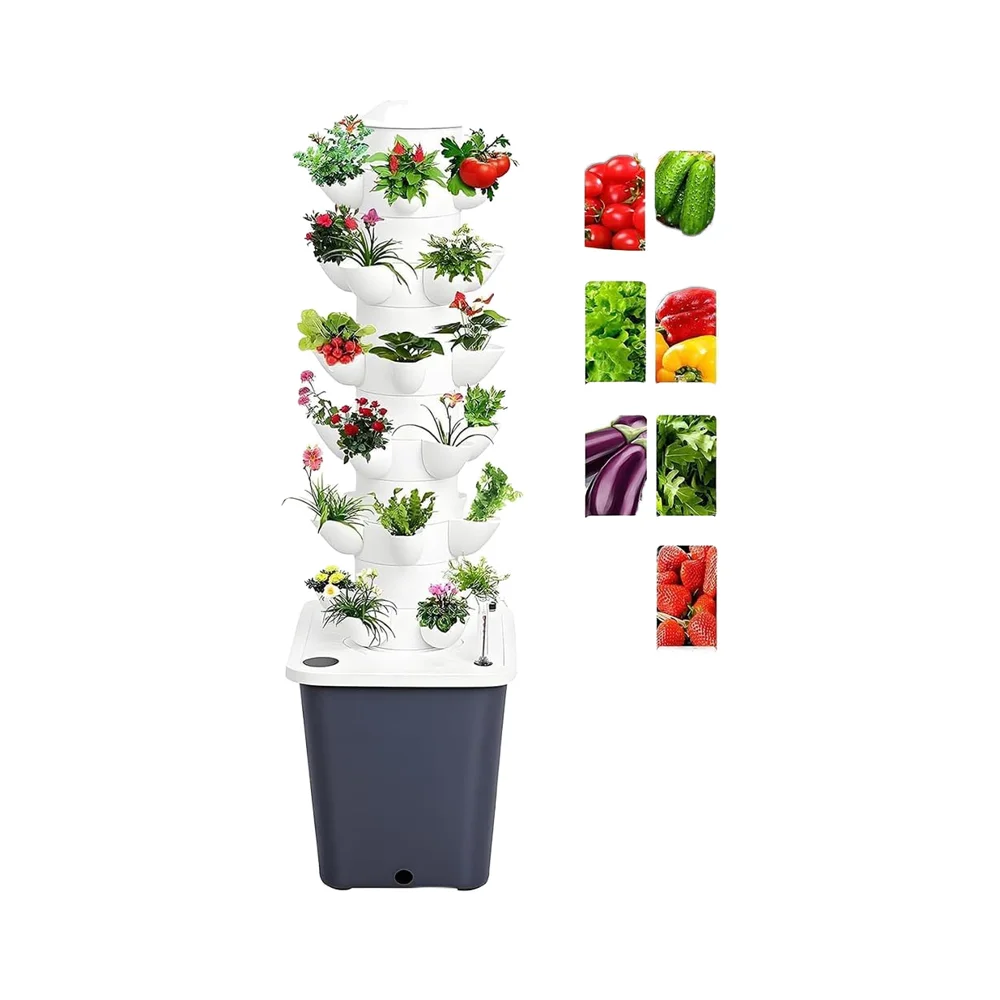
The efficiency gains from vertical agriculture extend across three major resource categories: water consumption, energy management, and land utilization. Each dimension demonstrates measurable improvements over conventional farming methods, creating compelling economic and environmental returns for farming operations that adopt vertical agriculture technologies. This article explores the specific mechanisms through which vertical agriculture improves resource efficiency, examines practical implementation considerations, and addresses common questions about sustainability outcomes in vertical agriculture systems.
Water Conservation Through Closed-Loop Vertical Agriculture Systems
How Vertical Agriculture Reduces Water Waste
Traditional field agriculture loses substantial water volumes to evaporation, soil absorption, and runoff before plants access it. Vertical agriculture addresses this inefficiency through hydroponic and aeroponic growing methods that deliver water directly to plant roots in controlled quantities. In vertical agriculture environments, water recirculates through the system rather than draining away, allowing farmers to reuse the same water multiple times across growing cycles. This closed-loop approach means vertical agriculture can reduce water consumption by up to 95 percent compared to conventional soil-based field farming. The precision irrigation systems used in vertical agriculture applications deliver exactly the amount of water each plant requires at each growth stage, eliminating excess water loss and improving overall resource management.
Nutrient Efficiency in Vertical Agriculture Water Management
When vertical agriculture systems recirculate water, they also protect valuable dissolved nutrients that would otherwise leach into groundwater or contaminate surrounding soil in traditional farming. The contained environments in vertical agriculture allow farmers to monitor and adjust nutrient concentrations continuously, ensuring optimal plant uptake and minimal waste. Vertical agriculture creates measurable cost reductions in fertilizer spending because nutrient solutions remain available for plant absorption rather than being lost to the environment. This nutrient recycling capability represents a significant efficiency advantage that enhances both economic performance and environmental responsibility in vertical agriculture operations. The ability to fine-tune nutrient delivery in vertical agriculture systems also reduces the risk of over-application that damages soil health in conventional agricultural settings.
Energy Optimization and Controlled Environment Benefits in Vertical Agriculture
Climate Control Efficiency in Vertical Agriculture Facilities
Vertical agriculture facilities operate in controlled indoor environments where temperature, humidity, lighting, and CO2 levels remain optimized for plant growth throughout the year. Unlike field farming where environmental conditions fluctuate seasonally and regionally, vertical agriculture creates stable growing conditions that eliminate weather-related crop failures and allow precise optimization of every growth variable. Modern vertical agriculture systems incorporate LED lighting technology that uses significantly less energy than traditional grow lights while providing exactly the light spectrum plants require for photosynthesis. The insulated structures typical of vertical agriculture facilities retain temperature and humidity more efficiently than open-air environments, reducing heating and cooling energy requirements. Through integrated climate management, vertical agriculture improves operational efficiency by enabling faster crop cycles and more predictable yields compared to traditional farming approaches.
Energy Recovery and Sustainability in Advanced Vertical Agriculture
Progressive vertical agriculture operations increasingly integrate renewable energy sources, including solar panels and wind systems, to power lighting and climate controls. The concentrated spatial footprint of vertical agriculture facilities makes renewable energy integration more practical and cost-effective than implementing similar systems for sprawling field operations. Vertical agriculture also generates waste heat from LED systems and HVAC equipment that farmers can capture and recycle back into the growing environment, reducing overall energy demand. Some vertical agriculture facilities have achieved carbon-neutral or carbon-negative operations by combining renewable power with waste heat recovery, demonstrating the environmental potential of well-designed vertical agriculture systems. The measurable energy efficiency improvements in modern vertical agriculture installations continue to improve as technology advances and operational best practices mature across the industry.
Land Utilization and Spatial Productivity in Vertical Agriculture Operations
Maximizing Output Per Square Foot Through Vertical Agriculture
The fundamental principle distinguishing vertical agriculture from conventional farming is the vertical stacking of growing layers, which multiplies productive capacity within a fixed floor space. A vertical agriculture facility occupying one acre of urban land can produce equivalent yields to 10 or more acres of traditional field farming, depending on crop selection and system design. This spatial multiplication dramatically improves land efficiency metrics and enables profitable farming in densely populated regions where land availability is severely limited. Vertical agriculture transforms underutilized real estate including warehouse buildings, repurposed industrial facilities, and urban structures into productive agricultural assets that would otherwise remain economically unproductive. The ability to grow food where traditional field farming proves impractical or impossible represents a paradigm shift in agricultural land management that vertical agriculture uniquely enables.
Proximity to Markets and Transportation Efficiency via Vertical Agriculture
Vertical agriculture facilities can operate profitably in urban and suburban locations near consumer markets, eliminating transportation distances that field-grown produce typically requires. The shorter supply chains resulting from locally situated vertical agriculture operations reduce fuel consumption, refrigeration requirements, and product spoilage that conventional long-distance distribution entails. Consumers receive fresher produce with enhanced nutritional quality because vertical agriculture enables harvest-to-market timelines measured in hours rather than days or weeks. The local production capacity delivered by vertical agriculture also improves regional food security by reducing dependence on distant agricultural regions subject to weather disruptions and supply chain vulnerabilities. For farming operations and food businesses evaluating resource efficiency across their full operations, the transportation benefits of locally based vertical agriculture represent substantial cost and environmental advantages beyond farm-level production metrics.
FAQ
Does vertical agriculture reduce labor costs compared to traditional field farming?
Vertical agriculture typically requires fewer labor hours per unit of production because mechanized watering, lighting, and climate systems eliminate manual irrigation, weeding, and weather-protection activities necessary in field operations. However, vertical agriculture demands higher technical skill levels for monitoring and adjusting complex growing systems, potentially offsetting some labor cost reductions. The greatest labor efficiency benefits in vertical agriculture emerge when operations achieve sufficient scale to justify automation investments and when workforce training programs build staff expertise in controlled environment agriculture technologies. Many vertical agriculture operations report net labor cost advantages once facilities reach production maturity and operational procedures become standardized.
What crops perform best in vertical agriculture systems designed for resource efficiency?
Leafy greens, herbs, and microgreens represent the most resource-efficient crops for vertical agriculture because they mature quickly, require minimal vertical space, and deliver premium market prices that justify infrastructure costs. Fruiting crops like tomatoes and peppers succeed in vertical agriculture when ceiling heights accommodate growth requirements and when adequate lighting systems support fruit development. Vertical agriculture technology continues expanding to include root vegetables and other traditionally field-grown crops, though these applications require larger investment and more complex environmental management than leafy crop production. The best crop selection for any specific vertical agriculture facility depends on local market demand, available capital budget, and technical expertise available to operation management.
How quickly do vertical agriculture investments generate returns through resource savings?
Payback timelines for vertical agriculture investments typically range from three to seven years depending on facility size, crop selection, energy costs, and market prices in the local region. The primary financial drivers of vertical agriculture returns are reduced water and fertilizer consumption, year-round production eliminating seasonal downtime, and premium pricing for locally grown produce. Vertical agriculture operations in high-cost regions with expensive water and energy can experience longer payback periods, while installations in areas with abundant renewable energy and strong local food demand achieve faster return trajectories. Sophisticated financial modeling specific to each vertical agriculture project location and market context provides the most accurate projections for investment evaluation and operational planning decisions.